

In recent years, the construction industry has undergone a quiet revolution. Where once the focus was solely on cost, speed, and structural integrity, today's builders, architects, and property owners are increasingly asking a different question: How can we build in a way that respects the planet? This shift isn't just a trend—it's a response to urgent global challenges, from climate change to resource depletion. At the heart of this movement lies sustainable building certifications, and none is more recognized or influential than LEED (Leadership in Energy and Environmental Design).
LEED, developed by the U.S. Green Building Council (USGBC), isn't just a label; it's a framework that guides projects toward greener, healthier, and more efficient outcomes. Whether it's a residential home, a commercial office, or a public hospital, LEED certification signals a commitment to reducing environmental impact while enhancing human well-being. But achieving LEED isn't easy. It requires careful selection of materials, thoughtful design choices, and a holistic approach to every aspect of construction—including the often-overlooked elements that define a building's character, like wall panels.
Enter the world of modern wall solutions. As architects and builders strive to meet LEED's rigorous standards, they're turning to innovative materials that blend aesthetics, durability, and sustainability. Among these, PU stone wall panels have emerged as a standout option. More than just a pretty face, these panels offer a unique combination of eco-friendly features that align seamlessly with LEED's core principles. In this article, we'll explore why PU stone wall panels are becoming a go-to choice for LEED-focused projects, how they contribute to certification credits, and why partnering with a reliable PU stone wall panel supplier can make all the difference in achieving sustainable building goals.
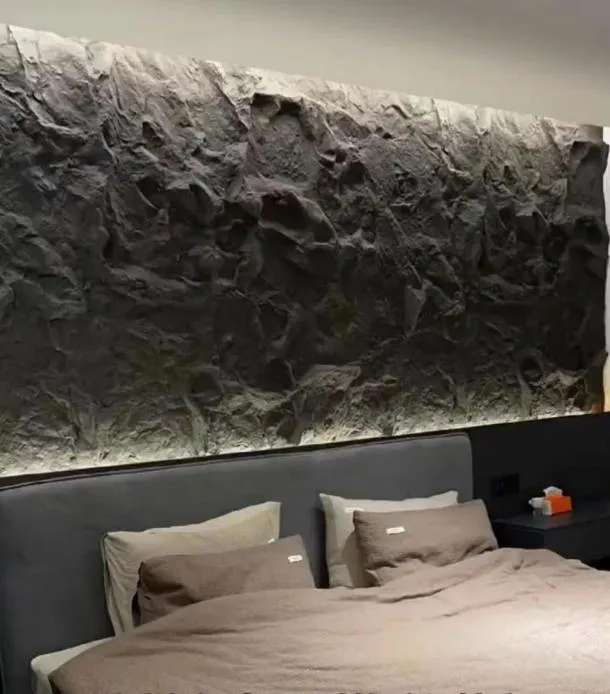
Before diving into the specifics of PU stone wall panels, it's important to grasp what LEED certification actually entails. LEED evaluates buildings across several key categories, each designed to address different aspects of sustainability. These categories include:
To earn LEED certification, a project must accumulate points across these categories, with higher point totals leading to higher certification levels: Certified, Silver, Gold, or Platinum. For materials like wall panels, the MR and IEQ categories are particularly critical. LEED favors materials with high recycled content, low volatile organic compound (VOC) emissions, and long lifespans—all areas where PU stone wall panels excel.
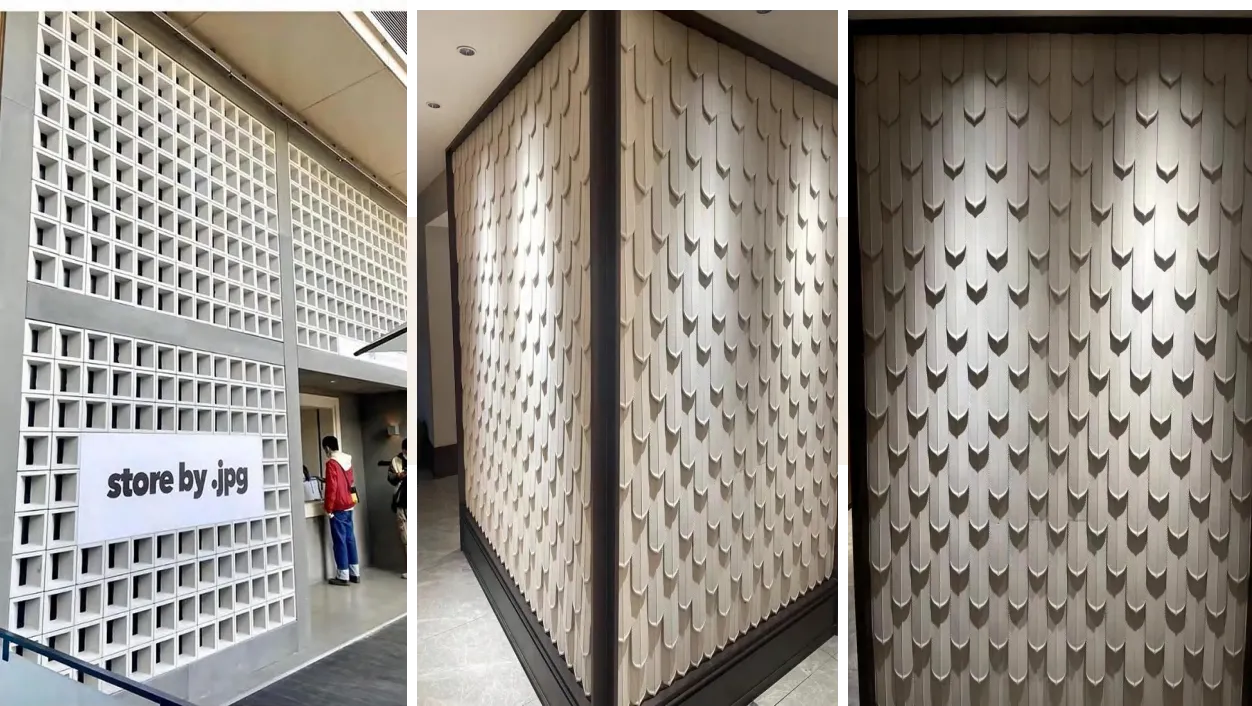
So, what exactly are PU stone wall panels? At their core, they're a lightweight, durable alternative to traditional stone or brick cladding. PU, or polyurethane, is a versatile polymer that's combined with mineral fillers, fiberglass, and other additives to create panels that mimic the look of natural stone—think rugged granite, smooth marble, or rustic limestone—without the weight or environmental drawbacks.
The manufacturing process of PU stone panels is a study in efficiency. Unlike quarried stone, which requires extensive mining and transportation, PU panels are produced in controlled factory settings, minimizing waste and energy use. Many PU stone wall panel suppliers also incorporate recycled materials into their production, such as post-consumer plastic or industrial byproducts, further boosting their sustainability credentials.
But the benefits don't stop at sustainability. PU stone panels are also incredibly practical. Weighing just a fraction of natural stone (often 80-90% lighter), they reduce the structural load on buildings, cutting down on the need for heavy-duty support systems and lowering construction costs. Their flexibility and ease of installation mean projects can be completed faster, with fewer labor hours and less on-site disruption. And because they're resistant to moisture, mold, and UV rays, they maintain their appearance for decades, reducing the need for frequent replacements.
For architects and designers, the aesthetic versatility of PU stone panels is a game-changer. Whether the project calls for a sleek, modern commercial facade or a cozy, rustic residential interior, these panels can be customized in a range of colors, textures, and sizes. This adaptability has made them a favorite for everything from high-rise office buildings to boutique hotels—and a key component of many LEED-focused projects.
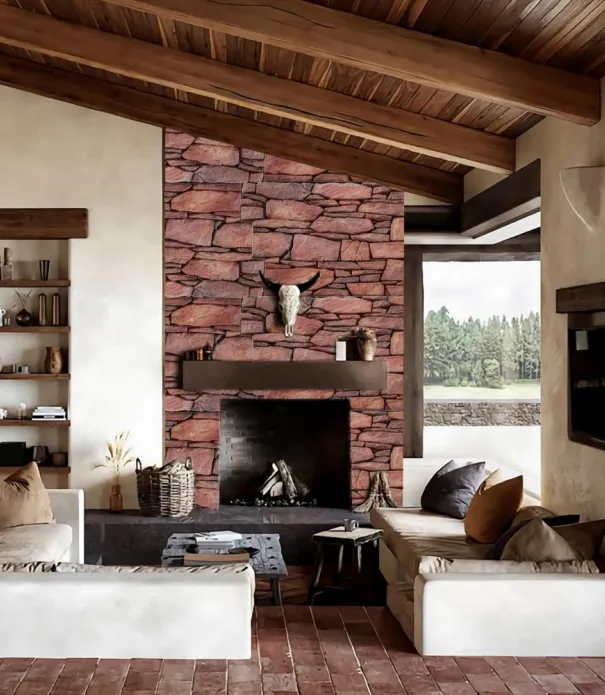
Now, let's connect the dots: how do these innovative panels help projects earn those coveted LEED points? Let's break it down by key LEED categories:
LEED's MR category is all about responsible material sourcing and waste reduction, and PU stone panels deliver on both fronts. Many PU stone wall panel solutions incorporate significant amounts of recycled content—some panels contain up to 40% recycled plastic or mineral waste, which qualifies them for MR credits like "Recycled Content" (MRc4). Additionally, because PU panels are lightweight, transporting them generates fewer emissions than hauling heavy natural stone, which can contribute to credits for "Reduced Transportation Impacts" (MRc2).
Waste reduction is another area where PU panels shine. Traditional stone cladding often results in 20-30% waste during cutting and installation, whereas PU panels are precision-cut in factories, minimizing on-site waste. This aligns with LEED's "Construction Waste Management" credit (MRc5), which rewards projects that divert at least 50% of construction waste from landfills.
Indoor air quality is a top priority for LEED, especially in spaces like schools, hospitals, and offices where people spend most of their time. Traditional wall materials, such as paint or adhesive-backed panels, can release VOCs—harmful chemicals that contribute to "sick building syndrome" and respiratory issues. PU stone panels, however, are manufactured with low-VOC formulations and are free from formaldehyde, making them compliant with LEED's "Low-Emitting Materials" credit (IEQc4). This not only earns points but also creates healthier spaces for occupants.
While wall panels aren't typically thought of as energy-saving features, PU stone panels offer surprising benefits here. Polyurethane is a natural insulator, with a thermal resistance (R-value) that outperforms many traditional cladding materials. When used as exterior cladding, PU panels help reduce heat transfer, keeping buildings cooler in summer and warmer in winter. This lowers reliance on heating and cooling systems, which can contribute to LEED credits for "Optimize Energy Performance" (EAp1)—a major point driver for the certification.
Sustainability isn't just about what a material is made of—it's also about how long it lasts. PU stone panels are designed to withstand the elements: they're resistant to cracking, fading, and moisture damage, with a lifespan of 30+ years. Compare that to traditional paint, which may need repainting every 5-7 years, or vinyl siding, which can warp or crack after a decade. By reducing the need for frequent replacements, PU panels lower the overall lifecycle impact of a building, aligning with LEED's focus on long-term sustainability.
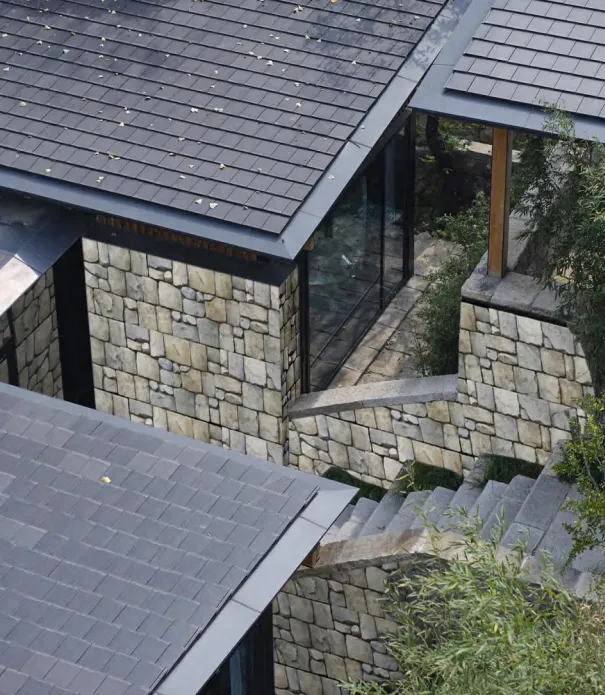
| Material Type | Recycled Content | VOC Emissions | Thermal Insulation (R-Value) | Estimated Lifespan | LEED Credits Most Impacted |
|---|---|---|---|---|---|
| PU Stone Wall Panels | 20-40% | Low (≤0.1 mg/m³) | 2.0-3.5 per inch | 30+ years | MRc4 (Recycled Content), IEQc4 (Low-Emitting Materials), EAp1 (Energy Optimization) |
| Natural Stone (Granite/Marble) | 0% | Low (natural, but high transportation emissions) | 0.05-0.1 per inch | 50+ years (but heavy, high installation waste) | Limited (no recycled content, high lifecycle impact) |
| Vinyl Siding | 5-10% | Moderate (may contain phthalates) | 0.6-1.0 per inch | 15-20 years | MRc4 (minimal), IEQc4 (risk of non-compliance) |
| Traditional Brick | 0-5% | Low | 0.2-0.3 per inch | 100+ years (but heavy, high energy to produce) | Limited (high embodied energy) |
As the table shows, PU stone wall panels outperform traditional materials in key areas that matter for LEED. Their high recycled content, low VOC emissions, and superior insulation properties make them a more sustainable choice for forward-thinking projects.
It's one thing to talk about the benefits of PU stone panels in theory—let's look at how they've performed in real LEED-certified projects. Take the GreenView Office Complex in Riyadh, Saudi Arabia, a 10-story commercial building that earned LEED Gold certification in 2023. The architects chose PU stone wall panels for the exterior cladding, citing their lightweight nature and energy efficiency. By using panels with 35% recycled content, the project earned 2 points under MRc4, and their superior insulation properties contributed to a 15% reduction in heating and cooling costs, helping secure additional EA credits.
Another example is the Serenity Healthcare Clinic in Dubai, which achieved LEED Silver certification in 2024. The clinic prioritized IEQ to create a healing environment for patients, and the PU stone wall panel solutions used in its waiting areas and exam rooms had VOC emissions well below LEED's strict limits. "We wanted materials that were both beautiful and safe," said Dr. Amina Al-Mansoori, the clinic's director. "The PU stone panels gave us the warm, natural look we wanted without compromising on air quality."
These projects demonstrate that PU stone wall panels aren't just a niche product—they're a viable, scalable solution for developers and architects aiming for LEED certification. And as more PU stone wall panel suppliers invest in research and development, we can expect even more innovative formulations, such as panels with higher recycled content or integrated solar-reflective coatings, to further boost LEED point potential.
While PU stone wall panels offer numerous benefits, they're not without challenges. One common concern is upfront cost. PU panels can be 10-15% more expensive than vinyl siding or standard drywall, though this cost is often offset by lower installation labor (due to their light weight) and long-term savings on energy and maintenance. For LEED projects, the investment in PU panels can also be justified by the points they help earn, which can increase a building's market value and attract eco-conscious tenants.
Another consideration is sourcing. Not all PU stone panels are created equal—quality varies widely between manufacturers. To maximize LEED benefits, it's crucial to partner with a reputable PU stone wall panel supplier that can provide third-party certifications for recycled content, VOC emissions, and fire resistance (many PU panels are Class A fire-rated, which is critical for commercial projects). Look for suppliers with ISO 14001 certification, indicating a commitment to environmental management systems.
Finally, design flexibility. While PU panels mimic natural stone well, some architects may prefer the unique veining or texture of real stone. However, advances in printing technology have narrowed this gap: today's PU panels can replicate even the most intricate stone patterns, from the veining of Carrara marble to the roughness of travertine, making them a compelling alternative for most aesthetic needs.
As the construction industry continues to prioritize sustainability, LEED is evolving too. The USGBC regularly updates its standards to reflect new technologies and environmental priorities, with a growing focus on carbon neutrality and circular economy principles. For PU stone wall panels, this means new opportunities to contribute to emerging LEED credits, such as those targeting embodied carbon (the total carbon emissions from a material's production, transportation, and disposal) or circular material use (designing for disassembly and recycling).
One exciting development is the potential for PU panels to be part of a "closed-loop" system. Some suppliers are exploring take-back programs, where old panels are collected, ground down, and reused in new panel production. If scaled, this could make PU stone panels a truly circular material, aligning with LEED's push for a more sustainable materials economy.
Additionally, as the demand for net-zero energy buildings grows, PU panels with enhanced insulation properties will become even more valuable. Imagine a PU panel that not only looks like stone but also integrates thin-film solar cells or phase-change materials to store heat—innovations that could help projects achieve LEED Platinum status while pushing the boundaries of sustainable design.
In the quest for greener buildings, every material choice matters. LEED certification has become a benchmark for excellence, and materials like PU stone wall panels are proving to be indispensable tools in achieving that excellence. With their high recycled content, low VOC emissions, energy-saving insulation, and durability, these panels check all the boxes for LEED's MR, IEQ, and EA categories—all while delivering the timeless beauty of natural stone.
For architects, developers, and building owners, the message is clear: partnering with a trusted PU stone wall panel supplier isn't just about meeting LEED requirements—it's about investing in a building's future. A future where sustainability and aesthetics coexist, where healthy spaces support human well-being, and where every wall tells a story of responsible innovation.
As we build toward that future, PU stone wall panels stand ready to play a leading role—one panel, one LEED credit, one sustainable building at a time.
Recommend Products











