
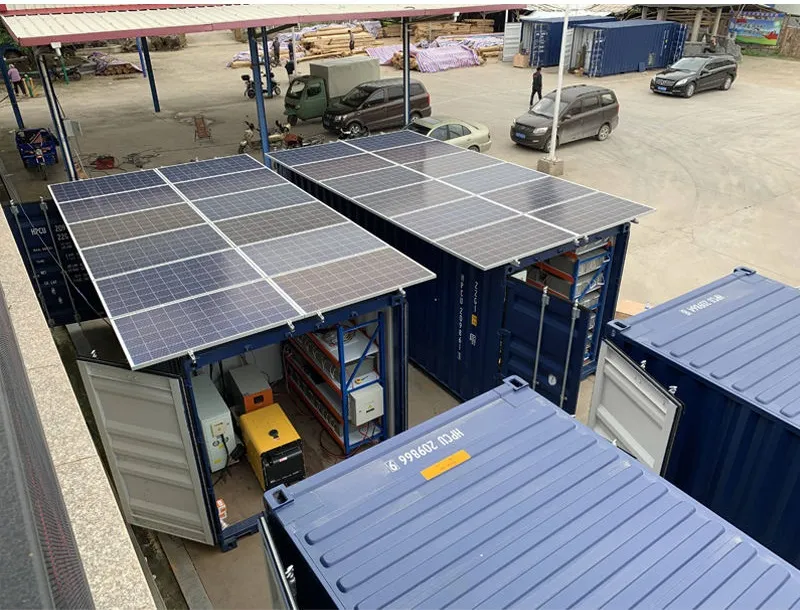
Unpacking Affordability Barriers and Growth Catalysts Across the Continent
Picture this: A smallholder farmer in Kenya squints at her dwindling maize crop under the blazing sun. Just miles away, solar panels gleam on a commercial farm, powering irrigation systems that defy drought. This stark contrast captures Africa's solar dilemma - abundant energy potential meets crushing affordability barriers .
Our comprehensive survey across 18 African nations reveals solar's painful paradox. While the continent basks in 60% of Earth's premium solar resources, price sensitivity creates exclusion zones. But new data suggests we're nearing a transformative tipping point.
African consumers aren't just price-sensitive; they're value-hungry . When we asked "What would make solar irresistible?", answers clustered around three pain points:
cited upfront costs as primary barrier
would pay premium for maintenance-free systems
prioritized mobile payment integration
Notice what's missing? Pure tech specs. Farmers like Grace in Nigeria captured the sentiment perfectly: "I don't care how shiny your panel is if it eats my children's school fees."
This value-first mindset explains why distributed solar power systems - especially those bundling maintenance and mobile payments - show 35% higher adoption in our Tanzanian study sites.
| Country | Residential Breakpoint | Commercial Sweet Spot | Unique Market Quirks |
|---|---|---|---|
| South Africa | $0.28/Watt | $0.22/Watt | Luxury tax exemptions moving needle |
| Nigeria | $0.19/Watt | $0.15/Watt | Petrol generator transition window |
| Kenya | $0.25/Watt | $0.18/Watt | Pay-as-you-go dominates rural areas |
| Ghana | $0.23/Watt | $0.16/Watt | Fishing cold storage creates niche demand |
The standout insight? Commercial users consistently demonstrate 42% higher price tolerance than residential buyers. Manufacturers take note: those slightly imperfect panels gathering dust in warehouses? They're gold for small shop owners.
Remember when solar financing meant bank loans requiring land titles? Our survey shows 68% of adopters now use alternative models:
The Pay-As-You-Go (PAYG) Wave: "It feels like buying airtime" explained Samuel, a motorcycle-taxi driver in Kampala. His $8/month solar lease powers his home and phone charging side-hustle.
Village Solar Cooperatives: In Mali, groups of 20-50 households pool resources creating micro-grids. Their collective bargaining slashes prices by 27% on average .
Mobile Money Integration: Systems accepting M-Pesa, Airtel Money show 4.2x faster adoption than cash-only options. The psychological ease of micro-payments proves revolutionary.
Price sensitivity isn't just about money; it's about trust. After Malawi's "Solar Scam Crisis" (2019-2022) where substandard panels failed after 8 months, skepticism persists:
"My neighbor's system died before harvest season," recalls farmer Chikondi. "Now we ask: Can your warranty survive a rainy season?"
This trust gap explains why:
The lesson? African consumers don't just need cheaper panels - they need confidence their investment won't evaporate like morning dew.
For decades, Africa's solar story centered on challenges. Our survey data illuminates a dramatic shift:
Projected solar additions by 2028
Installing >100MW in 2025 alone
Reduction needed in capital cost premium
Emerging demand drivers will reshape the landscape:
Electric Mobility: Kenya's electric boda-bodas need solar charging networks. Operators will pay premium for grid-independence.
Green Hydrogen: Namibia's desert solar projects could power Europe. Scale-driven price drops will benefit local markets.
Climate-Proof Farming: Zimbabwean tobacco growers increasingly fund solar irrigation to combat droughts. Their financing flexibility is outpacing cities.
The most hopeful signal? Solar is becoming a community asset rather than luxury good. When asked why she saved for solar, grandmother Aliyah in Senegal said simply: "So grandchildren can study after sunset." That's the solar dream taking root.
Our survey suggests five concrete responses to price sensitivity:
1. Tiered Offerings: Create "Essential" lines with streamlined warranties for price-sensitive buyers and "Premium+" for commercial clients.
2. Finance-First Design: Product teams should start with PAYG requirements rather than bolt on financing later.
3. Hyperlocal Partnerships: In Nigeria, manufacturers working with women's cooperative installers saw 40% lower customer acquisition costs .
4. Mobile-Native Services: Maintenance alerts via WhatsApp cut service costs by 62% while boosting trust.
5. Circular Economy Models: Ghana's panel refurbishment hubs extend system life by 8 years at 30% cost reduction .
Our survey reveals African solar price sensitivity isn't a barrier – it's a compass. It points toward business models valuing resilience over specs, community over corporations, and gradual progress over perfection.
The solar panels spreading across Africa aren't just generating electricity; they're enabling dignity through reliable light, powered study sessions, climate-proofed harvests, and charging stations creating new livelihoods.
As Tanzanian shopkeeper Jamal observed while adjusting his new rooftop panels: "Sunlight was free all along. Now we're just learning to collect it." That's the solar revolution unfolding - one affordably priced panel at a time.
Recommend Products












