

In the heart of the Arabian Peninsula, a transformation is underway. Saudi Arabia's Vision 2030 isn't just a roadmap for economic diversification—it's a promise to build cities that thrive, communities that connect, and spaces that reflect both tradition and modernity. From the towering skyscrapers of Riyadh's King Abdullah Financial District to the sustainable coastal developments of Jeddah, and the ambitious smart city of NEOM, every project tells a story of progress. But behind these stories lies a critical foundation: the building materials that turn blueprints into reality.
Today, the demand for construction materials in Saudi Arabia is soaring. Urbanization rates are accelerating, with over 80% of the population now living in cities. This growth brings with it a need for materials that don't just meet basic structural requirements but elevate them—materials that are durable enough to withstand the kingdom's harsh climate, sustainable enough to align with global green goals, and versatile enough to bring architects' boldest visions to life. For developers, contractors, and local communities, the choice of building materials isn't just a practical decision; it's a commitment to the future Saudi Arabia is building.
Among the materials leading this charge are MCM flexible cladding stone wall panels. More than just a building product, these panels represent a solution tailored to the unique needs of Saudi projects—blending durability, aesthetics, and sustainability in a way that supports Vision 2030's pillars of growth, sustainability, and quality of life. Let's explore how MCM panels, alongside other innovative building solutions, are becoming the backbone of Saudi Arabia's construction revolution.
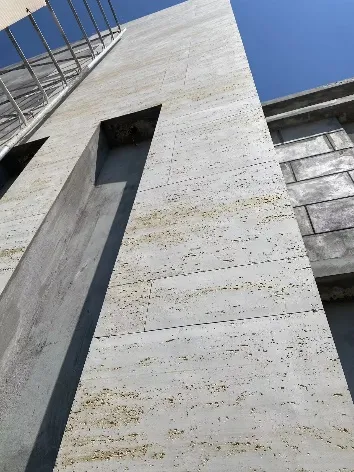
Saudi Arabia's climate is as unforgiving as it is beautiful. Summer temperatures often exceed 45°C (113°F), while sandstorms—driven by strong winds—can scour building exteriors for hours. In coastal areas like Jeddah, humidity and salt-laden air add another layer of wear and tear. For building materials, this means survival isn't optional; it's a prerequisite.
Traditional cladding materials, while once the norm, often fall short. Natural stone, for example, is heavy and prone to cracking under thermal expansion. Brick, though durable, lacks the design flexibility needed for modern architectural façade solutions. Wood-based panels, meanwhile, struggle with moisture and pest resistance, making them impractical for long-term use. Add to this the growing focus on fire safety—especially in commercial and public spaces like hospitals and schools—and it's clear: the status quo won't cut it for Vision 2030.
Developers and architects are also under pressure to deliver projects faster and more cost-effectively. With deadlines tied to Vision 2030's milestones, delays due to material shortages or complex installation processes can derail progress. As a commercial building materials supplier operating in Saudi Arabia, we've seen firsthand how the right materials can turn these challenges into opportunities—saving time, reducing maintenance costs, and ensuring projects stand the test of time.
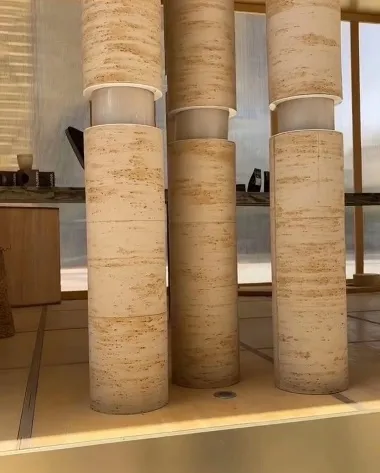
MCM, or Metal Composite Material, flexible cladding stone wall panels are a modern take on traditional stone cladding. They're crafted by bonding natural stone aggregates—like granite or marble—with a lightweight, flexible polymer core. The result? A panel that looks and feels like natural stone but weighs up to 70% less, bends without breaking, and installs in a fraction of the time. Think of them as the best of both worlds: the timeless beauty of stone, with the practicality of modern engineering.
Durability That Defies the Elements : In Riyadh's scorching heat or Dammam's coastal humidity, MCM panels stand strong. Their polymer core resists thermal expansion, meaning no cracking or warping even when temperatures swing from day to night. The stone aggregate layer, treated with UV-resistant coatings, retains its color and texture, even after years of sun exposure. Sandstorms? The panels' smooth, non-porous surface makes cleaning a breeze—no more permanent scratches or stains.
Lightweight and Easy to Install : Traditional stone cladding requires heavy machinery and skilled labor to lift and secure. MCM panels, by contrast, weigh just 4-6 kg per square meter, making them easy to handle on-site. Their flexibility also allows for curved and irregular surfaces—ideal for the bold, futuristic designs seen in projects like NEOM's The Line. For contractors, this translates to faster installation times: a team can clad an entire commercial building façade in weeks, not months.
Sustainability at Its Core : Vision 2030 isn't just about growth—it's about green growth. MCM panels align with this by using recycled stone aggregates and low-VOC (volatile organic compound) adhesives, reducing their carbon footprint. Their lightweight nature also cuts down on transportation emissions, while their longevity means fewer replacements over a building's lifetime. For residential building materials supplier partners, this sustainability edge is a selling point for eco-conscious homeowners and developers alike.
Design Freedom for Every Project : Whether it's a luxury hotel in Riyadh needing a sleek, modern look or a heritage restoration in Diriyah aiming to preserve traditional Saudi architecture, MCM panels deliver. They come in a range of finishes—from polished marble to rustic slate—and can be custom-colored to match any design palette. For whole-house customization projects, this means consistency across interiors and exteriors, creating a cohesive aesthetic that feels intentional and refined.
| Material | Weight (kg/m²) | Installation Time | Weather Resistance | Fire Rating | Design Flexibility |
|---|---|---|---|---|---|
| MCM Flexible Cladding Stone Wall Panels | 4-6 | Fast (weeks for large façades) | Excellent (heat, sand, salt, humidity) | Class A (meets Saudi building codes) | High (curved surfaces, custom colors/finishes) |
| Natural Granite Stone | 25-30 | Slow (requires heavy machinery) | Good (prone to thermal cracking) | Class A | Low (limited to flat/straight surfaces) |
| PU Stone Wall Panels | 8-10 | Moderate | Good (less UV resistance than MCM) | Class B | Moderate (some flexibility) |
| WPC Wall Panels | 12-15 | Moderate | Poor (moisture and heat damage over time) | Class C | Moderate (wood grain finishes only) |
The table above tells a clear story: MCM panels outperform traditional and alternative cladding materials in nearly every category that matters for Saudi projects. Their lightweight design reduces structural stress on buildings, their fire rating meets the strictest safety standards, and their weather resistance ensures they'll look new for decades. For a residential building materials supplier or commercial developer, this isn't just a material choice—it's a long-term investment in quality.

While MCM panels shine in exterior applications, their impact doesn't stop at the façade. As a one-stop architectural solution provider, we've seen how integrating MCM with complementary products creates truly cohesive spaces. For example, in residential projects, pairing MCM exterior cladding with bamboo charcoal board wall panels for interiors adds a layer of functionality: bamboo charcoal boards absorb odors and regulate humidity, creating healthier living environments. In commercial settings like shopping malls, combining MCM façades with porcelain slab tile for wall interiors delivers a seamless transition from outside to in, enhancing the customer experience.
This holistic approach—what we call whole-house customization—aligns perfectly with Vision 2030's focus on quality of life. Imagine a family in a new Riyadh suburb: their home's exterior is clad in MCM panels that stay cool in the summer, reducing AC costs. Inside, bamboo charcoal board walls keep the air fresh, and Class A fireproof CPL inorganic board in the kitchen ensures safety. Down the street, the local school uses the same fireproof panels, giving parents peace of mind. This isn't just building—it's creating communities where every detail is designed for people.
"We recently completed a residential complex in Jeddah using MCM panels and bamboo charcoal boards. The feedback from homeowners has been incredible—they love how the exterior stands up to the humidity, and the interiors feel so fresh. It's projects like these that make me proud to be part of Saudi's growth story." — Ahmed Al-Mansoori, Project Manager at a leading Saudi construction firm
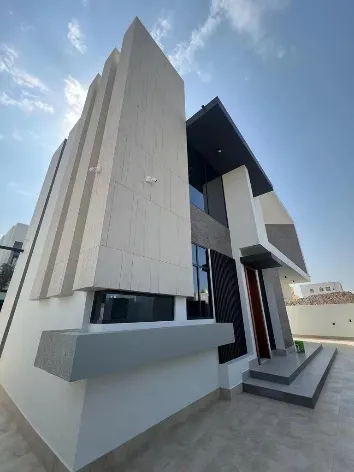
Vision 2030 isn't just about buildings—it's about building local capacity. As a Saudi Arabia building materials supplier, we're committed to partnering with local manufacturers, contractors, and artisans. This isn't just good business; it's how we ensure projects are delivered on time, with deep knowledge of local conditions. By training Saudi workers in MCM installation techniques, we're creating jobs and skills that will drive the industry for decades.
Take, for example, our recent collaboration with a Riyadh-based contractor on a commercial plaza. By co-developing a custom MCM panel color inspired by Saudi desert landscapes, we not only supported local design talent but also created a product that resonates emotionally with the community. The plaza, now a hub for shoppers and workers, has become a symbol of how global innovation and local culture can come together—exactly the kind of synergy Vision 2030 aims to foster.
As Saudi Arabia marches toward 2030, the demand for innovative building materials will only grow. With projects like NEOM's floating industrial complex and the Qiddiya entertainment city on the horizon, the need for lightweight, durable, and sustainable cladding solutions will be more critical than ever. MCM flexible cladding stone wall panels, with their proven track record in harsh environments and alignment with green goals, are poised to be at the forefront of this journey.
But it's not just about the panels themselves. It's about the vision they represent: a Saudi Arabia where buildings are more than structures—they're testaments to progress, sustainability, and community. A country where every new development tells a story of resilience, innovation, and pride.
For us, supporting Vision 2030 isn't a tagline; it's a promise. Whether we're supplying MCM panels for a skyscraper in Riyadh or bamboo charcoal boards for a family home in Dammam, we're committed to materials that build not just for today, but for the Saudi Arabia of 2030 and beyond. Because in the end, it's not about the walls we clad—it's about the futures we help create.
Recommend Products











