

In a world where the race to net-zero carbon emissions is more urgent than ever, the construction industry stands at a critical crossroads. Buildings account for nearly 40% of global carbon emissions, from material production to construction and operation. This is where innovative solutions like Wood-Plastic Composite (WPC) wall panels step in—not just as building materials, but as catalysts for change. For companies committed to sustainability, choosing the right wpc wall panel supplier isn't just a business decision; it's a promise to the planet. Today, we're diving into how Coloria, a leading one-stop architectural solution provider , is pioneering the shift toward greener construction with its WPC wall panels, aligning with global carbon neutrality goals and redefining what it means to build responsibly.
Let's start with the basics: What makes WPC wall panels so special? Unlike traditional building materials that rely heavily on virgin resources, WPC panels are a blend of recycled plastic (think: plastic bottles, packaging waste) and wood fibers (often from sawmill scraps or agricultural byproducts). This unique composition does two crucial things: it diverts waste from landfills and reduces the need for logging, directly cutting down on deforestation. For builders and developers, this isn't just "greenwashing"—it's tangible action toward carbon neutrality.
But sustainability isn't the only selling point. WPC panels are built to last, even in harsh environments. Anyone who's worked in construction knows the headaches of rotting wood, warping PVC, or termite-infested walls. WPC solves these problems with its inherent resistance to moisture, pests, and decay. In regions like the Middle East, where high temperatures and humidity can wreak havoc on building materials, this durability isn't just a bonus—it's a necessity. Imagine installing wall panels that don't require constant repainting, sealing, or replacement. That's the WPC difference: long-lasting performance that reduces maintenance costs and, in turn, the carbon footprint of upkeep over a building's lifetime.
| Feature | Traditional Wood Panels | PVC Panels | Coloria WPC Wall Panels |
|---|---|---|---|
| Sustainability | High deforestation impact; limited recyclability | Made from virgin plastic; non-biodegradable | Up to 70% recycled materials; low carbon production |
| Durability | Prone to rot, warping, and pests | Brittle in extreme heat; fades over time | Waterproof, termite-proof, UV-resistant (15+ year lifespan) |
| Installation | Heavy; requires specialized tools | Lightweight but rigid; limited flexibility | Lightweight, modular design; DIY-friendly options |
| Aesthetics | Natural look but limited finishes | Plastic-like appearance; few texture options | Realistic wood, stone, or concrete textures; customizable colors |
And let's not forget design flexibility. WPC panels come in a range of finishes—from warm oak (wood grain) to sleek marble effects—that mimic natural materials without the environmental cost. Whether you're designing a cozy residential interior or a modern commercial façade, these panels adapt to your vision. For architects, this means no compromise between sustainability and style. You can create a rustic café interior with wood-look WPC walls or a futuristic office exterior with stone-textured panels, all while staying true to green building goals.
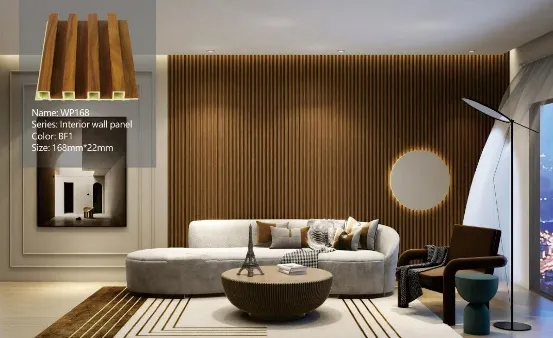
Now, you might be thinking, "There are plenty of WPC suppliers out there. What makes Coloria stand out?" Here's the thing: Coloria isn't just a wpc wall panel supplier —it's a one-stop architectural solution provider . That means when you work with Coloria, you're not just getting panels; you're getting a team that understands the full lifecycle of your project, from design to delivery. Let's break down why this matters for sustainability and efficiency.
With decades of experience in the Middle East and a dedicated agency in Saudi Arabia, Coloria knows the region's unique challenges. Building in Riyadh or Jeddah isn't the same as building in Europe or Asia. Local climate conditions, regulatory requirements, and even cultural design preferences all play a role. Coloria's regional presence means faster response times, better inventory management, and materials tailored to local needs. For example, their WPC panels are engineered to withstand Saudi Arabia's scorching summers (temperatures often exceeding 45°C) without fading or warping. This local insight reduces the risk of project delays and ensures that your sustainable choices don't compromise on performance.
Sustainability works best when it's integrated, not isolated. Coloria's strength lies in its ability to pair WPC wall panels with other green building materials from its 14 product lines. Need solar panels for the roof? They've got you. Energy-efficient lighting for the interior? Check. Eco-friendly kitchen appliances for a commercial project? Absolutely. This "one-stop shop" approach means you can coordinate your entire project's sustainability goals under one roof, avoiding the hassle of juggling multiple suppliers and ensuring consistency in your green credentials.
Take, for example, a residential development aiming for LEED certification. By choosing Coloria's WPC wall panels, solar solutions, and low-VOC paints, the developer can earn points across multiple categories: materials and resources, energy efficiency, and indoor environmental quality. It's a streamlined path to sustainability that saves time, money, and carbon emissions from shipping materials from different vendors.
Coloria doesn't just sell WPC panels—it invests in making them better. Their manufacturing process uses low-energy extrusion techniques and recycled water, cutting down on both energy and water waste. Even the packaging is eco-friendly, using minimal plastic and recyclable materials. The result? A product with a carbon footprint up to 40% lower than traditional wall panels, according to third-party lifecycle assessments.
But innovation isn't just about production. Coloria's WPC panels are designed for easy installation, too. Their lightweight, interlocking design means fewer workers on-site and faster project timelines. Less labor and shorter construction periods translate to lower energy use (think: fewer diesel generators, less equipment running) and reduced emissions from construction activities. It's a ripple effect that amplifies the panels' sustainability impact.
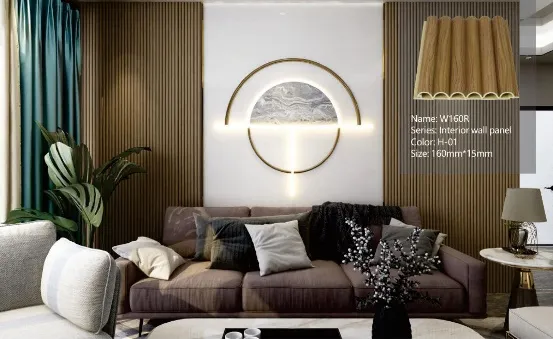
Let's get concrete with real-world applications. How are builders actually using Coloria's WPC wall panels? The answer: everywhere. From cozy family homes to sprawling commercial complexes, these panels are proving their versatility.
In Riyadh, a recent residential development called "Green Oasis" chose Coloria's WPC panels for both interior and exterior walls. The developer wanted homes that felt warm and inviting (thanks to the wood-like finish) but could stand up to Saudi Arabia's dusty winds and occasional sandstorms. The result? Homes with lower cooling costs (WPC's insulating properties help regulate indoor temperatures) and happy homeowners who don't have to worry about repainting exteriors every few years. One resident, a mother of two, put it best: "I love that our walls look like real wood, but I don't have to stress about the kids scratching them or moisture ruining the paint. It's practical and pretty—plus, I feel good knowing we're using something eco-friendly."
Commercial projects have different needs—high foot traffic, constant use, and the need to maintain a professional appearance. That's why a popular chain of cafes in Dubai opted for Coloria's WPC wall panels in their dining areas. The panels' scratch-resistant surface handles chairs scraping against walls and spills from coffee cups, while their natural stone texture adds a touch of elegance. The café owner noted, "We used to repaint our walls every six months because of stains and scuffs. With WPC, we haven't needed to touch them in over a year. It's saved us time, money, and the hassle of closing during renovations."
Saudi Arabia's Vision 2030 isn't just a government initiative—it's a call to action for businesses to prioritize sustainability and local development. Coloria is answering that call by sourcing materials locally where possible, creating jobs for Saudi workers, and aligning its product line with the vision's goals of reducing carbon emissions and promoting a circular economy. Their WPC panels, for instance, are part of a broader strategy to make the construction sector more sustainable, supporting the kingdom's target of reaching net-zero by 2060.
One notable project is a mixed-use development in Jeddah that aims to be a model of green living. The project uses Coloria's WPC panels for exterior cladding, paired with solar panels and energy-efficient elevators—all supplied by Coloria. By choosing a one-stop provider, the developers reduced their carbon footprint by minimizing transportation (materials were shipped from Coloria's local warehouse) and ensured that every component worked together seamlessly. It's a prime example of how whole-house customization solutions can drive large-scale sustainability.
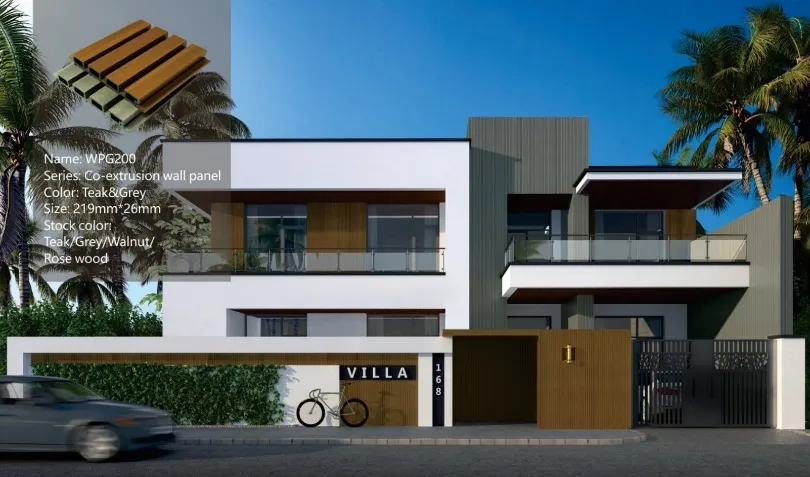
At this point, you might be wondering: "How do I know Coloria is the right partner for my project?" Let's cut through the noise and focus on what really matters: trust, reliability, and a shared commitment to sustainability.
With decades of experience in the region, Coloria isn't just dropping into the Middle East to sell products—they're invested in its growth. Their Saudi Arabian agency means they understand local regulations, building codes, and market needs. This local presence translates to faster delivery times, better customer support, and a deep knowledge of what works (and what doesn't) in the region's unique climate. When you partner with Coloria, you're not getting a generic solution—you're getting a product tailored to the Middle East.
Sustainability doesn't mean sacrificing quality. Coloria's WPC panels undergo rigorous testing to meet international standards, including Class A fire resistance (critical for commercial buildings), low formaldehyde emissions (for healthier indoor air), and impact resistance (to handle daily wear and tear). For hospitals and schools, where safety is paramount, they even offer specialized panels like Class A fireproof CPL inorganic boards—proving that sustainability and safety can go hand in hand.
Construction projects are stressful enough without worrying about your material supplier. Coloria's team doesn't just sell you panels and disappear—they work with you from the design phase to post-installation. Need help choosing the right finish for your project? Their design consultants are there. Have a question about installation? Their technical support team is a phone call away. It's this level of partnership that turns first-time clients into repeat customers.
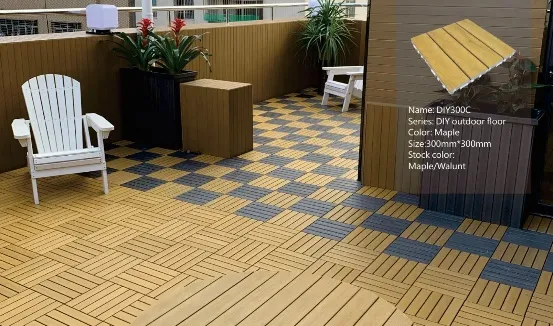
The construction industry has a huge role to play in the fight against climate change. Every choice—from the materials we use to the suppliers we partner with—shapes the future of our planet. Coloria's WPC wall panels aren't just a product; they're a statement that sustainability and performance can coexist. They're proof that you don't have to choose between building something beautiful, durable, and eco-friendly.
Whether you're a small-scale builder working on a residential renovation or a large developer planning a commercial complex, the shift to sustainable materials like WPC is a step in the right direction. And with Coloria as your one-stop architectural solution provider , that step doesn't have to be a leap into the unknown. You'll have the support, expertise, and products you need to build greener, smarter, and more responsibly.
So let's build something better—together. A world where buildings don't just house us, but nurture the planet. A world where sustainability isn't an afterthought, but the foundation of every project. With Coloria's WPC wall panels, that world isn't just a vision—it's within reach. Start your sustainable building journey today, and be part of the solution for carbon neutrality.
Recommend Products











