Sun Rooms: The Ultimate Guide to Adding Light, Space, and Value to Your Property
Discover how a well-designed sun room can transform your living or commercial space — from key benefits and material choices to finding the right supplier for your project.
Natural light has a profound effect on how we experience a space. It lifts moods, enhances architectural details, and creates an inviting atmosphere that artificial lighting simply cannot replicate. A sun room — sometimes called a solarium, conservatory, or sunroom — is one of the most effective ways to bring the outdoors inside while maintaining full protection from the elements. Whether you are planning a residential extension, a hotel lounge area, or a commercial relaxation zone, a professionally designed sun room can dramatically elevate the appeal and functionality of any property. For project developers, contractors, and property owners seeking a reliable
sun room supplier, understanding the key considerations before making a purchase is essential to achieving a successful outcome.
What Is a Sun Room?
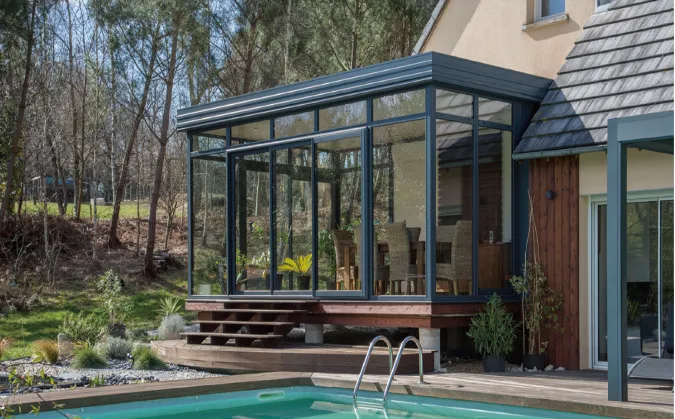
A sun room is a structure predominantly enclosed with glass panels and framed with aluminum, steel, or wood, designed to maximize exposure to natural sunlight while providing shelter from wind, rain, and temperature extremes. Modern sun rooms come in several configurations, ranging from lightweight three-season enclosures to fully insulated four-season additions that can be used year-round in any climate.
The primary types include attached sun rooms that extend from an existing building, freestanding garden rooms positioned independently on a property, and conservatory-style structures with full glass roofs for an immersive outdoor feel. Each type serves different functional and aesthetic purposes, and the right choice depends on the intended use, local climate conditions, and the architectural style of the surrounding building.
Key Benefits of Adding a Sun Room
Investing in a sun room delivers multiple advantages that go well beyond aesthetics. First and foremost, a sun room increases usable square footage without the cost and complexity of a traditional brick-and-mortar extension. Homeowners gain a versatile space that can function as a reading nook, dining area, home office, or indoor garden — all bathed in natural light.
For commercial properties such as hotels, restaurants, and resorts, a sun room creates a premium guest experience. Diners enjoy meals surrounded by garden views, and hotel guests appreciate a tranquil lounge area that connects them to the outdoors. From a real estate perspective, a well-built sun room consistently adds measurable value to a property, making it a smart long-term investment for developers and homeowners alike.
Energy efficiency is another often-overlooked benefit. Modern sun rooms built with insulated glass and thermally broken aluminum frames can contribute to passive solar heating during cooler months, reducing overall energy consumption. When paired with appropriate shading solutions, they also help regulate indoor temperatures during summer.
Material Selection: The Foundation of a Quality Sun Room
The longevity and performance of a sun room depend heavily on the materials used in its construction. The frame is the backbone of the structure, and the three most common materials each have distinct characteristics. Aluminum frames are lightweight, corrosion-resistant, and require minimal maintenance — making them the most popular choice for modern sun rooms. Steel frames offer superior strength for larger spans but require protective coatings to prevent rust. Wood frames provide a classic, warm aesthetic but demand regular upkeep to withstand weather exposure.
Glass selection is equally critical. Single-pane glass is suitable only for three-season rooms in mild climates, while double-pane or triple-pane insulated glass units (IGUs) are essential for year-round use. Low-E (low-emissivity) coatings further enhance thermal performance by reflecting heat back into the room during winter and blocking excessive solar gain during summer. Tempered or laminated safety glass should be specified for overhead glazing and low-level panels to meet building safety codes.
Roofing options also influence both cost and functionality. Solid insulated roofs blend seamlessly with existing architecture and provide superior thermal performance. Glass roofs, while more expensive, create a dramatic visual impact and maximize natural light. The decision between these options should be guided by the intended use of the space and the local climate.
How to Choose the Right Sun Room for Your Project
Selecting the right sun room involves evaluating several interrelated factors. Begin by defining the primary purpose of the space — will it be a casual lounge, a formal dining extension, or a commercial guest area? The intended use directly influences size requirements, furniture layout, and heating or cooling needs.
Next, assess the site conditions. The orientation of the sun room relative to the sun's path affects natural light levels and thermal gain throughout the day. South-facing rooms in the northern hemisphere receive the most sunlight, while east-facing rooms capture gentle morning light. The existing foundation, drainage patterns, and proximity to utilities must also be evaluated by a qualified professional before construction begins.
Building codes and permit requirements vary by region and should never be overlooked. A reputable supplier will have experience navigating international building standards and can provide documentation to support permit applications. For large-scale commercial or multi-unit residential projects, working with a
windows & doors supplier that offers comprehensive project support — from design drawings to installation guidance — can significantly streamline the procurement process.
Why Source from a One-Stop Architectural Solution Provider
Procuring a sun room often involves coordinating multiple product categories — aluminum frames, glass panels, roofing materials, doors, flooring, and sometimes electrical fixtures and lighting. Managing these components through separate suppliers creates logistical complexity, increases the risk of compatibility issues, and drives up overall project costs.
Partnering with a
one-stop architectural solution provider eliminates these challenges. A single-source supplier can deliver all the materials needed for a sun room project — from the structural frame and glazing to complementary products such as flooring, decorative profiles, lighting, and even furniture. This integrated approach ensures consistent quality across all components, simplifies logistics and customs clearance for international shipments, and provides a single point of accountability throughout the project lifecycle.
COLORIA GROUP, headquartered in Foshan, China, is a comprehensive building materials supplier with 13 product categories covering over 560 products. From sun rooms and window systems to flooring, lighting, and customized furniture, the company provides end-to-end solutions for residential and commercial projects worldwide, with a dedicated agent network in Saudi Arabia serving the Middle East market.
Customization and Design Flexibility
One of the greatest advantages of sourcing from an experienced supplier is the ability to customize every aspect of the sun room. Frame colors can be powder-coated to match existing architectural elements. Glass types can be specified according to climate requirements — clear, tinted, reflective, or low-E coated. Door configurations can be chosen from a range of options including sliding doors, swing doors, and bi-fold systems that open the entire wall to the outdoors.
Beyond the core structure, a comprehensive supplier can coordinate complementary interior elements such as flooring materials, decorative wall profiles, window treatments, and lighting fixtures — all sourced from a single partner. This level of coordination is particularly valuable for hotel projects, resort developments, and upscale residential communities where design consistency across multiple units is paramount.
Quality Indicators to Look For in a Sun Room Supplier
When evaluating potential suppliers, several quality indicators can help distinguish reliable partners from the rest. Look for suppliers that provide detailed product specifications, including frame material grades, glass thermal performance data (U-value and Solar Heat Gain Coefficient), and wind load resistance ratings. Documentation of compliance with international standards such as ISO, ASTM, or EN certifications demonstrates a commitment to quality control.
A supplier's project portfolio is another valuable reference point. Reviewing completed projects — particularly those in climates similar to your own — provides insight into real-world performance and aesthetic versatility. Client testimonials, case studies, and the availability of sample kits for physical inspection all contribute to a more informed purchasing decision.
Communication and after-sales support should not be underestimated. A professional supplier will assign a dedicated project manager, provide clear timelines for production and shipping, and offer installation guidance or on-site supervision if required. For international buyers, experience with export documentation, container loading optimization, and customs clearance procedures is a critical advantage that reduces delays and unexpected costs.
Installation and Project Timeline Considerations
A typical sun room project progresses through several distinct phases: design consultation and specification, site preparation and foundation work, manufacturing and quality inspection, shipping and delivery, and finally on-site assembly and finishing. The total timeline can range from 6 to 16 weeks depending on the complexity of the design, the size of the structure, and the shipping distance.
Proper site preparation is essential for a smooth installation. The foundation must be level, properly drained, and built to support the weight of the structure. For projects in regions with freeze-thaw cycles, footings must extend below the frost line. Electrical conduits, if needed for lighting or heating units, should be roughed in before the sun room frame is erected. A supplier that provides detailed installation manuals and pre-installation checklists can help contractors avoid common pitfalls and keep the project on schedule.
Bring Your Vision to Life with COLORIA GROUP
A sun room is more than an architectural addition — it is an investment in lifestyle, property value, and the way people experience space. Whether you are developing a residential community, outfitting a hotel, or enhancing your own home, choosing the right supplier is the single most important decision you will make.
COLORIA GROUP brings together industry expertise, a comprehensive product portfolio, and a global service network to deliver sun room solutions that meet the highest standards of quality, design, and performance. From initial consultation to final installation, our team is committed to making your project a success. Contact us today to discuss your requirements and request a customized quotation.