
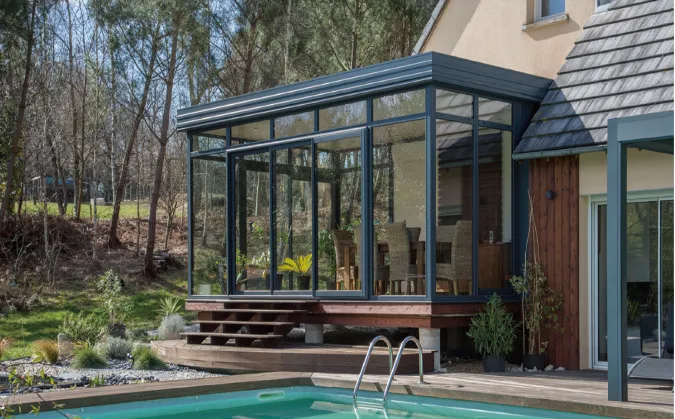
Ever wonder why your sunroom floods after heavy rain? Or why that odd gurgling sound comes from your drains every spring? Drainage systems are the silent guardians of our living spaces—out of sight, out of mind, until they fail. This guide takes you deep into the underground maze of pipes beneath your sunroom. We'll uncover why clogs happen, explore state-of-the-art municipal drainage pipeline system solutions that professionals use, and reveal DIY-safe tactics to keep water flowing freely. No jargon—just practical insights on keeping your sunny sanctuary dry and worry-free.
Imagine tiny robots mapping your pipes. Pipe inspection robots like CCTV crawlers do exactly this! They venture into pipes equipped with waterproof cameras and LED lights, identifying cracks, tree root invasions, or calcified sludge buildup. Operators remotely track the live feed, creating a real-time "maintenance map" of problem zones.
For sunroom drains—often narrow and hard to access—robots are game-changers. In a recent Minneapolis case, a robotic scan identified a collapsed pipe segment beneath a conservatory in just 20 minutes. Workers bypassed unnecessary excavations by targeting only that specific spot.
Pros: Pinpoints exact damage locations, reduces excavation costs, detects early wear-and-tear.
Cons: Limited in heavily blocked pipes; high upfront equipment costs for homeowners.
Think of this as power-washing your pipes from the inside. High-pressure water jetting systems blast water at up to 70 MPa pressure through specialized nozzles. Like an underwater firehose, it pulverizes grease clumps, mineral deposits, and organic debris without damaging PVC or metal pipes.
The magic lies in nozzle design. Recent CFD simulations reveal that optimized nozzles like Type C (13° contraction angle + 2.5 length-diameter ratio) boost efficiency by 40% compared to older models. This means faster cleanings and less water waste—a win for eco-conscious sunroom owners.
Real-World Fix: After Florida storm season, an Orlando sunroom's PVC pipes were choked with sand and palm debris. Hydro-jetting cleared 150 ft of lines in 90 minutes using adaptive rotating nozzles—no digging required.
Pros: Deep-cleans irregular pipe surfaces, eco-friendly (no chemicals), handles stubborn blockages.
Cons: Requires skilled operation to avoid pipe damage; not ideal for eroded/weak pipes.
Cutting-edge solutions marry mechanical action with smart tech. Modern dredgers like self-rotating 3-legged crawlers combine water jets with flexible "sludge-hammer" attachments that pound calcified deposits loose. These bots crawl through pipes autonomously while sensors relay pipe integrity data to operators.
For seasonal sunrooms, this combo prevents winter freeze damage. As temperatures drop, sensors trigger automated flushing cycles to purge sediment before ice forms—saving costly spring repairs.
Pros: Prevents buildup proactively, works in pipes as small as 400mm, reduces manual labor risks.
Cons: High investment; specialized training needed; bulkier units struggle in tight bends.
From Reactive to Proactive: A Seattle botanical garden transformed its sunroom drainage by installing acoustic monitors that "listen" for flow changes. When slowdowns occur, AI maps blockages and dispatches micro-robots for spot-cleaning. Maintenance costs dropped 62% in one year.
Ready to safeguard your sunroom? Start with these steps:
The Final Word : While hidden pipelines stay out of sight, they shouldn't be out of mind. By embracing modern solutions like smart mapping and adaptive dredgers, your sunroom drainage becomes a silent powerhouse—not a spring flooding disaster waiting to happen. Water woes are preventable. Act like rainwater depends on it!
Recommend Products












