
Imagine walking into a bustling workplace canteen during lunch rush hour. The clatter of trays, the hum of conversation, and that unmistakable aroma of freshly prepared meals filling the air. At the heart of this hive of activity? A well-equipped kitchen that operates like a finely tuned orchestra. For facilities managers and kitchen designers, creating this seamless experience starts with one critical decision: choosing the right heavy-duty appliances.
Today we'll explore the three backbone appliances that make or break any staff cafeteria kitchen - refrigeration units that keep ingredients crisp and safe, stoves that handle marathon cooking sessions, and range hoods that maintain air quality. Let's dive into the practical realities that transform industrial specs into kitchens that hum with efficiency.
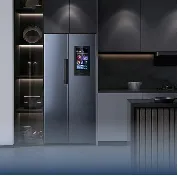
Food storage isn't just about having space - it's about intelligent space. When catering to hundreds or thousands daily, your refrigerator becomes the central nervous system of the entire operation.
Consider how chef Maria from a corporate campus kitchen describes her reality: "We need storage depth for bulk ingredients, but also easy grab-and-go access during peak hours. Our walk-in has two sections - bulk storage behind glass doors and prep stations with under-counter fridges at eye level." This zoning approach eliminates time wasted hunting for ingredients during lunch rushes.
Look for compartmentalized cold rooms with:
An operations manager from a manufacturing plant shares: "We once lost $3,000 worth of ingredients because a fridge thermostat failed overnight. Now all units have cloud-connected sensors that alert our phones if temperatures drift."
Prioritize systems with:
The ability to access temperature logs also simplifies compliance checks and reduces inventory surprises.
The ideal staff kitchen stove isn't just robust—it's a productivity multiplier designed for cooking marathons.
Chef Arun, who oversees meal prep at a hospital staff canteen, explains: "When cooking 200 chicken breasts simultaneously, hotspots aren't just annoying—they create food safety issues and uneven cooking. Our new induction ranges with precision control rings have cut cooking times by 20%."
Look for stoves with:
Consider modular cooktops that mix gas burners (ideal for wok cooking) with induction surfaces. This hybrid approach offers flexibility without requiring multiple appliance footprints.
A ventilation system is one of those things you only notice when it fails. When working properly, it creates an environment where cooks can breathe comfortably and smoke never reaches the dining area.
The formula is simpler than most realize:
(Total BTUs of Cooking Equipment) ÷ 100 = Minimum CFM Rating
But facilities manager Leo warns: "This gives you the bare minimum. For heavy frying operations or charcoal grills, add at least 25% buffer. Our mistake? We sized exactly to requirements and had to retrofit bigger units after smoke lingered during peak hours."
Mesh filters catch grease effectively but need daily cleaning. Baffle filters, with their zig-zag channels, are more forgiving for high-volume kitchens. As cleaning supervisor Nina notes: "With mesh filters, we had weekly cleaning deep dives. Switching to baffle filters let us shift to monthly deep cleans with daily wipe-downs."
Include a ventilation system maintenance clause in your equipment contracts. The keyword mentioned here blends naturally into professional kitchen discussions without special formatting.
Appliances don't operate in isolation. The magic happens when they function as a unified system.
A well-designed kitchen reduces steps between appliances. Position refrigeration units directly adjacent to prep stations, which then feed into cooking zones that connect to plating areas. This continuous flow prevents bottlenecks and reduces unnecessary motion.
Cooking equipment can reach 85 decibels—like constant city traffic. Facilities planner Mei shares: "We placed compressors for refrigeration in separate mechanical rooms and installed sound-dampening range hood baffles. Our noise levels dropped from headache-inducing to conversational."
Cheap appliances often become expensive liabilities. Operations Director Tomas explains: "We saved $12k on refrigerators by choosing a non-commercial brand. Within 18 months we'd spent that difference on repairs and lost inventory during downtime. The ROI for proper equipment wasn't optional—it was essential."
Compare:
A $20,000 industrial refrigerator often costs less per meal served over 10 years than a $8,000 model.
Beyond specs and pricing, properly chosen equipment transforms daily operations:
A factory facilities manager sums it up: "Investing in professional appliances wasn't about luxury—it was about respecting our kitchen team's working conditions and our staff's dining experience."
The difference between a chaotic kitchen and a smoothly operating culinary hub often comes down to three well-chosen appliances. By selecting refrigeration with intelligent storage and monitoring, versatile cooking systems with precise control, and robust ventilation solutions with proper capacity, you build not just a functional space, but a kitchen environment where both staff and equipment can thrive under daily demands.
The most successful staff canteen kitchens approach equipment selection holistically. Just like designing an efficient factory production line, each component must work together to create a seamless operation that consistently delivers quality results.
Recommend Products












