
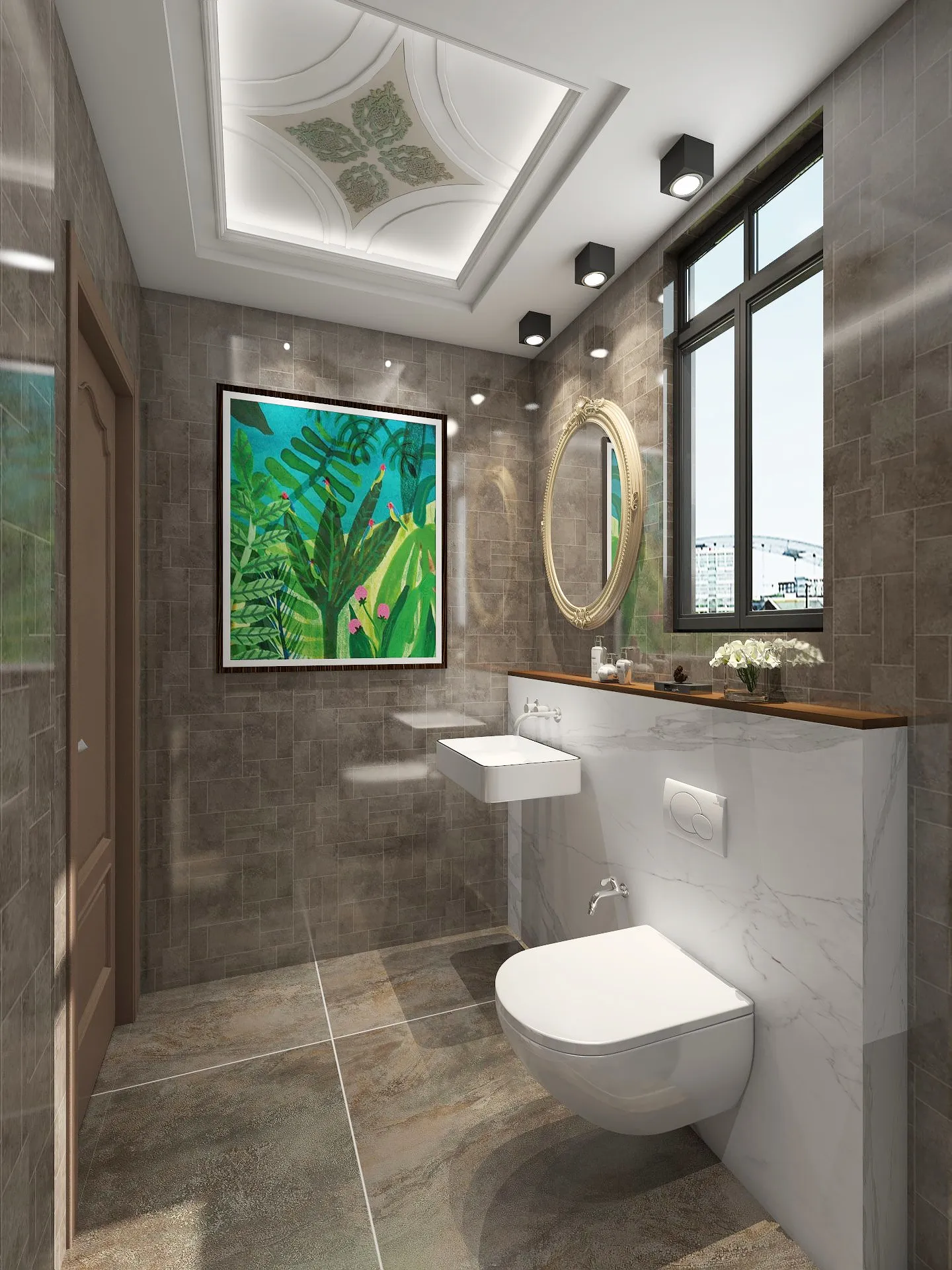
In the constantly evolving world of bathroom design, your choice of faucet contours speaks volumes about your aesthetic preferences. The square vs round faucet debate represents more than just shape selection - it's a fundamental design statement that influences the entire ambiance of your sanitary ware space.
Why do certain contours resonate with us at different times? Design psychology reveals fascinating insights:
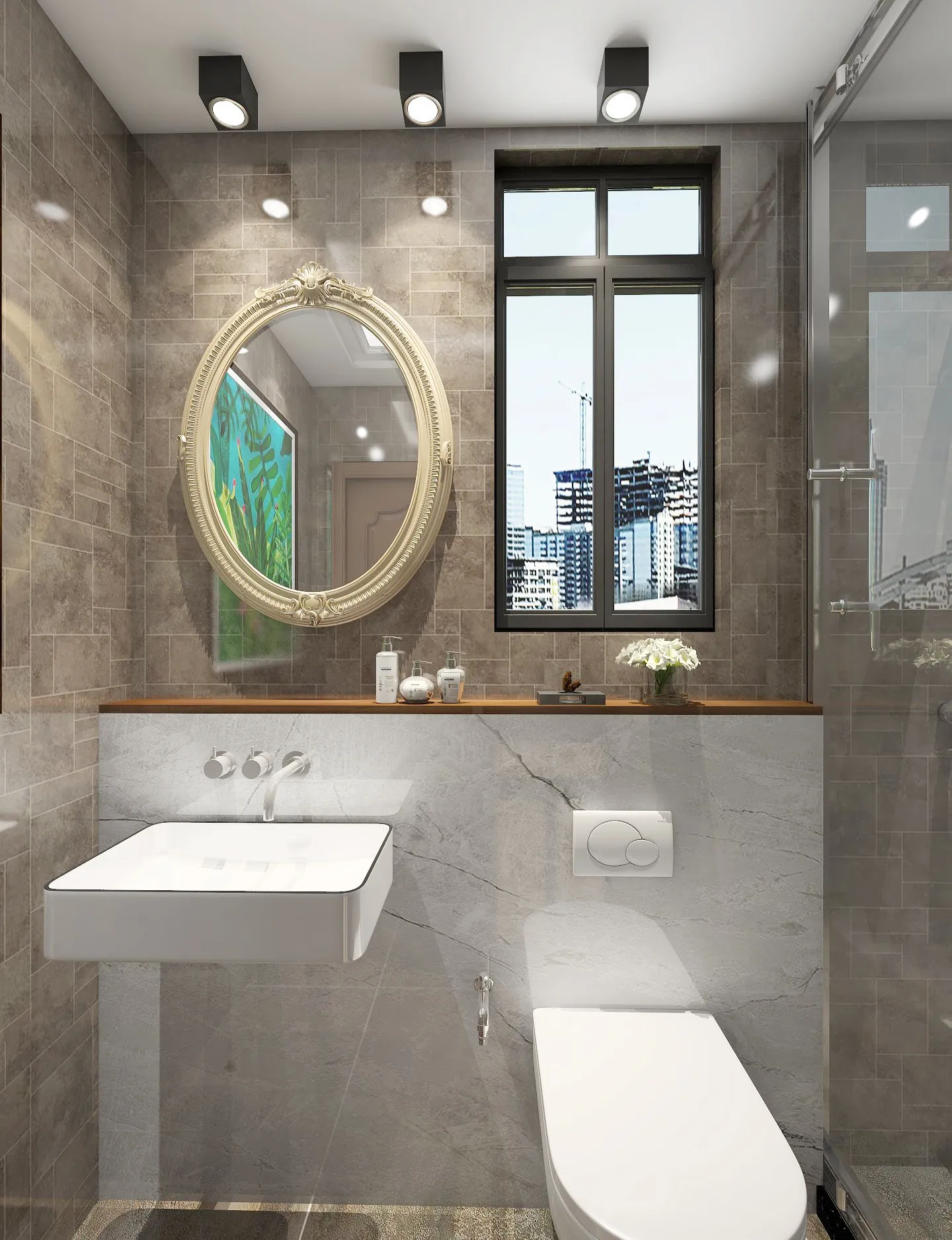
Square faucets create intentional visual tension through their crisp angles and structured form. They command attention as standalone design elements that make minimalist statements. The geometric symmetry of square designs provides satisfying visual balance.
Round faucets, in contrast, offer softness and approachability. Their curved lines create harmonious flow with most basin designs, acting more as complements than statement pieces.
Square faucets shine when paired with modern materials like matte black finishes, brushed nickel, or industrial stainless steel. Their crisp angles highlight material characteristics beautifully.
Round contours work well across material spectrums - from traditional polished brass to contemporary gunmetal finishes. They provide visual relief when paired with highly textural surfaces.
Angular designs create deliberate negative space between faucet and basin that becomes part of the aesthetic. This spatial tension works particularly well in modern settings where geometry becomes art.
Curved faucets establish continuous visual flow with circular basin designs, creating cohesive silhouettes that feel naturally integrated rather than consciously composed.
The ergonomics of round designs follow natural hand movements with intuitive lever operation. Their curves guide usage in practical ways.
Square faucets offer tactile satisfaction through precise angular controls. Turning water on/off becomes a deliberate action rather than reflex, creating mindful interaction with your space.
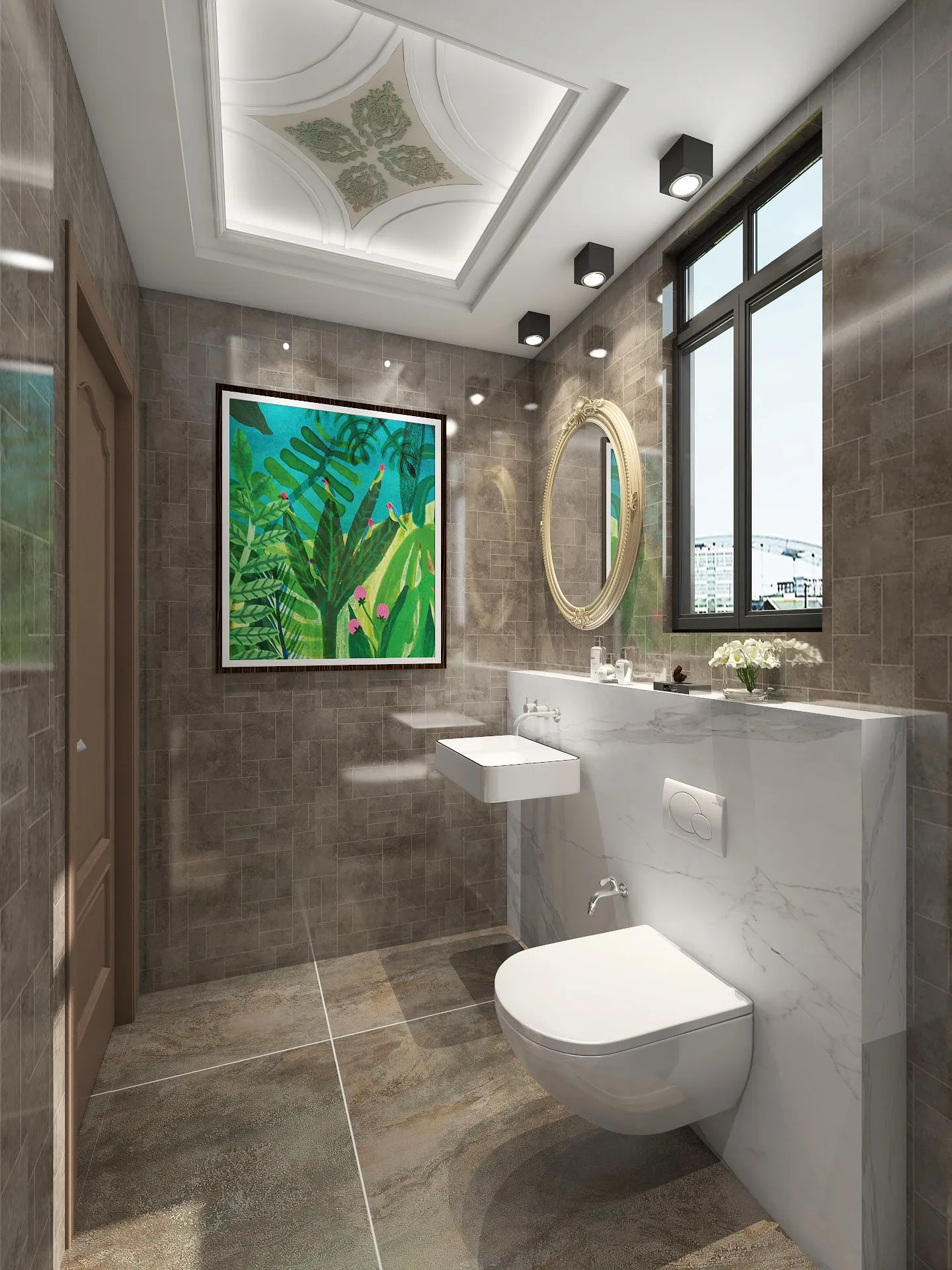
The shift toward geometric designs has transformed installation approaches:
Beyond technical requirements, installation decisions contribute to your design narrative. Surface-mounted fixtures emphasize the faucet as an object, while integrated installations create environmental compositions.
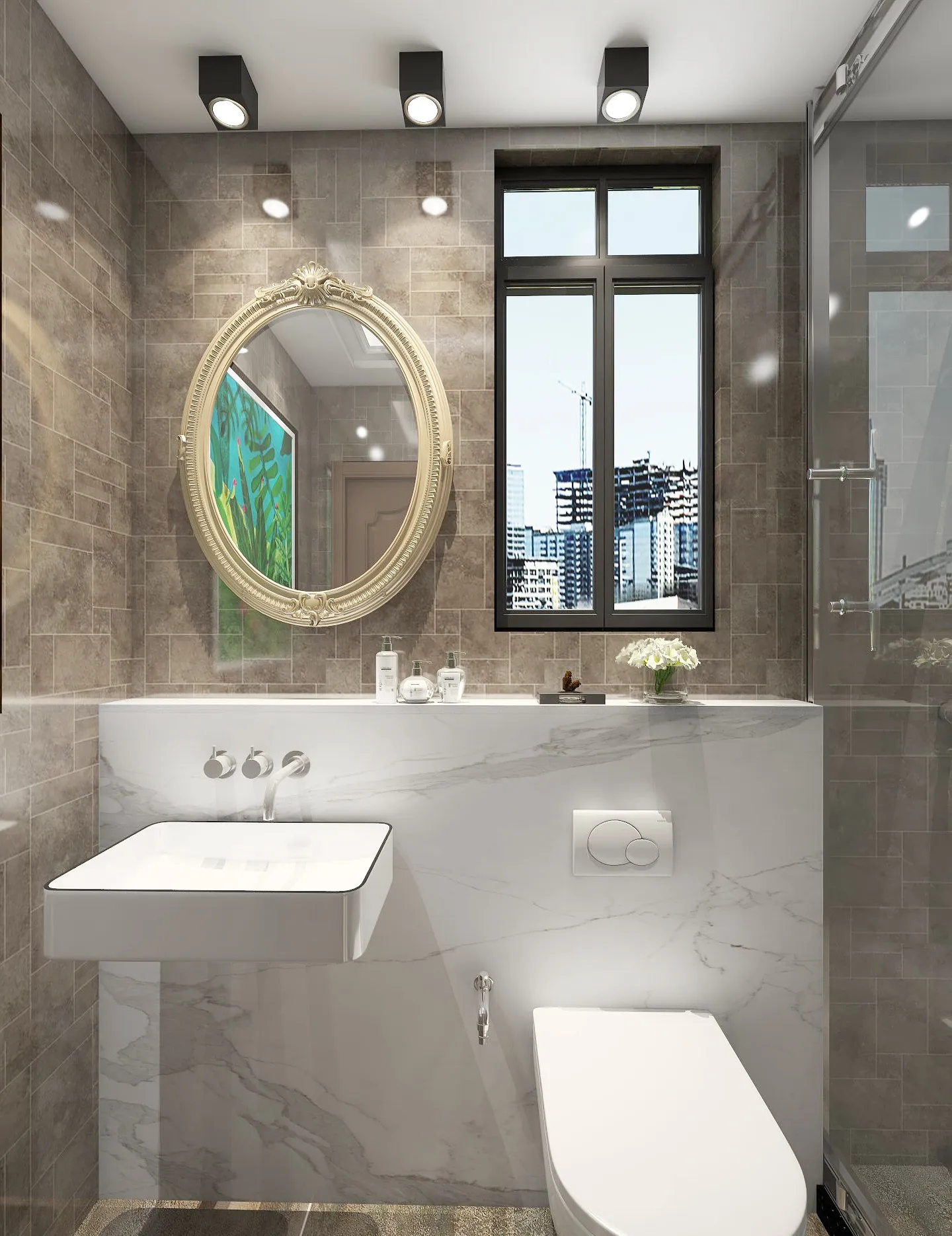
The contour revolution has been accelerated by breakthrough materials:
The emergence of brushed textures, two-tone finishes, and advanced patinas has expanded what's possible with both angular and curved forms. Traditional materials get contemporary treatments.
Recycled materials provide new textural possibilities that enhance geometric forms. These eco-friendly options come without aesthetic compromise.
These material innovations mean your contour decision isn't about sacrificing function for form. You can achieve any aesthetic while meeting your sustainability goals.
The boundary between square and round is blurring in exciting ways:
These emerging trends point toward personalized contour experiences where you don't choose between shape categories, but rather create bespoke fluid expressions.
Recommend Products












