
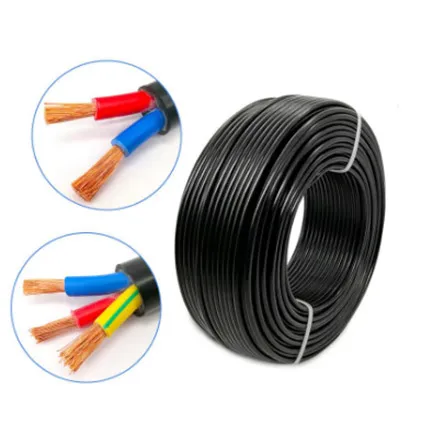
Fire safety isn't just a nice-to-have – it's a non-negotiable necessity when it comes to building infrastructure in the Gulf Cooperation Council (GCC) region. With extreme temperatures and ambitious mega-projects dominating landscapes like Dubai and Riyadh, cables need to be more than just conductors of electricity. They need to be fire-resistant warriors that won't compromise human safety. So, what exactly are the Middle East's unique requirements for cables in fire scenarios? Let's dive into this critical topic.
First off, we gotta understand the playing field. GCC countries (Saudi Arabia, UAE, Qatar, etc.) don't just borrow international standards – they customize them with teeth ! While Europeans follow IEC standards and North Americans stick to UL requirements, GCC certifications layer on:
It's like taking a global exam and then being told to solve extra problems with one hand tied behind your back . For manufacturers, meeting these specs isn't optional – it's the golden ticket to GCC projects.
Cables must self-extinguish within seconds when the fire source is removed. GCC tests measure:
| Test | Global Standard | GCC Requirement |
|---|---|---|
| Vertical Flame Test | char length ≤ 1.5m | char length ≤ 0.8m |
| Oxygen Index | >28% | >32% |
It's brutal! One Qatari regulator joked: "If your cable spreads flames like gossip, you better stay home" . Harsh? Maybe. But lives depend on it.
In GCC's high-rise towers and tunnels, smoke kills faster than flames. Requirements demand:
Why the obsession? Imagine evacuating Burj Khalifa in smoke soup – nightmare fuel! Halogen-free Low Smoke Zero Halogen (LSZH) compounds are mandatory here. cables with PVC jackets need not apply.
Burning cables shouldn't turn buildings into gas chambers. GCC caps:
Fun fact: During a Doha airport test, conventional cables released enough HCl to corrode steel supports within minutes. Now inspectors literally sniff cables. No joke!
Want GCC approval? Buckle up. The process includes:
Even giants like Siemens and Prysmian grumble about the costs. One engineer compared it to "training for the Olympics just to walk down the street." But with projects like NEOM City on the line, shortcuts aren't an option.
Surviving GCC tests pushes innovation. Cutting-edge solutions include:
Mimicking spacecraft heat shields, these create a protective ceramic layer at 1000°C+. Dubai Airport now uses them exclusively.
Embedded sensors trigger alarms before flames erupt – a Saudi Aramco requirement since 2021.
Releases water vapor during fires to cool surfaces. Qatar Rail considers it "pure magic."
Meanwhile, traditional materials? They're getting benched faster than a rusty appliance . Gulf engineers won't settle for last-decade tech.
The GCC’s cable fire regulations are uncompromising – for excellent reason. Between soaring desert temperatures and architectural marvels packed with people, every cable must act as a frontline defense. As Bahrain’s Head of Infrastructure Development told me: "Build right or build nothing."
For manufacturers, this means investing in R&D over marketing. For architects, it demands diligence over discounts. But hey – when the flames roar and smoke swirls, you won't regret choosing cables built for Gulf heat.
Recommend Products












