


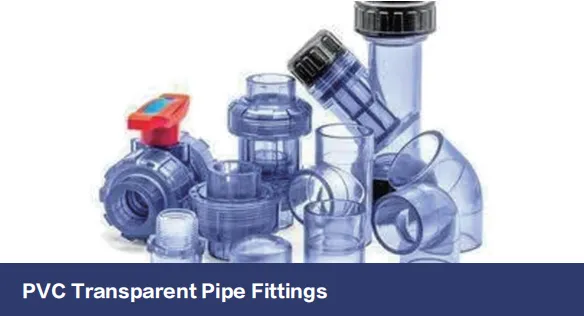
When it comes to moving chemicals through pipes, you can't afford to make mistakes. The wrong pipe material isn't just inconvenient; it could trigger leaks, reactions, or even dangerous failures. Industrial plants, pharmaceutical labs, research facilities – they all need clarity and reliability in chemical transfer systems, especially when dealing with volatile or corrosive substances.
That's where the battle of the pipes comes in. PVC transparent pipe fittings offer something invaluable: visible flow, letting you literally see what's happening inside those lines. Then there are fluoroplastic pipes like PTFE and PFA – champions of resilience that laugh off acids and high heat like it's nothing. Both have their strengths, but which one fits the job in your facility?
Choosing between them isn't just about materials; it's about safety, efficiency, cost, and making sure tomorrow doesn't bring unpleasant surprises. In this guide, we'll break down the nitty-gritty so you can make that call with confidence.
The Superpowers of PVC Transparent Pipe Fittings
PVC transparent pipe fittings are like X-ray vision for chemical flow. Made from polyvinyl chloride with clarity enhancers, they do more than just connect pipes – they're a window into your system's performance.
Where PVC Transparent Fittings Shine
- Seeing is Believing : Watch chemical reactions, sediment buildup, or flow inconsistencies in real-time without opening a valve.
- Chemical Resistance Hero : Handles alkalis, acids, alcohols, and salts like chlorine or sodium – perfect for labs or small-to-medium plant setups.
- Budget-Friendly Buddy : Costs significantly less than fluoroplastics while maintaining pressure ratings from 120-480 PSI depending on sizing.
- Assembly Made Easy : Fast solvent-welding means less downtime during installation or modifications.
- Clean Applications : Ideal for pharmaceutical flow monitoring or food-grade fluid transfers needing non-contamination assurance.
The Installation Guide for PVC Transparent Systems
Getting the fit right matters. Here’s a quick reality check for installation:
- Snug Fitting Required : Use fine-tooth saws, never dull blades, to avoid jagged edges risking cracks.
- Clear Solvent Cement Only : Regular cement yellows joints. Match clear PVC with clear adhesives.
- UV is Not Your Friend : These pipes degrade under sunlight. Keep them indoors or shield them.
- Temperature Ceiling : PVC taps out at 140°F (60°C). Beyond that, it’s fluoroplastic territory.
Limitations You Can't Ignore
PVC won't handle everything gracefully:
- High Heat? Nope : Thermal stability falters beyond 140°F – hot chemical transfers are risky.
- Aggressive Solvents : Ketones and aromatics like benzene dissolve PVC like candy floss in water.
- Pressure Boundaries : While solid at moderate pressures, sch40 won’t play nice in ultra-high-pressure systems.
Fluoroplastic Pipes: The Unstoppable Contenders
Think of fluoroplastics as the unshakable titans of chemical transfer. PTFE (Teflon®), PFA, and FEP materials bond fluorine atoms so tightly that almost nothing gets through. High heat? Aggressive solvents? Bring it on.
Where Fluoroplastics Rule Supreme
- Chemical Resistance Kings : Resists EVERYTHING – HF acid, oxidizing agents, organic solvents – you name it. Ideal for chlorine, sulfuric acid, or nitric acid transport.
- Heat Warriors : Stand tall at 200-260°C (392-500°F). Perfect for high-temperature process lines.
- Pure Flow : Non-stick surfaces prevent buildup or contamination in ultra-pure chemical processes.
- Long Haul Durability : Won’t degrade, ensuring decades of service without replacement headaches.
Trade-offs You’ll Need to Accept
- Costs That Bite : These pipes cost 5-10x more than PVC upfront. But paychecks are lost during downtime too.
- Zero Visual Clarity : You’ll never see inside them – flow problems stay mysteries until too late.
- Installation Complexity : Requires specialized welding techniques like butt or infrared welding.
- Lower Pressure Ratings : Despite heat tolerance, fluoroplastics often handle lower pressures than steel-reinforced options.
Head-to-Head: PVC Transparent vs Fluoroplastic Pipes
| Criteria | PVC Transparent Fittings | Fluoroplastic Pipes |
|---|---|---|
| Chemical Resistance | Strong against acids, alkalis, alcohols. Weak against ketones/aromatics. | Near-universal resistance to all chemicals, including strong oxidizers. |
| Temperature Limit | Up to 140°F (60°C) | Up to 500°F (260°C) for PFA, up to 260°C for PTFE |
| Pressure Handling | 120-480 PSI (schedule-dependent) | Typically 50-200 PSI for reinforced PTFE pipes |
| Flow Visibility | Fully transparent monitoring | Zero visibility – dependent on sensors |
| Cost | $50-$150 per section (schedule 40) | $300-$1000+ depending on diameter & material |
The Real Cost Discussion
PVC seems cheaper at first glance. But factor in downtime:
- PVC maintenance = visual checks save time. Surprise failures = rare
- Fluoroplastics cost more upfront BUT fewer replacements and zero corrosion failures save big over 10-20 years
- Rule of thumb : Choose PVC for variable flow / observation-critical systems; choose fluoroplastics for extreme chemicals or heat.
Real-World Scenarios: Which Pipe Won?
Case 1: Pharmaceutical Lab – PVC Transparency Victory
A vaccine research lab needed to monitor precise solvent mixing ratios in real-time. They chose PVC transparent fittings across cooling systems. Result? Technicians caught crystal buildup before blockages occurred; solvent ratios remained visually verifiable. Fluoroplastics were rejected – visibility trumped chemical purity here. Downtime? Near-zero.
Case 2: Chlorine Processing Plant – Fluoroplastic Dominance
A chemical facility upgrading chlorine transport lines battled leaks and frequent PVC replacements. Fluoroplastic pipes (PFA-lined) were installed across the 120°C transport route. After 5 years: zero leaks, no corrosion fatigue. The premium pipe paid for itself through uninterrupted production.
The "Crossover" Point: Where Transparency Ends and Resilience Begins
Choose PVC transparent fittings when you need:
- Visual validation of processes
- Budget-limited projects with mid-range chemicals
- Ease of modification and repairs
Switch to fluoroplastics when facing:
- Aggressive solvents like ketones
- Process temperatures over 140°F
- Critical systems demanding zero-failure tolerance
Hybrid Systems: Best of Both Worlds
Who says you must choose? Merge systems where monitoring matters most:
- Critical Junction Points : Install PVC transparent tees/valves at mixing points for visibility. Use fluoroplastic for main corrosive transfers.
- Retrofitting Advantage : Add PVC sight glasses into existing fluoroplastic circuits to monitor flow anomalies.
- Heat Zones Strategy : Use fluoroplastic only in hot pipeline sections. Connect to PVC at cooler endpoints.
Example: A dye manufacturing plant uses fluoroplastic pipes for sulfuric acid transport (hot/corrosive), with PVC fittings installed at titration sites to monitor color dilution – slashing inspection costs by 40%.
Wrapping It Up: Your Chemical Transport Checklist
Choosing the right pipe is more than specs; it’s aligning with your actual workflow hazards. Ask yourself:
- What's the worst chemical I’m moving? (Fluoroplastic for nasties)
- What temperatures are involved? (>140°F? Go fluoroplastic)
- Do I need visual flow confirmation? (PVC wins hands-down)
- Is budget a ceiling or long-term ROI the goal?
PVC transparent fittings give you eyes where you need them most – at a cost that doesn't break your project budget. Fluoroplastics deliver brute-force durability against the fiercest chemical foes, demanding serious upfront investment.
For most chemical applications? industrial chemical processing thrives on the flexibility of combining these pipes strategically. Because visibility brings control, and resilience brings peace of mind – choose with your eyes open.










