
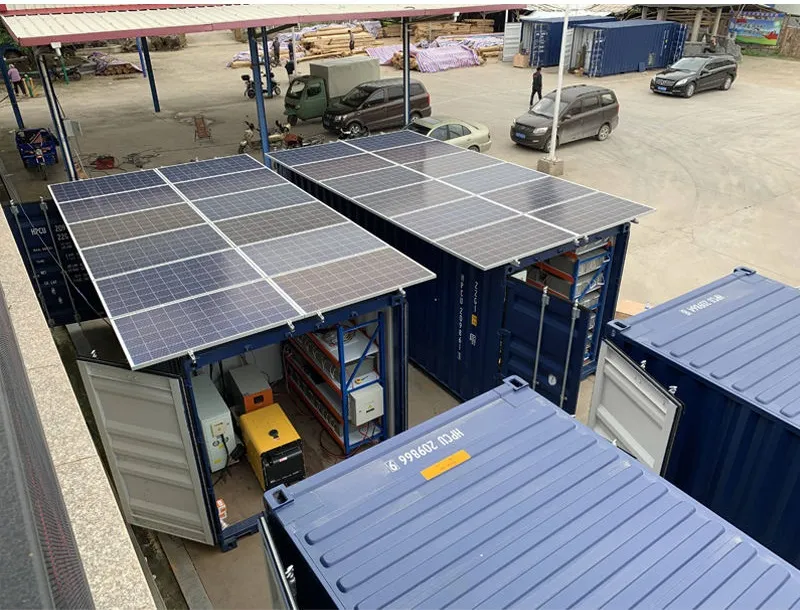
Hey there, eco-warrior! Thinking about installing solar panels on your mountain property? Smart move! But here's the thing - high-altitude solar isn't quite the same as putting panels on your suburban roof. The air gets thinner, the temperatures swing wildly, and snow? Oh boy, the snow!
But don't let that scare you off! Mountain regions actually have some surprising advantages for solar power. The higher you go, the less atmosphere there is to block those precious sun rays. You'll get more bang for your buck from each panel if you do this right. We're here to guide you through the unique considerations you'll need to make for your high-altitude solar installation.
Let's start with the good news - mountains and plateaus can be solar goldmines. You know that crisp, bright sunshine that makes you squint even on winter days? That's prime solar real estate! At higher elevations, sunlight travels through less atmosphere, meaning those photons hit your panels with more intensity.
Imagine sipping hot chocolate on your mountain cabin porch while your panels work at peak performance. Cold temperatures? Actually great for solar efficiency! Most panels operate more efficiently in cooler conditions, turning those freezing mornings into energy production bonuses.
But (and there's always a but) - this environment demands specialized equipment and installation approaches. It's like hiking versus walking in the park; you need the right gear and preparation.
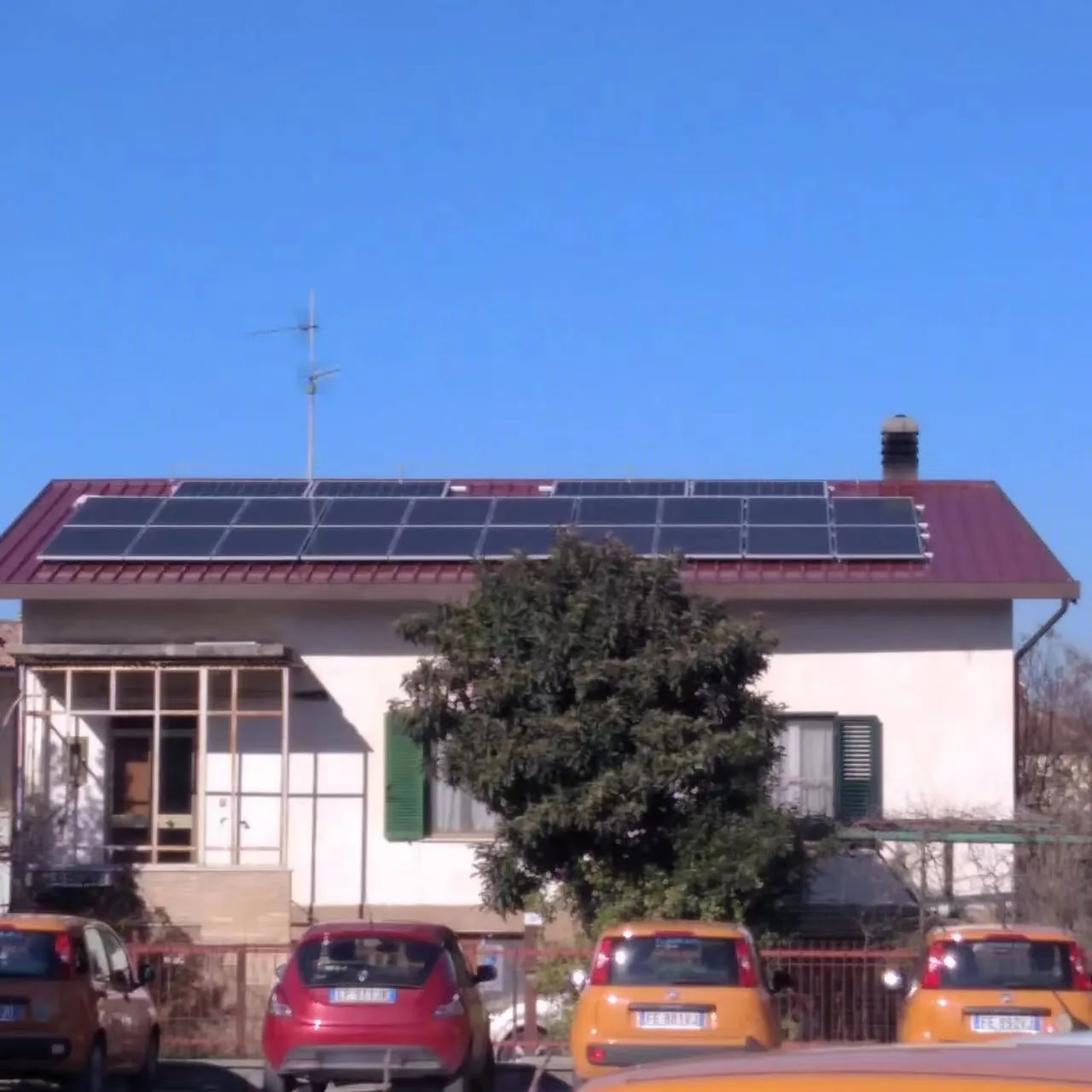
Okay, let's talk altitude adjustments. When you're installing above 1500m, everything changes. The reduced air density affects cooling systems, thinner atmosphere impacts UV intensity differently, and materials behave differently in these extremes. This isn't about just bolting panels to your roof anymore.
Not all panels are mountain-ready. You'll want specialized alpine solar warriors:
Polycrystalline panels often outperform monocrystalline in very cold conditions, though that gap is narrowing with newer technologies. Don't be shy about asking manufacturers for mountain-specific specs!
If you've ever seen what mountain winds can do, you know structure is non-negotiable:
Seriously, this isn't the place for DIY solutions. Work with engineers who understand high-altitude physics.
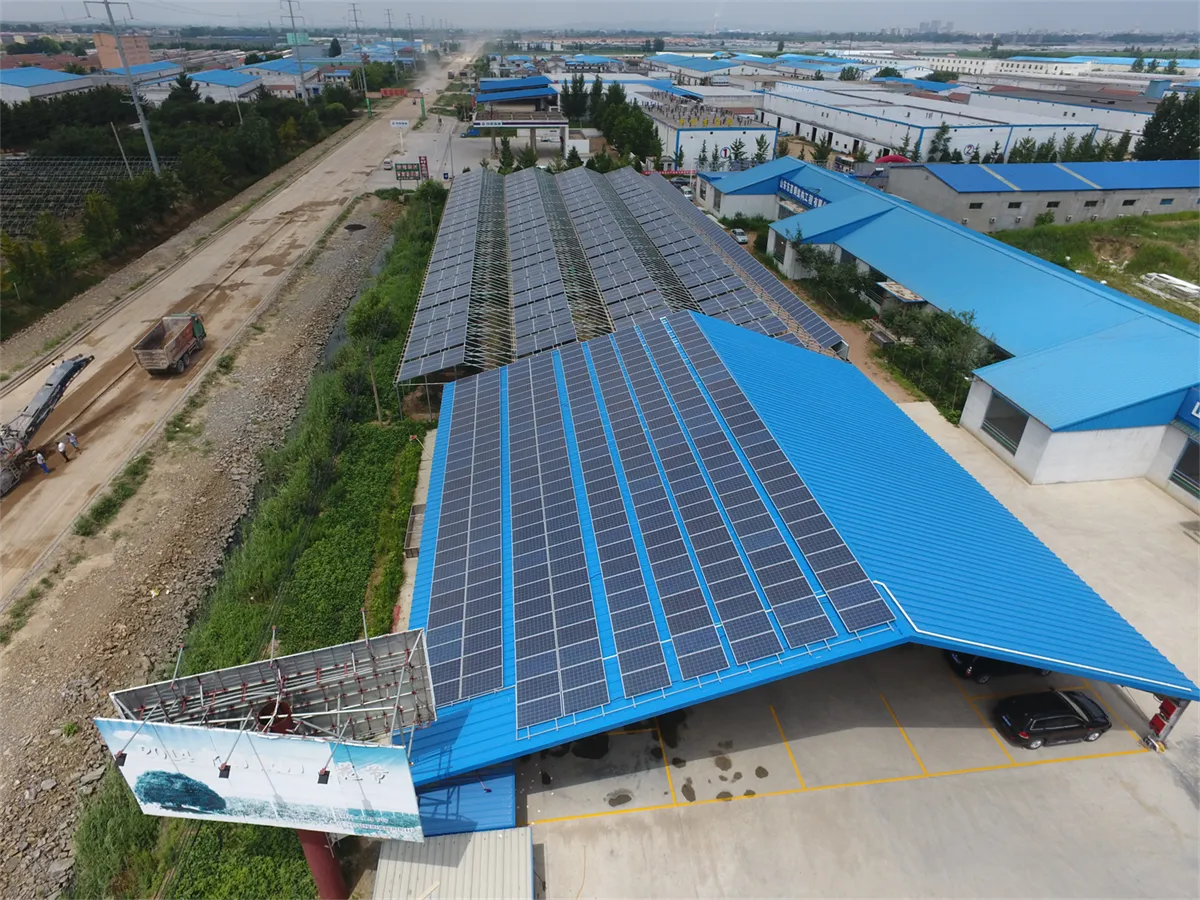
Alright, let's talk weather - the real challenge of high-altitude installations. Mountain weather is unpredictable and often extreme, demanding innovative approaches to installation and maintenance.
Snow Management Strategy: Look, snow happens. But that white blanket covering your panels? Total production killer. The solution isn't fighting snow - it's working with it:
Microclimate Variations: Here's something fascinating - solar potential can vary wildly within a single slope. South-facing positions are obvious winners, but elevation microzones create surprising opportunities.
You know what I've noticed after years of high-altitude installations? The "sweet spot" changes every mountain. One valley might collect incredible solar at 1800m, while the next ridge over gets better production at 2200m. That's why we always perform on-site solar mapping with portable monitoring equipment. Don't trust generic elevation charts!
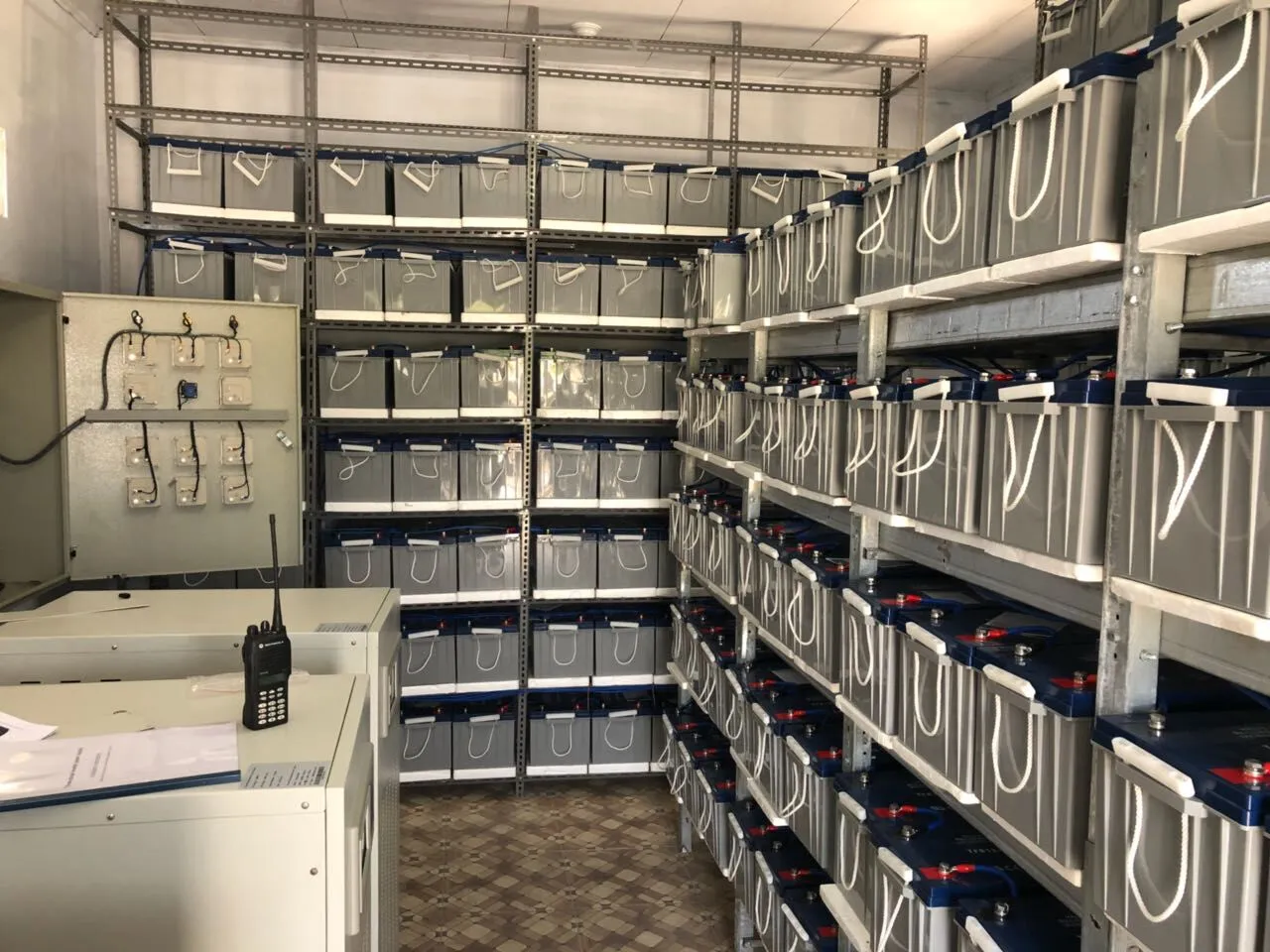
Now we get technical - high-altitude electrical systems have different requirements. That sea-level inverter? It might wheeze like me on a 3000m hike!
Inverters and batteries work harder at elevation:
Many manufacturers now offer "high-altitude series" inverters specifically engineered for thinner air. Don't overlook this crucial component!
Electricity behaves differently when air pressure drops:
This is where hiring electricians experienced with mountain installations pays dividends. They'll save you from unexpected brownouts!
Let's get real about getting those panels up the mountain. Installation logistics often cost more than the panels themselves! But smart planning keeps it reasonable.
Timing Your Installation: Seasonal planning isn't a suggestion - it's essential. Mountain roads can become impassable without warning:
Weather Contingency Planning: Rule one of mountain installations? Have backups for your backups:
I'll never forget one January installation where we planned a helicopter lift only to have whiteout conditions cancel flights for a week. What saved us? We'd preset temporary anchor points during summer. Always install anchor points in good weather season, even if you're placing panels much later! That extra trip paid for itself a hundred times over.
Maintenance isn't just about efficiency - it's about safety in these rugged environments. Your approach needs to balance accessibility and resilience.
Remote Monitoring Solutions: When your system is accessible only 5 months of the year, you need eyes when you can't be there:
Environmental Impact Considerations: Installing responsibly matters in fragile mountain ecosystems:
We always recommend environmentally friendly installation methods like:
Putting solar panels in high places isn't just possible – when done right, it's remarkably effective. The key is respecting the mountain while harnessing its unique advantages. Over my years installing these systems, I've seen three truths:
The initial hurdles of high-altitude solar pay off tremendously through increased efficiency and reliability. There's nothing like producing clean power while surrounded by pristine mountain scenery. With thoughtful installation and maintenance, your mountain home can become a beacon of sustainable energy for decades to come.
When you're ready to make the leap to high-altitude solar, seek out specialized solar panel suppliers with proven mountain experience. The right team transforms daunting installations into efficient power stations. Your mountain retreat deserves nothing less!
Recommend Products












