
Picture this: you're aboard a massive cargo ship crossing the Pacific when suddenly, a storm hits. Waves crash against the hull like liquid sledgehammers, salt spray coats every surface, and vibrations rattle equipment with relentless energy. Now imagine this same scenario on an oil rig hundreds of miles offshore, surrounded by nothing but open ocean. What keeps these floating cities functioning in these extreme conditions? The unsung heroes you rarely see – specialized marine cables and power distribution systems designed to laugh in the face of nature's toughest challenges.
Unlike ordinary land-based electrical systems, marine installations demand cables that can withstand constant saltwater exposure, brutal vibrations, dramatic temperature swings, and critically, remain operational through emergency situations like fires. This isn't electrical engineering - it's survival engineering.
Let's break down why offshore installations need superhero-grade cabling:
Walking through marine cable selection is like preparing for battle - each type has specialized armor:
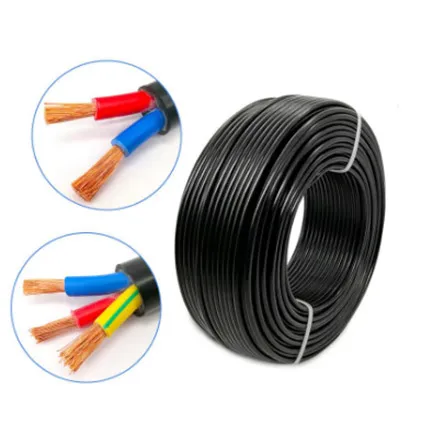
The workhorses carrying the muscle – think thick wires connecting generators to switchboards. For ships and platforms, XLPE insulation provides the perfect combo of thermal endurance and flexibility.
The nervous system controlling valves and sensors. Often bundled in groups, they need shielding against electromagnetic interference that could scramble command signals.
The vital messengers handling voice/data transmission. Imagine video calls with headquarters while rocking in a storm – these cables make it possible.
The Formula 1 racers of data transfer. Light-based signals through glass fibers enable high-speed networking essential for modern digital controls and crew communications.
It's not just cables – the whole electrical ecosystem must meet marine standards:
Deepwater Horizon taught brutal lessons. Modern platforms now use EPR-insulated medium-voltage cables routed with triple-sealed penetrations. Distribution boards feature segregated compartments to contain failures, with essential systems featuring redundant pathways of specialized cables that remain operational even when partially damaged.
Choosing marine cables isn't guesswork - it's a systematic dance between requirements and specifications:
Standards aren't optional wishlists here. You'll constantly see IEC 60092 (marine electrical installations), IEC 60331 (fire resistance), and IEC 61034 (low smoke emissions) stamped on components. And don't forget classification societies like DNV GL or Lloyds Register that certify systems.
Tomorrow's marine cables won't just carry power - they'll be diagnostic tools. Embedded fiber sensors will continually monitor temperature, strain, and insulation integrity. Self-monitoring systems will predict failures before they happen, while eco-formulations will reduce hazardous materials without compromising resilience.
When the sea tests your mettle, you don't gamble with second-rate electrical systems. Marine cables must be more than waterproof – they need to embody resilience as a fundamental characteristic, forming the central nervous system that keeps every vessel and platform operational despite the ocean's relentless attempts to silence them.
Recommend Products












