
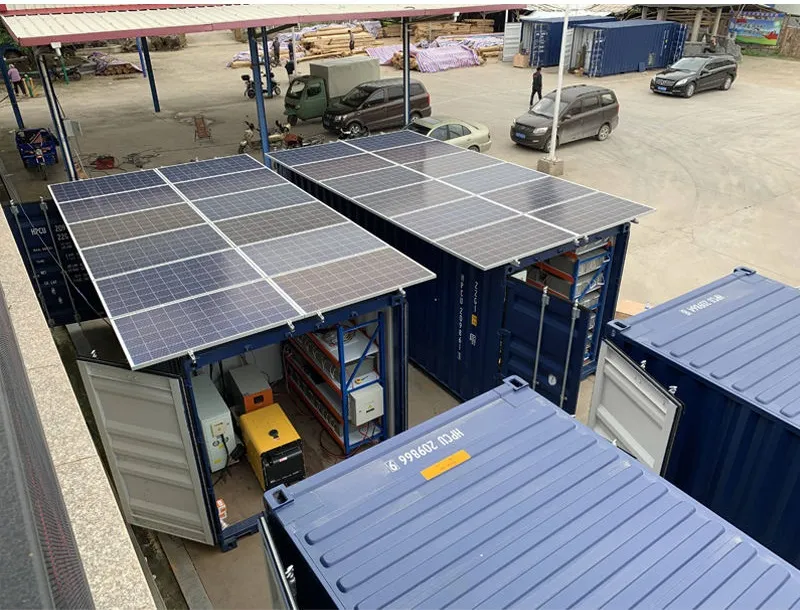
You know that feeling when your phone dies in the freezing cold? Imagine that happening to a scientific instrument halfway up a glacier – that’s why special solar panels built for extreme cold aren’t just cool tech; they're lifelines for climate science. These unsung heroes keep our glacier monitoring gear running where regular panels would tap out, whispering data from Earth's icy frontiers while battling -40°C conditions.
Glaciers are Earth's moody ice giants – shrinking, growing, and cracking unpredictably while holding nearly 70% of the world's fresh water. Monitoring them feels like checking a patient’s vital signs during surgery. If sensors fail because their solar panels froze up, we're flying blind in the climate crisis.
Standard panels? They hit a wall in extreme cold. Batteries get sluggish as chilled honey, snow glare tricks electronics, and delicate components snap like icicles. That's where anti-freeze solar technology steps in – engineered to thrive where others freeze, and designed for the long haul where maintenance crews might visit only once a year.
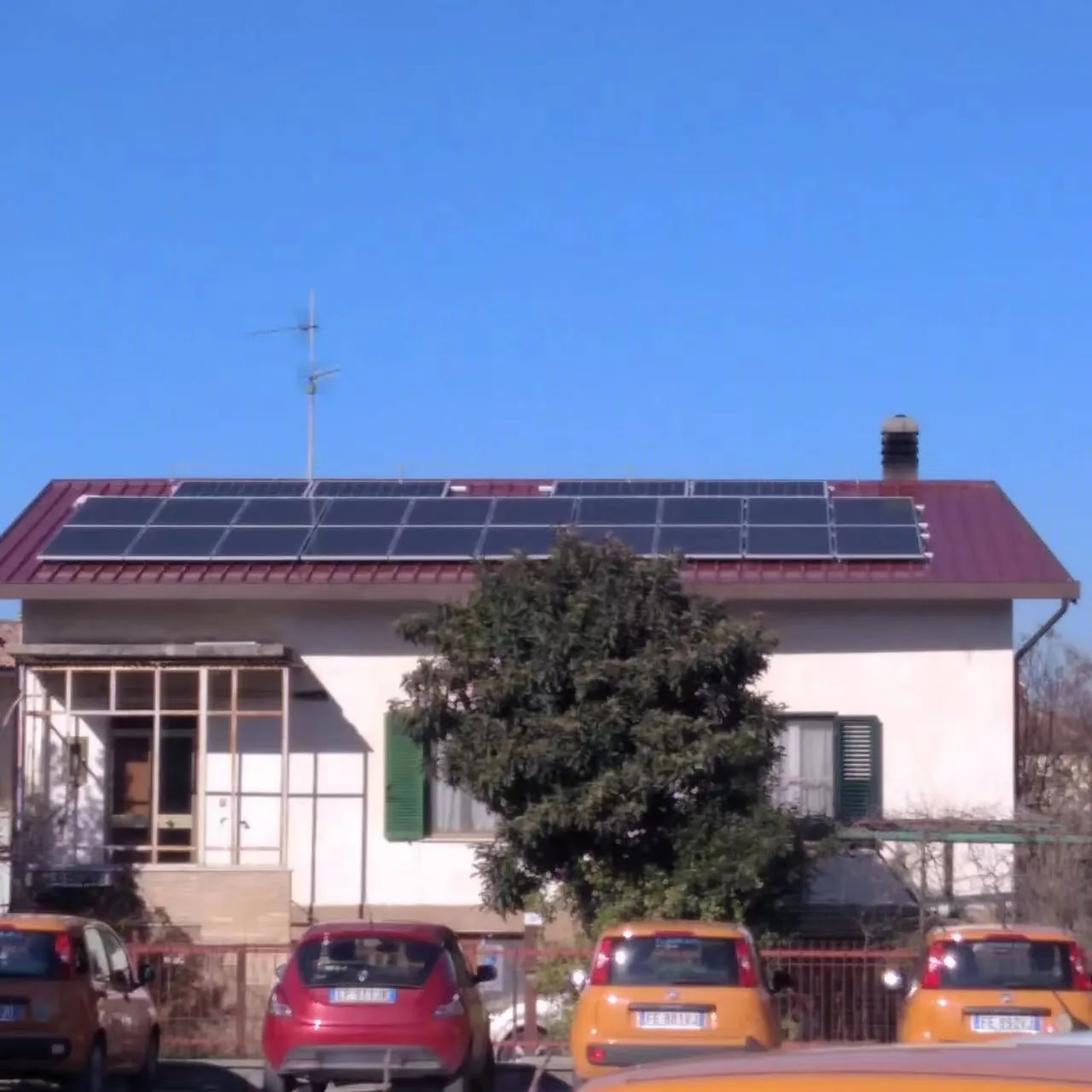
Picture this: nanoscale heaters woven into the solar cells like electric blankets, kicking on automatically when temperatures plunge. Or special hydrophobic coatings making snow slide off panels like butter off a hot knife.
"We had panels survive two Antarctic winters without human touch – just quietly sipping sunlight through blizzards," says Dr. Lena Frost, a cryotech engineer who’s deployed gear from Alaska to Patagonia.
Key features include:
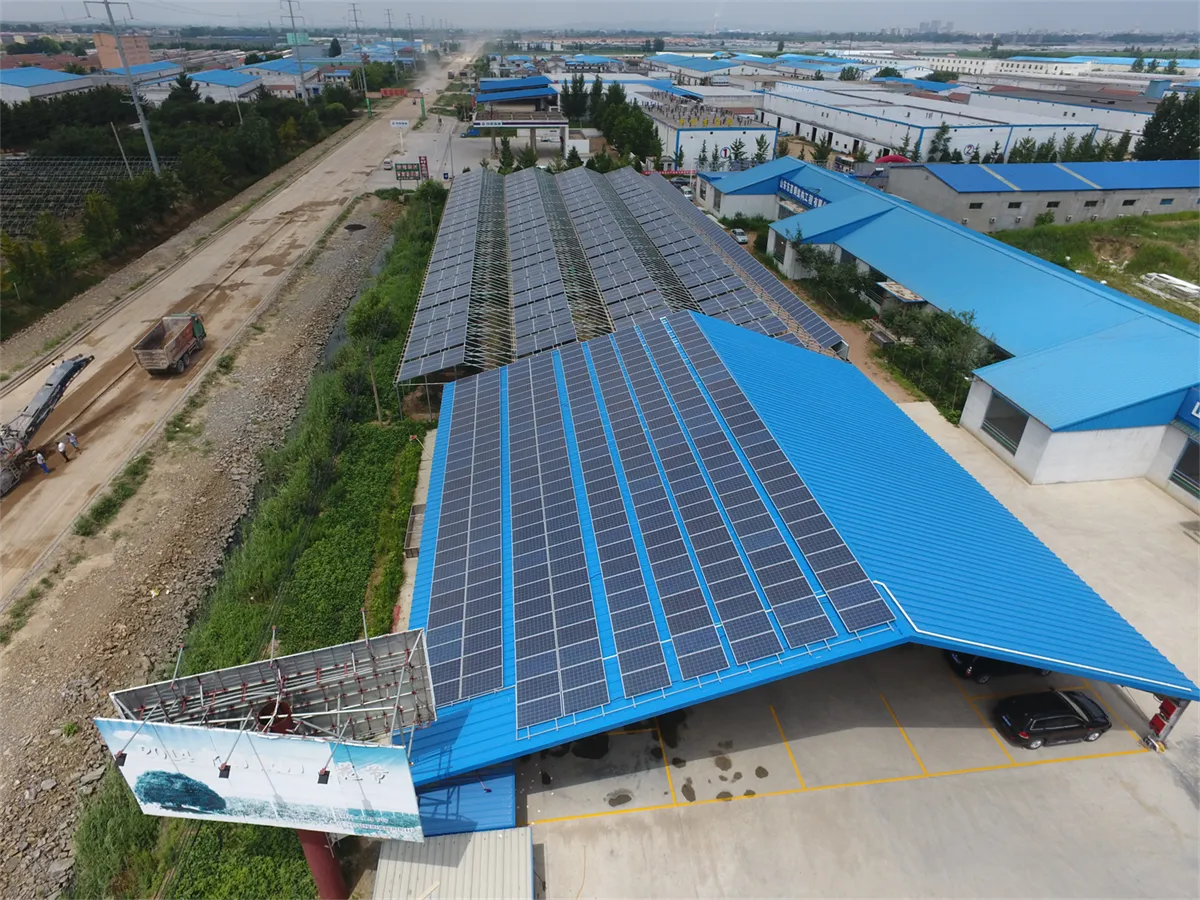
Take sensors like GLIMS-CAM or CryoWatcher systems – these workhorses now run year-round because the new panels won't quit. In Greenland’s dark winters, they capture faint sunlight at 85° tilt angles, while Himalayan stations endure rapid temperature swings that’d shatter normal glass.
The payoff? Data streams showing how fast glaciers melt after heatwaves, where hidden meltwater lakes form, or how ice quakes predict calving events. With constant power, seismometers listen to the ice's heartbeat and time-lapse cameras document slow-motion collapses that reshape coastlines.
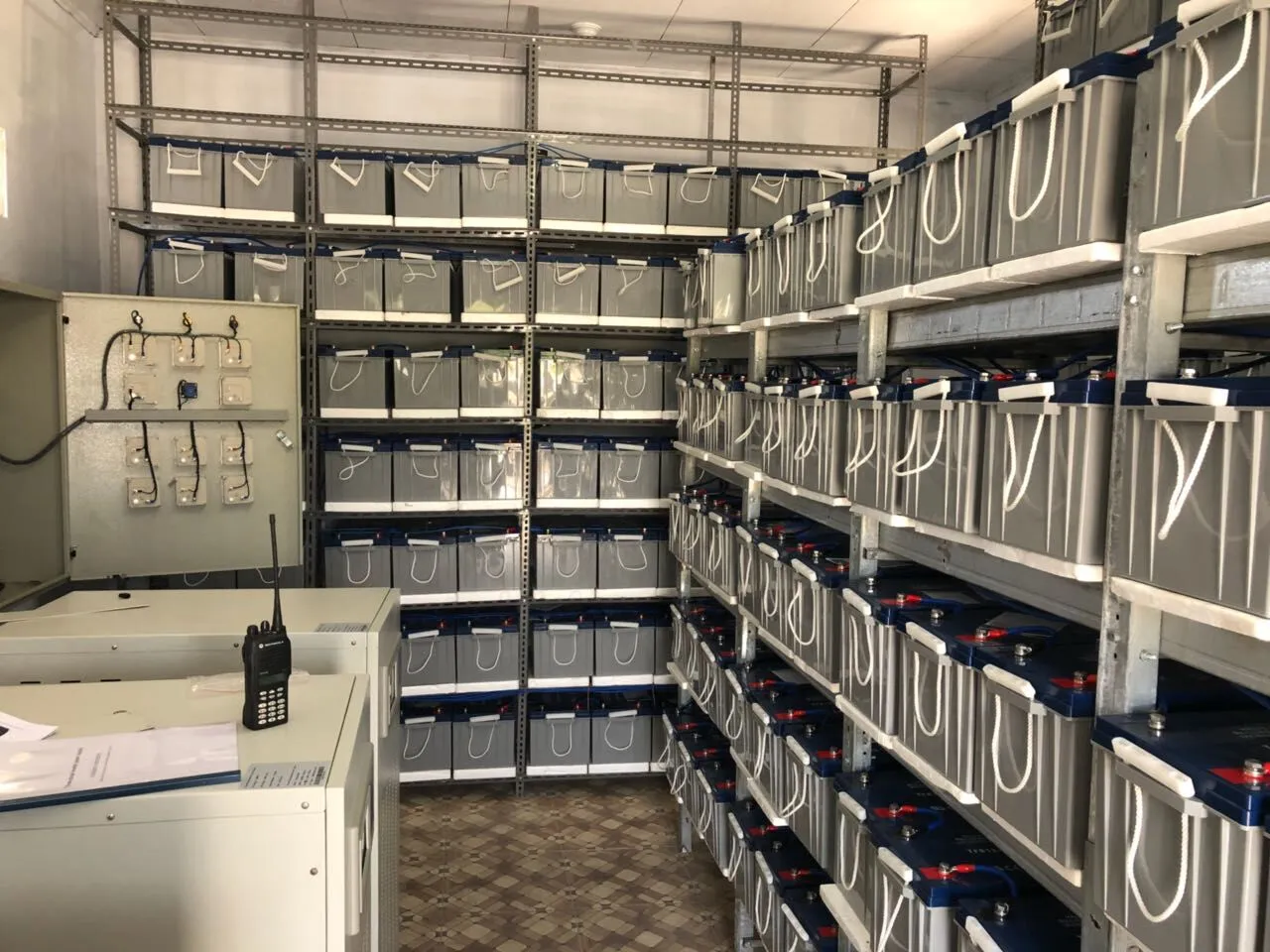
This isn't just about surviving cold – it's about turning harshness into advantage. Ultraclear winter air actually boosts panel efficiency, while snow reflection acts like a natural light amplifier. Engineers now design panels to use temperature stress rather than fight it.
What’s emerging feels like technology growing its own winter coat: flexible panels conforming to rock surfaces, integrated heaters burning excess energy rather than wasting it, and hybrid systems harvesting wind and sun during polar nights.
When glacier monitors stay online through brutal winters, they become sentinels for vulnerable communities. Real-time data feeds flood warnings downstream when glacial lakes threaten to burst, or inform hydropower plants about meltwater changes.
These rugged little power stations represent a wider truth: to understand climate change, our tools must endure its harshest face. As tech learns to love the cold, it gives our shrinking glaciers a voice – one weatherproof watt at a time.
And that voice, powered by stubborn, freeze-proof cells, carries news we can't afford to miss.
Recommend Products












