
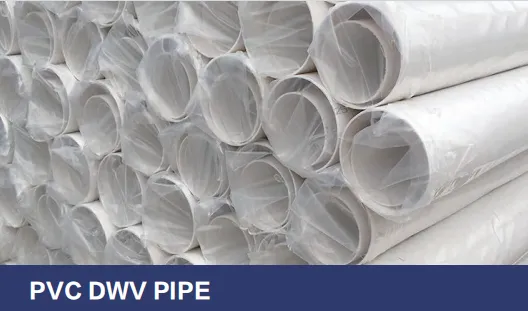
Walk into any modern city apartment, and you'll notice a common theme: every square inch matters. Whether it's a 500-square-foot studio in downtown Riyadh or a tiny home tucked into a bustling Singapore neighborhood, urban living today is all about maximizing space. But here's the thing—we rarely think about the "hidden" spaces that eat up valuable room: the plumbing systems running behind walls, under floors, and through ceilings. Traditional pipes, with their bulky designs and rigid structures, have long been the silent space-hogs of compact buildings. That's where PVC DWV pipe solutions step in, offering a smarter, slimmer, and more efficient way to handle drainage, waste, and venting without sacrificing precious square footage.
Let's start with the obvious: cities are getting denser. According to the United Nations, over 68% of the world's population will live in urban areas by 2050. This means more high-rises, smaller apartments, and tighter commercial spaces. In these environments, architects and builders can't afford to waste space on oversized infrastructure—especially plumbing. Imagine trying to install a traditional cast iron drain pipe in a wall that's only 4 inches thick, or routing a rigid copper waste line through a ceiling with just 6 inches of clearance. It's a headache, to say the least. And for homeowners or business owners, those "lost" inches can translate to less storage, smaller rooms, or higher renovation costs when pipes need to be moved or replaced.
This is where the right building materials make all the difference. As a residential building materials supplier focused on urban solutions, we've seen firsthand how choosing the right pipes and fittings can transform a cramped, inefficient space into one that feels open and functional. And when it comes to space-saving plumbing, PVC DWV (Drain, Waste, Vent) pipes are in a league of their own.
Before we dive into their space-saving benefits, let's clarify what PVC DWV pipes actually do. DWV stands for Drain, Waste, and Vent—three critical functions in any plumbing system. These pipes carry wastewater from sinks, showers, and toilets (drain), remove solid waste (waste), and allow air to flow through the system to prevent suction and odors (vent). Unlike supply pipes, which carry clean water under pressure, DWV pipes rely on gravity to move water, so their design focuses on efficiency, flow, and (you guessed it) fitting into tight spaces.
PVC, or polyvinyl chloride, is the material of choice here. It's lightweight, durable, and inherently resistant to corrosion—a huge plus in urban environments where water quality can vary. But what really sets PVC DWV apart, especially for compact buildings, is its versatility and design flexibility. Unlike heavy, rigid materials like cast iron or copper, PVC DWV pipes are designed to be slim, adaptable, and easy to route through even the narrowest gaps.
Now, let's get to the good stuff: how these pipes actually free up space. Here are five key reasons why PVC DWV is the go-to choice for architects, builders, and homeowners working with limited square footage.
1. Slimmer Profiles, Maximum Flow Traditional cast iron pipes are thick and heavy, with inner diameters that are often smaller than their outer size (thanks to thick walls). PVC DWV pipes, on the other hand, have thin, strong walls that allow for a larger inner diameter relative to their outer size. For example, a 3-inch PVC DWV pipe has roughly the same inner flow capacity as a 4-inch cast iron pipe—but with a much smaller outer diameter. That means you can use a narrower pipe to achieve the same drainage performance, freeing up space in walls, ceilings, and under floors. In a bathroom renovation where every inch of wall depth counts, this can mean the difference between fitting a full-sized vanity and settling for a cramped, shallow one.
2. Flexible Routing for Tight Corners Ever tried to bend a cast iron pipe? Spoiler: it doesn't bend. Rigid materials require more elbows, tees, and straight sections, which add bulk and take up extra space. PVC DWV pipes, however, are surprisingly flexible (within reason), allowing for gentler bends and fewer fittings. This is a game-changer in compact spaces like attic crawl spaces or under-stair storage areas, where you might need to route a pipe around a beam or through a narrow opening. Plus, modern PVC DWV pipes and fittings are designed to work seamlessly with tight-radius elbows (think 90-degree turns in a smaller footprint), reducing the need for extra space to accommodate sharp angles.
3. Lightweight Design = Easier Installation in Hard-to-Reach Areas Let's talk about installation—another hidden space-saver. Cast iron pipes require heavy lifting equipment and often multiple people to install, which means more clearance is needed just to maneuver them into place. PVC DWV pipes, by contrast, are lightweight (a 10-foot section of 3-inch PVC weighs around 5 pounds, compared to 30+ pounds for cast iron). This makes them easier to carry up narrow staircases, through small doorways, and into tight ceiling cavities. For builders working in high-rise apartments, where elevator space is limited, this lightness also cuts down on installation time and labor costs—both of which are critical in fast-paced urban construction.
4. Leak-Proof Fittings = No Need for Extra Space Around Pipes One of the biggest fears with hidden plumbing is leaks. Traditional pipes often require extra clearance around them to allow for inspections and repairs if a leak occurs. But PVC DWV pipe solutions, when paired with high-quality pipes fittings solutions, are designed to be leak-proof from the start. The socket-and-glue connections create a permanent, watertight seal that's resistant to cracks and corrosion. This means you can install PVC DWV pipes closer to walls, floors, and other structural elements without worrying about leaving extra "buffer" space for future repairs. It's a small detail, but in a wall that's already tight for space, those extra 2-3 inches can make a big difference.
5. Compatibility with Modern Space-Saving Fixtures Today's compact buildings often feature space-saving fixtures: wall-hung toilets, corner sinks, and slim-profile showers. These fixtures require plumbing that can adapt to their unique designs—like shorter drain lines or off-center vent pipes. PVC DWV pipes, with their wide range of fittings (think offset tees, reducing couplings, and vent elbows), are built to work with these modern fixtures. For example, a wall-hung toilet might need a drain pipe that exits through the wall instead of the floor; PVC DWV's flexibility makes this easy to achieve without rerouting entire sections of pipe. As a pipes fittings supplier, we've seen how the right combination of pipes and fittings can turn a challenging fixture layout into a seamless, space-efficient system.
Curious how PVC DWV stacks up against other common drain pipe materials when it comes to space? Let's break it down with a side-by-side comparison. The table below looks at four popular options: cast iron, copper, ABS (another plastic), and PVC DWV—focusing on the factors that matter most in compact buildings.
| Material | Outer Diameter (3-inch pipe) | Weight (10-foot section) | Minimum Bend Radius | Installation Clearance Needed | Best For |
|---|---|---|---|---|---|
| Cast Iron | 4.3 inches | 35-40 lbs | Fixed (requires elbows for turns) | 6+ inches (due to weight/ rigidity) | Historic buildings (aesthetic preference) |
| Copper | 3.5 inches | 15-20 lbs | Limited (needs bending tools) | 4-5 inches (due to soldering requirements) | High-end residential (heat resistance) |
| ABS | 3.2 inches | 8-10 lbs | Moderate (less flexible than PVC) | 3-4 inches | Cold climates (better impact resistance) |
| PVC DWV | 3.0 inches | 5-6 lbs | Gentle (can bend slightly without elbows) | 2-3 inches | Compact urban buildings (space efficiency) |
The numbers speak for themselves: PVC DWV pipes have the smallest outer diameter, lightest weight, and least installation clearance requirements of the bunch. For compact buildings, that's a clear win.
Let's move beyond theory and look at how PVC DWV pipe solutions are transforming real compact buildings. Here are three scenarios where we've seen them make the biggest impact:
1. High-Rise Residential Towers In cities like Dubai or Hong Kong, high-rise apartments are the norm. These buildings have vertical stacks of plumbing that run from the ground floor to the roof, and every inch of vertical space is precious. Traditional cast iron stacks are not only heavy (straining building structures) but also thick, requiring larger shafts that eat into living space. PVC DWV stacks, with their slim profiles, allow builders to reduce shaft sizes by up to 20%—which might not sound like much, but multiplied across 50 floors, that's enough space to add an extra closet or widen a hallway in each unit.
2. Tiny Homes & Micro-Apartments The tiny home movement is all about living large in small spaces, and that means rethinking every system—including plumbing. A 300-square-foot micro-apartment can't afford to have a 6-inch cast iron drain pipe running under the floor. PVC DWV pipes, with their narrow diameters and flexible routing, fit easily into the thin walls and tight crawl spaces of these homes. For example, a tiny home builder in Portland recently told us they saved over 15 square feet of usable space by switching from ABS to PVC DWV—space that was turned into a under-sink storage cabinet. That's a big deal when every square foot counts.
3. Urban Commercial Spaces Think about your favorite corner café or small boutique. Behind the counter, under the sinks, and in the back storage areas, space is at a premium. These businesses need plumbing that's efficient but doesn't take up room needed for inventory, equipment, or seating. PVC DWV pipes, paired with compact pipes fittings solutions, allow for creative routing—like installing a drain line along the back of a counter instead of under it, or venting a bathroom through a narrow ceiling cavity instead of a bulky shaft. For a café owner, that might mean adding an extra table or a larger display case—directly boosting revenue.
Even the best materials need proper installation to deliver maximum space savings. Here are a few pro tips from our team of experts (we've worked with hundreds of contractors in urban settings, so we've learned a thing or two):
Plan the Route Early Work with your plumber during the design phase, not after walls are framed. This allows you to map out the most direct, space-efficient path for pipes—avoiding unnecessary bends or detours.
Use "Stub-Up" Fittings for Wall-Hung Fixtures Wall-hung toilets and sinks require pipes that exit directly from the wall. PVC DWV stub-up fittings (short, pre-cut pipes with flanges) are designed for this, allowing you to recess the pipe into the wall cavity instead of leaving it exposed.
Opt for Solvent Cement with Fast Set Time When gluing PVC DWV pipes and fittings, use a fast-setting solvent cement. This reduces the time you need to hold pipes in place, making it easier to work in tight spaces where maneuvering is limited.
Don't Overlook Venting Proper venting is critical for DWV systems, but traditional vent stacks can be tall and space-consuming. PVC DWV allows for "air admittance valves" (AAVs)—small, unobtrusive vents that can be installed under sinks or in cabinets, eliminating the need for a full roof vent stack in some cases.
Okay, so PVC DWV pipes are great for space-saving—but not all PVC DWV pipes are created equal. To get the full benefits, you need a reliable PVC DWV pipe supplier who understands the unique needs of compact urban buildings. Here's why:
Consistent Sizing = Tighter Fits In compact spaces, even a 1/4-inch difference in pipe diameter can throw off your entire layout. A reputable supplier will ensure their pipes and fittings meet strict size tolerances, so you can count on them to fit into the narrowest walls or ceilings.
Quality Materials = Fewer Repairs Cheap PVC pipes can warp, crack, or degrade over time—leading to leaks that require tearing into walls or floors (and losing even more space). A trusted supplier uses high-grade PVC resin and rigorous testing to ensure durability, so you won't have to sacrifice space for repairs down the line.
Technical Support = Smarter Design The best PVC DWV pipe suppliers don't just sell products—they offer expertise. Whether you're trying to route a pipe through a tricky ceiling or need help choosing the right fitting for a tight bend, their technical teams can guide you to the most space-efficient solution.
As a residential building materials supplier with years of experience in urban markets, we've seen how the right partner can turn a challenging plumbing project into a space-saving success story.
PVC DWV pipe solutions are already leading the pack in space-saving plumbing, but the future looks even brighter. Here are a few trends we're keeping an eye on:
Even Slimmer Profiles Manufacturers are experimenting with new formulations and designs to create PVC DWV pipes with even thinner walls (while maintaining strength). Early prototypes of a 3-inch pipe with a 2.8-inch outer diameter are already in testing—smaller, but just as durable as current models.
Integrated Insulation In cold climates, pipes need insulation to prevent freezing. Traditional insulation adds bulk, but new PVC DWV pipes with built-in foam insulation layers are being developed. These pipes would save space by combining two functions (drainage and insulation) into one.
Smart Leak Detection Imagine a PVC DWV pipe with embedded sensors that alert you to leaks before they cause damage—all without adding extra thickness. While still in the early stages, this technology could reduce the need for "buffer space" around pipes, as you'd catch issues before they require major repairs.
At the end of the day, PVC DWV pipe solutions are more than just a building material—they're a key to better urban living. In a world where space is scarce, they allow us to design buildings that are smaller, smarter, and more functional. They turn cramped apartments into cozy homes, tiny cafes into thriving businesses, and cluttered commercial spaces into efficient work environments.
So, whether you're an architect designing a new high-rise, a builder constructing a micro-apartment, or a homeowner renovating a small urban space, don't overlook the impact of your plumbing choices. By choosing PVC DWV pipes and partnering with a reliable PVC DWV pipe supplier, you're not just saving space—you're creating a better, more livable future for urban dwellers everywhere.
After all, in the city, every inch counts. And with PVC DWV, you'll count every inch as a win.
Recommend Products












