
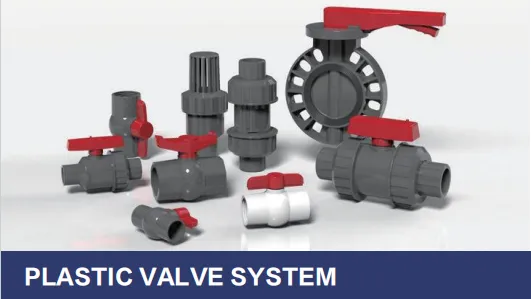
In the fast-paced world of construction, where deadlines loom and every delay carries a price tag, supply chain disruptions have become the silent project killers. Picture this: A commercial high-rise in Jeddah, Saudi Arabia, is weeks from completion, but the plumbing team is stuck. The plastic valves ordered for the building's water distribution system arrived late, and when they did, half were the wrong size. The drainage pipes? Their quality was subpar, failing the initial pressure test. The result? Workers idling, contractors penalized, and the client's trust fraying at the edges. Sound familiar? For builders, architects, and project managers, these scenarios are all too common—especially when it comes to critical components like plastic valve systems, PVC DWV pipes, and PPR fittings. But what if the solution wasn't just about finding a supplier, but a partner who could turn supply chain chaos into seamless efficiency? That's where a reliable plastic valve system supplier steps in.
In this article, we'll dive into the tangled web of supply chain challenges in the building materials industry, focusing on how plastic valve systems and related products (think PVC DWV pipes, UPVC pipes, and PPR fittings) act as the backbone of construction projects. We'll explore why choosing the right supplier isn't just a procurement decision, but a strategic move to keep your project on track, on budget, and up to code. Whether you're managing a residential complex in Riyadh or a hospital renovation in Dammam, the lessons here apply—because when your plastic valve system supplier delivers, your entire project thrives.
Before we talk solutions, let's unpack the problem: What exactly makes supply chains for plastic valve systems and pipes so prone to failure? For starters, the building materials industry is global. Raw materials like PVC resin might come from Europe, while manufacturing happens in Asia, and distribution centers are spread across the Middle East. Each link in this chain is a potential weak point. A delay at a resin factory in Germany can ripple through to a PVC DWV pipe supplier in Saudi Arabia, leaving contractors scrambling for alternatives.
Then there's quality control. Not all plastic valve system suppliers are created equal. Some cut corners to meet low prices, using recycled materials that compromise durability. Imagine installing a batch of plastic valves that crack under pressure six months after the building opens—that's not just a repair cost; it's a reputation hit. Or consider PVC DWV pipes that don't meet Saudi Arabian standards for drainage efficiency, leading to clogs and water damage in a residential building. These issues don't just cost money—they cost time, and in construction, time is money.
Inventory management is another headache. Many suppliers operate on a "just-in-time" model, but without the infrastructure to predict demand spikes. A sudden surge in commercial projects in Riyadh might leave a PPR pipe and fitting supplier unable to restock quickly, leaving your project with partial deliveries and incomplete systems. And let's not forget compliance: In regions like Saudi Arabia, building codes are strict, especially for public facilities like hospitals and schools. A plastic valve system that doesn't meet ASTM D2846 standards or DIN PN10 specifications isn't just a delay—it's a legal liability.
The result? Projects delayed by weeks or months, budgets ballooning by 10-15%, and teams stuck in a cycle of crisis management. But it doesn't have to be this way. The key is to shift from viewing suppliers as transactional vendors to strategic partners—ones who understand your project's unique needs and have the systems in place to deliver, no matter the circumstances.
To understand why supply chain reliability matters here, let's first clarify why plastic valve systems, PVC DWV pipes, UPVC pipes, and PPR fittings are non-negotiable in modern construction. These aren't just "parts"—they're the circulatory system of any building. Plastic valves control the flow of water, gas, and other fluids, ensuring everything from the shower in a hotel room to the sprinkler system in a school works flawlessly. PVC DWV (Drain-Waste-Vent) pipes handle wastewater and ventilation, preventing mold growth and ensuring proper drainage. UPVC pipes, known for their strength and corrosion resistance, are the backbone of water supply systems in residential and commercial buildings. PPR (Polypropylene Random Copolymer) pipes, meanwhile, excel in hot and cold water applications, making them ideal for kitchens and bathrooms.
Their importance only grows when you consider sustainability and cost-effectiveness. Unlike metal, plastic pipes and valves resist rust and corrosion, reducing maintenance costs over time. They're lightweight, making transportation and installation easier (and cheaper). And modern formulations, like those used in UPVC and PPR pipes, are durable enough to last 50+ years—meaning they're a long-term investment in a building's functionality.
But here's the catch: Their reliability depends entirely on the supplier. A faulty plastic valve can lead to leaks that damage drywall and electrical systems. A subpar PVC DWV pipe can cause sewage backups, creating health hazards. In a hospital, where sterility and safety are paramount, even a small issue with PPR pipes carrying hot water could disrupt patient care. That's why choosing a plastic valve system supplier who prioritizes quality isn't just smart—it's essential.
So, how do you separate the reliable suppliers from the ones that'll leave you high and dry? It starts with asking the right questions. Here are the key qualities to prioritize:
A top-tier plastic valve system supplier doesn't just have products—they have stock . Look for suppliers with regional distribution centers, ideally in Saudi Arabia if you're working in the Middle East. This cuts down lead times from weeks to days. For example, a supplier with a warehouse in Dammam can deliver UPVC pipes to a Riyadh project in 48 hours, not 4 weeks. They should also have a transparent inventory management system, so you can check stock levels in real time and plan orders accordingly. No more guessing games—just certainty.
Quality isn't optional. Your supplier should have certifications for every product line: ASTM D2846 for CPVC pipes, DIN PN10 for PVC fittings, ISO 9001 for overall quality management. For projects in Saudi Arabia, they should also comply with local standards set by the Saudi Standards, Metrology and Quality Organization (SASO). Don't just take their word for it—ask for test reports and third-party audits. A reliable PPR pipe and fitting supplier will happily share this information; a sketchy one will make excuses.
Plastic valve systems and pipes aren't one-size-fits-all. A hospital might need Class A fireproof CPVC pipes, while a residential building could use standard UPVC. A good supplier doesn't just sell you products—they help you choose the right ones. Look for teams with in-house engineers who can advise on material selection, installation best practices, and troubleshooting. For example, if you're unsure whether to use PPR or PEX pipes for a hotel's hot water system, your supplier should walk you through the pros and cons (PPR is more rigid and heat-resistant; PEX is flexible and easier to install in tight spaces) and help you decide based on your project's needs.
Every project has unique challenges. Maybe you need PVC DWV pipes with custom lengths for a historic building renovation, or plastic valves with specific pressure ratings for a high-rise's water system. A reliable supplier offers plastic valve system solutions, not just products. They should be able to customize sizes, materials, and even branding (like color-coding pipes for different systems) to fit your project. This flexibility isn't just convenient—it's a sign that they prioritize your success over their own inventory constraints.
If you're working in Saudi Arabia, a supplier who understands local regulations is a game-changer. They'll know which certifications are mandatory (like SASO), how to navigate import/export logistics, and even seasonal challenges (e.g., extreme heat affecting pipe storage). A Saudi Arabia building materials supplier with on-the-ground experience won't just deliver products—they'll help you avoid compliance pitfalls that could derail your project.
To help you make informed decisions, let's break down the most common pipe systems used in construction, their applications, and what to look for in a supplier for each. This table compares PVC DWV, UPVC, and PPR pipes—three staples in modern building projects:
| Pipe System | Primary Application | Key Benefits | Supply Chain Considerations |
|---|---|---|---|
| PVC DWV Pipe | Drainage, waste, and vent systems in residential and commercial buildings | Lightweight, corrosion-resistant, cost-effective, easy to install | Look for suppliers with consistent stock of standard sizes (1.5" to 12"); ensure compliance with ASTM D2665 standards |
| UPVC Pipe | Cold water supply, irrigation, and industrial piping | High strength, chemical resistance, long lifespan (50+ years) | Check for UV stabilization (critical for outdoor use in Saudi Arabia); supplier should offer pressure ratings (PN10, PN16) for different applications |
| PPR Pipe and Fittings | Hot and cold water systems in homes, hotels, and hospitals | Heat-resistant (up to 95°C), leak-proof joints, low thermal conductivity | Supplier should provide color-coded pipes (red for hot water, blue for cold); ensure fittings are compatible with international standards (ISO 15874) |
| Plastic Valve Systems | Flow control in plumbing, HVAC, and industrial systems | Precise control, corrosion resistance, low maintenance | Look for a range of valve types (ball valves, gate valves, check valves); supplier should offer technical specs for pressure and temperature limits |
Each of these systems has unique supply chain needs, but the common thread is reliability. A PVC DWV pipe supplier who can't meet delivery deadlines is just as problematic as a PPR pipe and fitting supplier who skimps on quality. That's why partnering with a one-stop provider—someone who offers multiple systems under one roof—can simplify your supply chain, reducing the number of vendors and streamlining communication.
Let's put this into practice with a real-world example (names have been changed for privacy). In 2024, a leading construction firm in Riyadh was midway through building a 20-story residential complex. The project was already two weeks behind schedule due to issues with their previous plastic valve system supplier—deliveries were inconsistent, and a batch of PVC DWV pipes failed a pressure test, requiring a full replacement. The client was frustrated, and the team was overworked.
Desperate for a solution, they switched to a new supplier—one with a local warehouse in Jeddah, certifications for all products (including ASTM and SASO), and a reputation for technical support. Here's what happened next:
The result? The project was back on track within three weeks, and the client was so impressed they signed a multi-project contract with the supplier. This isn't an anomaly—it's the difference a reliable partner makes.
The building materials industry is evolving, and so are supply chains. To stay ahead, look for plastic valve system suppliers who are embracing these trends:
Top suppliers are using AI and blockchain to track inventory in real time, predict demand, and even monitor raw material prices. Imagine logging into a portal and seeing exactly when your PPR pipe order will ship, where it is in transit, and when it will arrive—no more endless phone calls. This level of transparency reduces uncertainty and helps you plan better.
Eco-friendly building materials are no longer a niche trend—they're a requirement. Look for suppliers who use recycled materials in PVC pipes, offer lead-free plastic valves, and have carbon-neutral distribution networks. In Saudi Arabia, where sustainability goals are ambitious, this isn't just good for the planet—it's good for your project's green certifications.
Global supply chains are vulnerable to geopolitical disruptions (think port closures or trade wars). Smart suppliers are investing in regional manufacturing and warehousing. A Saudi Arabia building materials supplier with a factory in Dammam or Riyadh can avoid these issues, ensuring your materials are always available—even when global shipping is chaotic.
Building Information Modeling (BIM) is revolutionizing construction, and suppliers are joining in. Look for partners who provide 3D models of their products (PVC DWV pipes, plastic valves, etc.) that integrate with BIM software. This helps your team spot design conflicts early, reducing rework and delays.
Supply chain issues in construction aren't going away, but they don't have to derail your project. The key is to stop viewing plastic valve system suppliers, PVC DWV pipe suppliers, and PPR pipe providers as interchangeable vendors. Instead, treat them as strategic partners—ones who share your commitment to quality, timeliness, and success.
When you choose a supplier with consistent inventory, rigorous quality control, technical expertise, and regional knowledge, you're not just buying pipes and valves—you're buying peace of mind. You're ensuring your project stays on track, your budget stays intact, and your reputation stays strong. In a industry where every detail matters, that's the ultimate competitive advantage.
So, the next time you're sourcing plastic valve systems or pipes, ask yourself: Is this supplier just selling products, or are they invested in my project's success? The answer could be the difference between a delayed, over-budget nightmare and a smooth, successful build. Choose wisely—and build better.
Recommend Products












