


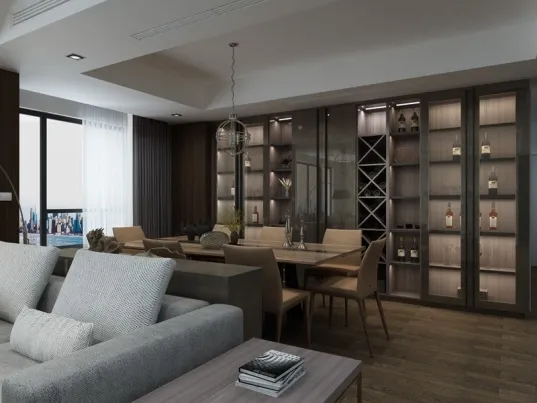
Where Timeless Craftsmanship Meets Modern Wine Storage Elegance
Picture running your hand across the surface of a furniture piece that feels substantial – not flimsy or hollow, but genuinely, reassuringly solid. That tactile experience speaks volumes about quality, doesn't it? Merriam-Webster defines "solid" as "being without internal cavity... reliable... possessing definite capacity for resisting forces." Now imagine applying that definition to wine storage. That's precisely what solid wood wine cabinets deliver: reliability, resilience, and that irreplaceable feeling of authenticity.
While sprawling underground cellars have long been wine aficionados' dream, solid wood wine cabinets are emerging as the sophisticated alternative for modern living. They’re not just storage units – they’re functional art, conversation starters, and guardians of your precious vintages. And unlike underground caves requiring construction headaches, these wooden guardians blend warmth and luxury into your living space.
It's about permanence. Solid wood endures. It's tactile history you can feel – much like how proper temperature-controlled wine cabinets preserve liquid history in your bottles. The marriage of these two concepts creates something magical.
The Solid Advantage: Why Wood Matters
Not all wood is created equal, just as not all wines taste the same. The material itself embodies characteristics that define the cabinet's performance:
Natural Insulation
Solid wood naturally buffers temperature fluctuations – crucial since temperature stability matters more than exact chilliness for wine preservation. Unlike metal or glass cabinets requiring aggressive cooling systems, wood gently moderates the microclimate.
Vibration Control
Ever notice how loud modern refrigerators hum? Vibrations agitate wine sediments and disrupt aging. Solid wood dampens these disturbances, creating a calmer environment where wines mature undisturbed – a feature impossible with most built-in metal units.
Inherent Durability
Scratched laminate? Peeled veneer? Solid wood withstands decades of use. A quality cabinet develops a patina – surface wear that tells its story without diminishing function. Think heirloom furniture passed through generations.
The choice of wood species isn't just aesthetics either. Oak offers strength and distinctive grain, walnut brings warm elegance, while bamboo provides sustainable hardness. Each species contributes to climate stability and vibration control differently. It's science disguised as artistry.
Wine Cabinet vs. Wine Cellar: Side-by-Side Comparison
| Feature | Underground Wine Cellar | Solid Wood Wine Cabinet |
|---|---|---|
| Installation | Major construction (excavation, waterproofing, ventilation) | Plug-and-play placement; requires minimal space adjustment |
| Space Requirements | Dedicated room/basement space (50+ sq ft minimum) | Flexible footprint (fits dining rooms, offices, libraries) |
| Cost | $20,000-$100,000+ (construction + cooling systems) | $3,000-$15,000 (single investment including cooling tech) |
| Humidity Control | Requires separate humidification system | Wood naturally regulates humidity (optimal 50-70%) |
| Accessibility | "Out of sight, out of mind" storage | Daily visual enjoyment; easy guest access |
The environmental advantage deserves special attention: maintaining 55°F/12°C year-round in a large cellar consumes enormous energy. Thermoelectric-powered solid wood cabinets use energy equivalent to a lightbulb – crucial as wine storage moves toward sustainable luxury .
Beyond Storage: The Cabinet as Living Space Art
Functional excellence must marry visual harmony. Imagine these scenarios:
- A richly stained walnut cabinet anchoring a contemporary dining room, its glass doors revealing glimmering bottles like jewels in a display case
- A bamboo unit with minimalist lines complementing mid-century decor while silently storing organic Chardonnays
- An antique-reproduction oak cabinet becoming the focal point of a traditional library – books on one wall, liquid literature on another
The lighting matters too. Integrated LED strips that cast soft glows over labels transform practical storage into atmospheric mood lighting. Adjustable shelves accommodate Champagne bottles or magnums without compromising the overall aesthetic. It's where custom furniture design meets enology.
This isn't furniture that hides in garages or basements. It earns its place in your living spaces, whispering sophistication without shouting ostentation. The warmth radiating from natural grain patterns complements wine’s social essence.
Choosing Your Solid Wood Guardian
Not all cabinets are created equal. Consider these essential factors when selecting:
- Capacity Needs - Collections grow! Buy for 10-20 bottles beyond your current inventory.
- Wood Species - Balance aesthetics, durability, and natural insulation properties.
- Sealing Quality - Double-sealed glass doors prevent UV damage and air leaks.
- Temperature Precision - Dual-zone models better serve red/white collections.
- Shelving - Look for recessed bottle cradles preventing slippage.
Also consider:
- Integrated inventory apps that track your collection via barcode scans
- Lockable doors securing rare vintages from overly enthusiastic guests
- Frame construction - proper joinery (dovetails) matters more than decorative flourishes
And remember: temperature-controlled wine cabinets aren't mere luxury – they're preservation essentials that mimic ideal cellar environments above ground.
The appeal of underground cellars remains romantic. But solid wood cabinets represent a pivot toward accessible elegance – no construction dust, no distant storage, no wasted square footage. They embody tangible luxury: the heft of real wood, the sheen of fine craftsmanship, the reassurance of perfect preservation. In a world where too much feels disposable, these wooden sanctuaries promise permanence for both your wines and your home’s soul.










