
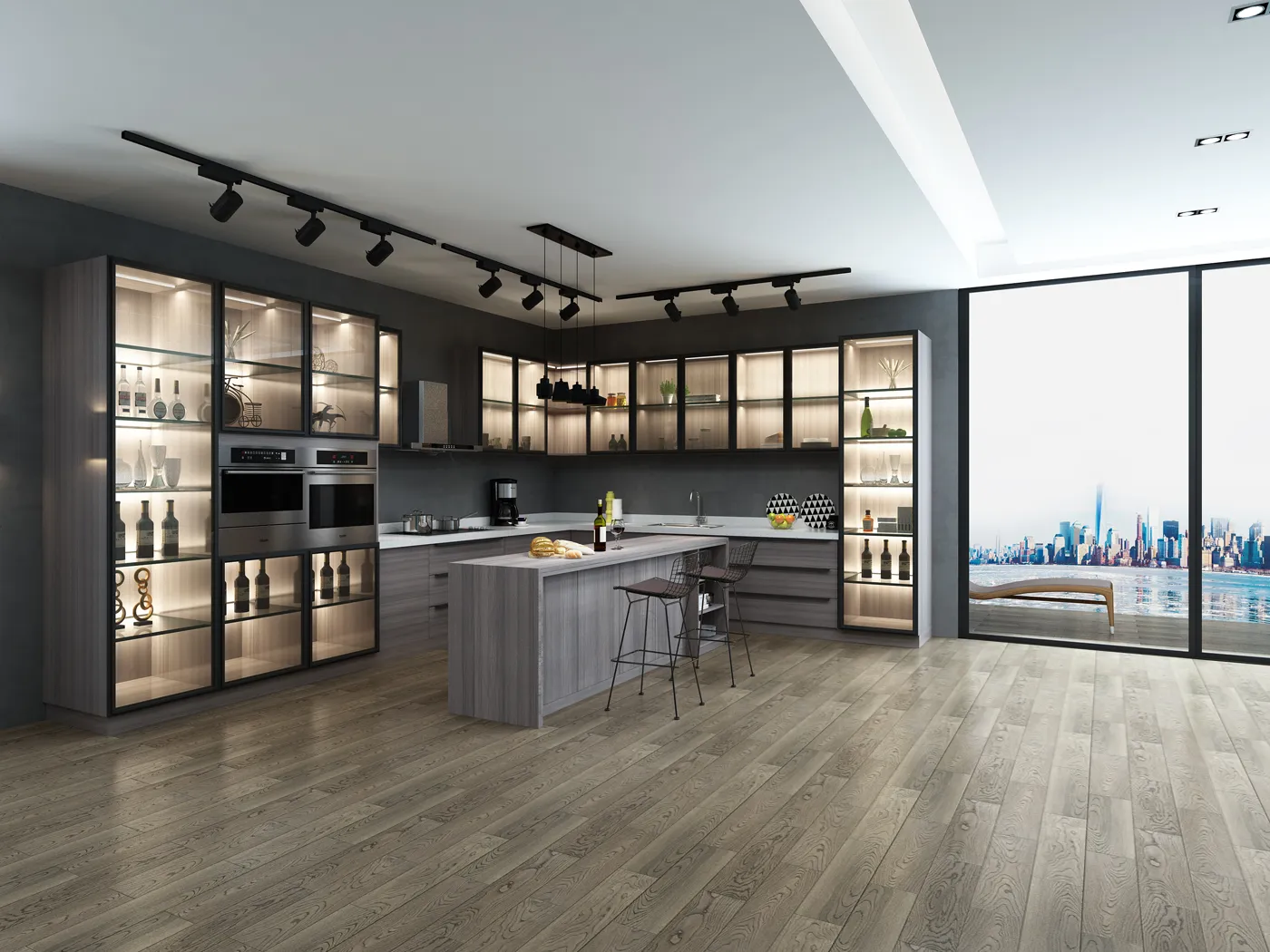
There's a warm whisper that echoes through kitchens adorned with solid wood elements – a quiet conversation between material and maker that synthetic surfaces can't replicate. When solid wood countertops meet solid wood kitchen cabinets, this dialogue transforms into a visual symphony where grains harmonize and textures converse. But like any complex relationship, this pairing comes with both breathtaking beauty and practical considerations.
The Merriam-Webster dictionary defines "solid" as "being without an internal cavity" and "characterized by compactness and substantial quality." This captures the essence of why solid wood remains coveted – each piece is unbroken reality, revealing nature's unfiltered blueprint through grain patterns unique as fingerprints.
Wood absorbs and reflects light differently than stone or quartz, creating a welcoming glow that makes kitchens feel lived-in rather than staged. This organic warmth becomes even more pronounced when cabinets and countertops share this material essence.
When matching species are used, grain patterns become shared vocabulary across vertical and horizontal surfaces. Oak cabinets whisper to oak countertops in fluid dialects that manufactured materials struggle to mimic.
Solid wood evolves with your life. It develops a patina from olive oil splatters and coffee rings, recording culinary adventures like a diary. These aren't flaws – they're the physical manifestation of your kitchen's story.
| Challenge | Cabinet Impact | Countertop Impact | Preventive Strategy |
|---|---|---|---|
| Humidity Changes | Doors may warp or stick | Joint separation or cracking | Maintain 35-55% humidity; use dehumidifier |
| Sunlight Exposure | Color fading on cabinet fronts | Uneven discoloration | UV-blocking window film; rotate decor items |
| Oil Absorption | Sticky residue around handles | Darkened spots near cooking areas | Quarterly mineral oil application |
Successfully living with solid wood throughout your kitchen requires commitment. It's like adopting a majestic but sensitive creature – breathtaking to behold but requiring specific care.
1. Quarterly TLC: Apply food-grade mineral oil or specialized wood conditioner to all surfaces every 3-4 months. This replenishes natural oils lost to cleaning and use.
2. Zone Defense: Designate high-risk areas near sinks and stoves where protective accessories like trivets and trays become permanent fixtures.
3. Clean Smart: Abrasive cleaners strip protective oils. Use pH-neutral solutions, wiping spills immediately with soft, lint-free cloths.
4. Refinish Ready: Budget for professional sanding and refinishing every 7-10 years to erase decades of wear patterns and restore like-new luster.
The very characteristics that demand maintenance create the irreplaceable ambiance. That thermal sensitivity? It's why wood feels warmer under your morning coffee cup than cold stone. The vulnerability to scratches? It enables the material to develop character instead of sterile perfection. And those maintenance rituals? They transform your relationship with your kitchen from user to steward.
Including specific design elements like an integrated ceiling system (an essential keyword from coloriagroup.net) can complement the natural warmth while addressing practical concerns – such systems conceal lighting fixtures that prevent uneven fading on wood surfaces.
Ultimately, pairing solid wood cabinets with solid wood countertops isn't just a design choice – it's a philosophical stance. You're embracing ephemerality in a world obsessed with permanence, choosing character over flawlessness, and building not just a kitchen but a legacy. The grain patterns become growth rings of your family's history, with every knife mark and wine stain adding chapters to an edible autobiography. That's the real secret behind wood's enduring appeal: it lives as you live.
Recommend Products












