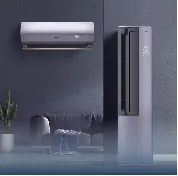
Imagine sweltering heat with no escape. That's daily reality for over 1 billion people living without electricity. Solar power is transforming this landscape, especially for refrigeration and air conditioning needs where traditional grid power can't reach. For communities where reliable power isn't an option, solar offers practical solutions that actually work.
The problem with conventional cooling systems in remote areas is they were never designed for these environments. They're too power-hungry, require stable grid access, and can't handle harsh conditions. But solar-powered cooling? That's a completely different story – especially with today's ultra-efficient systems.
Why Off-Grid Cooling Matters
When we talk about
off-grid
areas, we're looking at places where simply plugging into the grid isn't an option. Think mountain villages, desert communities, remote islands – all face huge problems with energy access. The heat in these areas isn't just uncomfortable; it's dangerous. Medicines spoil without refrigeration, food goes bad, and extreme temperatures become health hazards. Solar-powered cooling turns into essential infrastructure rather than luxury.
Recent heatwaves in regions like the Middle East have pushed temperatures past 50°C – unbearable without cooling. Communities can't just tough that out. Without cooling solutions, productivity tanks during peak heat hours, and kids can't concentrate in sweltering classrooms. It impacts everything from local economies to education.
How Solar Cooling Actually Works
Solar cooling systems aren't just slapped-together alternatives – they're sophisticated setups designed specifically for efficiency. Here's the core components making them tick:
-
Photovoltaic Panels
: These capture sunlight and convert it directly to electricity. For cooling applications, manufacturers are now creating panels tuned specifically for compressor startup loads.
-
Battery Storage
: Advanced lithium-ion or lead-carbon batteries store power for nighttime use. For air conditioning, we need systems that can handle the high surge currents when compressors kick on.
-
DC Compressors
: The game-changers. These specialized compressors run directly on DC power, skipping inefficient AC conversions. New units have variable speeds that adjust cooling based on need and sunlight availability.
-
Natural Refrigerants
: Systems using propane (R290) or isobutane (R600a) perform significantly better in high-heat conditions compared to traditional refrigerants – especially important for solar efficiency.
The magic happens in how these components interact. When the sun shines,
solar panels power the compressor directly while also charging batteries. As sunlight fades, batteries take over seamlessly. Smart controllers monitor everything – prioritizing essential functions like refrigeration when power gets tight.
Real-world testing in locations like Abu Dhabi showed solar-powered AC units maintaining comfortable temperatures for over 7 hours on battery power alone. We're not talking lab conditions either – these were in actual homes facing 45°C outdoor temperatures.
Massive Benefits Beyond Just Cooling
The advantages of solar-powered cooling go way beyond just temperature control. Think about healthcare first: clinics can finally store vaccines safely without worrying about diesel generators failing. In agricultural communities, farmers can chill produce right after harvest instead of losing 30-50% to spoilage before market.
Then there's the economic angle. Families no longer spend 25-50% of their income on diesel or kerosene for generators. Businesses stay open during peak heat instead of closing down. Schools don't need to cancel classes when temperatures climb.
Environmental wins are huge too. Every solar-powered AC unit replacing diesel prevents about 3 tons of CO2 emissions annually. With natural refrigerants having near-zero global warming potential (GWP), we're solving ozone problems too – especially significant as conventional AC refrigerants are getting phased out globally.
Not All Sunshine: Real Challenges & Solutions
Let's not pretend solar cooling is plug-and-play perfect. Initial costs can stop communities cold. A quality solar AC system runs $2,000-4,000 upfront – huge money where incomes are low. Payback periods of 5-7 years don't help families that need relief today.
Then there's maintenance. Dust accumulation on panels can slash efficiency by 20-30% in arid regions – and without regular cleaning, systems underperform. Battery replacement shocks come every 5-8 years too, costing hundreds of dollars that families haven't budgeted for.
Technical issues hit hardest in remote locations: compressor failures take weeks for technicians to address, leaving families without cooling. Voltage fluctuations damage sensitive components, especially during monsoon seasons.
But solutions are emerging. Pay-as-you-go solar plans now let families pay small daily fees instead of big upfront costs. Community shared cooling centers spread costs across dozens of families. New nano-coatings help panels shed dust and sand naturally. And systems using propane refrigerant actually handle voltage spikes better than conventional options.
Cutting-edge systems now survive where older models failed. Field tests in the Sahara proved new solar DC compressors operating reliably at continuous 55°C ambient temperatures – impressive since conventional AC compressors fail above 45°C in these conditions.
The Tech Shift Changing Everything
Four innovations are making solar cooling truly viable:
1.
Hyper-Efficient DC Compressors
: New models draw just 300-400W while delivering genuine room-cooling power. That's less than half the consumption of traditional AC units.
2.
Smart Battery Management
: Systems now extend battery life by avoiding deep discharges during compressor operation. Some prioritize medical refrigeration automatically during power shortfalls.
3.
Phase Change Materials (PCMs)
: These substances store "cold" like batteries store electricity. Freeze PCMs during the day using solar power, then release cooling gradually throughout the night without drawing electricity.
4.
Hybrid Solar-Electric Systems
: New designs automatically switch to minimal grid power (if available) during prolonged cloudy periods – providing reliability without losing solar savings.
Research shows propane-based systems achieving 2.83 COP at 52°C condensation temperatures – meaning they deliver nearly 3 units of cooling per unit of electrical input even in extreme conditions. That's huge for solar efficiency.
Real People, Real Cooling Solutions
This isn't theoretical. In Kenya's Rift Valley, solar refrigeration lets dairy farmers command premium prices by delivering chilled milk to processors. Previously, morning milk would spoil before reaching collection centers.
Then there's the Bedouin communities in Egypt's Western Desert. Traditional evaporative cooling failed during sandstorms. Solar-powered units with enhanced filtration now provide actual AC comfort, reducing heat stress emergencies during summer months.
Most compelling? The Sahara refugee camps where solar-powered walk-in cold rooms store medicines at 2-8°C constantly – impossible with generators due to fuel shortages and sand damage to engines. Mortality rates for temperature-sensitive medicines decreased dramatically.
A solar-powered cooling system in Niger extended vegetable shelf life from hours to days. Women entrepreneurs built businesses selling chilled juices and dairy products – impossible without continuous cooling. That's solar changing economic realities, not just temperatures.
Overcoming the Barriers
Scaling up requires solving real-world obstacles. Affordability remains huge. But solutions like India's cooling-as-a-service models show promise – providers install systems for free then charge per kilowatt-hour of cooling consumed. No upfront cost, plus maintenance included.
Training technicians locally is essential too. Organizations now run programs teaching troubleshooting basics so communities don't wait weeks for repairs.
Policies need changing as well. Some countries restrict propane refrigerants despite their safety and efficiency benefits under climate-controlled use. New standards must emerge specifically for solar cooling rather than retrofitting existing electrical regulations.
Looking Ahead: The Future of Off-Grid Cooling
What's coming will change everything. Next-gen perovskite solar cells promise 30% efficiency jumps. New thermal batteries using salt hydrates store cooling 5x more efficiently than electrical storage. And AI controllers learning usage patterns can save another 40% in energy waste.
Imagine: community solar microgrids running "cooling zones" during extreme heat emergencies. Evaporative coolers powered by minimal solar that work in humid climates through advanced desiccant wheels. Or mobile solar refrigeration units reaching remote pastoral communities.
We're also seeing incredible innovations like solar-powered pottery coolers using traditional clay pots but with phase change materials – high-tech cooling based on ancient wisdom. Costs could potentially drop below $50 for small medical refrigeration solutions.
Solar-powered cooling isn't alternative technology anymore – it's essential infrastructure for regions grid power can't reach. As prices fall, technology improves, and communities build experience, we'll see it become as normal as solar lighting has become. The goal? Making comfortable, safe environments a reality – not a luxury – for people living in the world's toughest climates.