
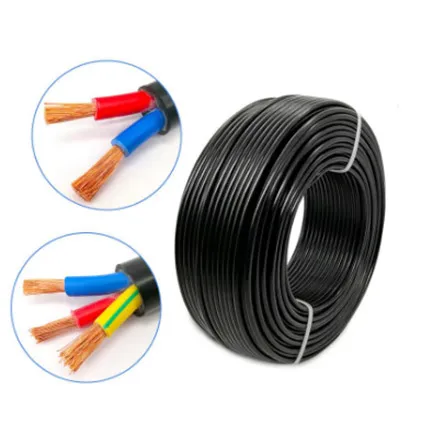
Hey there, solar enthusiasts! If you're diving into the world of PV power stations, you already know the big players: panels, inverters, racks. But today, let's talk about the unsung heroes – the DC cables, combiner boxes, and grid-connected cabinets that literally keep the lights on. Forget dry technical manuals; we're having a real talk about what makes these components tick and why getting them right matters more than you might think.
Here's the truth: Even the fanciest solar panels are useless if the power can't reliably travel from point A to point B. That's where your cable and connection choices become make-or-break factors for your entire system.
Picture this: It's the peak of summer, your solar panels are working overtime under that blazing sun, pouring out electrons like there's no tomorrow. Now imagine those precious electrons trying to squeeze through an undersized cable that wasn't built for this heat. That's how systems underperform – or worse, fail. DC cables aren't just passive conduits; they're active players in your energy harvest.
I remember visiting a farm installation where the owner cheaped out on cables. Within 18 months, he'd replaced more cable than he saved, plus lost harvest during peak growing season. Don't be that guy.
Here's the breakdown I wish I had when starting out – practical rules that keep systems humming:
Pro tip: Touch test your cables after a sunny day. If they're too warm to comfortably hold for 10 seconds, you've got sizing issues. Simple, but effective diagnostics!
Think of combiner boxes as the air traffic controllers of your PV array. Without them, you've got electrons crashing into each other like planes without guidance systems. These unassuming boxes take multiple strings and elegantly merge them into clean, manageable trunk lines heading toward your inverter.
Beyond basic combining, modern combiner boxes are packed with intelligence:
I once watched a technician troubleshoot for hours before realizing a single combiner box had saved the entire system during a nearby lightning strike. The client never knew how close they came to a $20,000 disaster.
When selecting combiner boxes, think orchestra conductor – you want precision, reliability, and visibility:
Working with top-tier solar panel suppliers often gives access to integrated monitoring systems – definitely worth asking about.
This is where your quiet DC energy transforms into AC power ready to join the grid party. Grid-connected cabinets bridge two worlds with sophisticated tech that would make Frankenstein proud – safely and reliably.
Fun fact: The difference between "meets code" and "robust design" shows up during voltage fluctuations. Quality cabinets keep producing income while cheap ones shut down for days.
Inside these cabinets lives critical technology:
Not all cabinets are created equal. Here's where cutting corners costs thousands:
A colleague installed cabinets that barely met minimum spec. When a heatwave hit, inverters shut down daily during peak rates. The lost income paid for upgraded cabinets within two seasons. Ouch.
Now the magic happens – or doesn't. Too many systems suffer from "component mismatch syndrome" where everything is quality but works poorly together. Avoid these pitfalls:
Your combiner box might output 1000V DC, but if your inverter peaks at 900V DC input, you're leaving energy on the table. Match voltage windows like puzzle pieces.
Can your combiner box talk to your inverter? Does your cabinet reporting integrate with your monitoring platform? Don't create data siloes.
Installation reality check: Always leave service loops! That extra meter of cable seems wasteful until you need to replace a connector.
After countless installations and inspections, these patterns emerge:
I once traced a mysterious 5% performance loss for days only to discover labeling errors had strings paralleled at different voltages. The fix? 30 minutes once we found it. The search? Two full days.
At the end of the day, solar installations are like ecosystems. The DC cables are the veins, combiner boxes the nervous system, and grid-connected cabinets the ambassadors to the outside world. When any part suffers, the whole system underperforms.
Whether you're installing a small commercial array or a utility-scale farm, remember three truths:
The solar landscape keeps evolving, but these fundamentals remain. Get your DC pathways right, and your panels will thank you with decades of reliable service. Now go build something amazing!
Recommend Products












