
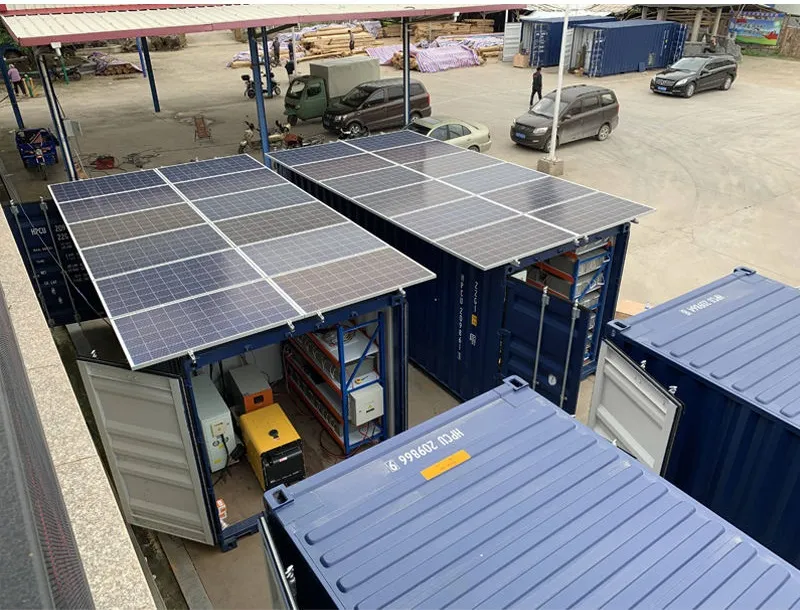
As America shifts toward cleaner energy, understanding the tangible impacts of solar versus fossil fuels isn't just political—it's personal. Let's break down the numbers showing how this choice affects our air, water, and future.
Switching to solar isn't just about feel-good environmentalism—it’s measurable. Consider this: A typical residential solar panel system offsets 3-4 tons of carbon emissions annually . That's equivalent to planting 100 trees every year. Fossil fuels? Coal plants alone produce over 1.7 billion metric tons of CO₂ annually in the US.
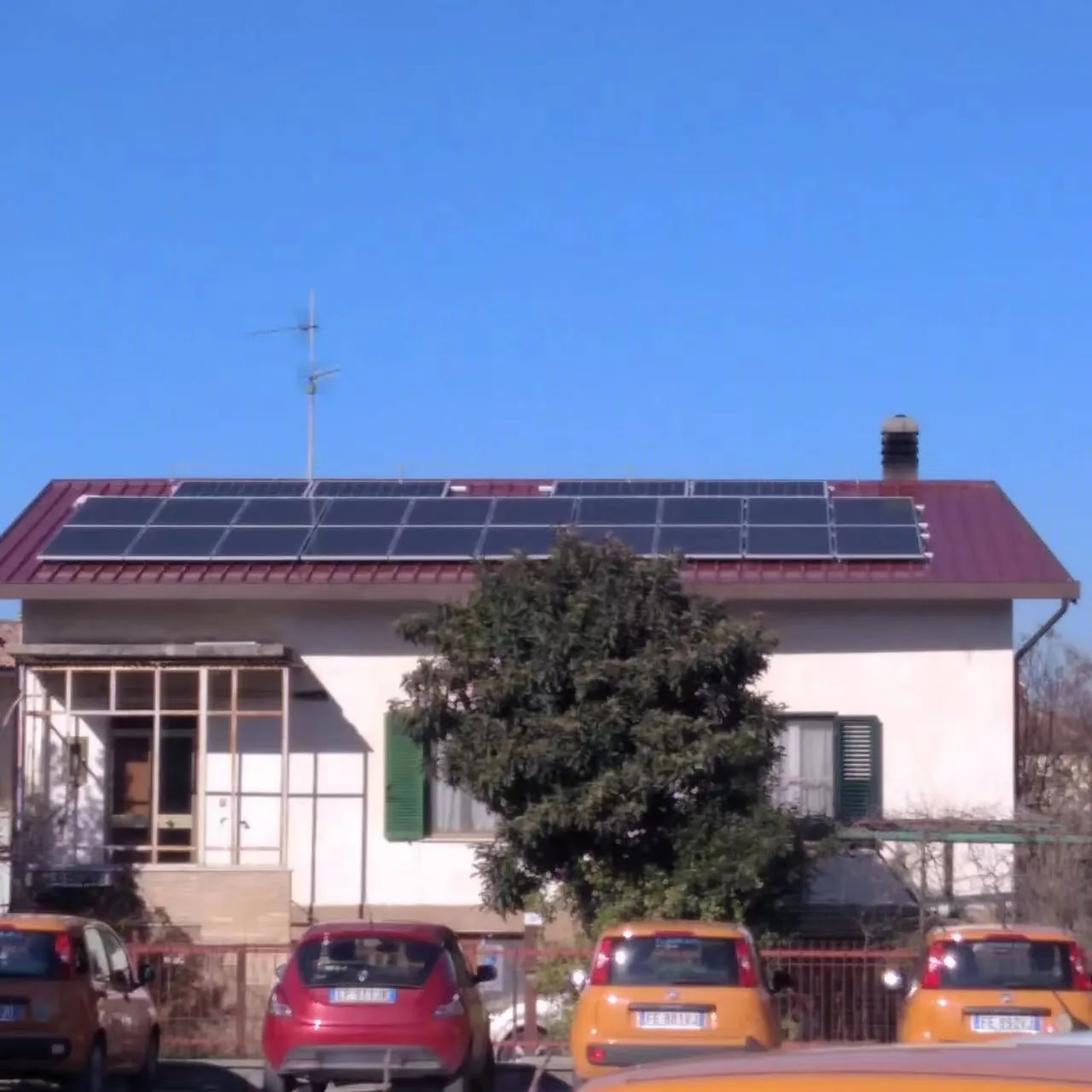
But it's not just about carbon. When we talk about residential solar panels installation, we're looking at:
⚡ Real Talk: Coal-fired power plants generate about 35% of U.S. electricity but contribute 77% of the sector’s carbon emissions . Solar? Just 0.6% of our electricity mix today—but growing fast enough to flip these ratios within decades.
| Environmental Factor | Solar Panels (per kWh) | Coal (per kWh) | Natural Gas (per kWh) |
|---|---|---|---|
| CO₂ Emissions | 40g | 1,000g | 450g |
| Water Consumption | 0.1 gallons | 22 gallons | 2.5 gallons |
| Land Usage (acres/GWh/year) | 3.5 | 19 (mining included) | 15 (extraction included) |
| Toxic Emissions (mercury, lead, etc.) | None | High | Moderate |
The dirty secret? Coal plants generate more hazardous coal ash than electricity— 130 million tons annually stored in leaking ponds. Solar panels just sit silently producing clean power for decades.
Fossil Fuels: Start with destructive extraction—mountaintop removal for coal, fracking for gas. Transport consumes diesel, refinement emits benzene. Combustion releases 200+ pollutants.
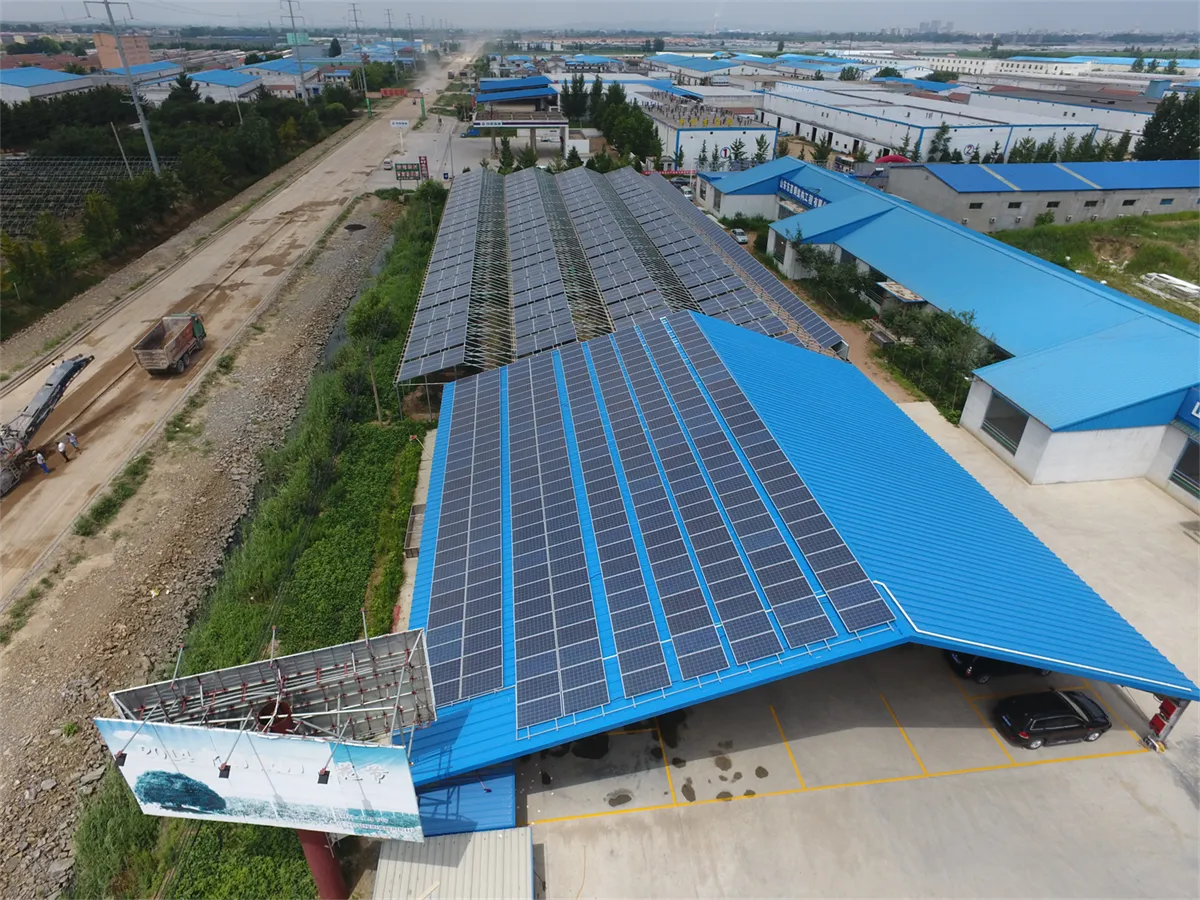
Solar: Manufacturing does require energy (mostly fossil-fueled currently), but panels "pay back" this carbon debt within 1-3 years. After that? Pure carbon avoidance for 25+ years. With recycling programs like PV Cycle reclaiming 96% of materials , solar's closing its loop.
Here's the kicker: Modern panels produce 15-30x more energy over their lifespan than required for manufacturing.
When we talk about fossil fuels, we're talking about real human impacts:
Solar farms? Their biggest complaint is occasional glare. Studies of communities near solar installations show:
Critics claim solar "doesn't work when the sun isn't shining." But let's unpack that:
Real Data: Modern solar farms achieve 25-30% capacity factors in sunny regions, with hybrids (solar + batteries) pushing towards 60%. That's comparable to gas turbines (40-60%) and far cleaner.
Pair solar with battery storage—prices down 89% since 2010 —and you've got a grid that doesn't pollute while keeping lights on. Meanwhile, coal plants take hours to ramp up to power demand changes.
How much CO₂ does a typical home solar system actually offset?
A 6kW residential solar installation offsets approximately 8,000 pounds of CO₂ annually —equivalent to not burning 4,000 pounds of coal. Over 25 years, that’s the carbon sequestration of 30 acres of forest.
What about rare minerals in solar panels?
Silicon-based panels (85% of the market) use abundant materials: Sand-derived silicon and aluminum frames. Mining impacts exist but pale compared to fossil fuels’ extraction footprint. Recycling rates now exceed 90% in Europe.
Doesn't manufacturing solar panels create pollution?
Yes—but context matters: Energy-intensive processes are rapidly decarbonizing with renewables. China’s solar factories now run on solar power, cutting emissions per panel by 60% since 2010.
Quantitatively, solar panels offer staggering environmental advantages over fossil fuels:
The transition isn't theoretical—it's happening in real-time from Kentucky farmhouses to urban rooftops. Each solar panel installed isn't just saving money; it's actively healing our air, water, and climate.
Recommend Products












