
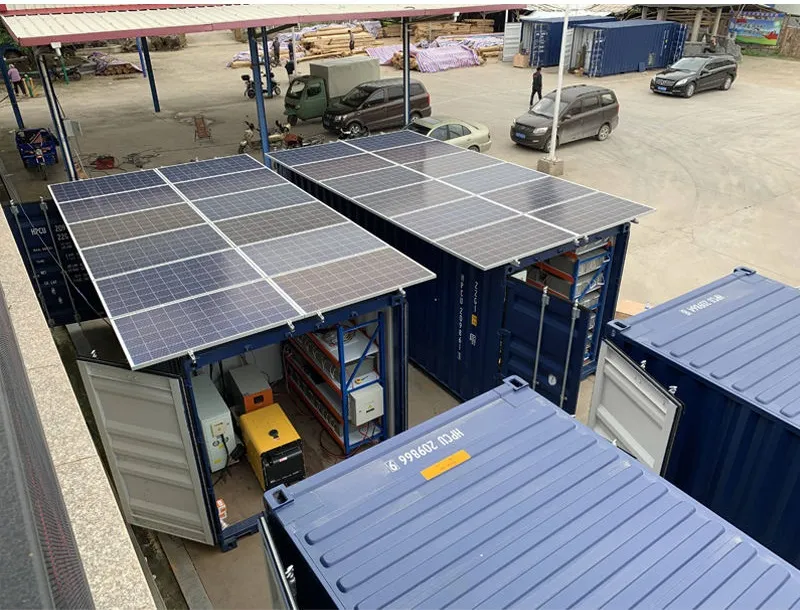
The construction industry is undergoing a profound transformation. As energy costs continue to rise and environmental regulations become more stringent, builders, contractors, and property developers are increasingly turning to solar energy as a cornerstone of modern building design. Whether you're planning a residential community, a commercial complex, or an industrial facility, integrating solar panels solutions into your project is no longer just an option — it's becoming a competitive necessity.
Solar photovoltaic (PV) technology converts sunlight directly into electricity, offering building owners a clean, renewable energy source that can significantly reduce operational costs. The amount of sunlight that strikes the earth's surface in just an hour and a half is enough to handle the entire world's energy consumption for a full year. This immense potential is driving the global adoption of solar technology across all building types.
For construction professionals, the benefits of incorporating solar panels into projects are clear: reduced long-term energy expenses, improved property values, compliance with green building standards, and an enhanced market reputation for sustainability. Commercial buildings with solar installations typically see a substantial decrease in electricity bills, while residential properties with solar panels often command higher selling prices.
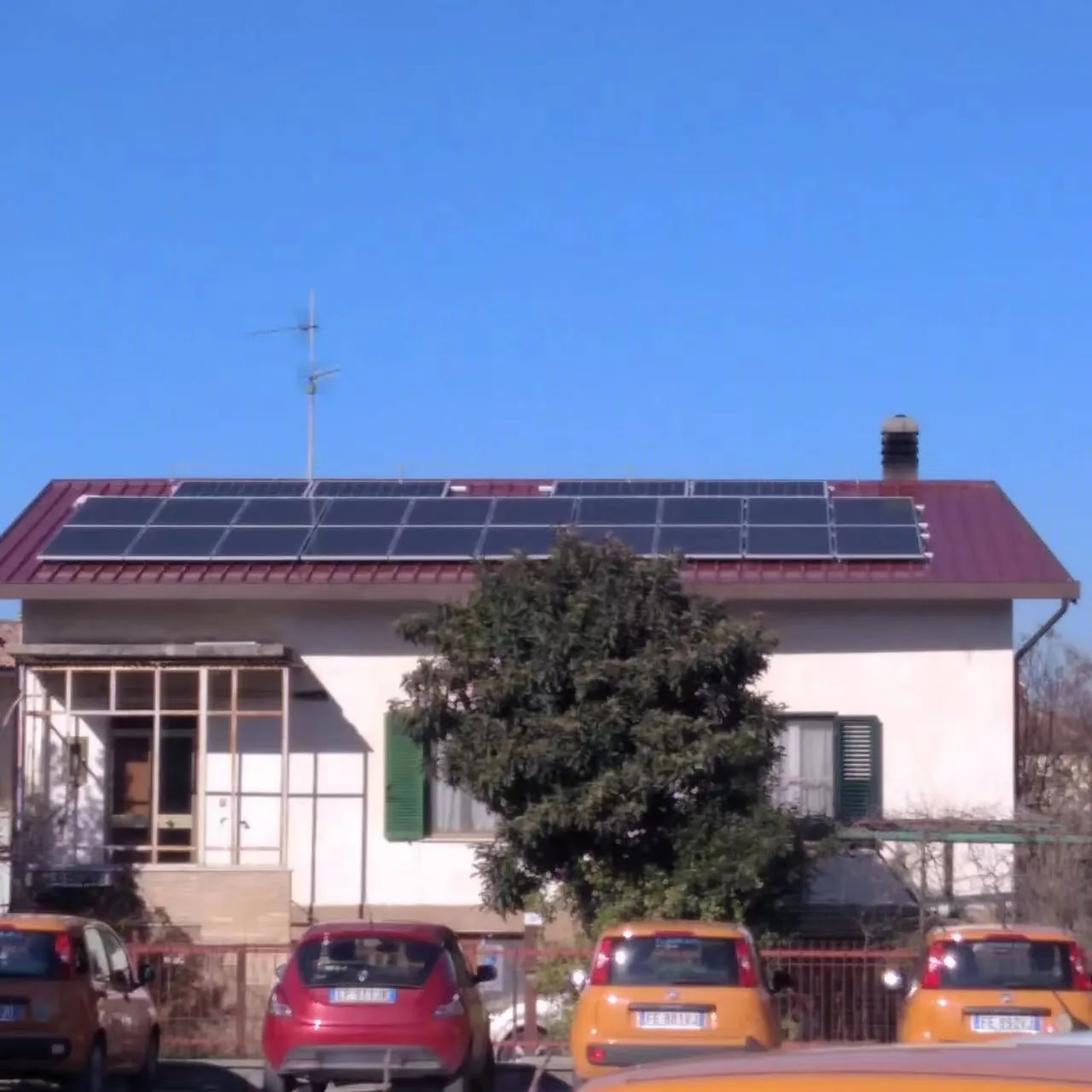
Not all solar panel installations are the same. The right solution depends on the building type, roof structure, energy requirements, and budget. Here are the primary categories to consider:
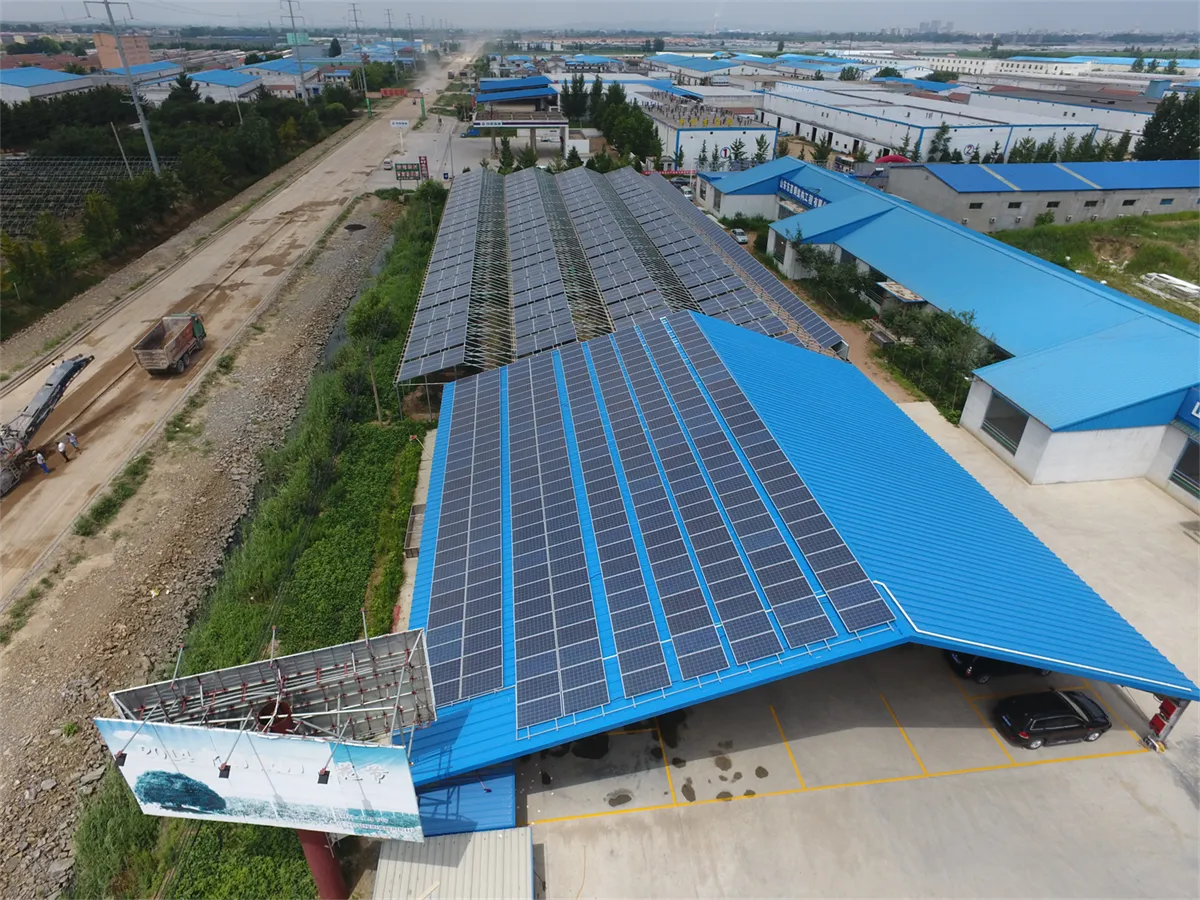
Designed for office buildings, shopping centers, hotels, and industrial facilities, these panels are optimized for larger-scale energy generation. They can be installed on flat roofs, integrated into building facades, or deployed as ground-mounted arrays. For commercial projects, the return on investment often comes within 3 to 7 years, after which the building essentially generates free electricity.
Suitable for homes and apartment complexes, residential systems are typically smaller in scale but still deliver significant energy savings for homeowners. Modern residential panels are designed to be aesthetically pleasing, with slim profiles and all-black designs that blend seamlessly with most roof types.
Ideal for buildings with unconventional roof shapes, curved surfaces, or temporary installations. Flexible solar panels are lightweight and can be installed where traditional rigid panels cannot. Portable options are perfect for construction sites, mobile offices, or remote locations where grid power is unavailable.
When sourcing these products, working with a reliable building material supplier who understands the technical requirements of solar installations is essential. The quality of panels, mounting systems, and associated electrical components directly impacts the performance and longevity of the entire system.
Selecting the right solar panels requires careful evaluation of several critical factors:
Modern solar panels vary in efficiency, typically ranging from 15% to over 22%. Higher-efficiency panels generate more electricity per square foot, making them ideal for buildings with limited roof space. When evaluating panels, look at the performance under real-world conditions, not just laboratory test results.
Quality solar panels should come with a performance warranty of 25 years or more. Look for panels that have been tested for extreme weather conditions, including high winds, hail, and heavy snow loads. The best manufacturers provide transparent degradation rates, showing exactly how much efficiency the panels will lose over time.
While the upfront cost of solar panels is an important consideration, the long-term savings on electricity bills and potential government incentives often make the investment worthwhile. Bulk purchasing through a wholesale supplier can significantly reduce per-unit costs, making solar more accessible for large-scale projects.
Reputable solar panels carry certifications such as IEC, UL, or TUV, ensuring they meet international safety and performance standards. Always verify that the panels you purchase comply with local building codes and electrical regulations in your region.
One of the biggest challenges in construction projects is coordinating multiple suppliers for different materials. This is where a one-stop architectural solution provider delivers exceptional value. Instead of dealing with separate vendors for solar panels, electrical fixtures, cables, distribution boxes, and other building materials, project managers can consolidate their procurement through a single, trusted source.
This integrated approach offers several advantages:
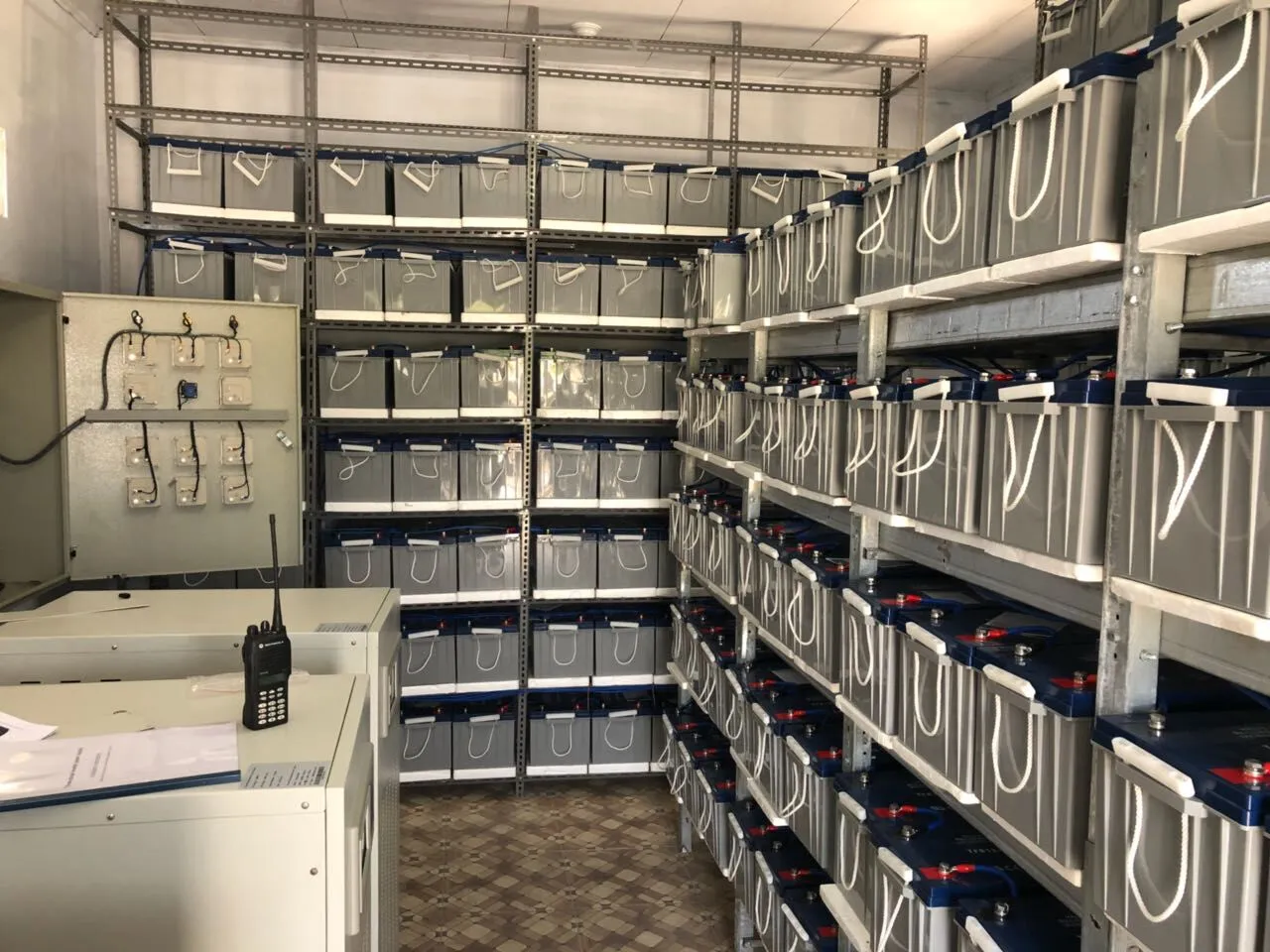
A complete solar panel installation requires more than just panels. It also depends on a range of supporting materials and components. Here are the key categories that should be sourced alongside your solar panels:
High-quality cables, switches, and distribution boxes are critical for safely transmitting solar-generated electricity throughout the building. Properly rated electrical components ensure system safety and compliance with local regulations.
These serve as the central hub for managing and protecting electrical circuits, ensuring that solar power is properly distributed and controlled. A well-designed distribution system is essential for both safety and performance.
The structural integrity of the roof and the quality of mounting hardware directly affect the safety and performance of solar installations. Professional-grade mounting systems ensure that panels remain secure even in severe weather conditions.
Every construction project is unique, and the ideal solar panels solutions depend on the specific requirements of the building, the local climate, and the project budget. The key is to partner with a supplier who can provide not only the products but also the expertise to guide your decision-making.
For contractors, developers, and architects looking to incorporate solar technology into their next project, the most important step is to start with a clear assessment of energy needs and site conditions. From there, working with an experienced supplier who can provide end-to-end support — from product selection and customization to logistics and after-sales service — makes all the difference between a successful installation and a costly mistake.
Solar energy is no longer a futuristic concept — it is a practical, cost-effective reality for today's construction industry. By choosing the right solar panels and integrating them with complementary building materials from a reliable supplier, you can deliver projects that are more energy-efficient, more sustainable, and more attractive to buyers and tenants.
Whether you're building a single-family home, a multi-story commercial tower, or an industrial warehouse, the right solar panels solutions are available. The key is to work with a partner who understands the full scope of your construction needs — from walls and flooring to electrical systems and renewable energy solutions. Contact COLORIA GROUP today to explore how we can support your next project with comprehensive building material solutions.
Recommend Products












