
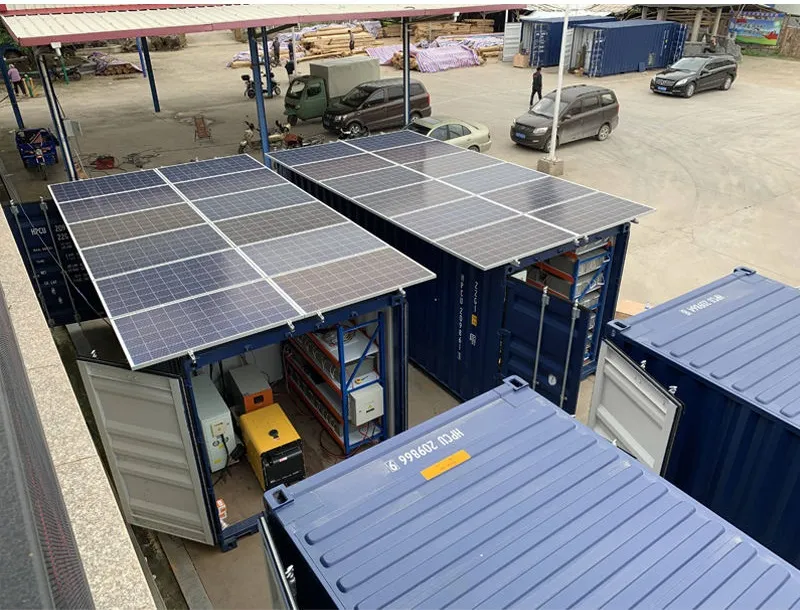
Harnessing the sun's energy from your flat roof isn't just a step toward sustainability—it's a smart investment in your property's future. Whether you own a residential building, a commercial complex, or a industrial facility, this guide will walk you through everything you need to know to make informed decisions, from material selection to long-term maintenance.
For many property owners, the flat expanse of their roof is often overlooked—seen as just a functional space for HVAC units or storage. But in reality, it's a blank canvas brimming with potential. Unlike sloped roofs, flat roofs offer unique advantages for solar installations:
But to unlock this potential, you need more than just solar panels—you need the right materials, expert planning, and a partner who understands both construction and sustainability. That's where working with a trusted one-stop architectural solution provider becomes a game-changer.
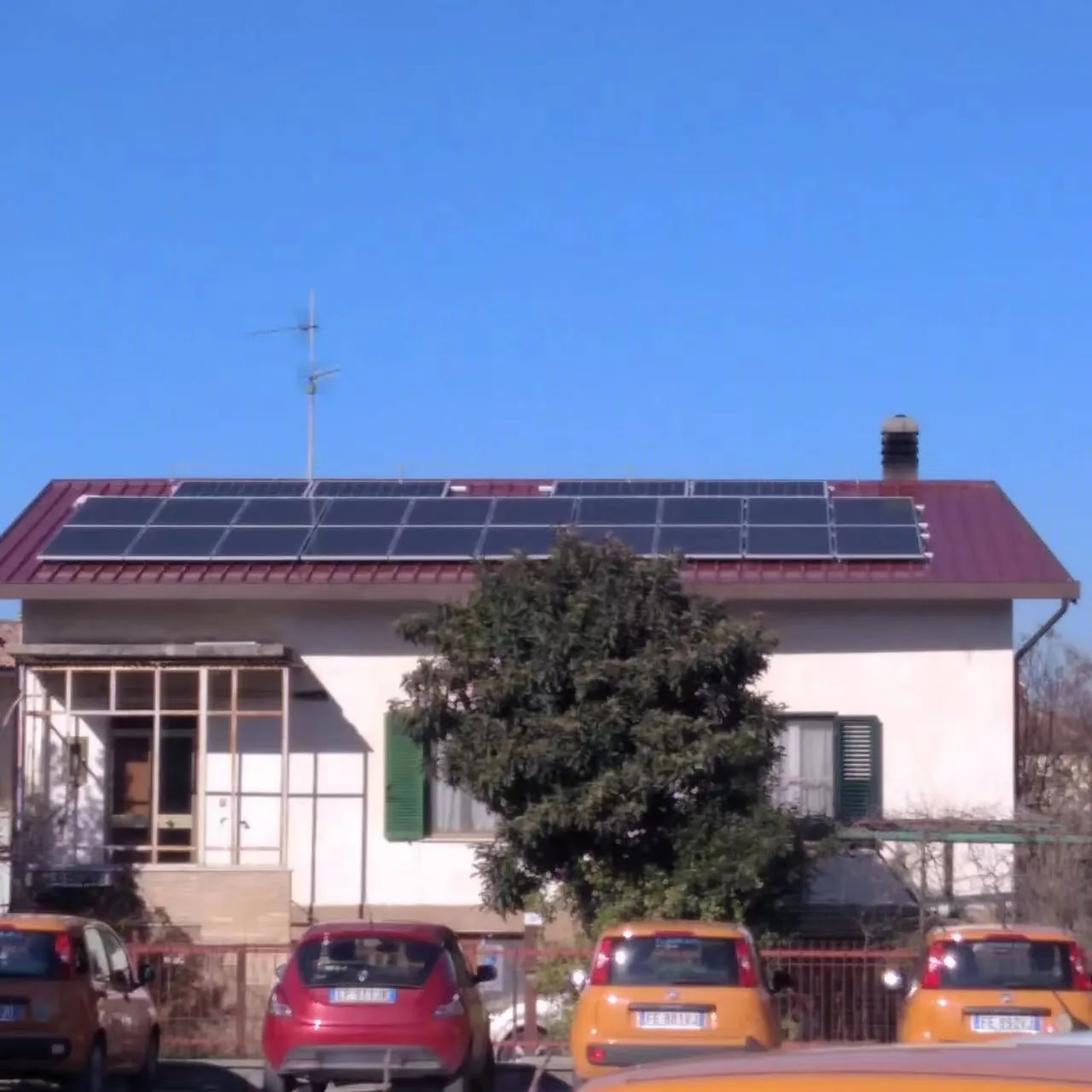
Installing solar panels on a flat roof isn't a "set it and forget it" project. Taking time to assess your roof's condition and local requirements will save you headaches later. Here's what to consider:
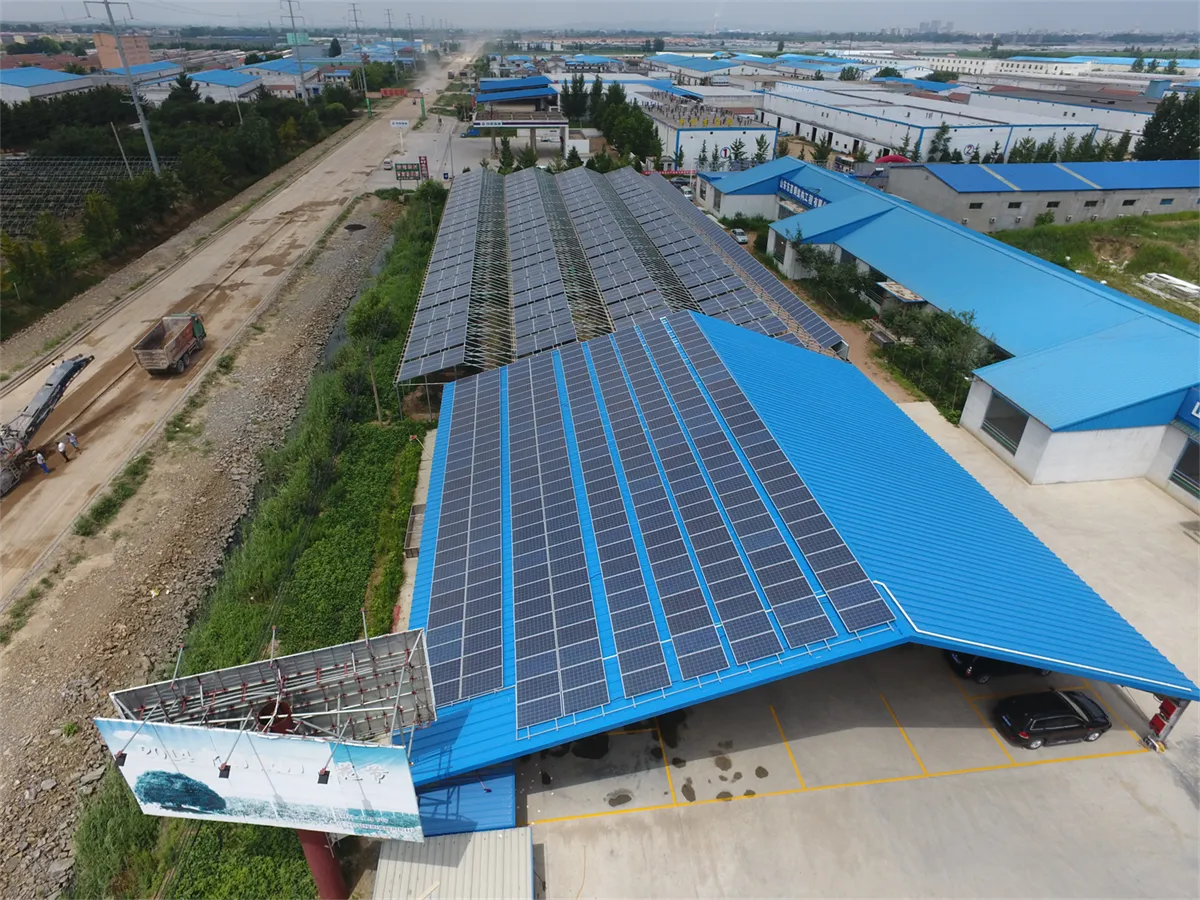
The success of your solar project hinges on quality materials. From the panels themselves to the mounting hardware, every component plays a role in durability and efficiency. Let's break down the essentials:
Not all solar panels are created equal. The best choice depends on your budget, space, and efficiency goals. Here's a comparison of common options:
| Panel Type | Efficiency (15-22%) | Cost Range | Best For |
|---|---|---|---|
| Monocrystalline | 18-22% | Higher | Limited space (residential/commercial) |
| Polycrystalline | 15-17% | Moderate | Budget-friendly large roofs |
| Thin-Film | 10-13% | Lower | Flexible or curved surfaces |
When sourcing panels, partnering with a reputable solar panels supplier ensures you get certified products backed by warranties. Look for options that align with green building materials standards—many modern panels are designed with recyclable components, reducing environmental impact over their lifecycle.
Flat roofs require specialized mounting systems to angle panels toward the sun (typically 10-30 degrees). Popular options include:
For both residential building materials supplier and commercial building materials supplier projects, durability is key. Corrosion-resistant aluminum or stainless steel hardware prevents rust, while UV-stabilized rails withstand harsh sunlight—critical in regions like the Middle East.
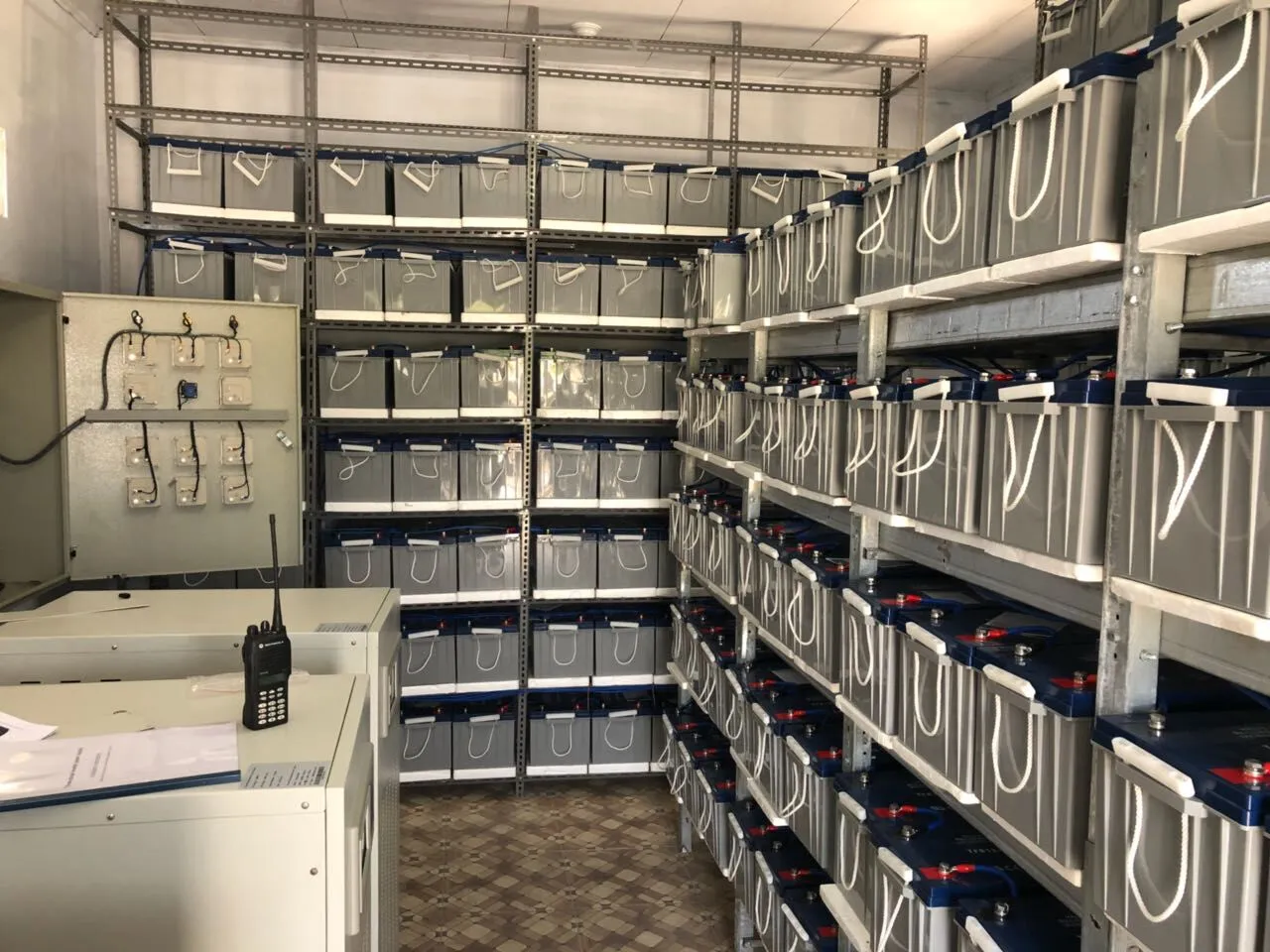
Imagine coordinating with a solar panel supplier, a mounting hardware vendor, a roofing contractor, and an electrician—each with their own timelines and communication styles. It's a recipe for delays and miscommunication. That's why more property owners are turning to one-stop architectural solution provider services.
A truly integrated provider handles every step: initial roof assessment, material selection (including solar panels, mounting systems, and even complementary products like energy-efficient lighting), permits, installation, and post-project support. For example, a provider with full-category integration capabilities can align your solar installation with other upgrades—like replacing outdated electrical systems or installing energy-saving windows—ensuring everything works seamlessly together.
This approach isn't just convenient; it's cost-effective. By bundling services, you avoid markups from multiple middlemen. Plus, with decades of experience in markets like Saudi Arabia, these providers understand local nuances—from sourcing materials that withstand desert heat to navigating regional sustainability goals like Saudi Vision 2030, which prioritizes green energy and.
Seeing how solar panels transform real properties can make the decision clearer. Here are two examples of projects that leveraged the right materials and support:
A family in Riyadh wanted to reduce their electricity bills and support Saudi's sustainability goals. Their flat roof, previously unused, was the perfect candidate. Working with a residential building materials supplier that offered end-to-end service, they installed 20 monocrystalline panels with a ballasted mounting system (to avoid roof penetration). The result? A 70% reduction in monthly energy costs and a system that withstood summer temperatures of 50°C (122°F) without efficiency loss.
A mid-rise office building needed to meet LEED certification requirements. The project required not just solar panels but also energy-efficient lighting and green roofing materials. As a commercial building materials supplier with a global network, the provider sourced high-efficiency panels, LED magnetic track lighting, and recycled rubber roofing underlayment—all through a single contract. The 500-panel system now generates 80% of the building's electricity, and the integrated approach cut project timelines by 30% compared to hiring separate vendors.
Your solar system is built to last 25-30 years, but its performance depends on regular care. Here's how to keep it running at peak efficiency:
As the world moves toward "dual carbon goals" (peak carbon and carbon neutrality), flat roof solar is no longer just an eco-friendly choice—it's a business imperative. Governments and corporations are increasingly mandating green building practices, and properties with solar installations often command higher resale values and lower operating costs.
Leading suppliers are responding by innovating green building materials that go beyond solar. For example, solar panels integrated with thermal insulation, or transparent panels that double as skylights. These advancements not only boost efficiency but also enhance building aesthetics—a win for both functionality and design.
For property owners, this means now is the time to act. By investing in solar today, you're not just saving money—you're future-proofing your property against stricter regulations and rising energy costs.
Flat roofs are more than just a space for equipment—they're a gateway to sustainable energy, lower costs, and a greener future. Whether you own a small home or a large commercial complex, the journey starts with the right partner: one that offers quality materials, expert guidance, and a seamless experience from start to finish.
Take the first step by scheduling a roof assessment with a provider who understands both local needs and global best practices. Ask about their one-stop architectural solution offerings, green material options, and past projects in your area. With the right team, your flat roof can become your property's most valuable asset.
Recommend Products












