
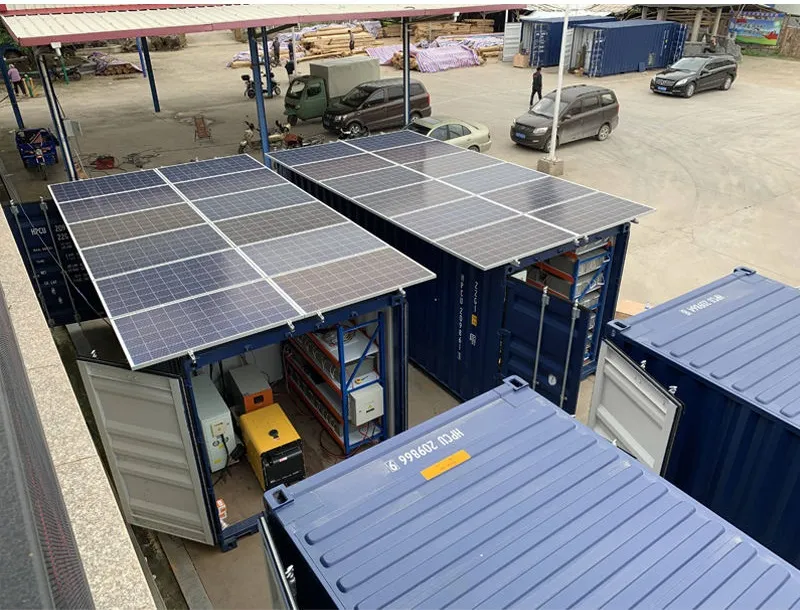
Riyadh's skyline is changing. As the sun blazes down on the city's sprawling neighborhoods and bustling commercial districts, more and more flat roofs are becoming home to a new kind of infrastructure: solar panels. For homeowners and business owners alike, this shift isn't just about saving on electricity bills—it's about tapping into Riyadh's most abundant resource, reducing carbon footprints, and aligning with Saudi Arabia's ambitious sustainability goals. But installing solar panels on a flat roof in Riyadh isn't as simple as picking a product and nailing it down. The desert heat, unique roof structures, and local regulations demand expertise, and that's where partnering with the right building material supplier makes all the difference.
If you've ever walked across a flat roof in Riyadh, you know it's a space often underused—maybe storing old equipment, hosting a small AC unit, or simply collecting dust. But those wide, open surfaces are actually a goldmine for solar energy. Here's why:
Sunlight, sunlight, sunlight. Riyadh gets an average of 3,000 hours of sunlight per year—far more than many other global cities. Flat roofs, with their unobstructed exposure, can capture this sunlight from dawn till dusk, especially when panels are tilted at the optimal angle (usually around 25-30 degrees for maximum efficiency in this region).
Space to scale. Unlike sloped roofs, which may have limited space or be shaded by neighboring buildings, flat roofs offer flexibility. Whether you're a homeowner looking to power your villa or a business owner with a warehouse roof, there's room to install enough panels to meet your energy needs—even expand later if you want.
Cost savings that add up. Electricity prices in Saudi Arabia have been rising steadily, and for commercial spaces like hotels, offices, or retail stores, energy bills can eat into profits. Solar panels on a flat roof can cut these costs by 50-80%, depending on the system size. Over time, that's money that stays in your pocket, not the utility company's.
Aligning with Saudi 2030 Vision. The kingdom's "2030 Vision" isn't just about economic diversification—it's about sustainability. By installing solar panels, you're contributing to local goals like reducing reliance on fossil fuels and increasing renewable energy use. For businesses, this isn't just good PR; it can open doors to government contracts and incentives.
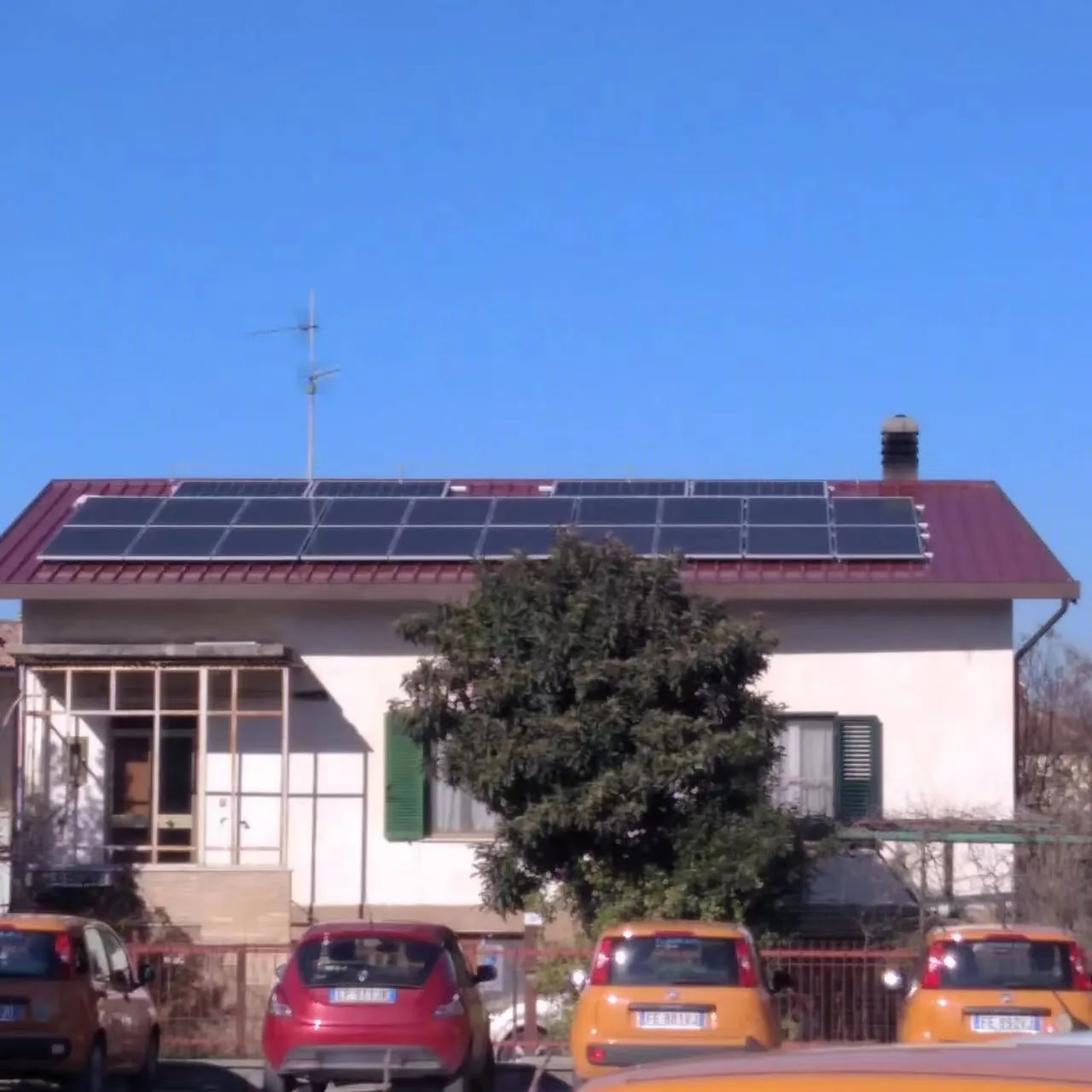
Of course, installing solar panels in Riyadh isn't without its hurdles. The desert climate is tough on equipment, and flat roofs have unique needs. Let's break down the challenges and how a knowledgeable supplier can help:
Extreme heat and UV radiation. Riyadh's summer temperatures regularly top 45°C (113°F), and UV rays are intense. Standard solar panels can lose efficiency in high heat—some models see a 10-25% drop in performance when temperatures rise above 25°C. Plus, UV radiation can degrade wiring and panel casings over time.
Roof weight and structure. Flat roofs are built to hold certain weights, but solar panels (especially commercial-grade systems) add extra load. Installing them without checking the roof's structural capacity can lead to leaks, cracks, or even collapse. You need a partner who understands both solar systems and building materials to ensure safety.
Installation complexity. Unlike sloped roofs, where panels can be secured with brackets, flat roofs often require special mounting systems—like ballasted racks (weighted down with concrete blocks) or penetrating mounts (anchored into the roof). Each method has pros and cons: ballasted systems avoid roof penetration but add weight; penetrating mounts are sturdier but require careful sealing to prevent leaks.
Local regulations and permits. Saudi Arabia has strict rules for solar installations, from electrical safety codes to zoning laws. For example, commercial buildings may need approval from the Ministry of Energy, while residential projects might require permits from local municipalities. Navigating this paperwork alone can be time-consuming and confusing.
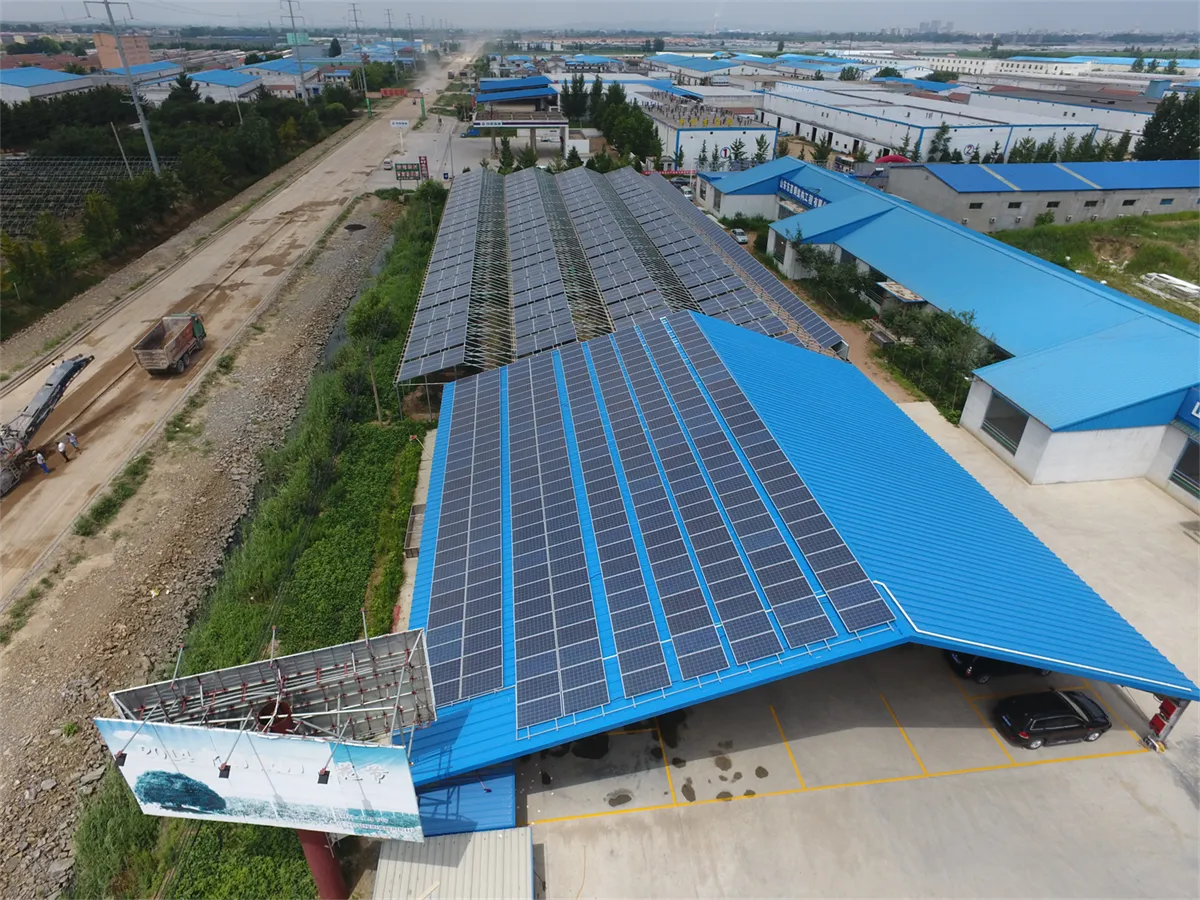
This is where working with a one-stop architectural solution provider changes the game. Instead of cobbling together services from a solar installer, a roof inspector, a supplier, and a legal consultant, you get a single partner who handles everything—from design to delivery. For businesses and homeowners in Riyadh, this isn't just convenient; it's critical for ensuring the project is done right, on time, and within budget.
Take, for example, a hotel owner in Riyadh looking to install solar panels on their flat roof. They need solar panels, of course, but also mounting systems that won't damage the roof, wiring that can withstand the heat, and maybe even new waterproof flooring to protect the roof membrane during installation. A one-stop provider doesn't just sell these products—they coordinate with engineers to design the system, source high-quality materials, manage the installation team, and even help with permit applications. It's a seamless process that reduces stress and minimizes mistakes.
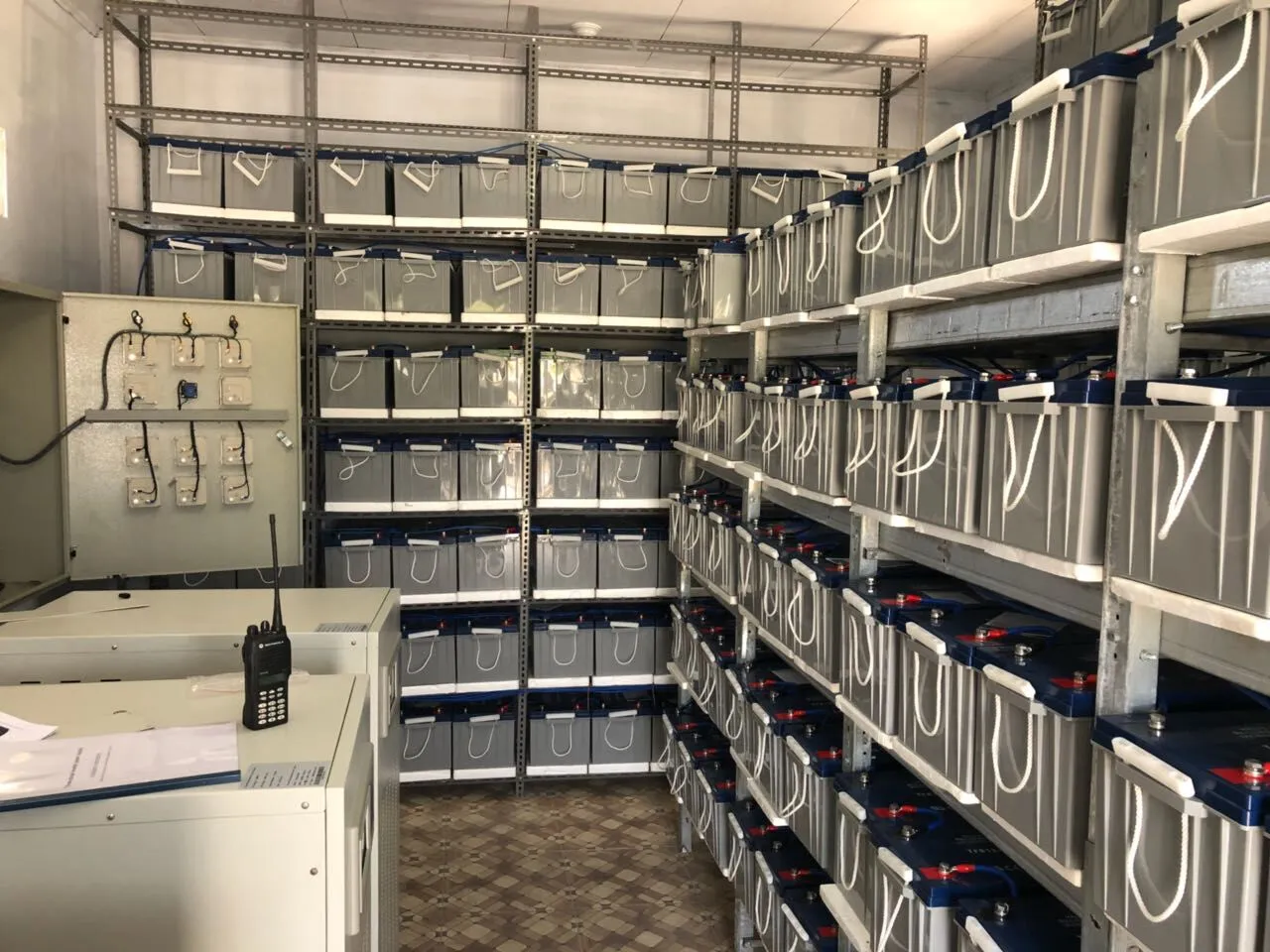
Today's solar projects are about more than just panels. They're about creating sustainable buildings that align with global "net-zero" trends—and that means choosing sustainable products across the board. For Riyadh, where "green building" is becoming a priority (thanks in part to the kingdom's "2030 Vision"), this is non-negotiable.
A forward-thinking supplier will offer solar panels made with eco-friendly materials, but they'll also provide complementary products that boost sustainability. For example: green like solar reflective roofing materials that keep the building cooler, reducing the need for AC (and thus energy use). Or insulated walls that retain heat in winter and cool air in summer, making your solar system even more effective. It's a holistic approach that turns your flat roof from a simple energy source into part of a larger, more sustainable building ecosystem.
Here's a secret about installing solar panels in Riyadh: outsiders often get it wrong. They might recommend panels designed for cooler climates, or mounting systems that can't handle sandstorms, or fail to account for local building codes. That's why partnering with a supplier who knows the Middle East market—who has boots on the ground in Saudi Arabia—isn't just an advantage; it's essential.
A supplier with decades of experience in the region understands the nuances: which solar panel brands hold up in 45°C heat, how to anchor systems to withstand occasional dust storms, and which local contractors have a track record of quality work. They're also plugged into the latest updates from the Saudi government—new incentives for renewable energy, changes to building regulations, or upcoming sustainability targets. For example, if the government announces a tax break for businesses that install solar by 2025, a local supplier will know about it first and help you take advantage.
Not all suppliers are created equal. When choosing a partner for your flat roof solar project, keep these key factors in mind:
To see how this all comes together, let's look at a hypothetical example: a family in Riyadh's Al Muhammadiyah neighborhood with a 200m² flat roof. They wanted to reduce their electricity bill (which averaged 1,200 SAR/month) and support sustainability. Here's how a one-stop supplier helped:
For commercial properties—hotels, office buildings, shopping malls, or factories—solar panels on flat roofs are a strategic investment. They not only cut energy costs but also enhance brand reputation. Imagine a hotel advertising "100% solar-powered AC" to eco-conscious tourists, or an office building earning LEED certification because of its renewable energy use. These are competitive advantages in today's market.
Commercial projects also benefit from economies of scale. A large flat roof can accommodate hundreds of panels, generating enough energy to power the entire building (and sometimes even sell excess back to the grid, thanks to Saudi Arabia's net-metering policies). A one-stop supplier with experience in commercial building materials will understand the unique needs of these projects—like higher voltage systems, integration with existing electrical setups, or compliance with commercial safety standards.
Riyadh's flat roofs are no longer wasted space. They're opportunities—to save money, reduce environmental impact, and be part of Saudi Arabia's sustainable future. But to make the most of these opportunities, you need more than just solar panels. You need a partner who understands the local market, offers high-quality and sustainable products, and can guide you through every step of the process.
Whether you're a homeowner ready to take control of your energy bills or a business owner looking to invest in sustainability, the right residential and commercial building materials supplier will turn your flat roof into a powerful asset. And in Riyadh, where the sun never stops shining, that's an investment that pays off—for years to come.
Installing solar panels on your flat roof is a big decision, but it doesn't have to be overwhelming. With the right partner, you can navigate the process with confidence—knowing you're getting quality products, expert design, and support every step of the way. Whether you're just starting to explore options or ready to start your project, expert consultation is available. Let's turn your flat roof into a source of clean, affordable energy.
Recommend Products












