
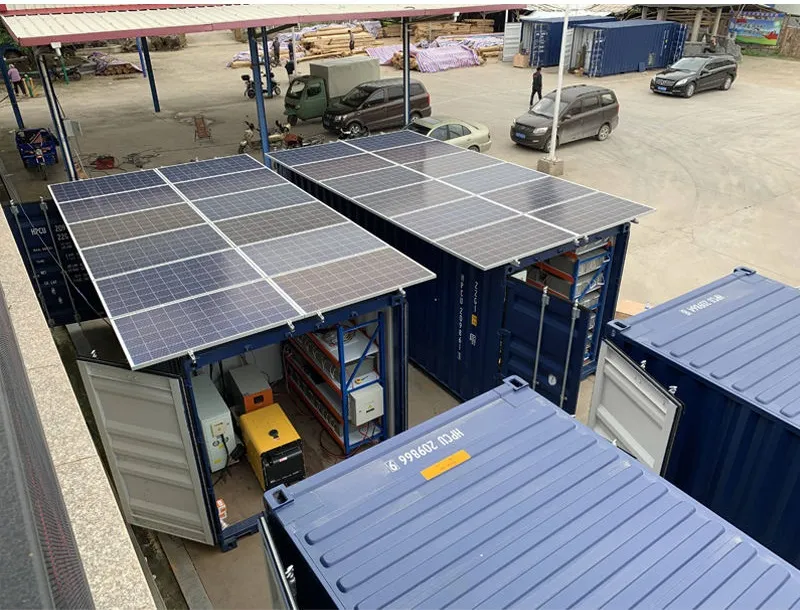
Flat roofs have long been overlooked—seen as nothing more than a functional part of a building, a place where HVAC units sit or maintenance crews walk. But in recent years, something remarkable has happened: these underutilized spaces are becoming powerhouses of sustainability. Solar panels on flat roofs are transforming how we think about energy, construction, and the future of our buildings. Whether you're building a new home, revamping a commercial space, or simply looking to reduce your carbon footprint, the combination of flat roofs and solar technology offers endless possibilities. And when it comes to making that vision a reality, having a partner that understands both the technical and practical sides of building materials is key.
That's where one-stop architectural solution providers come in. They don't just sell solar panels—they offer a full ecosystem of products and expertise to ensure your flat roof solar project isn't just a standalone addition, but a seamless part of your building's design, efficiency, and long-term performance. Let's dive into why flat roofs are ideal for solar, how the right building materials make all the difference, and how a holistic approach can turn your roof from a forgotten space into a sustainable asset.
If you've ever driven through a city, you've probably noticed most commercial buildings have flat roofs. They're practical, cost-effective to build, and provide extra space for equipment. But what makes them perfect for solar panels? Let's break it down:
Space, space, space. Unlike sloped roofs, flat roofs offer unobstructed, usable area. You can arrange solar panels in optimal positions—angling them to face the sun, spacing them for easy maintenance, and even expanding the system later if needed. No more worrying about roof peaks or gables limiting your setup.
Flexibility in design. Flat roofs let you adjust the tilt of solar panels to match your location's latitude, maximizing sunlight absorption. In places like Saudi Arabia, where the sun is intense year-round, this flexibility means you can capture more energy without being constrained by roof slope.
Easy access for maintenance. Cleaning, inspecting, or repairing solar panels on a flat roof is far simpler than climbing a steep slope. This not only saves time but also reduces the risk of accidents during upkeep—a big plus for commercial buildings with regular maintenance schedules.
Integration with other systems. Flat roofs often house HVAC units, vents, or water tanks. A well-planned solar installation can work around these elements, or even integrate with them—like using solar energy to power HVAC systems, creating a closed-loop of efficiency.
But here's the catch: installing solar panels on a flat roof isn't just about slapping panels down. The roof itself needs to be durable, waterproof, and able to support the weight of the system. That's where quality building materials come into play—and why working with a provider that offers everything from solar panels to roofing solutions is a game-changer.
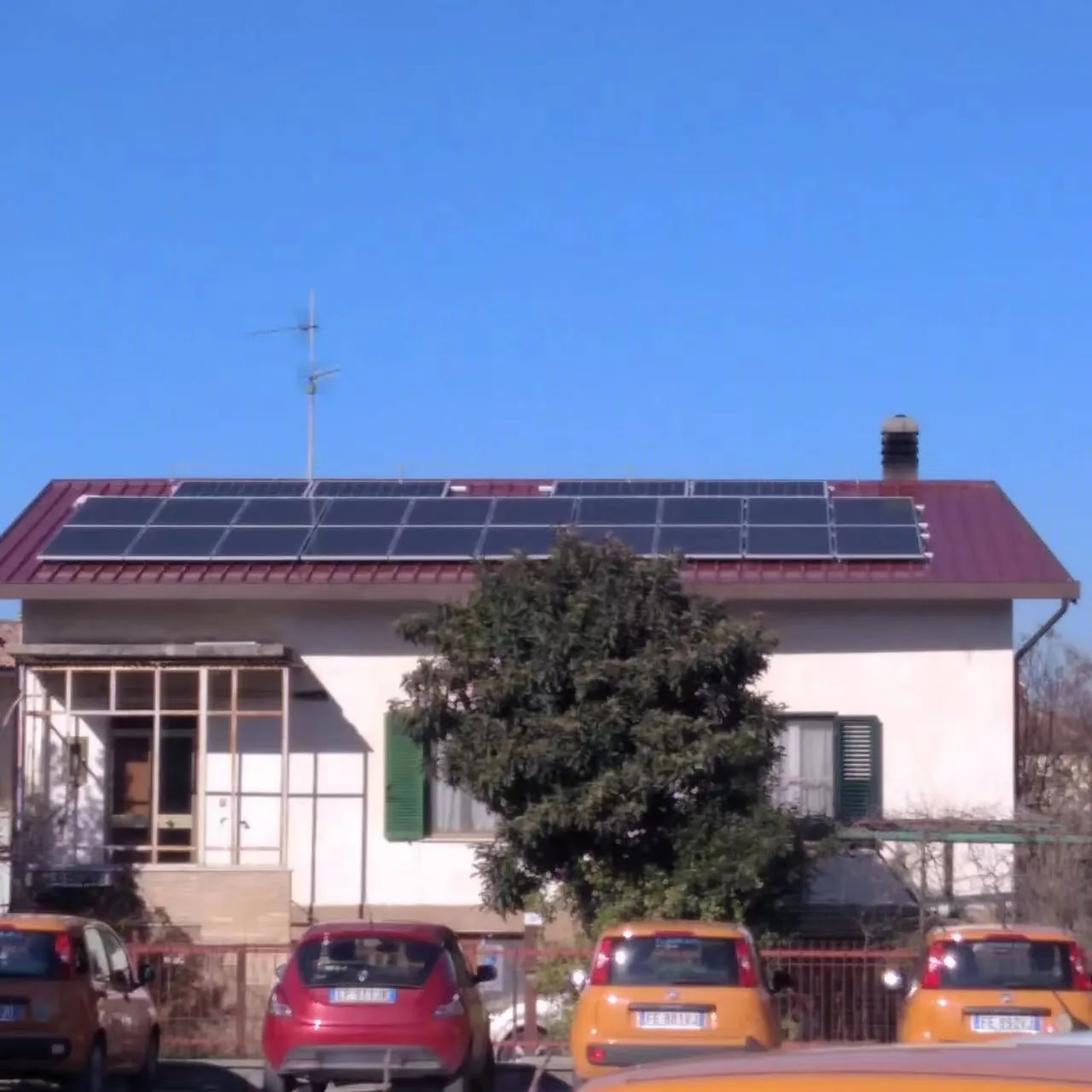
Imagine this: You've decided to install solar panels on your flat roof. You order the panels, hire a contractor, and get them set up. A few months later, you notice a leak. Turns out, the roof membrane wasn't strong enough to handle the installation, or the mounting system damaged the waterproofing. Suddenly, your "sustainable" project has turned into a costly repair. This scenario is all too common when solar installations are treated as separate from the rest of the building's materials.
The solution? A complete building material approach . This means considering every component—from the roof itself to the panels, mounting systems, and even the wiring. Let's look at the key materials that make a flat roof solar project successful:
Not all solar panels are created equal. For flat roofs, you need panels that can withstand harsh weather—whether it's the scorching sun in Riyadh, heavy rain in coastal areas, or strong winds. Look for panels with high efficiency ratings (to maximize energy production in limited space) and robust construction (like tempered glass and corrosion-resistant frames). Monocrystalline panels, for example, are known for their efficiency and longevity, making them a popular choice for commercial and residential projects alike.
Your roof is the base for your solar panels, so it needs to be strong, waterproof, and long-lasting. Options like TPO (Thermoplastic Polyolefin) or EPDM (Ethylene Propylene Diene Monomer) membranes are popular for flat roofs—they're flexible, resistant to UV rays, and easy to repair. For added durability, consider green building materials like cool roofs, which reflect sunlight and reduce heat absorption, keeping your building cooler and your solar panels operating more efficiently.
How you attach solar panels to a flat roof matters. Penetrating mounts (which drill into the roof) are strong but can risk leaks if not installed properly. Ballasted mounts, on the other hand, use weights (like concrete blocks) to hold panels in place without drilling—ideal for roofs where penetration is a concern. The right mounting system depends on your roof type, local weather, and building codes, so having a provider that offers multiple options is essential.
Solar panels generate DC electricity, which needs to be converted to AC for use in buildings. Inverters, wiring, and distribution boxes are critical here. Using high-quality, weather-resistant wiring and certified electrical components ensures safety and efficiency. For example, distribution boxes with built-in surge protection can prevent damage from power fluctuations, a common issue in areas with variable weather.
| Component | Key Features | Why It Matters |
|---|---|---|
| Solar Panels | High efficiency (20%+), tempered glass, corrosion-resistant frames | Maximizes energy production; withstands harsh weather |
| Roof Membrane (TPO/EPDM) | UV resistance, flexibility, easy repair | Prevents leaks; protects the building structure |
| Ballasted Mounts | No roof penetration, adjustable tilt | Safe for roofs; flexible positioning for sun exposure |
| Distribution Boxes | Surge protection, weatherproof casing | Ensures safe, reliable electricity distribution |
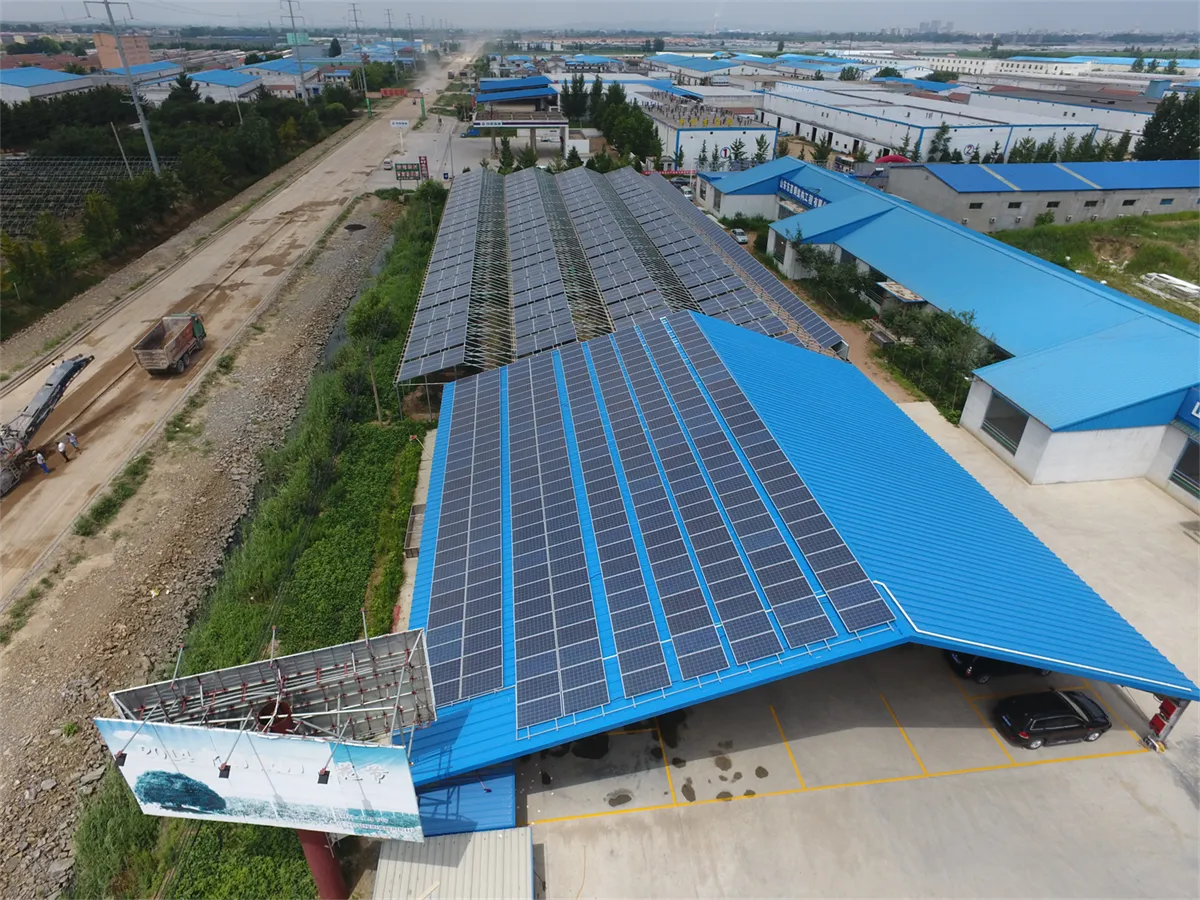
When it comes to solar energy, location matters. In Saudi Arabia, for example, the sun shines bright for most of the year, making it a prime spot for solar installations. But the climate also presents unique challenges: extreme heat, sandstorms, and high humidity can take a toll on building materials. That's why working with a Saudi Arabia building materials supplier that understands local conditions is a must.
Local suppliers know which materials can withstand 50°C temperatures without warping, which solar panels are tested to resist sand abrasion, and which roofing membranes can handle sudden rainstorms. They also understand local building codes and regulations, ensuring your project meets all safety and environmental standards. For example, in Riyadh, where sandstorms are common, solar panels with anti-reflective, self-cleaning coatings can reduce maintenance needs—something a local supplier would prioritize.
But it's not just about materials. Local suppliers often have established relationships with contractors, installers, and inspectors, making the entire process smoother. They can coordinate delivery schedules to avoid delays during peak construction seasons, and provide on-the-ground support if issues arise. For businesses or homeowners in Saudi Arabia, this local expertise can mean the difference between a solar project that thrives and one that struggles with constant repairs.
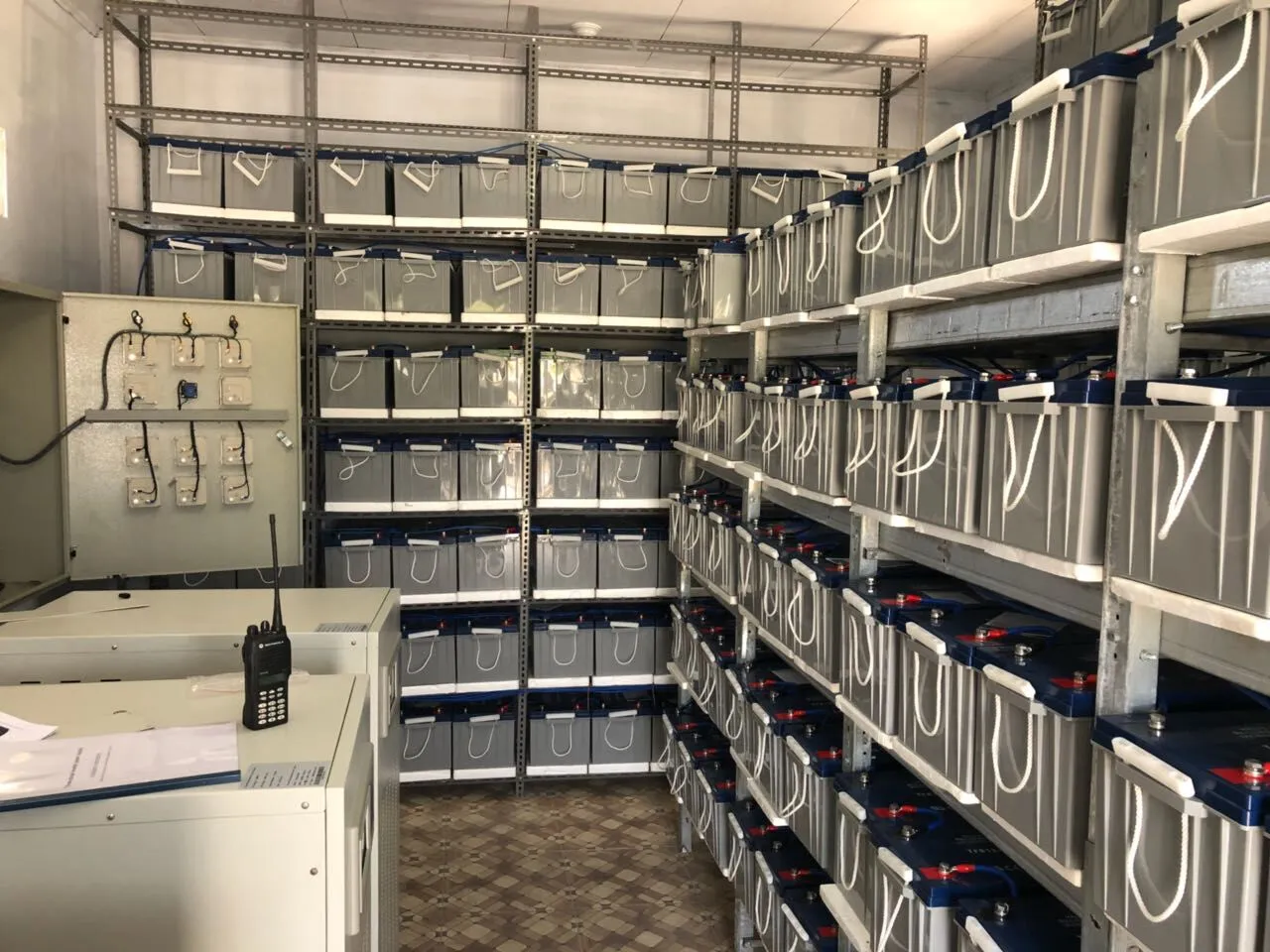
Let's say you need solar panels, a new roof membrane, mounting systems, and electrical components. Would you rather coordinate with five different suppliers, each with their own delivery times, warranties, and customer service teams? Or work with one provider that handles everything from start to finish? The answer is clear: a one-stop solution saves time, reduces stress, and ensures all components work together seamlessly.
Here's how it benefits you:
Consistency in quality. When one company provides all materials, you can trust that they're designed to work together. No more worrying if the mounting system is compatible with the roof membrane, or if the wiring meets the solar panel's specifications.
Simplified communication. Instead of juggling multiple contacts, you have a single point of contact for questions, updates, or issues. This streamlines decision-making and reduces the risk of miscommunication.
Cost savings. Bundling materials often leads to lower overall costs, as suppliers can offer package deals or bulk discounts. Plus, you save on shipping and delivery fees by ordering everything from one source.
Long-term support. A one-stop provider stands behind all their products. If something goes wrong—whether it's a faulty solar panel or a damaged roof membrane—you know exactly who to call for repairs or replacements.
"We wanted to install solar panels on our office building in Jeddah, but we were overwhelmed by the number of suppliers. Working with a one-stop provider made it easy—they handled the roof inspection, recommended the right panels, and even coordinated the installation. Six months later, our energy bills are down by 40%, and we haven't had a single issue." — A satisfied commercial client
Solar panels are a cornerstone of sustainable building, but true sustainability goes beyond energy production. It's about creating buildings that are efficient, eco-friendly, and healthy for occupants. That's where green building materials come into play. From low-VOC (volatile organic compound) paints to recycled insulation, these materials reduce environmental impact while improving indoor air quality and energy efficiency.
For example, pairing solar panels with energy-efficient windows and doors can further reduce reliance on grid electricity. Insulated windows keep heat out in summer and in during winter, reducing the load on HVAC systems. Similarly, using sustainable flooring materials like bamboo or recycled rubber not only lowers your carbon footprint but also adds a modern, eco-friendly touch to your space.
Many countries, including Saudi Arabia, are prioritizing sustainability through initiatives like the Saudi Vision 2030, which aims to increase renewable energy use and reduce carbon emissions. By choosing green building materials and solar solutions, you're not just investing in your building—you're contributing to a larger goal of a more sustainable future.
So, you're ready to install solar panels on your flat roof. What happens next? A one-stop provider will guide you through every step:
1. Assessment and Design. First, they'll inspect your roof to check its condition, load capacity, and sun exposure. Then, they'll design a custom solar system that fits your energy needs, budget, and aesthetic preferences. This might include 3D models or simulations to show how the panels will look and perform.
2. Material Selection. Based on the design, they'll recommend the best solar panels, roofing materials, mounting systems, and electrical components. They'll explain the pros and cons of each option, so you can make informed decisions.
3. Installation Coordination. They'll work with trusted contractors to schedule the installation, ensuring everything is done safely and efficiently. They'll also handle permits and inspections, so you don't have to navigate local regulations alone.
4. Testing and Activation. After installation, they'll test the system to ensure it's working properly. They'll also show you how to monitor energy production and maintain the system for optimal performance.
5. Ongoing Support. Even after activation, they'll be there for maintenance, repairs, or upgrades. Many providers offer warranties on materials and labor, giving you peace of mind for years to come.
When it comes to building materials and solar solutions, experience matters. A provider with decades of industry experience has seen it all—they know what works, what doesn't, and how to adapt to changing technologies and regulations. But global expertise alone isn't enough; local knowledge is equally important.
A company with a presence in Saudi Arabia, for example, understands the unique challenges of the region's climate and building codes. They can source materials locally when possible, reducing delivery times and supporting the local economy. They also have relationships with local contractors and authorities, making the approval and installation process faster and smoother.
Additionally, a provider that invests in (talent development) ensures their team stays up-to-date on the latest solar technologies and sustainable building practices. This commitment to innovation means you'll get cutting-edge solutions that are both efficient and future-proof.
Solar panels on flat roofs are more than a trend—they're a smart, sustainable choice for modern buildings. By turning an underused space into a source of clean energy, you're reducing your carbon footprint, lowering energy costs, and increasing your property's value. But to make the most of this opportunity, you need more than just solar panels—you need a complete building material solution that considers every aspect of your project.
From high-quality solar panels and durable roofing materials to expert design and local support, a one-stop architectural solution provider can turn your flat roof into a sustainable asset. Whether you're a homeowner, a business owner, or a developer, the right partner will guide you through every step, ensuring your project is efficient, cost-effective, and built to last.
So, what are you waiting for? Your flat roof has untapped potential—let's unlock it together.
Recommend Products












