
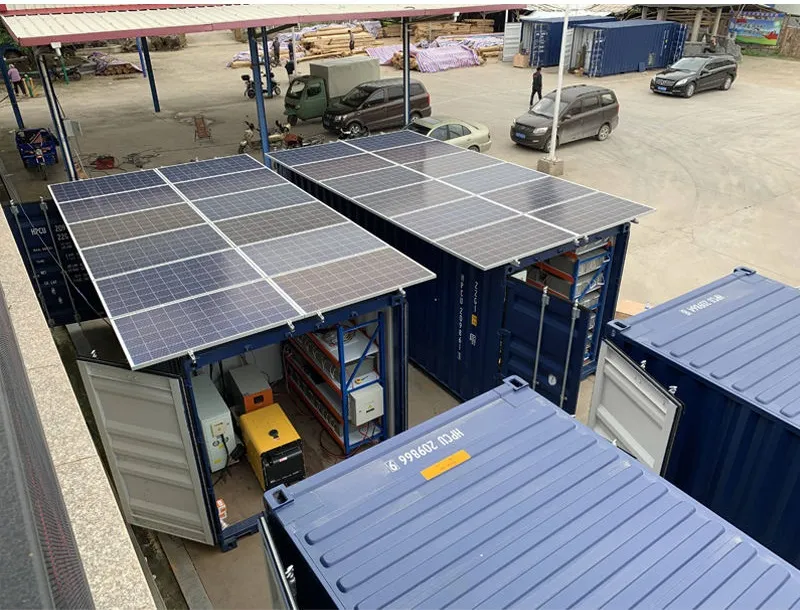
A practical roadmap for homeowners, contractors, and project managers aiming to maximize solar energy output
When it comes to harnessing solar energy, the difference between a good system and a great one often lies in the details of installation—especially how you connect your solar panels. For residential rooftops, commercial buildings, or large-scale projects in regions like Saudi Arabia, (series connection) isn't just a technical step; it's a strategic choice that directly impacts efficiency, cost-effectiveness, and long-term performance. As a leading one-stop architectural solution provider with decades of experience in the Middle East market, we've supported countless projects in optimizing their solar setups. This guide breaks down the process into actionable steps, blending technical expertise with real-world insights to help you get the most out of your solar investment.
Solar panels generate direct current (DC) electricity, but the voltage and current they produce individually are often too low to power most systems. By connecting panels in series—linking the positive terminal of one panel to the negative terminal of the next—you increase the total voltage while keeping current relatively stable. This higher voltage is easier to convert to alternating current (AC) via inverters, reducing energy loss during transmission. For example, a typical 300W panel might produce 36V; 10 such panels would yield 360V, ideal for most residential and commercial inverters.
| Factor | Series Connection | Parallel Connection | Best For |
|---|---|---|---|
| Voltage Output | High (sum of individual panels) | Low (same as single panel) | Long-distance transmission, large systems |
| Current Output | Stable (same as single panel) | High (sum of individual panels) | Small systems, shaded environments |
| Wiring Complexity | Simpler (fewer cables) | More complex (requires bus bars) | Projects prioritizing installation speed |
| Cost Efficiency | Lower cable costs, smaller inverter size | Higher cable costs, larger inverter needed | Budget-conscious commercial/residential projects |
Field Insight: In Saudi Arabia's harsh climate—where temperatures often exceed 45°C—series connections help minimize energy loss from heat. Panels in series operate at higher voltages with lower current, reducing resistive heating in cables. We've seen projects in Riyadh achieve up to 12% higher efficiency using optimized series setups compared to parallel configurations.
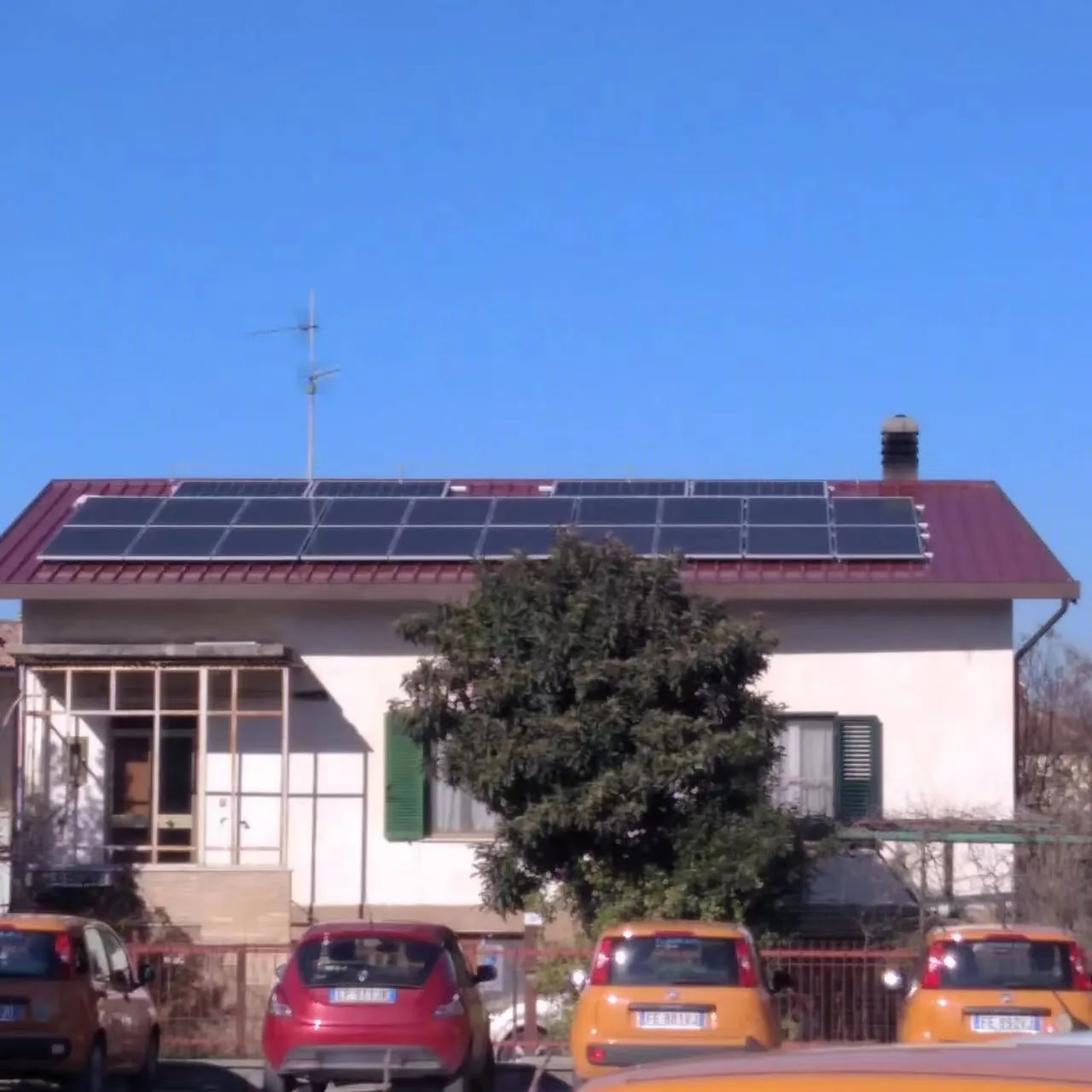
Before picking up a wrench, thorough preparation ensures safety, accuracy, and compliance with local regulations (especially critical in regions like Saudi Arabia, where building codes align with Vision 2030's sustainability goals). Here's your checklist:
Every location has unique challenges. For residential rooftops, check roof load capacity and shading from nearby buildings. For commercial projects (e.g., hotels, office complexes), factor in orientation—south-facing installations in the Middle East typically yield 15-20% more energy than east/west setups. As a building material supplier with local presence in Saudi Arabia, we often assist clients with site surveys, ensuring panels are positioned to avoid both shade and sand accumulation.
Pro Tip: Use a solar pathfinder tool to map sunlight patterns throughout the year. In Jeddah, for instance, summer sun angles are steeper (60-70°), while winter angles drop to 30-40°—adjusting panel tilt seasonally can boost efficiency by 8-10%.
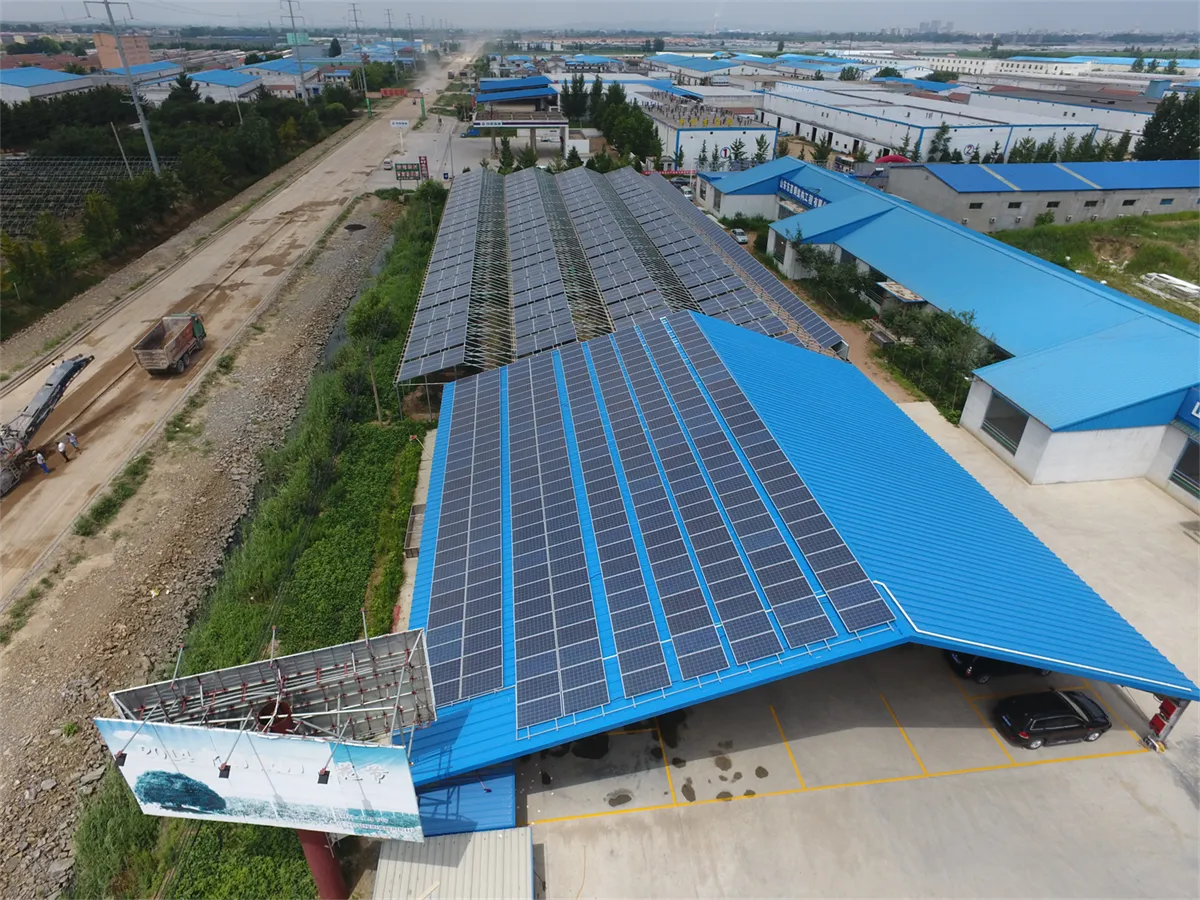
Follow these steps to ensure a secure, efficient connection. We've refined this process through projects ranging from small villas in Dammam to large commercial towers in Riyadh—consistency is key.
Install mounting rails first, ensuring they're level and anchored to structural supports (roof rafters for residential, steel beams for commercial). In coastal areas like Jeddah, use corrosion-resistant brackets to combat salt air. Space panels 10-15cm apart for airflow—this prevents overheating, a common issue in desert climates.
Strip 10mm of insulation from DC cable ends, then crimp MC4 connectors onto each wire. Always verify polarity: red cables for positive (+), black/blue for negative (-). A single reversed connector can reduce system output by 30% or more—double-check with a multimeter.
Link panels one to the next: connect the positive terminal of Panel 1 to the negative terminal of Panel 2, the positive of Panel 2 to the negative of Panel 3, and so on. For a 10-panel string, this creates a "daisy chain" with total voltage equal to 10x individual panel voltage (e.g., 10x36V=360V).
Visual Guide: Lay cables along the mounting rails, securing them with cable ties every 50cm to prevent wind damage. Avoid sharp bends—cables should have a minimum bend radius of 10x their diameter.
Run the final positive and negative cables from the last panel to the inverter's DC input. Before powering on, use a multimeter to check total voltage—this should match your calculated value (±5%). If it's too low, inspect for loose connections or reversed polarity.
Solar panels generate electricity even on cloudy days. Always:
Turn off the inverter before making connections
Work in teams—never install alone on rooftops
Wear insulated gloves when handling live wires
Follow local electrical codes (e.g., Saudi Aramco standards for industrial projects)
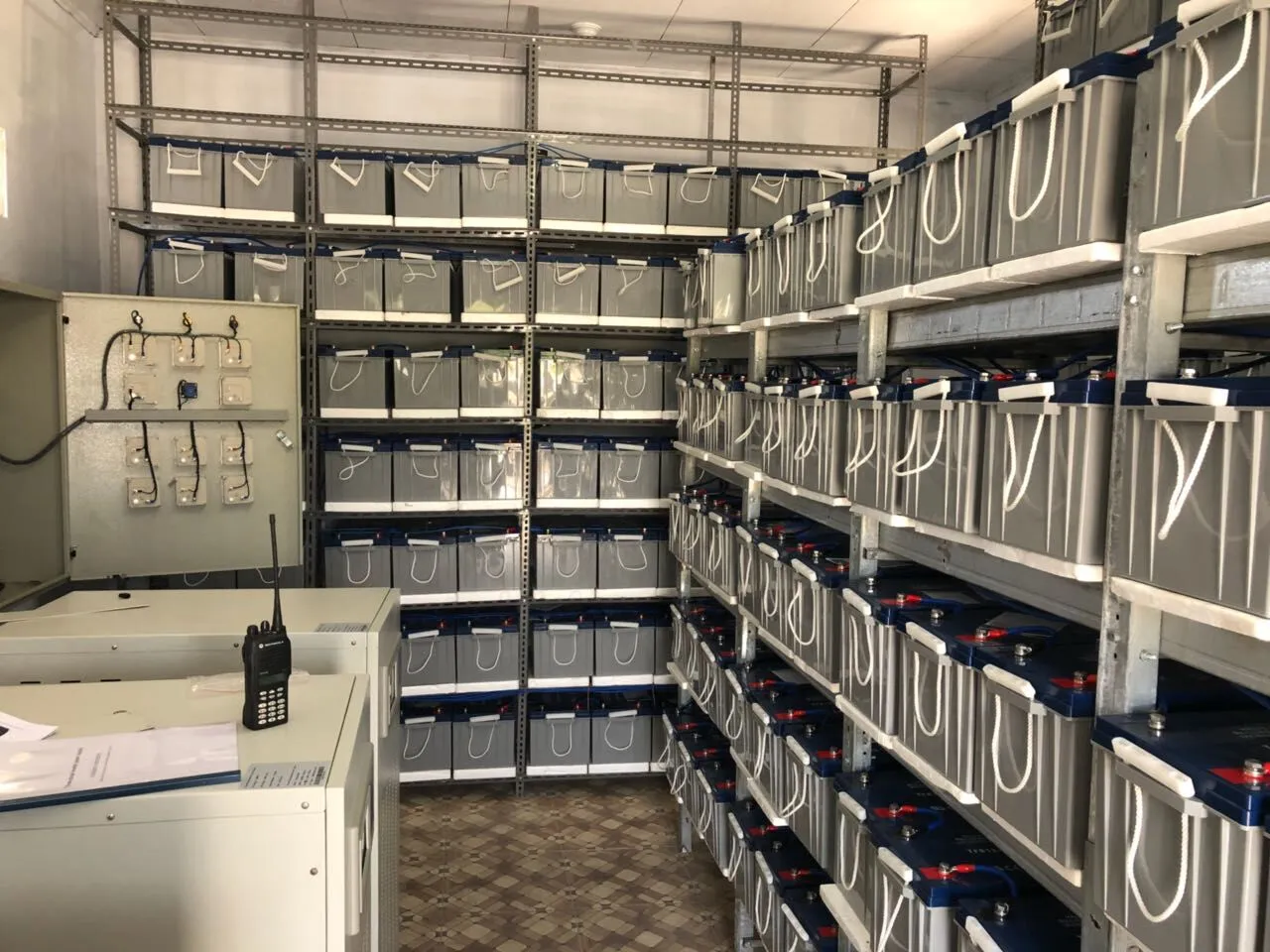
Installing panels in series is just the start. To truly maximize output—whether for a residential home or a commercial complex—incorporate these strategies, honed from our experience with green building materials and sustainable projects.
Mix-matching panels (different wattages, brands, or ages) in a series string creates "bottlenecks." A 250W panel paired with a 300W panel will limit the entire string to 250W. Stick to uniform panels—preferably from the same production batch. As a one-stop provider, we ensure clients receive matched panels with consistent performance.
Inverters have maximum DC voltage limits (e.g., 600V or 1000V). For a 36V panel, a 10-panel string = 360V—safe for most residential inverters. In commercial setups with 1000V inverters, 27 panels (27x36V=972V) maximize efficiency without exceeding limits. Use this formula:
Max panels per string = Inverter max DC voltage ÷ Panel open-circuit voltage (Voc)
| Panel Count (36V each) | Total Voltage | Daily Energy Output (kWh)* | Efficiency Gain vs. 5-Panel String |
|---|---|---|---|
| 5 panels | 180V | 12.5 kWh | — |
| 10 panels | 360V | 25.8 kWh | +3.3 kWh (10.5%) |
| 15 panels | 540V | 38.2 kWh | +5.7 kWh (17.8%) |
*Based on 5 hours of peak sunlight ( typical for Riyadh), 300W panels, no shading.
Even partial shading on one panel in a series string can drop output by 50% or more (the "Christmas light effect"). Solutions include:
- Installing micro-inverters or power optimizers for shaded panels
- Trimming overhanging branches or adjusting panel angles
- Using bypass diodes (most modern panels include these, but verify before purchase)
Sand, dust, and bird droppings can reduce panel efficiency by 15-20% in desert environments. In Saudi Arabia, we recommend monthly cleaning (more frequently during sandstorm season). Use deionized water and a soft brush—avoid harsh detergents that damage anti-reflective coatings.
To illustrate these principles in action, let's look at a 2024 project we supported: a 5,000m² office building aiming to reduce energy costs by 40%. The team initially planned a parallel setup but switched to series after our site assessment.
Challenge:
High ambient temperatures (up to 50°C in summer) and limited roof space required maximizing efficiency per m².
Solution:
120 panels in 12 series strings (10 panels each), paired with a 36kW inverter. Panels were tilted at 25° (optimal for Riyadh's latitude) and spaced 15cm apart for cooling.
Result:
The system consistently generates 185-195 kWh/day—12% higher than projected. Over 12 months, it saved 72,000 SAR in electricity costs and reduced carbon emissions by 98 tons, aligning with Saudi Arabia's "2030 Vision" sustainability goals.
A: Yes—this is called a "series-parallel" setup. For large systems, connect multiple series strings in parallel to the inverter (e.g., 3 strings of 10 panels each, connected in parallel). This balances voltage and current, but requires careful inverter sizing.
A: Check for: (1) Shading on one or more panels; (2) Loose MC4 connectors; (3) Mismatched panel ages (older panels degrade faster); (4) High temperatures (output drops ~0.5% per °C above 25°C). In hot climates, consider heat-resistant panels from sustainable product lines.
A: For residential systems, bi-annual inspections are sufficient. For commercial projects or areas with extreme weather (like Saudi Arabia's sandstorms), quarterly checks are better. Focus on MC4 connectors—dust and corrosion can cause voltage drops over time.
Installing solar panels in series isn't just about wiring—it's about designing a system that grows with your needs, withstands local conditions, and delivers maximum value for years to come. Whether you're a homeowner in Jeddah, a contractor in Dubai, or a project manager overseeing a commercial development, the right approach combines technical know-how with quality materials and local expertise.
As a one-stop architectural solution provider with deep roots in the Middle East, we understand the unique challenges of solar installations here—from extreme heat to strict regulatory standards. Our green building materials portfolio includes high-efficiency solar panels, durable mounting systems, and weatherproof components, all backed by a team that's invested in your project's success. After all, when your solar system performs at its best, we all win—one efficient, sustainable project at a time.
Recommend Products












