How commercial spaces can cut costs, boost sustainability, and shine brighter with smart solar solutions
The Hidden Cost of Keeping Retail Spaces Bright
When you walk into a retail store, what's the first thing you notice? Chances are, it's the lighting. Bright, inviting, and carefully designed to highlight products, guide customers, and create a welcoming atmosphere. But behind that perfect glow lies a challenge that keeps many store owners up at night: energy bills. Retail spaces are power-hungry—especially lighting, which can account for up to 40% of a store's total electricity usage. Add in the need for consistent brightness from opening to closing, and it's no wonder energy costs are a top concern for commercial building owners.
But there's another layer to this problem: sustainability. Today's consumers care about the brands they support—including their environmental footprint. A 2024 survey by Retail Dive found that 68% of shoppers are more likely to buy from stores that demonstrate eco-friendly practices. So, it's not just about saving money anymore; it's about meeting customer expectations and future-proofing your business against stricter environmental regulations.
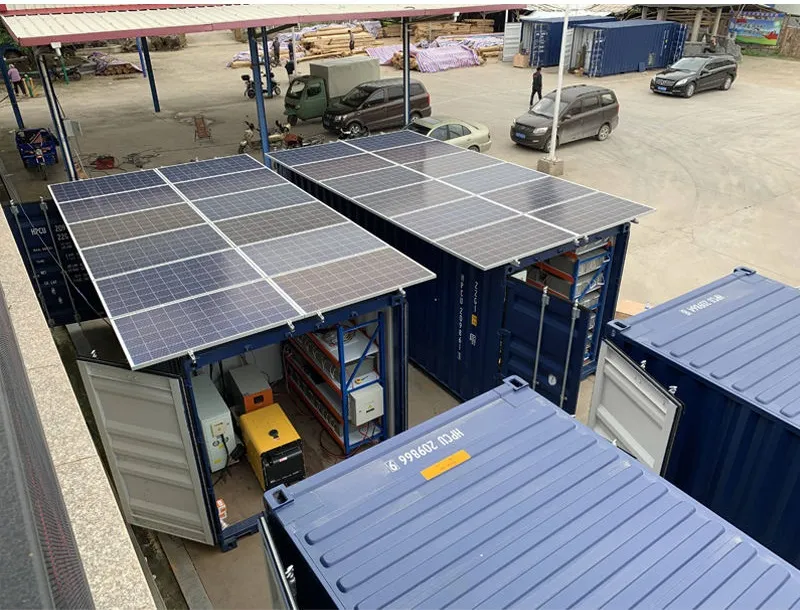
This is where solar energy steps in. And not just any solar setup—solar panels connected in series, tailored specifically for the unique demands of retail spaces. When paired with energy-efficient lighting, this combination isn't just a "green upgrade"—it's a smart business decision that balances cost savings, sustainability, and operational efficiency. Let's dive into how it works, why it matters, and how a trusted
commercial building materials supplier
can make the transition seamless.
First, let's clear up what "
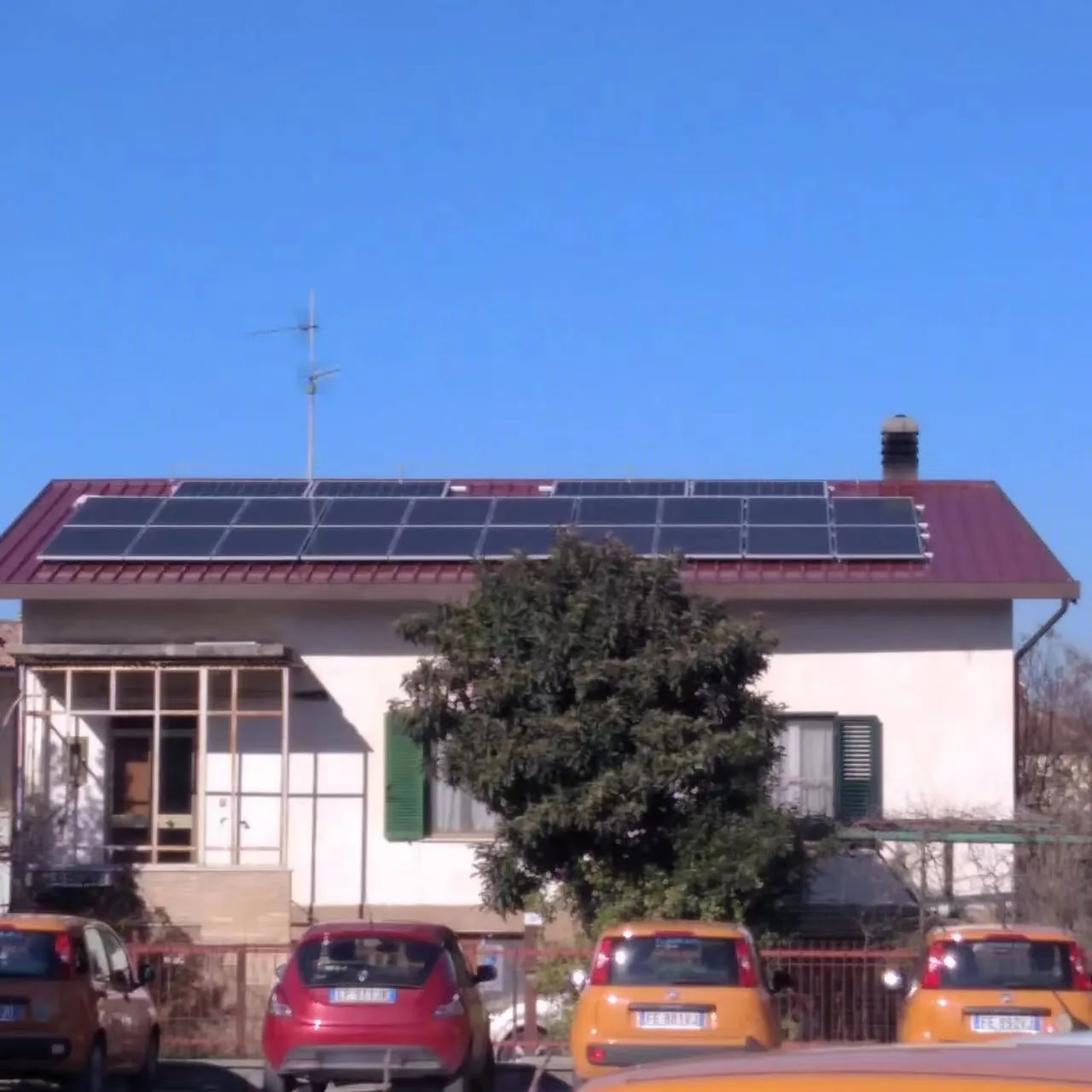
solar panels in series" actually means. When solar panels are connected in series, their voltages add up, while the current remains the same. Think of it like linking batteries in a flashlight—you're creating a stronger, more consistent flow of energy. For retail stores, this setup offers two big advantages: reliability and efficiency.
Retail spaces need steady power, especially during peak hours when lighting, cash registers, and AC systems are all running. Panels in series produce a higher voltage, which is better suited for powering larger commercial systems without frequent interruptions. Unlike parallel setups (where panels share current but voltage stays low), series connections minimize energy loss over longer distances—perfect for stores with expansive rooftops or parking lot solar installations.
But the real win? Scalability. A small boutique might start with 10 panels in series, while a large department store could expand to 50 or more. This flexibility means you can start small and grow as your energy needs (or budget) allow. And since retail lighting often runs for 10+ hours a day, the consistent energy output from series-connected panels ensures your store stays bright from the first customer to the last—without draining the grid.
|
Traditional Grid-Dependent Lighting
|
Solar Panels in Series + Energy-Efficient Lighting
|
|
High monthly electricity bills (up to $2,000/month for a 5,000 sq ft store)
|
Up to 70% reduction in lighting-related energy costs
|
|
Vulnerable to power outages and grid fluctuations
|
Stable, backup-ready power source (with battery storage)
|
|
Limited control over energy source (fossil fuels or mixed grids)
|
100% renewable energy, aligning with sustainability goals
|
|
Separate purchases for lighting, wiring, and energy management
|
Integrated solutions from a single
one-stop architectural solution provider
|
Energy-Efficient Lighting: The Perfect Match for Solar
Solar panels in series generate clean energy—but to maximize savings, you need lighting that uses that energy wisely. Enter LED lighting, the gold standard for retail spaces. LEDs use up to 75% less energy than incandescent bulbs and last 25 times longer, which means fewer replacements and lower maintenance costs. But when paired with solar, their efficiency becomes even more impactful.
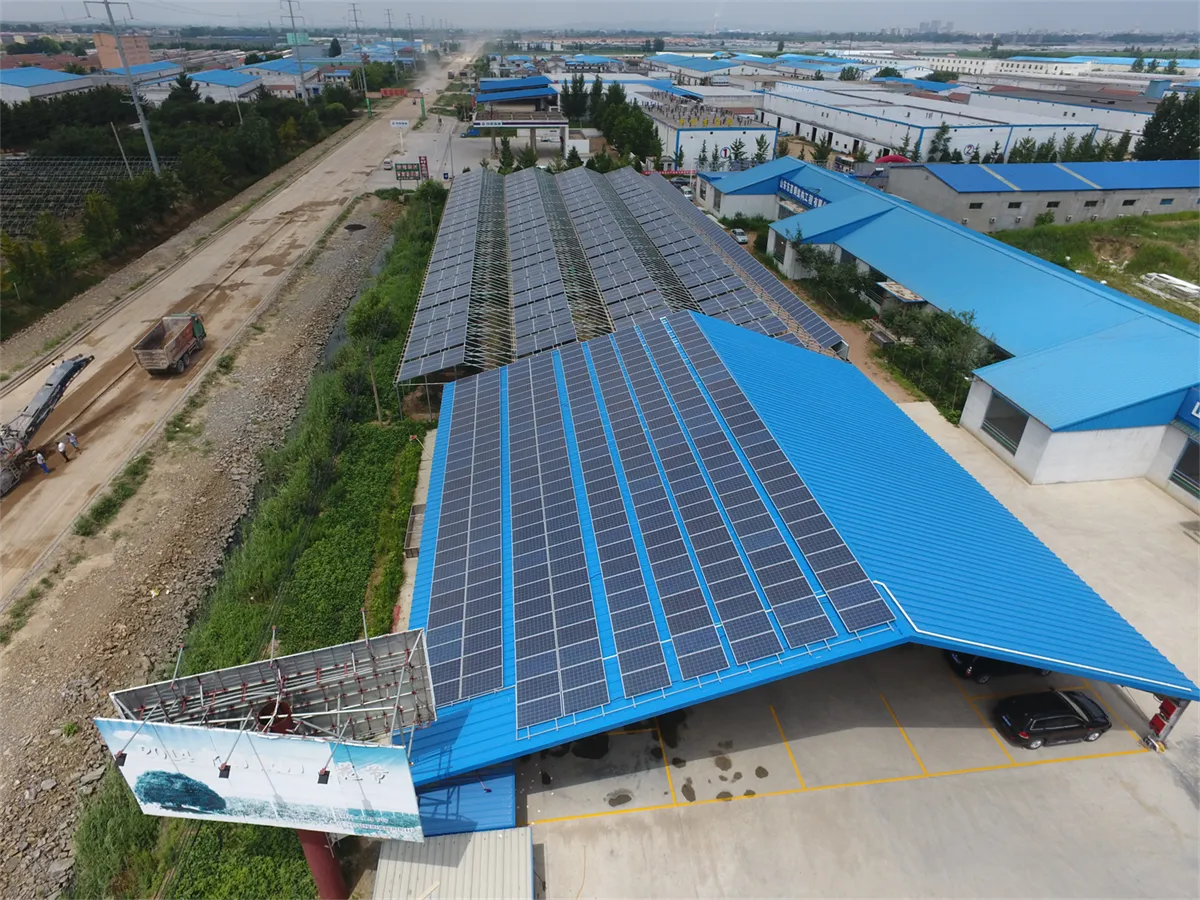
Imagine a clothing store with track lighting, display spotlights, and ambient ceiling lights—all LED. During the day, solar panels on the roof (connected in series) capture sunlight, convert it to electricity, and power the lights directly. Any excess energy can be stored in batteries for evening use, ensuring the store stays lit long after the sun sets—without tapping into the grid. It's a closed loop: clean energy in, efficient light out, and minimal waste in between.
And it's not just about brightness. Modern LED systems offer dimming controls, color temperature adjustments, and smart sensors that adapt to natural light. On a sunny day, sensors can automatically lower lighting levels near windows, redirecting solar power to other systems like AC or refrigeration. This level of control isn't just convenient—it's a way to squeeze every drop of value from your solar investment.
Real-World Impact: A Saudi Retailer's Solar Success Story
Let's take a look at a real example: a mid-sized electronics store in Riyadh, Saudi Arabia. Before switching to solar, the store spent over 15,000 SAR monthly on electricity, with lighting accounting for 35% of that cost. The owner was also under pressure to meet local sustainability guidelines as part of Saudi Arabia's Vision 2030, which emphasizes reducing carbon emissions and increasing renewable energy use in commercial sectors.
Working with a
solar panels supplier
that specializes in commercial solutions, the store installed 30
solar panels in series on its rooftop, paired with energy-efficient LED track lights and smart dimming controls. Within the first month, their lighting-related energy costs dropped by 62%. By the end of the year, they'd saved over 100,000 SAR—enough to reinvest in store renovations and new inventory.
But the benefits didn't stop there. The store's "Solar-Powered" signage became a talking point among customers, with many mentioning they chose to shop there because of the brand's commitment to sustainability. Plus, as a
commercial building materials supplier
with local expertise, the provider handled everything from permits to installation, ensuring the project complied with Saudi's strict electrical codes and environmental standards. No juggling multiple contractors, no delays—just a smooth transition from planning to execution.
Why Partnering with a One-Stop Solution Provider Matters
Transitioning to solar and energy-efficient lighting can feel overwhelming. Do you buy panels from one company, lights from another, and hire a third for installation? That's where a
one-stop architectural solution provider
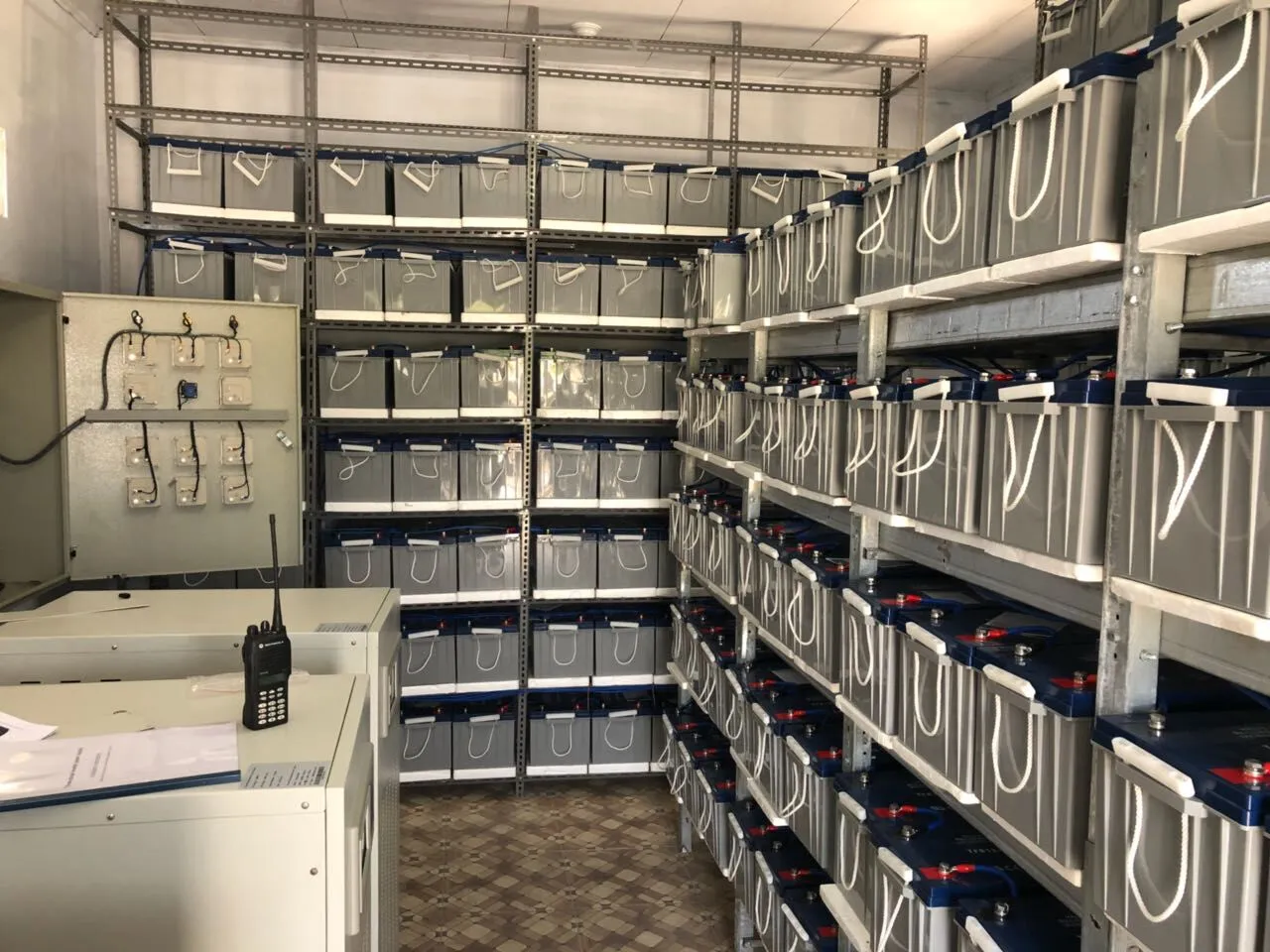
makes all the difference. Instead of coordinating with multiple vendors, you work with a single partner who handles every step: from designing your solar setup to supplying panels, lighting, and even backup batteries.
For retail store owners, this means:
-
Time savings:
No more researching separate suppliers or managing conflicting timelines. Your provider oversees the project from start to finish.
-
Cost efficiency:
Bundling solar panels, lighting, and installation often leads to bulk discounts and lower overall costs compared to piecemeal purchases.
-
Seamless integration:
Panels, inverters, and lighting systems are designed to work together, reducing compatibility issues and maximizing performance.
-
Local expertise:
Providers with regional experience (like those with a presence in Saudi Arabia) understand local regulations, climate challenges, and incentive programs—critical for avoiding delays or compliance issues.
And let's not forget
sustainable products
. The best providers prioritize green materials, from solar panels with high-efficiency monocrystalline cells to LED lights free of toxic chemicals. This aligns with both customer expectations and global trends—by 2030, the EU's Carbon Border Adjustment Mechanism (CBAM) will penalize imports from high-carbon industries, making sustainability a competitive necessity, not just a "nice-to-have."
Key Considerations for Retailers Ready to Make the Switch
Before diving into solar, there are a few things to keep in mind. First, assess your energy needs. Look at past utility bills to see how much power your lighting uses, and consider future growth (e.g., adding more displays or expanding the store). This will help determine how many panels you need in series.
Next, evaluate your rooftop or available space. Solar panels need direct sunlight, so check for shading from nearby buildings or trees. In regions like the Middle East, with abundant sunshine, even small rooftops can generate significant power—making solar a no-brainer for stores in Saudi Arabia, the UAE, and beyond.
Finally, think about long-term support. Solar panels last 25+ years, so choose a provider that offers warranties, maintenance services, and technical support. This ensures your system stays efficient for decades, protecting your investment and keeping those energy savings rolling in.
The Bottom Line: Solar + Efficiency = Retail Success
At the end of the day,
solar panels in series paired with energy-efficient lighting aren't just about "going green"—they're about building a stronger, more resilient retail business. Lower energy bills improve your bottom line, sustainability efforts attract eco-conscious customers, and reliable power ensures your store never misses a sale due to outages.
And with the right partner—a
commercial building materials supplier
that offers one-stop solutions, local expertise, and a commitment to
sustainable products
—the transition is easier than you might think. Whether you're a small boutique in Jeddah or a large chain in Dubai, solar energy can transform how you operate, compete, and thrive in today's retail landscape.
So, what are you waiting for? The sun is shining, and your store's brightest (and most cost-effective) days are ahead.