
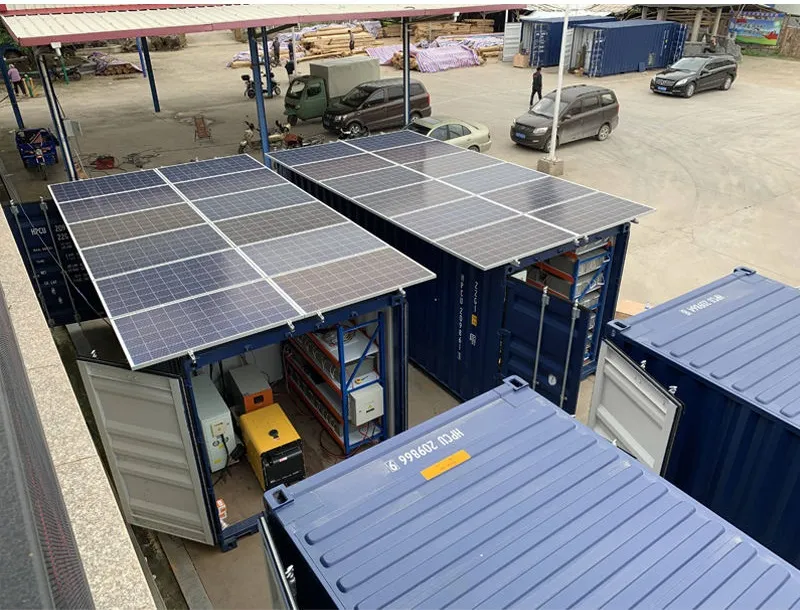
Universities have long been hubs of innovation, but in recent years, they've taken on a new role: leading the charge for environmental sustainability. Campuses are bustling ecosystems—think lecture halls lit from dawn till dusk, dormitories housing thousands of students, research labs running 24/7 experiments, and cafeterias serving meals to entire communities. All that activity adds up to massive energy consumption, and for forward-thinking institutions, the question isn't just "How do we power this?" but "How do we power this responsibly?"
Enter solar panels. These sleek, sun-powered systems aren't just tech gadgets—they're catalysts for change. For universities, installing solar panels isn't just about cutting electricity bills (though that's a nice bonus). It's about living up to their mission of shaping a better future, teaching students by example, and reducing their carbon footprint one panel at a time. But to make these projects work, universities need more than just good intentions. They need a partner who understands the unique demands of campus life—a partner like a one-stop architectural solution provider that can turn sustainability goals into reality.
Let's start with the basics: university campuses are energy guzzlers. A 2023 report by the Association for the Advancement of Sustainability in Higher Education (AASHE) found that the average large campus uses enough electricity to power 10,000 homes annually. Traditional energy sources—coal, natural gas—don't just contribute to climate change; they leave campuses vulnerable to fluctuating utility prices and supply chain disruptions. Solar panels, on the other hand, offer a stable, renewable alternative.
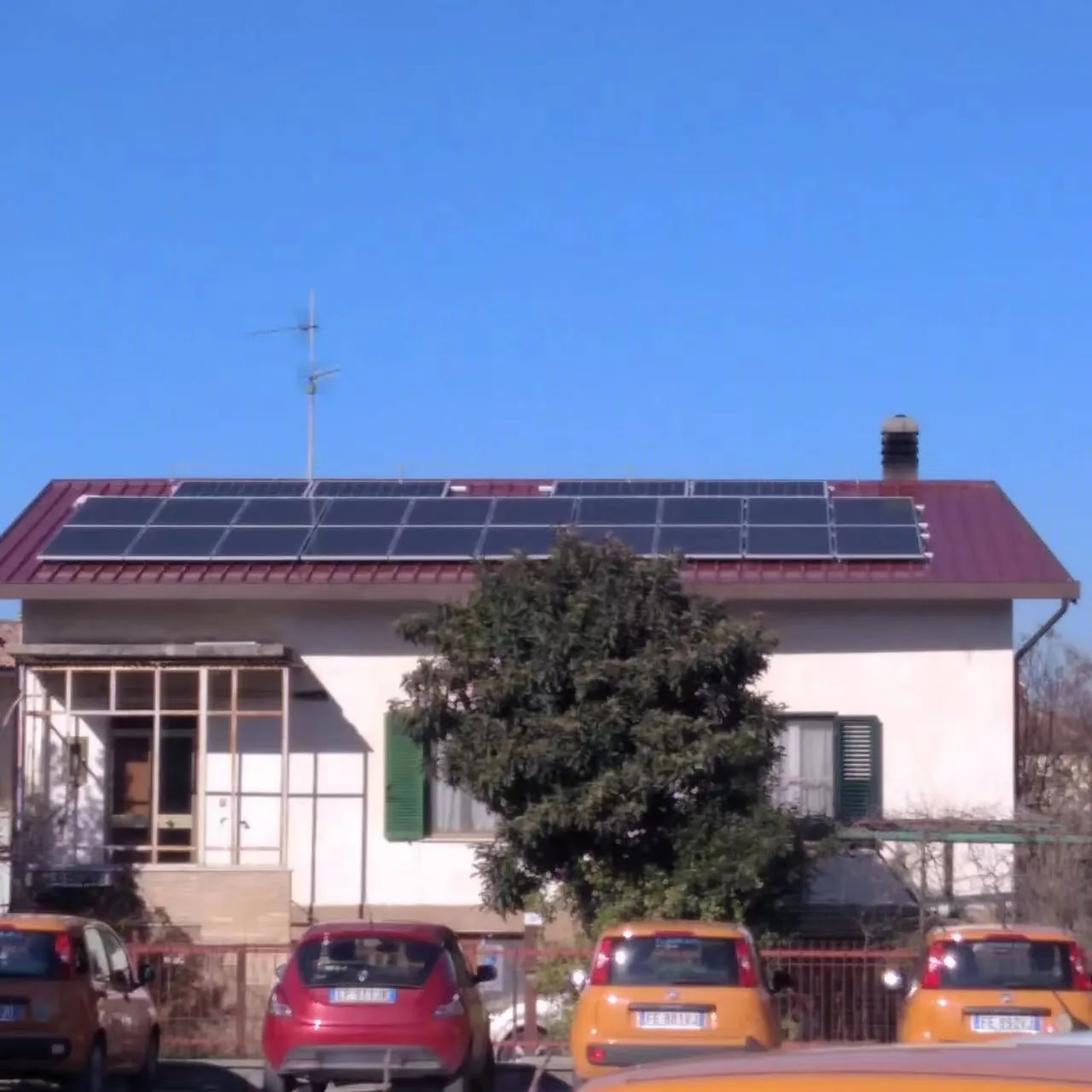
Let's take a closer look at how one university turned its sustainability goals into a thriving solar project. Last year, a large public university in the Middle East (let's call it "Green Valley University") embarked on a mission to cut its carbon emissions by 40% by 2030. Their first step? Installing solar panels across three key areas: the main campus roof, the student dormitories, and the athletic facilities.
The challenge? Green Valley didn't just need solar panels—they needed a partner who could handle everything from initial site assessments to final installation, while also coordinating with existing campus infrastructure. That's where a sustainable products provider with experience in large-scale projects came in. The team started by conducting a detailed energy audit, mapping out which buildings received the most sunlight and how much power each consumed. They then recommended a mix of high-efficiency solar panels, tailored to the region's hot, sunny climate—panels designed to withstand extreme temperatures and maximize energy production even on cloudier days.
| Project Phase | Details | Outcome |
|---|---|---|
| Site Assessment | 3-week audit of 12 campus buildings; solar potential analysis using 5 years of weather data | Identified 8 optimal locations for panels; projected 1.2GWh annual energy production |
| Panel Installation | 1,500 solar panels installed on rooftops and parking lot canopies; coordinated with campus facilities team to avoid class disruptions | Completed 2 weeks ahead of schedule; zero impact on student activities |
| Monitoring System Setup | Real-time energy tracking dashboard installed; linked to university's sustainability department | Students and faculty can view live data on energy production and carbon savings |
| 6-Month Review | Analysis of energy bills and carbon reduction metrics | 15% reduction in campus electricity costs; 800 tons of CO2 offset; 3,000+ student interactions with the monitoring dashboard |
Today, Green Valley's solar panels are more than just power sources—they're conversation starters. During campus tours, prospective students stop to ask about the shiny arrays on the library roof. Professors incorporate the energy data into lectures on climate change. Even the campus café now uses "solar-powered smoothies" as a marketing tagline. It's proof that solar projects don't just change how a campus runs—they change how a campus thinks.
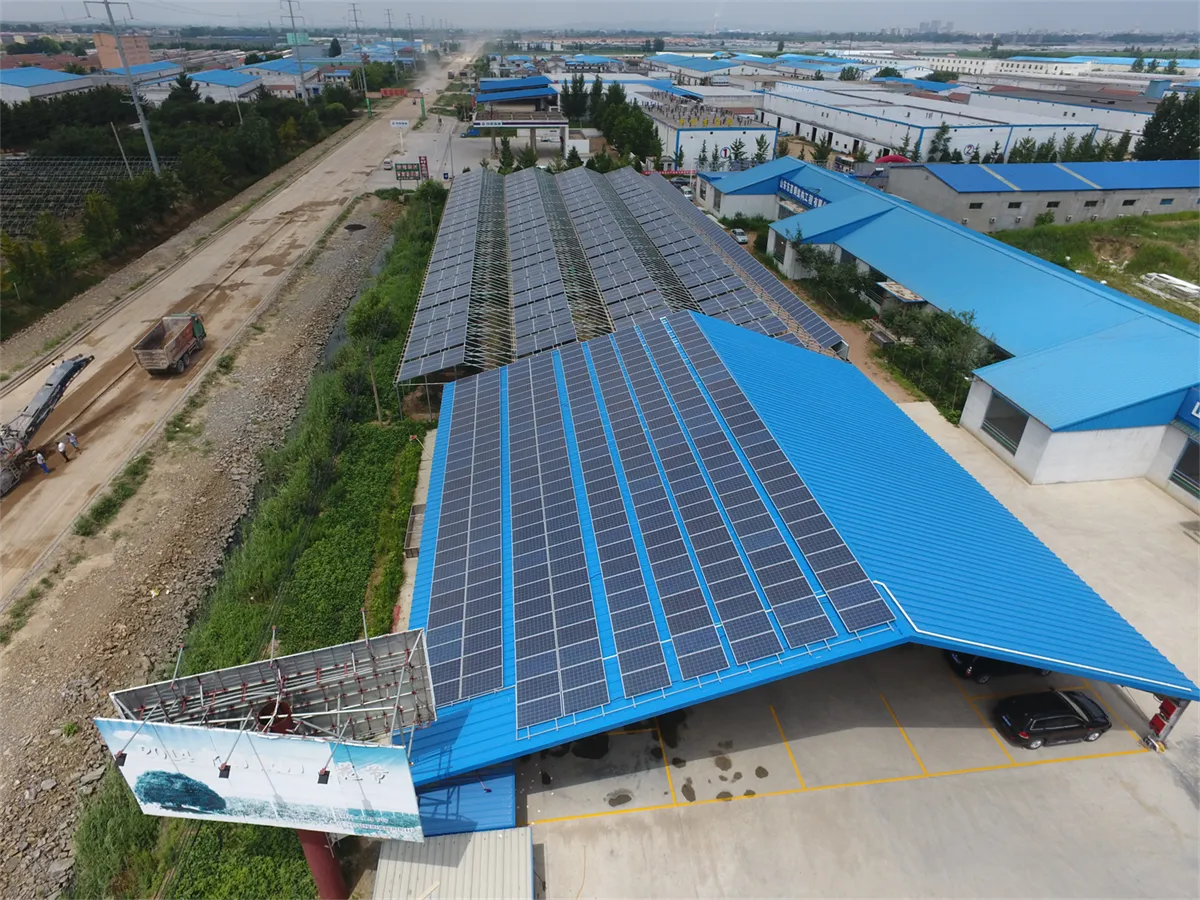
Green Valley's success didn't happen by accident. It relied on choosing a supplier who understood that university solar projects are about more than hardware. They're about collaboration, scalability, and long-term support. Here's what sets a standout partner apart:
Universities don't operate in silos, and neither should their solar projects. A campus might need solar panels for the dormitories, but also new roofing materials to support the panel weight, energy-efficient lighting to complement the solar power, or even smart electrical systems to manage the new energy flow. A one-stop architectural solution provider can handle all of this in-house, eliminating the hassle of coordinating with multiple vendors. For example, if a university decides to expand its solar project to include the science building, the same team that supplied the panels can also provide the wiring, inverters, and backup batteries needed to keep research labs running smoothly—no new contracts, no communication gaps, just seamless progress.
Solar panels aren't one-size-fits-all. A panel that works perfectly in a cool, cloudy region might underperform in a hot, arid climate like the Middle East. Suppliers with local expertise understand these nuances. They know which panels are built to resist dust, high temperatures, and humidity, ensuring that the system keeps producing energy year after year. Green Valley's supplier, for instance, recommended panels with anti-reflective coatings to handle the intense desert sun and corrosion-resistant frames to withstand occasional sandstorms—details that a generic supplier might have overlooked.
Installing solar panels is just the start. Campuses need ongoing maintenance to keep systems running at peak efficiency—cleaning panels, replacing worn parts, and updating software for energy monitoring. A reliable supplier offers years of post-installation support, including regular check-ins and emergency repairs. For universities, this peace of mind is priceless. They can focus on educating students, not troubleshooting solar systems.
Today's universities don't just want to be "green"—they want to be part of a global movement. Many are signatories to initiatives like the UN's Sustainable Development Goals (SDGs) or local targets like Saudi Arabia's "2030 Vision," which emphasizes sustainability and carbon reduction. A supplier that prioritizes sustainable products aligns with these goals, offering panels made from eco-friendly materials, recycled packaging, and manufacturing processes that minimize waste. This isn't just good for the planet—it's good for the university's reputation, too.
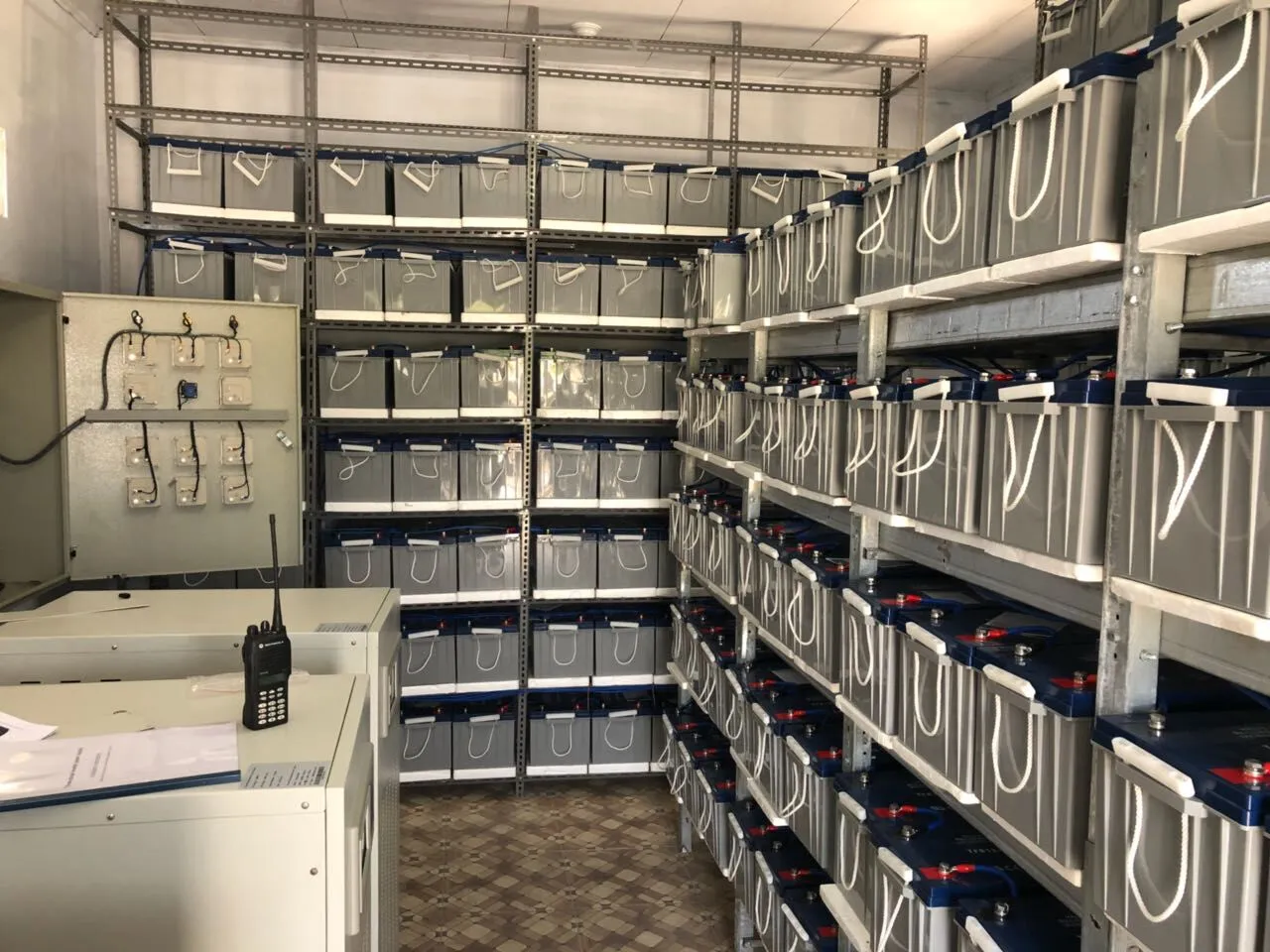
Of course, solar projects aren't without hurdles. Universities face unique obstacles, from tight budgets to complex campus regulations. Let's break down the most common challenges and how the right partner can help overcome them:
Solar systems require initial investment, and universities—often strapped for cash—might hesitate to allocate funds away from academics. The solution? Creative financing. Many suppliers offer flexible payment plans, Power Purchase Agreements (PPAs), or even grants for sustainability projects. For example, Green Valley secured a government grant for 30% of their solar costs by partnering with a supplier experienced in navigating local funding opportunities.
Installing solar panels on a busy campus means working around classes, exams, and events. A supplier with campus experience will create a detailed timeline, scheduling work during breaks or after hours, and communicating with faculty and students to minimize disruptions. They'll also coordinate with campus security, facilities, and even student unions to keep everyone in the loop.
Universities plan for decades, not just years. A solar system installed today needs to adapt to future campus growth—like new buildings, increased enrollment, or evolving energy needs. The right partner will design a scalable system, using modular panels that can be easily expanded, and software that can integrate with future technologies like battery storage or smart grids.
Solar panels are just the beginning. As technology advances, universities are finding innovative ways to integrate solar power into every corner of campus life. Here's what the future might hold:
Battery storage systems let campuses store excess solar energy generated during the day to use at night or during power outages. Imagine a dormitory running on stored solar power during a storm, or a research lab continuing experiments without interruption—all while reducing reliance on the grid.
Some universities are turning solar installations into interactive learning tools. Students can monitor energy production in real time, analyze data to optimize efficiency, or even design their own solar-powered projects—like charging stations for electric bikes or solar-heated greenhouses for the biology department.
Campuses don't have to keep solar benefits to themselves. Community solar programs let local residents or small businesses buy into the university's solar project, sharing the energy and the savings. It's a win-win: the university expands its project, and the community gains access to clean energy.
For universities ready to take the leap, the message is clear: solar panels aren't just a trend—they're a long-term investment in education, sustainability, and community. And with the right partner—one that offers sustainable products , one-stop solutions, and local expertise—these projects can transform campuses into living proof that a greener future is possible.
At the end of the day, universities are in the business of inspiring change. When students walk across campus and see solar panels glinting in the sun, they don't just see a power source—they see a vision of what the world could be. And that's the most powerful lesson of all.
Recommend Products












