
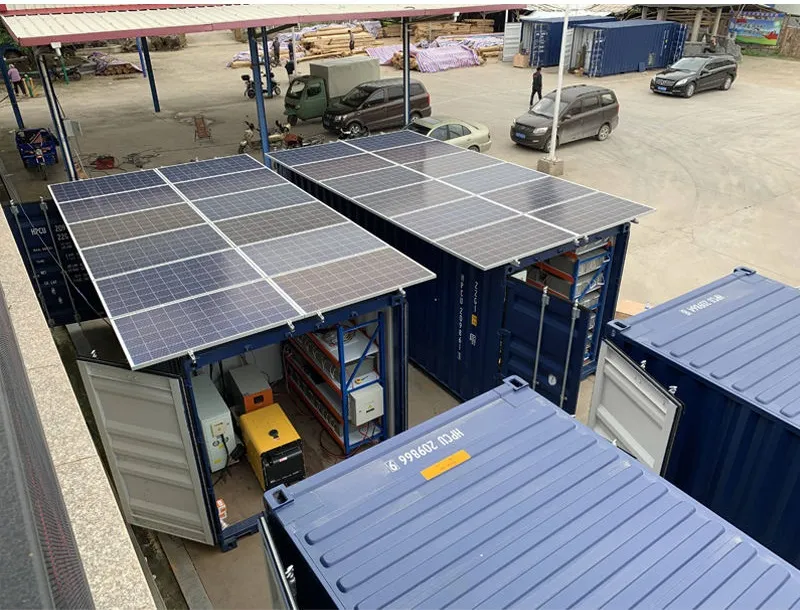
The tiny house movement has redefined what home means for thousands of people around the world. Smaller spaces, lighter environmental footprints, and greater freedom to move—these are just a few of the reasons people are embracing compact living. But one question always comes up when planning a tiny house: How do you power it? For most tiny home enthusiasts, solar panels for tiny house living are the most practical and sustainable answer.
Going solar lets you break free from the grid, reduce or eliminate monthly utility bills, and enjoy true energy independence. Whether you're building a permanent tiny home in the countryside or a mobile unit on wheels, a well-designed solar system can power everything from your lights and refrigerator to your laptop and small appliances. In this guide, we'll walk you through everything you need to know to choose the right solar setup for your tiny lifestyle.
Tiny homes and solar energy are a natural match. Here's why the combination works so well:
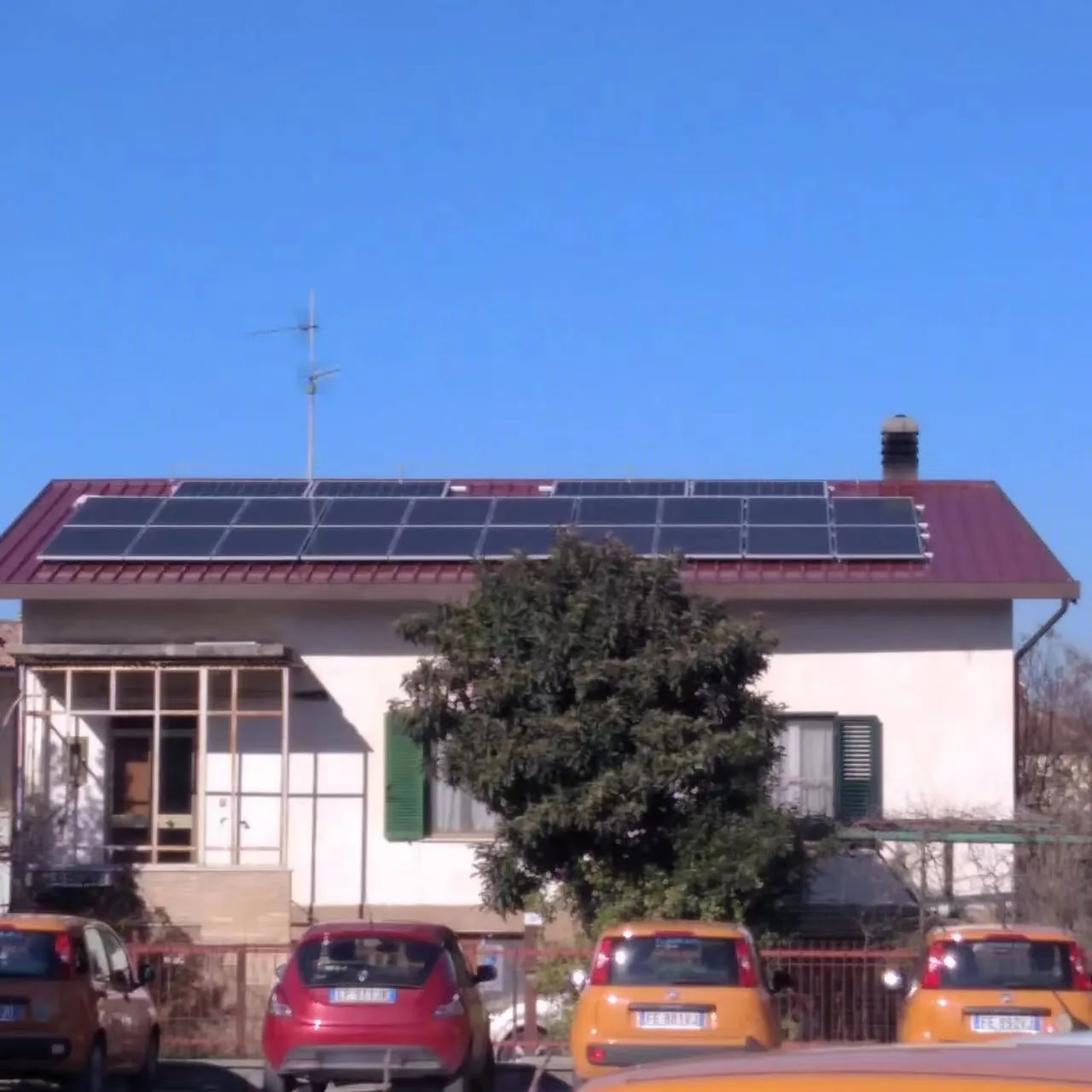
Before you buy a single panel, you need to know how much electricity you actually use. Start by listing every device and appliance in your tiny home and noting its wattage and daily usage time. Multiply watts by hours to get watt-hours (Wh), then add everything up for your daily total.
For most off-grid tiny homes, daily consumption falls somewhere between 1,000 Wh (1 kWh) for very minimal setups and 5,000 Wh (5 kWh) for those with more appliances like a refrigerator, induction cooktop, or air conditioner. Your exact number will depend on your lifestyle and climate.
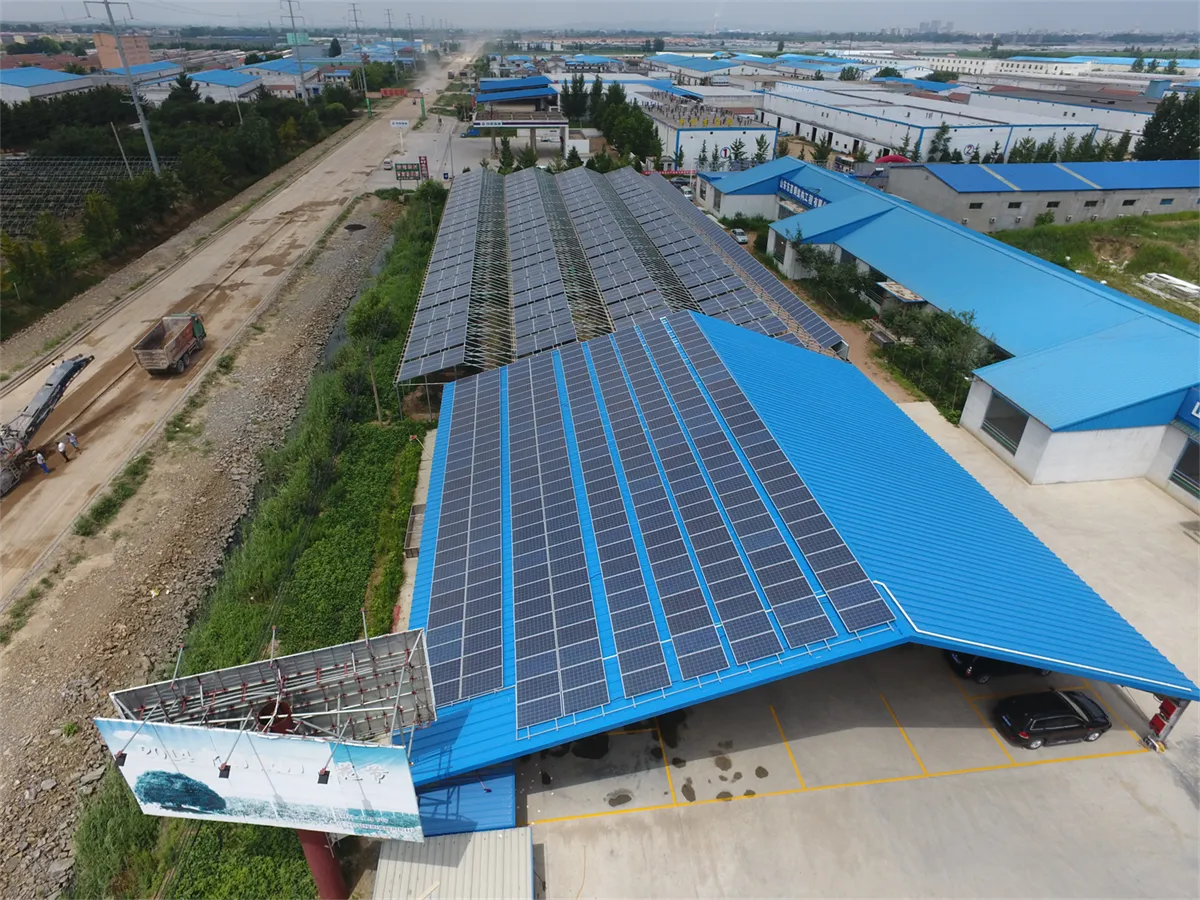
A complete off-grid solar system involves more than just panels on the roof. Here's what you'll need:
The panels themselves are the heart of the system. They capture sunlight and convert it into direct current (DC) electricity. For tiny homes, panel sizes typically range from 100W to 400W each. Monocrystalline panels are the most efficient and popular choice, while flexible solar panels work well for curved roofs or weight-sensitive builds.
A charge controller regulates the voltage and current coming from the panels to the battery. It prevents overcharging and extends battery life. MPPT (Maximum Power Point Tracking) controllers are more efficient than basic PWM models and are worth the extra cost for most systems.
Solar panels only produce power when the sun is shining. Batteries store that energy for use at night or on cloudy days. Lithium-ion (LiFePO4) batteries are the modern choice—they're lighter, longer-lasting, and require less maintenance than traditional lead-acid batteries.
Most household appliances run on alternating current (AC), but solar panels and batteries produce DC. An inverter converts DC power to AC so you can plug in standard devices. Pure sine wave inverters provide the cleanest power and are safe for sensitive electronics like laptops and medical equipment.
Roof mounts, ground mounts, brackets, cables, and connectors—these smaller parts tie everything together. Quality wiring and proper installation are critical for both safety and efficiency.
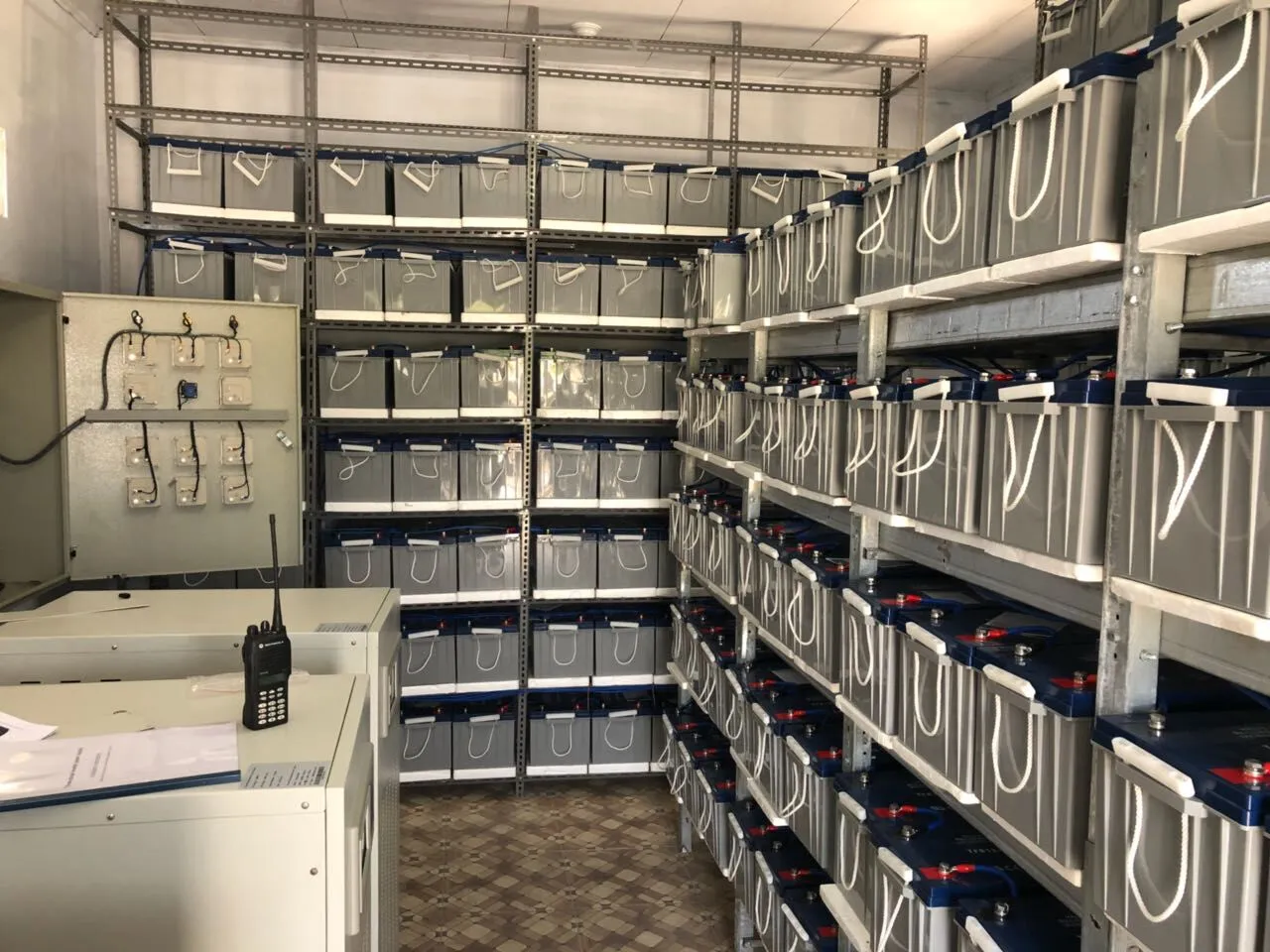
The short answer: it depends on your energy usage and the amount of sunlight your location receives. As a rough starting point:
A good rule of thumb is to multiply your daily watt-hour usage by 1.5 to account for system losses and cloudy days, then divide by the number of peak sun hours your area gets. This gives you the total wattage of panels you'll need.
Not all solar panels are created equal. When shopping for solar panels for tiny house applications, consider these factors:
Roof space on a tiny house is limited, so higher-efficiency panels let you generate more power in less area. Monocrystalline panels generally offer 18–25% efficiency, while thin-film options are less efficient but lighter and more flexible.
If your tiny home is mobile or located in a harsh climate, look for panels with tempered glass, aluminum frames, and IP65 or IP68-rated junction boxes. They should withstand wind, rain, snow, and temperature swings without issues.
Tiny houses on trailers have strict weight limits. Lightweight panels or flexible solar panels can help you stay within your towing capacity while still generating plenty of power.
Quality panels come with a 25-year performance warranty and at least a 10–12 year product warranty. This is important—you want your investment to last as long as your tiny home does.
Installing solar panels on a tiny house is very doable as a DIY project, but it pays to do it right. Here are some tips to make your installation go smoothly:
Solar system costs vary widely based on size and quality. A basic off-grid kit for a minimal tiny house can start at a few hundred dollars, while a premium system with lithium batteries and high-efficiency panels can run several thousand.
Here's the thing: you don't have to buy everything at once. Many tiny home builders start with a small system and expand over time. You can also save money by buying from a reliable solar panels supplier that offers competitive wholesale pricing and quality products.
When comparing costs, don't just look at the price per panel. Consider the complete package: panels, charge controller, inverter, batteries, mounting hardware, and wiring. A one-stop architectural solution provider that supplies not just solar panels but all the building materials for your tiny house can also help streamline your procurement and potentially reduce overall costs.
The most cost-effective solar watt is the one you don't need. Before you size your system, look for ways to reduce your energy consumption:
Every watt you save is a watt you don't need to generate—and that means fewer panels, a smaller battery bank, and lower overall costs.
First-time solar installers often run into the same issues. Watch out for these pitfalls:
Solar power is an excellent choice for most tiny homes, but it's not the only option. Grid-tie systems work if your tiny house is on a permanent foundation with access to utility power. Generator backups can provide peace of mind during extended cloudy periods. And in some locations, you might combine solar with wind or micro-hydro for even more reliability.
That said, for the classic off-grid tiny house experience—waking up to sunlight, living simply, and not owing a utility company a dime—solar is hard to beat. The technology is mature, the costs keep coming down, and the freedom it provides is exactly what draws many people to tiny living in the first place.
Ready to power your tiny house with solar energy? As a trusted solar panels supplier, COLORIA GROUP offers a range of high-quality solar panels and complete building material solutions for residential and commercial projects. Whether you're sourcing commercial solar panels for a multi-unit development or planning your dream tiny home, their team can help you find the right products at competitive prices. Visit COLORIA GROUP to explore their full catalog and start building your sustainable future today.
Recommend Products












