
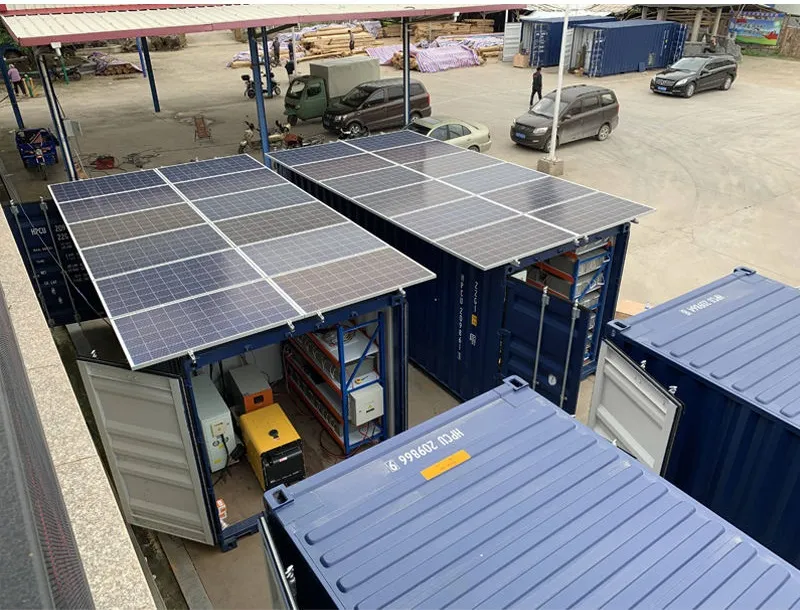
For many city dwellers squeezed into cozy apartments, the idea of powering homes with solar energy often feels like a distant dream. Rooftops are shared, balconies are barely big enough for a chair, and traditional solar panels—bulky, rigid, and space-hungry—seem designed for sprawling houses, not urban nests. But what if solar energy could fit seamlessly into the tight corners of apartment living? What if the very materials that make up your walls, windows, or balcony railings could quietly generate clean power? As the demand for sustainable living grows, even the smallest apartments are getting a chance to join the solar revolution, thanks to compact, high-performance solutions tailored to their unique needs.
Small apartments come with a unique set of hurdles when it comes to solar adoption. Unlike standalone homes with private rooftops, apartment residents often face limited access to shared spaces—rooftops may be controlled by building management, or overshadowed by neighboring high-rises. Balconies, the most accessible outdoor area for many, are rarely larger than a few square meters, leaving little room for clunky equipment. Then there's the aesthetic factor: no one wants their tiny living space to feel cluttered by industrial-looking panels that clash with their interior decor.
Even when space is available, installation can be a headache. Traditional solar setups require mounting brackets, wiring runs, and structural reinforcements—luxuries that many apartment walls or railings can't support. For renters, permanent modifications are often off-limits, making temporary or non-invasive solutions a must. And in regions like the Middle East, where temperatures soar and sandstorms are common, durability adds another layer of complexity: panels need to withstand harsh conditions without sacrificing performance.
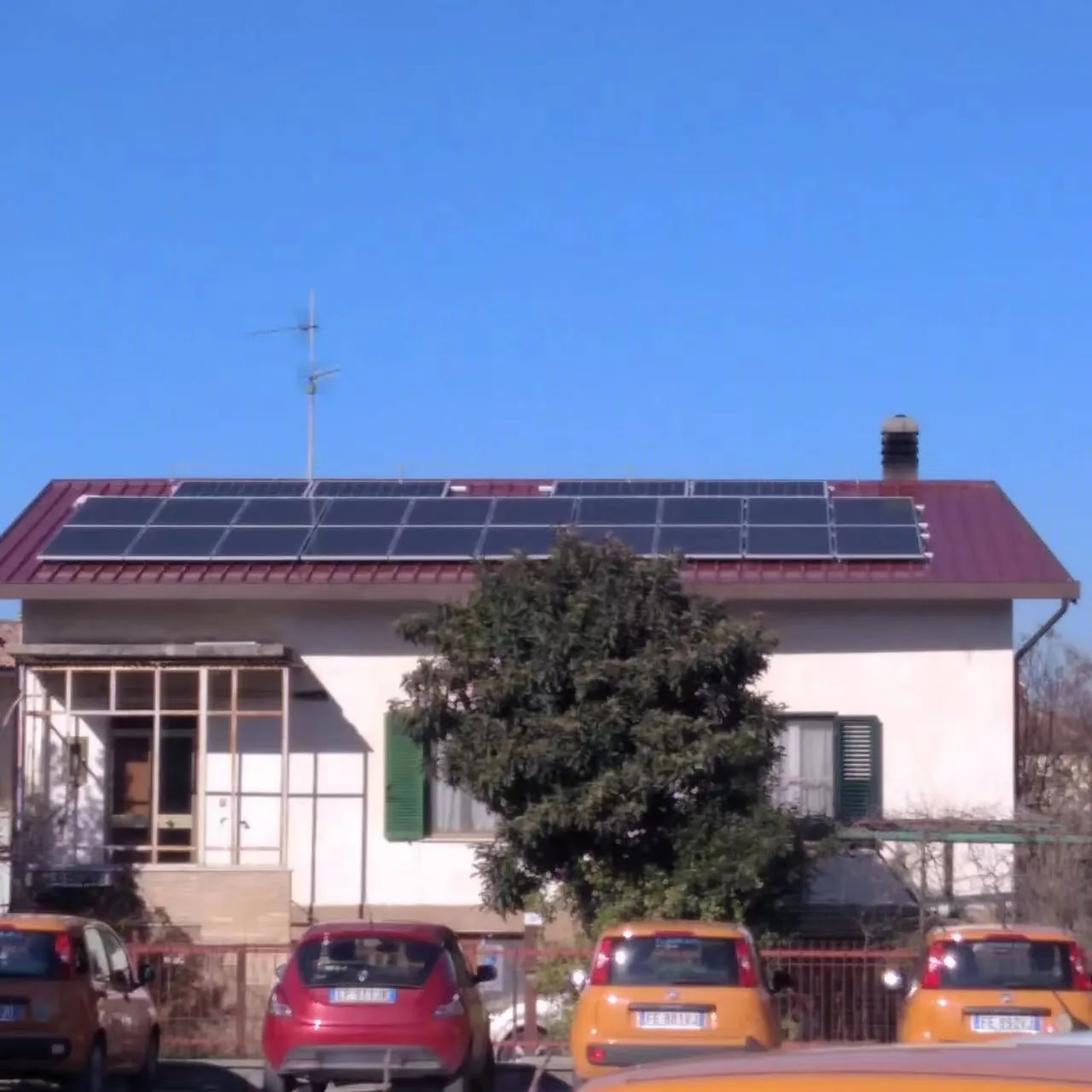
The good news? Modern solar technology has evolved to meet the demands of apartment living. Today's compact solar solutions are designed to be unobtrusive, flexible, and surprisingly powerful—proving that you don't need a mansion to go green. Let's break down the innovations changing the game:
| Solution Type | Key Features | Best For |
|---|---|---|
| Flexible Solar Panels | Thin (as little as 2mm), bendable, lightweight; can adhere to curved surfaces like balcony railings or windowsills. | Renters, small balconies, irregular spaces |
| Solar-Integrated Building Materials | Solar cells embedded into windows, wall panels, or even decorative facades; blend into existing architecture. | New builds or renovations, aesthetic-focused users |
| High-Efficiency Compact Modules | Small footprint (e.g., 1m x 0.5m) with advanced cell technology; generates more power per square meter. | Limited space, high energy needs |
Take flexible solar panels, for example. Made with thin-film materials like amorphous silicon or CIGS, these panels can be rolled up for transport and stuck to almost any surface—think the side of a balcony railing, a south-facing window, or even the lid of a storage box. They're lightweight enough to avoid damaging walls or railings, and many come in neutral colors that fade into the background. For those who want something even more integrated, solar-integrated windows (also called "building-integrated photovoltaics" or BIPV) turn ordinary windows into power generators. These windows look like tinted glass but contain invisible solar cells that capture sunlight without blocking views—a game-changer for apartments with large windows but no outdoor space.
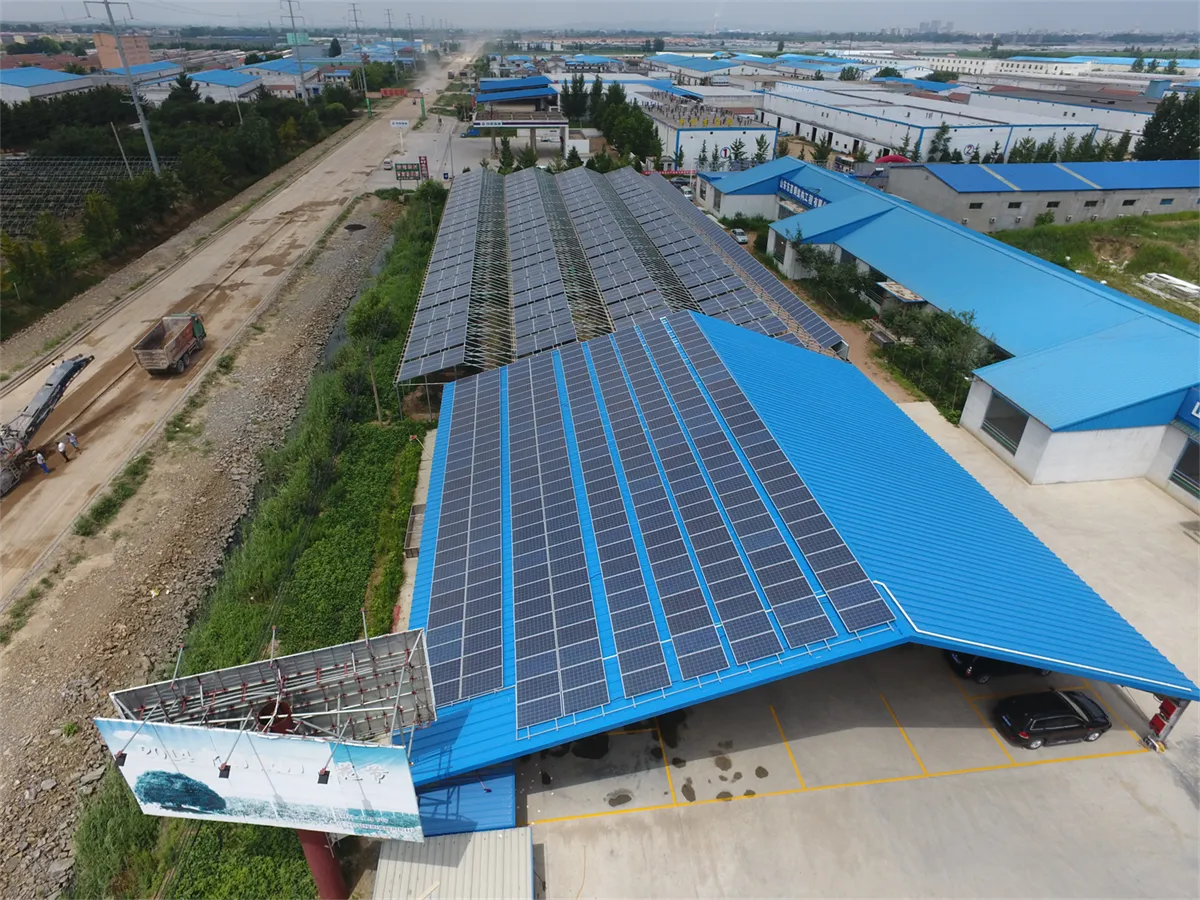
Compact doesn't mean compromising on power. Today's small-scale solar panels are engineered to deliver impressive performance, even in the constrained environments of apartment living. Let's dive into the specs that matter most:
Traditional solar panels typically have efficiency rates (the percentage of sunlight converted to electricity) between 15-20%. Compact panels, however, often use advanced technologies like monocrystalline cells or heterojunction technology to push efficiency above 22%. That might sound like a small jump, but in a space as limited as a balcony, every percentage point counts. A 1m² compact panel with 23% efficiency can generate around 300Wh per day in sunny regions—enough to power a laptop, LED lights, and a small fridge, freeing up space that would otherwise require two larger, lower-efficiency panels.
City living isn't easy on equipment. Compact panels need to withstand everything from extreme temperatures (scorching summers in Riyadh, freezing winters in Moscow) to accidental knocks from balcony furniture. Many are designed with reinforced frames, shatterproof glass, or weather-resistant coatings. Flexible panels, in particular, are surprisingly tough—some can handle hail, heavy rain, and even being stepped on (though we don't recommend testing that!). For apartments in coastal areas, anti-corrosion materials prevent salt air from eating away at components, ensuring a lifespan of 20+ years, just like their larger counterparts.
No two apartments are the same—some have narrow, north-facing windows; others have tiny, west-facing balconies. Compact solar solutions thrive on adaptability. Many come with modular designs, allowing users to link multiple small panels together to fit odd-shaped spaces. For example, a balcony with a curved railing might use three 0.5m flexible panels arranged to follow the curve, while a window with a narrow sill could host a single high-efficiency module tilted at the optimal angle. Even renters can benefit: magnetic mounts or peel-and-stick adhesives make installation and removal a breeze, with no permanent damage to walls or surfaces.
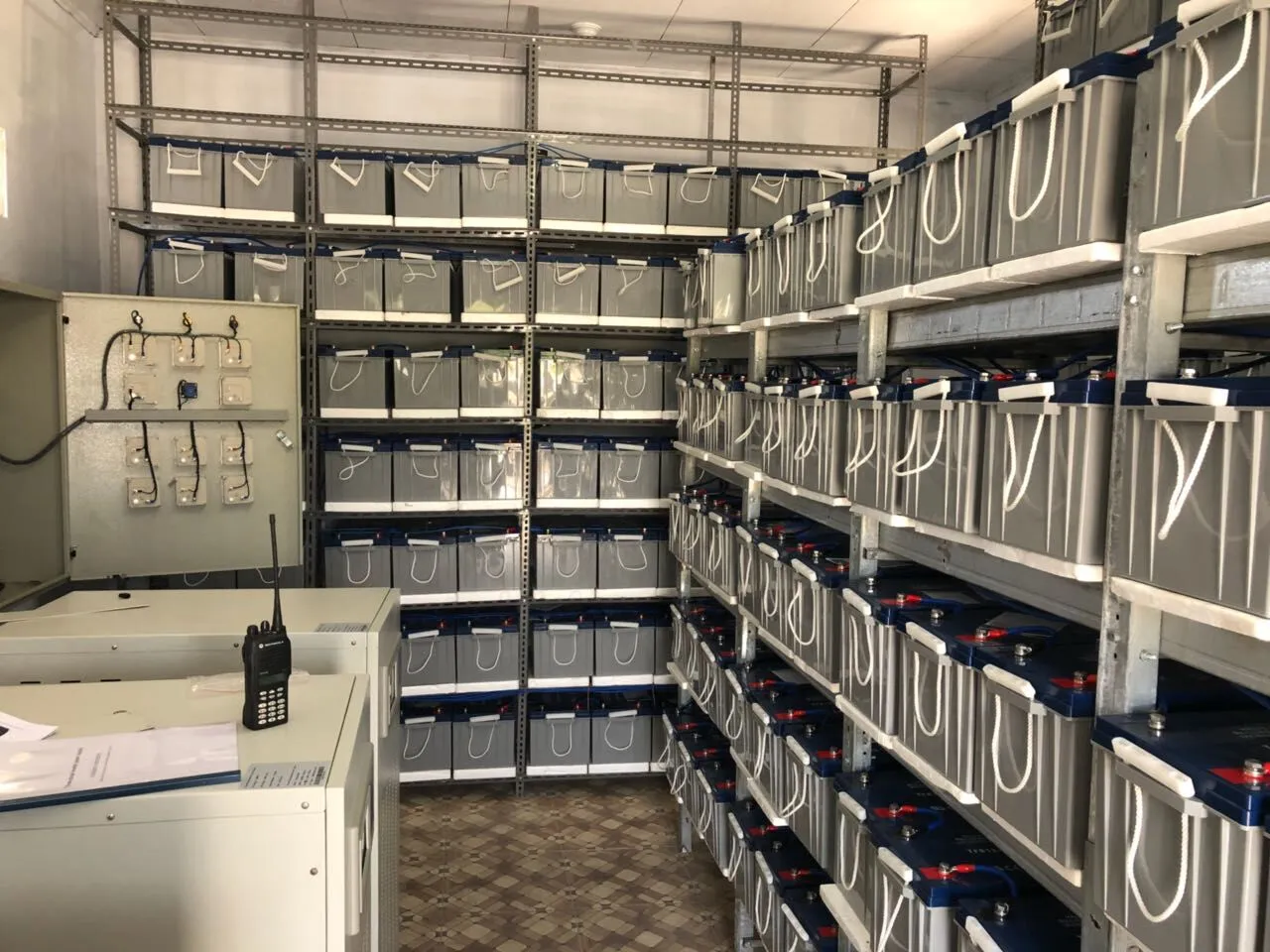
In Riyadh, Saudi Arabia—a city where apartment living is the norm and summer temperatures regularly exceed 45°C—one residential building recently proved that even the smallest units can harness solar power. The project, a 12-story apartment complex with 60m² one-bedroom units, faced the classic challenges: shared rooftops, limited balcony space, and strict building codes. Working with a local residential building materials supplier, the developers opted for a hybrid solution: flexible solar panels on balconies and solar-integrated window films on south-facing windows.
Each balcony received two 1m x 0.6m flexible panels mounted on the outer railing, angled to catch morning sunlight. The window films, barely visible to the eye, covered 80% of the living room windows, capturing diffused light even on cloudy days. For the 50 residents who participated, the results were clear: average monthly electricity bills dropped by 30%, and the building's overall carbon footprint decreased by 15%. "I was skeptical at first—my balcony is barely big enough for my plants," said one tenant. "But the panels are so thin, I forgot they were there. Now I check my energy app every morning and smile seeing how much I've saved."
What made this project possible? A focus on integration rather than add-ons. By choosing a supplier that understood both solar technology and residential building materials, the developers avoided the common pitfall of mismatched systems. Panels were color-matched to the building's facade, wiring was hidden within balcony railings, and the entire setup was approved by local authorities—proof that with the right partner, even complex urban environments can go solar.
The benefits of apartment solar go far beyond lower electricity bills. In a world racing to meet "dual carbon" targets and reduce reliance on fossil fuels, urban areas—where most people live—are critical battlegrounds. Small apartments, when equipped with solar panels, become micro power plants, collectively reducing the strain on local grids and cutting greenhouse gas emissions. In densely populated cities, thousands of apartments with compact solar systems can offset the energy use of entire neighborhoods, making renewable energy a community effort rather than an individual luxury.
Sustainable building solutions like compact solar panels also align with global trends toward green construction. Governments worldwide are tightening regulations on building emissions, with some cities mandating renewable energy integration in new residential developments. For example, Saudi Arabia's "2030 Vision" emphasizes sustainable urban growth and carbon reduction, making solar-ready apartments an increasingly attractive option for developers. By choosing eco-friendly materials that generate energy, small apartments aren't just homes—they're part of a larger movement toward resilient, low-carbon cities.
Not all solar panels are created equal, and for apartment dwellers, the stakes are even higher. A poorly designed panel might fail in high heat; a one-size-fits-all solution might waste precious balcony space; a supplier without local expertise might overlook regional regulations (like Saudi Arabia's strict building codes). That's why partnering with a trusted solar panels supplier—one that specializes in residential building materials and understands the unique needs of small spaces—is key.
Look for a one-stop architectural solution provider that can offer more than just panels. The best suppliers will guide you through every step: assessing your apartment's sun exposure, recommending the right mix of flexible or integrated panels, handling permits, and even connecting you with installers who specialize in urban setups. They'll also offer warranties tailored to apartment living—like coverage for accidental damage or compatibility with building management systems. After all, solar is a long-term investment; you want a partner who'll be there 10 years down the line when you need maintenance or upgrades.
In regions like the Middle East, local knowledge is an added bonus. A supplier with experience in the Saudi market, for example, will know which panels perform best in desert climates, how to navigate local certification processes, and how to design systems that work with the region's unique architecture. As one Riyadh-based developer put it: "We've worked with international suppliers before, but nothing beats having a partner who speaks the language—literally and figuratively. They get our building codes, our climate, and our residents' needs."
The solar revolution for small apartments is just getting started. Innovators are already testing even more integrated solutions: solar paint that can be applied to walls like regular paint, solar fabric that doubles as balcony curtains, and transparent solar panels that turn glass doors into power generators. Imagine a future where your apartment's entire facade is a solar panel, or your furniture—like a balcony bench—has built-in solar cells. These aren't just sci-fi ideas; they're prototypes being tested in labs today.
Another trend? Smart integration with home energy systems. Future compact panels will connect to your smart thermostat, electric vehicle charger, and even your smartphone, optimizing energy use based on when you're home or away. In a small apartment, where every device competes for power, this kind of intelligence will maximize savings and minimize waste.
Living in a small apartment shouldn't mean missing out on the benefits of solar energy. Compact, high-performance panels are breaking down the barriers of space, cost, and aesthetics, turning even the coziest city nests into hubs of clean power. Whether you're a renter with a tiny balcony or a homeowner renovating a studio, there's a solar solution tailored to your space—one that saves you money, reduces your carbon footprint, and fits seamlessly into your life.
The key? Start with the right partner. Look for a supplier that sees your apartment not as a limitation, but as an opportunity to innovate—one that understands both solar technology and the art of making small spaces feel like home. With the right tools and support, your apartment can join the ranks of sustainable, energy-efficient homes, proving that when it comes to solar power, good things really do come in small packages.
Recommend Products












