


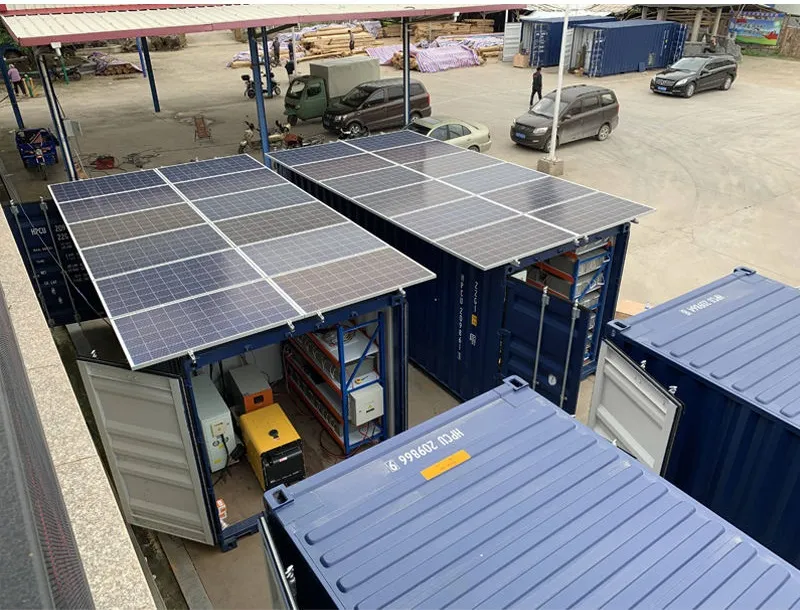
How real-world energy projects are sparking curiosity and building the innovators of tomorrow
In a sunlit classroom in Riyadh, a group of high school students huddles around a small solar panel array, their notebooks filled with sketches and calculations. "If we angle the panels 22 degrees, the data says we'll get 15% more energy," one student explains, pointing to a graph on their tablet. Nearby, their teacher smiles—this isn't just a science lesson; it's a glimpse into the future of education, where renewable energy and hands-on learning collide.
STEM education has long been the cornerstone of preparing students for the challenges of tomorrow, but in a world grappling with climate change and sustainable development goals, there's a growing need to connect classroom theory with real-world impact. That's where solar panels come in—not just as tools for generating clean energy, but as powerful teaching companions that turn abstract concepts into tangible experiences. For schools, educators, and students alike, integrating solar projects into STEM curricula isn't just about learning; it's about empowering the next generation to become problem-solvers, innovators, and stewards of the planet.
Why Solar Panels Belong in Every School's STEM Toolkit
Walk into any modern classroom, and you'll likely find whiteboards, laptops, and science kits—but few tools can match the transformative power of a solar panel. Here's why:
- Science in Action : From understanding photon conversion to calculating energy efficiency, solar panels turn physics and chemistry lessons into living experiments. Students don't just read about renewable energy—they watch it work, in real time.
- Engineering Hands-On : Designing a small-scale solar system (whether for powering a classroom garden or charging devices) teaches engineering principles, project planning, and troubleshooting. "We had to adjust the wiring three times before the panel powered the LED lights," recalls a 10th grader from Jeddah. "But when it finally worked? That feeling of 'we built this' is unforgettable."
- Math with Purpose : Tracking daily energy output, comparing monthly savings, and analyzing weather patterns—solar projects make math meaningful. Suddenly, formulas and graphs aren't just homework; they're tools to measure impact.
- Environmental Stewardship : In a region like the Middle East, where sunlight is abundant and sustainability is a key part of national visions like Saudi Arabia's 2030 goals, solar projects plant seeds of eco-consciousness. Students begin to see themselves as part of a global movement toward greener futures.
And the timing couldn't be better. As countries worldwide push for carbon neutrality, and Saudi Arabia invests in renewable energy to diversify its economy, schools are uniquely positioned to nurture the talent that will drive these goals forward. A solar STEM project today could inspire the engineer who designs tomorrow's solar farms—or the policymaker who accelerates the transition to clean energy.
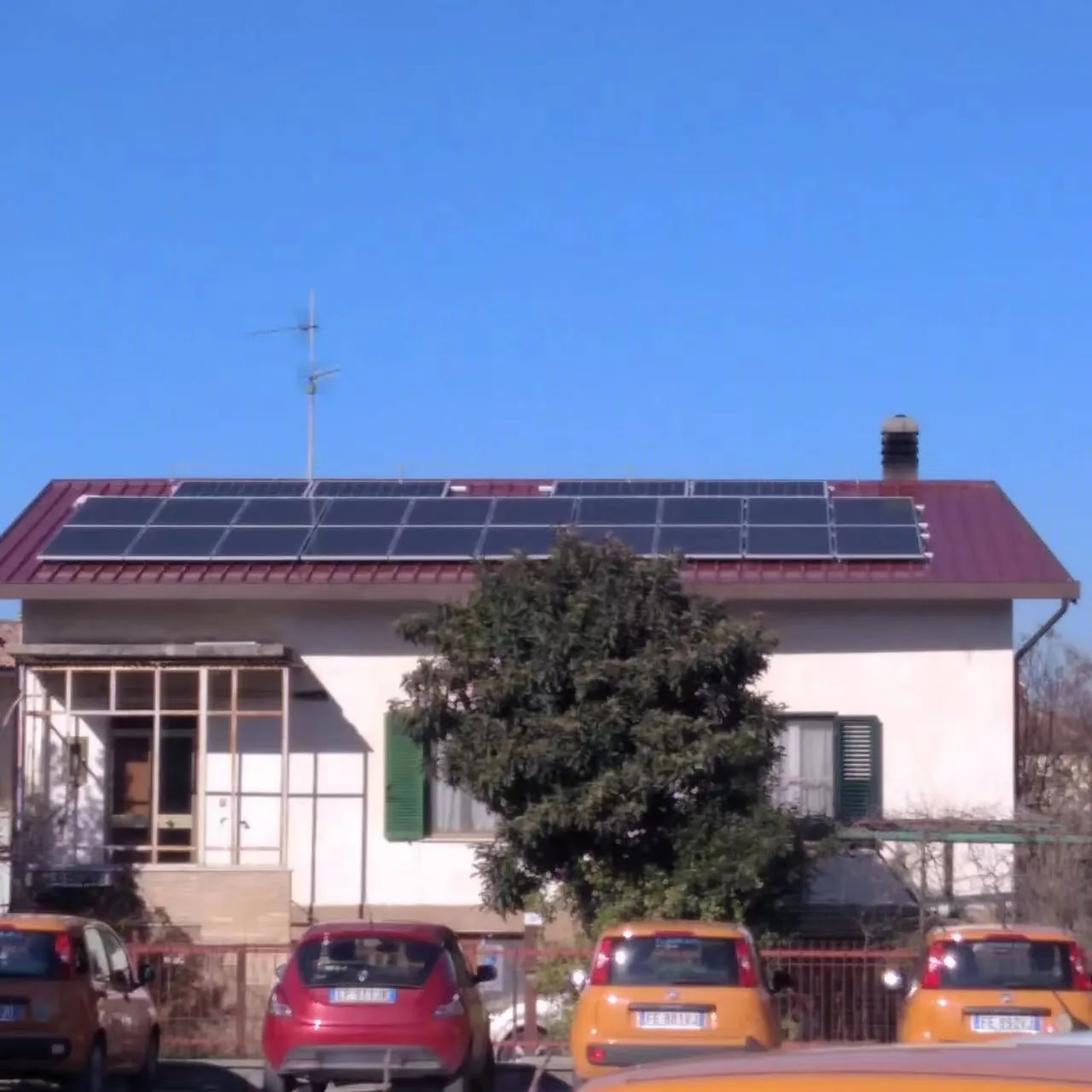
Bringing Solar STEM to Life: A Step-by-Step Guide
You don't need a massive budget or a dedicated science lab to start a solar project. Many schools begin small—with portable solar kits, classroom-sized arrays, or even partnerships with local businesses. Here's how to get started:
| Project Phase | Student Role | Skills Gained | Example Outcome |
|---|---|---|---|
| Research & Planning | Survey the school grounds for optimal sunlight, research panel types, and draft a budget. | Data analysis, critical thinking, teamwork | A report recommending the best location for a solar-powered charging station. |
| Design & Build | Assemble the solar panel, install mounting brackets, and connect wiring (with teacher/mentor guidance). | Engineering, problem-solving, fine motor skills | A functional solar array powering the school's outdoor garden lights. |
| Monitor & Analyze | Track daily energy production, log weather conditions, and compare results to initial projections. | Data literacy, statistical analysis, attention to detail | A presentation showing how seasonal changes affect solar efficiency. |
| Share & Advocate | Present findings to the school board, create a social media campaign, or host a community workshop. | Public speaking, communication, leadership | A school-wide initiative to expand solar projects to other classrooms. |
The best part? These projects aren't just for high schools. Even elementary students can participate—planting a "solar garden" with panels that water plants, or building model homes with mini solar roofs. The key is to tailor the project to the students' age and skills, making sure everyone feels included and capable.
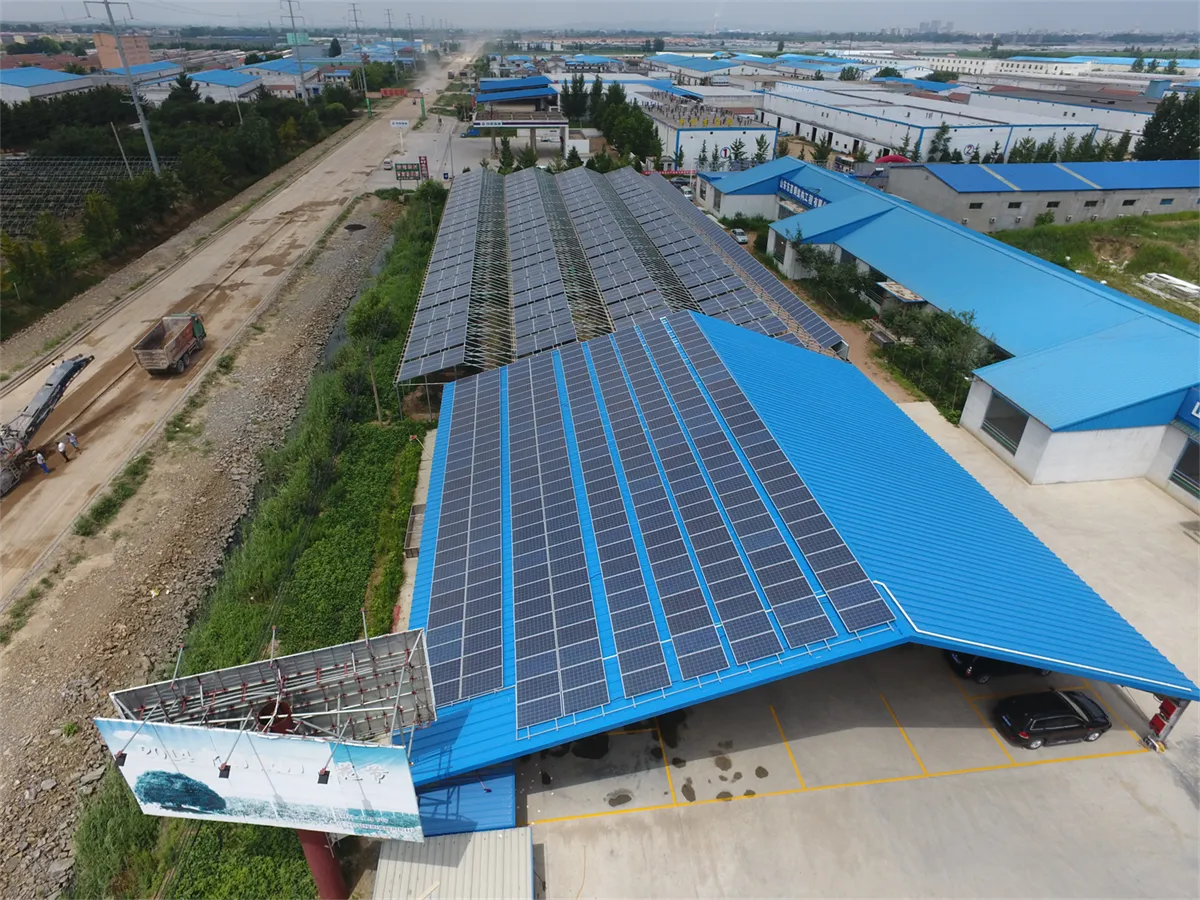
Why Partnering with the Right Solar Supplier Matters
Imagine launching a solar STEM project, only to have the panels arrive damaged, or find out you need extra parts that aren't available locally. Frustrating, right? That's where working with a reliable supplier makes all the difference. For schools, one-stop architectural solution providers like Coloria Group bring peace of mind—and more:
The Coloria Difference: More Than Just Solar Panels
As a global building material supplier with deep roots in the Middle East, Coloria understands the unique needs of schools and educational projects. Here's how they support STEM initiatives:
Everything You Need, in One Place
From solar panels and mounting brackets to wiring and energy monitors, Coloria offers one-stop shopping . No more coordinating with multiple vendors—just a single partner to handle your project from start to finish. "We needed solar panels, but also learned Coloria could provide the flooring for our outdoor lab and even the lighting for the presentation area," says a school administrator in Riyadh. "It simplified everything."
Quality You Can Trust
Schools don't have time for flimsy equipment. Coloria's solar panels are built to withstand harsh weather (think Saudi summers!) and rigorous student use. Plus, their team provides technical support—so if a wiring question pops up mid-project, help is just a call away.
Local Expertise, Global Reach
With a presence in Saudi Arabia and decades of experience as a Saudi Arabia building materials supplier , Coloria knows the local landscape. They understand permits, climate considerations, and even how to align projects with Saudi's 2030 Vision goals—like promoting sustainability and youth education. "Their team suggested we tie our solar project to the Vision's 'Green Saudi' initiative," shares a teacher in Dammam. "It gave our students a sense of purpose beyond the classroom."
Supporting Education, Not Just Sales
Coloria doesn't just sell materials—they invest in the next generation. Through workshops and training sessions, their experts share insights on renewable energy, helping teachers feel confident leading projects. "They even sent an engineer to our school to talk to the students about solar careers," says a STEM coordinator. "It was inspiring to see our students imagining themselves in those roles."
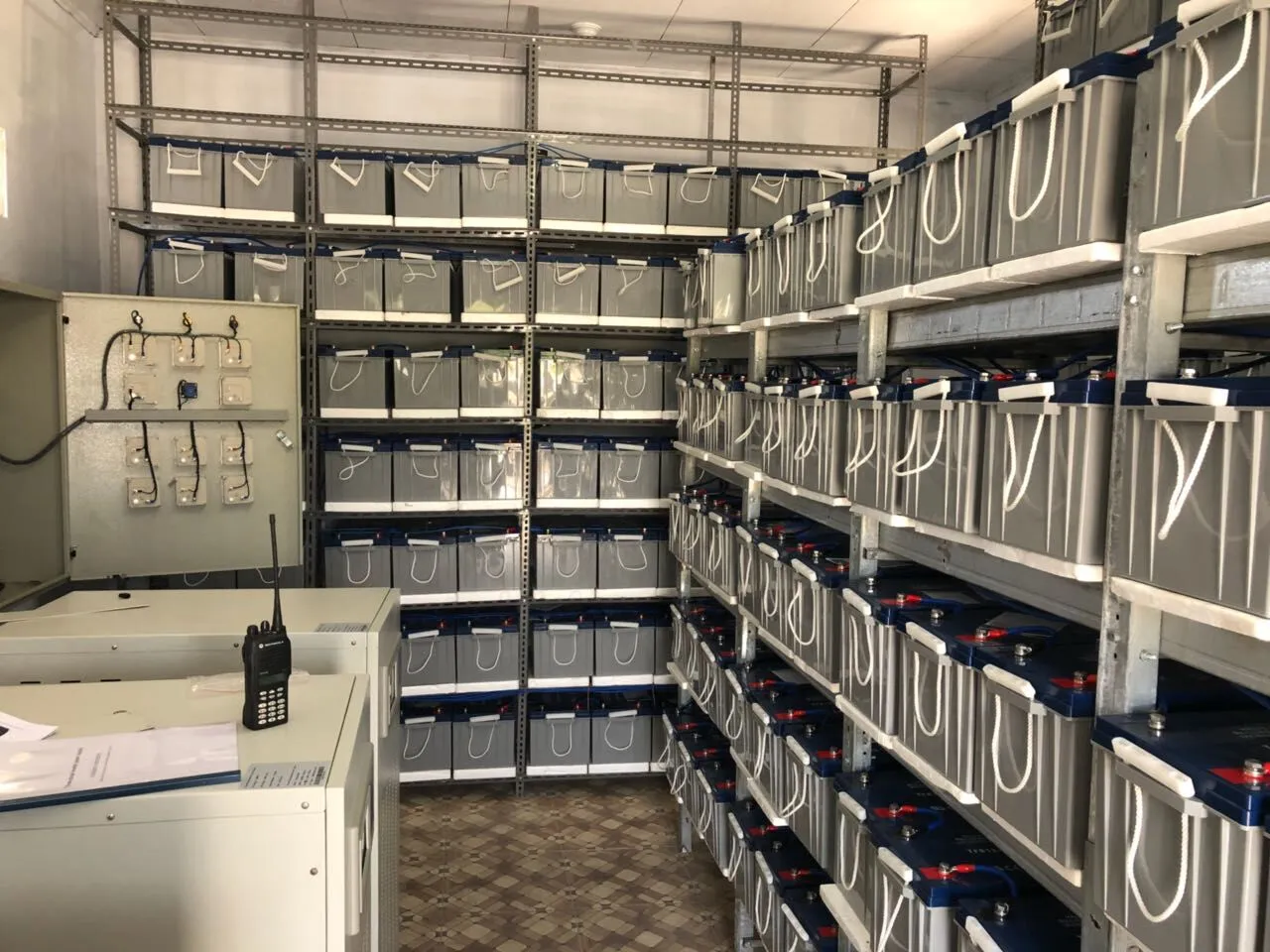
From Classroom Project to Community Impact: A Saudi School's Journey
In 2023, Al-Madinah International School set out to do something bold: install a 5kW solar array to power their science wing. What started as a STEM project quickly became a school-wide movement—thanks in part to Coloria's support.
"We began with a small grant and a dream," says the school's science department head. "Coloria helped us scale that dream. They provided the solar panels at a reduced cost, connected us with an engineer who mentored the students, and even donated extra materials for the outdoor learning space."
Over six months, students designed the system, presented their plan to the school board, and helped install the panels. Today, the array generates enough energy to power the science labs and reduce the school's electricity bill by 20%. But the real win? The students' growth.
"Before this project, I thought renewable energy was just something on the news," says Lina, a 12th grader who now plans to study environmental engineering. "Now I know I can build solutions myself. That's the power of this project—it doesn't just teach you facts; it teaches you that you matter."
Al-Madinah isn't alone. From Jeddah to Riyadh, more schools are embracing solar STEM projects, with Coloria supporting over 20 educational initiatives in Saudi Arabia in the past year alone.
The Future of Solar STEM: Bright as the Saudi Sun
As we look ahead, the potential for solar panels in STEM education is limitless. Imagine schools across the Middle East installing solar-powered greenhouses, collaborating on regional energy challenges, or even partnering with universities to develop innovative solar technologies. With suppliers like Coloria providing the tools and support, these ideas aren't just possible—they're within reach.
For educators, the message is clear: STEM isn't just about preparing students for jobs. It's about preparing them to lead. And what better way to lead than by building a future powered by clean energy, creativity, and collaboration?
So, to all the teachers, students, and schools ready to take the leap: Your solar STEM project starts today. And when you're ready to gather the materials, remember—you don't have to do it alone. Partners like Coloria are here to turn your vision into reality, one panel, one lesson, one inspired student at a time.
After all, the sun is shining. Let's put it to work—for our classrooms, our communities, and our planet.










