


Getting solar panels isn't just about saving money on energy bills - it's about taking control of your energy future. But walking into solar without knowing your options is like shopping for a car without knowing whether you need an SUV or a compact. You'll likely end up with something that doesn't fit your life.
After comparing countless homeowners' journeys and industry insights, I'm giving you the straight talk on solar buying. Forget the sales jargon - we're breaking down exactly where to buy panels, how to spot the best deals, and what traps to avoid. Consider this your personal cheat sheet for making smart solar decisions.
The solar market's changed - tax credits are friendlier than ever, but utility policies are shifting. While California's net metering updates made waves, solar still makes financial sense for most homeowners. The magic combination? Lower panel prices + the 30% federal tax credit + rising electricity costs = serious savings potential.
Understanding Your Solar Options
Finding solar panels isn't like hunting for rare collectibles - they're everywhere from big box stores to specialty dealers. But where you buy dramatically shapes your experience :
Option 1: Wholesale Resellers (The DIYer's Choice)
These online shops market "wholesale" panels directly to consumers. Reality check - you're still paying above true wholesale pricing, but it's generally cheaper than full-service installers. This route makes sense if:
- You're tackling a solar project yourself (maybe for an RV, boat, or backyard workshop)
- You have serious electrical know-how - we're not talking about changing a lightswitch here
- You've already found an installer willing to work with customer-supplied equipment (good luck with that!)
The trade-off? You're on your own for permitting, installation, and fixing things when they go wrong. Most professional installers won't touch systems they didn't supply.
Option 2: Amazon Solar Kits (Plug-and-Play Solutions)
One-click solar? Amazon offers all-in-one kits with panels, wiring, and inverters bundled together. Great for:
- Small off-grid setups for cabins or camping
- Experimenting with solar without major commitments
- Temporary power solutions during outages
Watch the details - some kits include batteries while others don't. Comparing WindyNation's 200W kit ($250 with panels only) against ECO-WORTHY's equivalent ($450 with battery included) shows why reading specs matters. These kits typically max out at a few hundred watts - not enough to power a home.
Option 3: National Installation Companies (Full-Service Premium)
The Titans like SunRun and Vivint Solar handle everything. You're paying for convenience and peace of mind:
- They manage permits, interconnection paperwork, and installation
- Financing options are baked in (including leases/PPAs)
- Big companies mean more standardization but less personalization
The "convenience premium" can be 10-20% over local installers. But for homeowners who want a single point of contact, it's worth considering.
Option 4: EnergySage Marketplace (The Goldilocks Zone)
This isn't where you buy panels directly - it's where you compare custom quotes from pre-vetted local installers. Think of it as Kayak for solar systems:
- You get multiple competitive bids tailored to your home
- All quotes use standardized assumptions for true comparisons
- Local installers often offer better pricing than nationals
The catch? Like the big companies, they only offer turnkey installations - no DIY support here. But for most homeowners, this is where you'll find the best value and service balance.
Finding Your Perfect Solar Match
Your best option depends on your goals and skills:
- DIY enthusiasts Wholesale resellers or Amazon kits
- Hands-off homeowners EnergySage or national installers
- Off-grid adventurers Amazon solar kits
- Financing seekers EnergySage or national companies
Consider this: going solar is like adopting a puppy - exciting but needing years of commitment. The cheapest upfront cost might mean more headaches later. As one homeowner told me after her DIY struggle: "The $3,000 I 'saved' cost me countless weekends and a marriage counseling session!"
Your Solar Buying Journey - Step by Step
1. Understand Your Energy Diet
Before shopping, audit your energy consumption. Pull 12 months of utility bills - they reveal your energy patterns. Most homeowners need a 6-8kW system, but your mileage may vary.
2. Boost Your Home's Efficiency First
Solar expert Joshua Pearce says it best: "It's tempting to jump straight to panels, but efficiency upgrades often give faster returns." Insulating your attic or upgrading windows might cut your energy needs before solar even enters the picture. This reduces the number of panels you'll need.
3. Explore Purchase Options
Use EnergySage to compare bids, check national installers for promotional deals, or browse wholesale sites if DIY is your style. Remember - you're not just buying panels, you're investing in a long-term energy solution.
4. Decipher Financing Options
The 30% federal tax credit is the star player - but know the rules. If you buy outright or finance with a loan, you qualify. Leases and PPAs won't get you the credit. Current loan rates hover around 5-9% - shop around.
5. The Installation Wait Game
Once signed, the waiting begins. Most installations take about three months from contract to activation. Use this time to: - Understand your new system - Prep your roof if needed - Plan your solar celebration party!
Key Questions Homeowners Forget to Ask
Q: What's the actual lifespan of these things?
Panels typically carry 25-year warranties, but many last 30+ years. Efficiency drops slightly each year (about 0.5% annually), so your 25-year-old panels will likely produce about 85% of their original output. Still way better than paying utility bills!
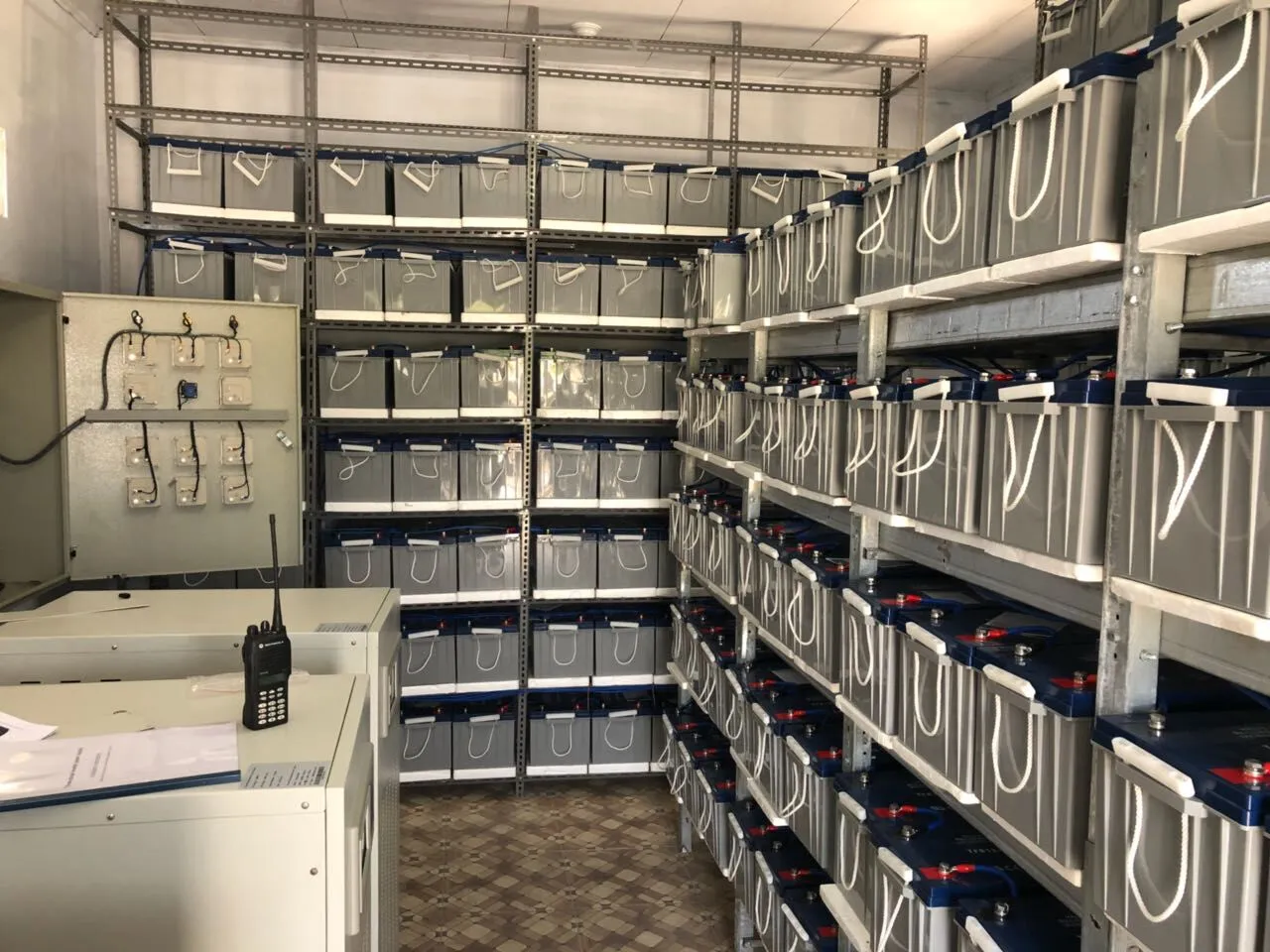
Q: Do I need that fancy solar battery?
Batteries add $12,000-$22,000 - almost another system cost. Consider one if: - You experience frequent outages - Net metering is weak where you live - You have critical medical equipment Otherwise, they're often an expensive luxury. New technologies like MCM cladding panels and other building-integrated solutions might offer alternative approaches to energy efficiency.
Q: How often do I need to wash my panels?
Rain usually keeps panels clean enough - only serious dust or bird problems require cleaning. When needed, just use water and a soft brush - no harsh chemicals needed.
Q: How important is roof condition?
Massively important. Installing solar on an aging roof means paying to remove and reinstall panels later. Most installers won't put panels on roofs with <10 years of life left. Get an honest assessment first.
Making Your Solar Decision
Buying solar panels shouldn't feel like rocket science. Here's the bottom line:
For most homeowners , EnergySage offers the best balance of choice and value. Getting multiple quotes gives you negotiating power and reveals the true market rate.
For DIYers , wholesale sites can work - but know what you're signing up for. That "simple" installation might have you watching YouTube tutorials at 2 AM.
Big companies bring convenience but often at a higher price. Only choose them if you value brand recognition over savings.
Whatever path you choose, solar represents one of the few home upgrades that actually pays for itself over time. When your neighbors complain about utility hikes, you'll just smile knowing your panels have it covered.
Now go out there and harness that sunshine - your wallet and the planet will thank you.










