
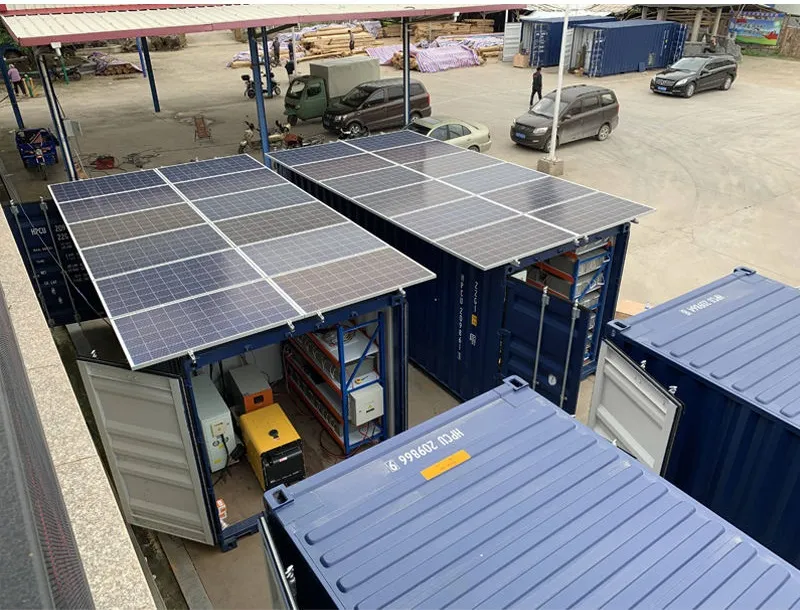
In the heart of modern cities, high-rise apartments stand as symbols of urban progress—but they've long faced a unique challenge: how to embrace sustainability without sacrificing functionality. As the world shifts toward greener living, solar energy has emerged as a cornerstone of this transition. Yet for high-rises, installing solar panels isn't as simple as placing them on a suburban rooftop. It requires innovation, expertise, and a partner who understands both the technical demands of tall buildings and the unique needs of residential communities. This is where one-stop architectural solution providers step in, turning the complexity of high-rise solar projects into streamlined, long-lasting investments.
High-rise apartments differ from single-family homes in ways that directly impact solar panel installation. Let's start with space: unlike a standalone house with a private roof, high-rises often have limited shared rooftop area, where hundreds of residents might vie for access to sunlight. Add to that the structural considerations—older buildings may not support the weight of traditional solar setups, while modern glass-clad towers leave little room for conventional panel placement. Then there's the logistics: installing panels on the 20th floor isn't the same as climbing a backyard ladder. Safety, permits, and coordination with building management all add layers of complexity.
But perhaps the biggest hurdle is longevity. A solar system in a high-rise isn't just a 10-year investment; it needs to last 25+ years, enduring harsh weather, regular maintenance, and even building renovations. For residents and property managers alike, the question isn't just "Can we install solar?" but "Can we install solar that's efficient, reliable, and worth the long-term cost?"
Did you know? According to the International Energy Agency, high-rise residential buildings account for over 60% of urban energy consumption. By integrating solar panels, these buildings could reduce their carbon footprint by up to 35%—a impact that ripples far beyond individual apartments.
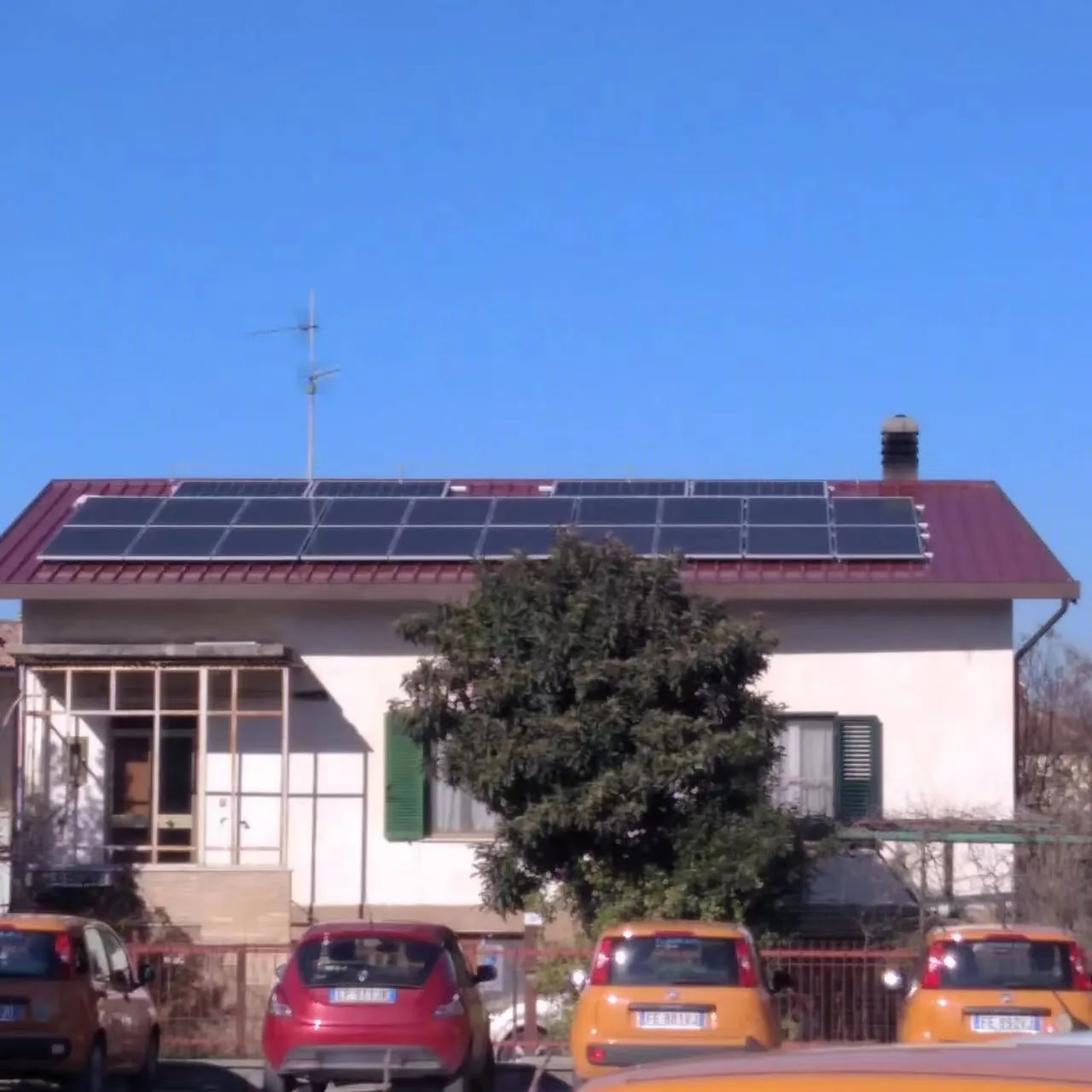
Efficiency in solar installation for high-rises isn't just about speed—it's about maximizing energy output while minimizing disruption, cost, and structural strain. Here's how industry leaders are tackling this challenge:
Gone are the days when solar panels only belonged on rooftops. Today's solutions include façade-integrated panels (blending with building exteriors), balcony railings with built-in solar cells, and even "solar windows" that generate power without blocking light. For example, a 40-story apartment building in Riyadh, Saudi Arabia, recently partnered with a residential building materials supplier to install lightweight solar panels on its south-facing balconies, generating enough energy to power common areas like elevators and lighting. This approach not only utilized unused space but also reduced reliance on the grid during peak hours.
The key here is customization. Every high-rise has unique sun exposure, structural limits, and aesthetic needs. A one-size-fits-all solar kit won't work. Instead, providers must conduct detailed site assessments, using 3D modeling to map sunlight patterns and simulate energy production. This ensures panels are placed where they'll capture the most sunlight—whether that's a sloped rooftop, a vertical façade, or even a shared community garden on the 15th floor.
Older high-rises often have weight restrictions that rule out traditional solar setups, which can weigh 3-4 pounds per square foot. Enter next-gen solar panels: made with thin-film technology or lightweight aluminum frames, these systems weigh as little as 1.5 pounds per square foot, reducing strain on roofs and balconies. For instance, sustainable products like bamboo-reinforced panels or flexible solar sheets (which can bend to fit curved surfaces) are game-changers for buildings with unique architectures.
Durability is equally critical. High-rises are exposed to stronger winds, temperature fluctuations, and even bird or debris impacts. Panels must withstand these conditions without cracking or losing efficiency. Leading suppliers address this by using tempered glass, corrosion-resistant frames, and weather-sealed junction boxes—features that extend lifespans from 20 to 25+ years.
Installing solar on a high-rise shouldn't mean weeks of construction chaos. Modular systems, where panels are pre-assembled offsite and then lifted into place, cut installation time by up to 40%. Imagine a team arriving with pre-wired panel "tiles" that snap together like a puzzle—no need for on-site soldering or lengthy wiring. This not only speeds up the process but also reduces safety risks, as workers spend less time dangling from ropes or scaffolding.
For property managers, this means minimal disruption to residents. A 20-story building in Dubai recently used this method, completing its solar installation in just 12 days—far less than the projected 3 weeks of traditional construction. Tenants barely noticed the work, and the building was generating clean energy ahead of schedule.
| Installation Approach | Time to Complete (20-Story Building) | Disruption to Residents | Long-Term Maintenance Needs |
|---|---|---|---|
| Traditional Rooftop (Heavy Panels) | 3-4 weeks | High (noise, blocked access) | Frequent (weight strain on roof) |
| Modular Façade Integration | 10-14 days | Low (offsite pre-assembly) | Minimal (lightweight, weather-sealed) |
| Balcony Rail System | 7-10 days | Very Low (installed per unit) | Moderate (access to individual balconies) |
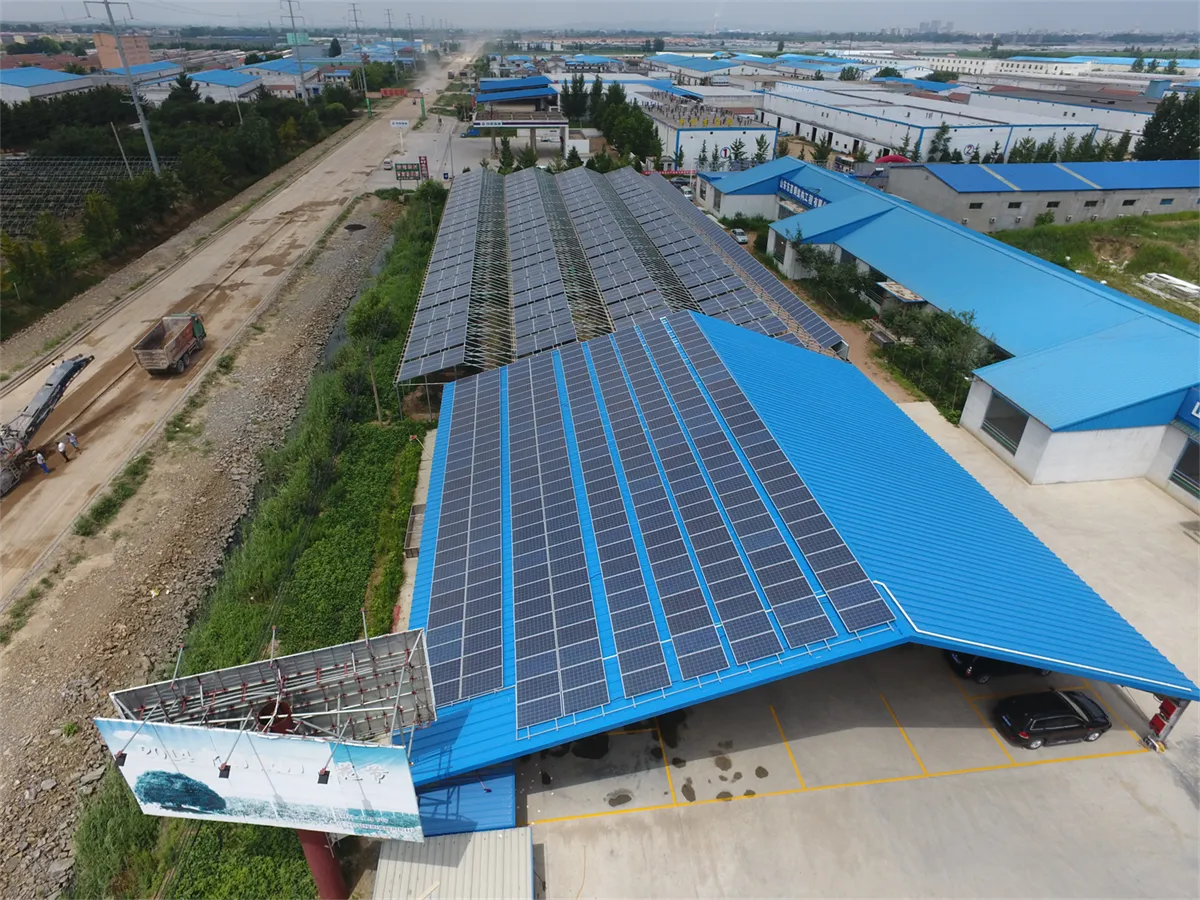
Efficiency gets solar panels on the building—but longevity keeps them there, delivering returns for decades. For high-rises, this means focusing on three pillars: durable materials, proactive maintenance, and future-proof technology.
The best solar panels for high-rises aren't just efficient—they're built to endure. Take, for example, solar panels designed for the Middle East: they must resist extreme heat (up to 50°C), sandstorms, and high humidity. Suppliers address this with features like anti-reflective glass (to reduce heat absorption), dust-resistant coatings, and aluminum frames treated to prevent corrosion. In coastal high-rises, panels may even include stainless steel components to fight saltwater damage.
But durability isn't just about the panels themselves. Wiring, inverters, and mounting systems matter too. High-quality inverters with built-in surge protection can prevent damage from power fluctuations, while flexible mounting brackets accommodate building movement (yes, skyscrapers sway slightly in the wind!). These details might seem small, but they add up to a system that outlasts the average high-rise renovation cycle.
In a high-rise, climbing to the roof to check panels isn't feasible every month. That's why modern solar systems include smart monitoring tools: sensors track energy output, temperature, and even panel tilt in real time, alerting managers to issues like a loose connection or a shaded panel. Some systems even use drones for visual inspections, capturing high-res images of panels to spot cracks or debris without human intervention.
For residents, this means peace of mind. Imagine receiving a monthly report showing your building's solar system generated 5,000 kWh—enough to power 10 apartments for a month—with zero disruptions. And when maintenance is needed, a one-stop architectural solution provider can coordinate everything from repairs to replacements, ensuring minimal downtime.
Solar technology evolves fast. A system installed today should be able to integrate with tomorrow's innovations—like battery storage, smart home energy management, or even electric vehicle charging stations. This is where modular design shines: panels can be upgraded individually, and inverters can be replaced with newer models without overhauling the entire system. For high-rises, this adaptability is key to avoiding obsolescence and ensuring the solar investment remains valuable for decades.
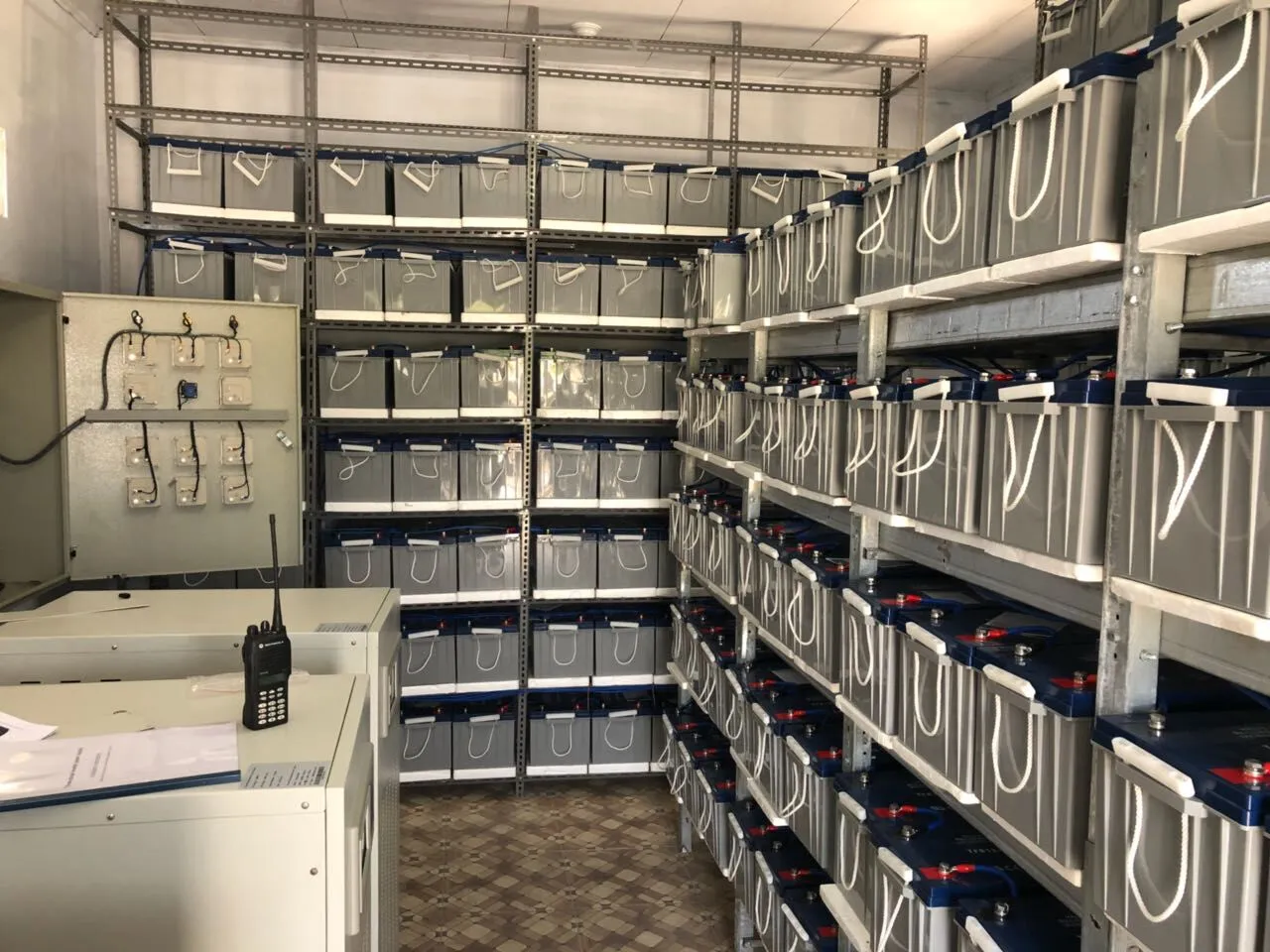
High-rise solar projects aren't DIY endeavors. They require a partner with a track record of navigating complex urban environments, understanding local regulations, and delivering solutions that balance efficiency, cost, and longevity. As a residential building materials supplier with decades of experience in markets like Saudi Arabia, we've learned that success hinges on three principles:
"Solar panels in high-rises aren't just about energy—they're about community. When residents see their building generating clean power, it fosters a sense of shared responsibility. It turns a collection of apartments into a neighborhood invested in a greener future."
As cities grow taller and greener, solar panels in high-rise apartments will no longer be optional—they'll be essential. The challenge isn't whether we can install them, but how we install them in ways that are efficient, durable, and tailored to the unique needs of urban living. With the right approach—customized design, modular installation, and a focus on longevity—high-rises can become beacons of sustainability, proving that even the busiest cities can live in harmony with the planet.
For property managers, developers, and residents ready to take this step, the path forward is clear: partner with a one-stop architectural solution provider that combines technical expertise, local knowledge, and a commitment to long-term success. Together, we can turn high-rises from energy consumers into energy producers—one panel, one building, one city at a time.
The future of urban sustainability is bright. And it's powered by the sun above our high-rise homes.
Recommend Products












