
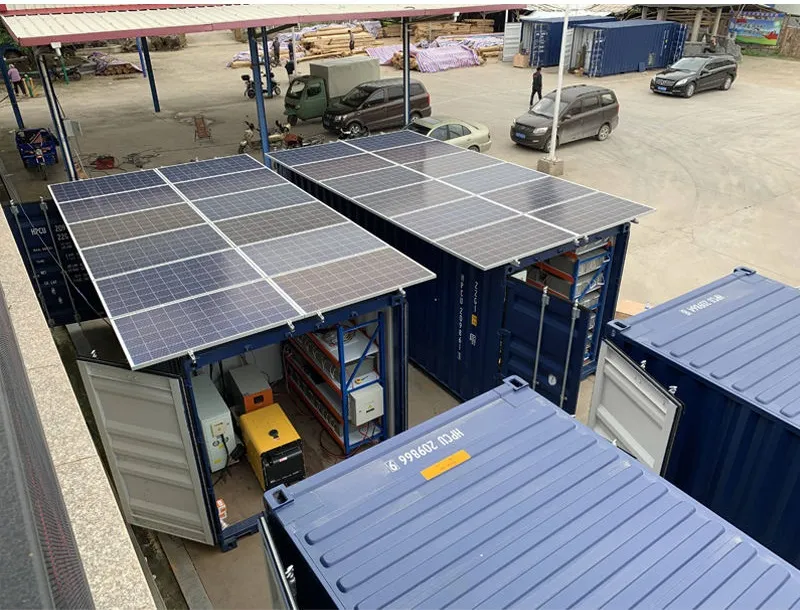
Your Complete Guide to Harnessing Solar Energy
Ever thought about how that warm sunshine hitting your roof could actually power your entire home? Well, it's not just wishful thinking anymore. Solar power has gone from a futuristic dream to a completely practical reality for millions of homeowners across the globe. Whether you're thinking about cutting those pesky electric bills, doing your part for Mother Earth, or just tired of relying on unpredictable energy companies, solar panels offer some seriously compelling benefits.
The whole idea might seem complicated at first glance - all those panels and wires and inverters. But here's the truth: the basics aren't rocket science. That's why I've put together this guide where we'll walk through everything from how solar panels actually work to designing a system that fits your specific home. We'll talk about what you'll gain by making the switch, and break down the installation process step-by-step.
Solar power isn't some niche technology anymore - it's truly mainstream. Prices have plunged in recent years while efficiency keeps climbing. And those fears about maintenance nightmares? Total myths. Modern solar systems are incredibly durable. Once you've got the panels up there, they basically take care of themselves while silently turning sunlight into dollar bills.
Creating an effective solar setup isn't just slapping some panels on the roof and calling it a day. There's actually an art and science to designing a system that truly works with your particular home and energy needs.
The first thing I always tell homeowners is: don't skip the site assessment . This crucial step determines whether solar will work for you. A good installer will look at your roof's material, angle, direction, and shading patterns. They'll check for trees, chimneys, or neighboring buildings that might cast shadows. Shading is the enemy of solar efficiency - just a small patch of shade can really drag down your system's output.
Did you know? In the Northern Hemisphere, south-facing roofs capture the most sunlight throughout the day. But east-west orientations can work surprisingly well too, especially if your energy usage peaks in the mornings or evenings.
Next comes the fun part: calculating your energy appetite . How much power does your household actually consume? You'll need to dig into your utility bills - look at your kilowatt-hour (kWh) usage over each month of the year. Summer and winter usage usually differ dramatically. This historical data gives a realistic picture of what size system you'll need.
Just like building a custom computer, designing a solar power system involves choosing different components that fit together:
Getting the sizing right is crucial - too small and you'll still be buying lots of grid power; too big and you might not get full financial benefits in areas with net metering caps. A good rule of thumb: size your system to cover 80-100% of your annual electricity usage.
Pro tip: Consider future needs too - if you're planning an EV or electric heat pump down the road, build that capacity in now to avoid expensive upgrades later.
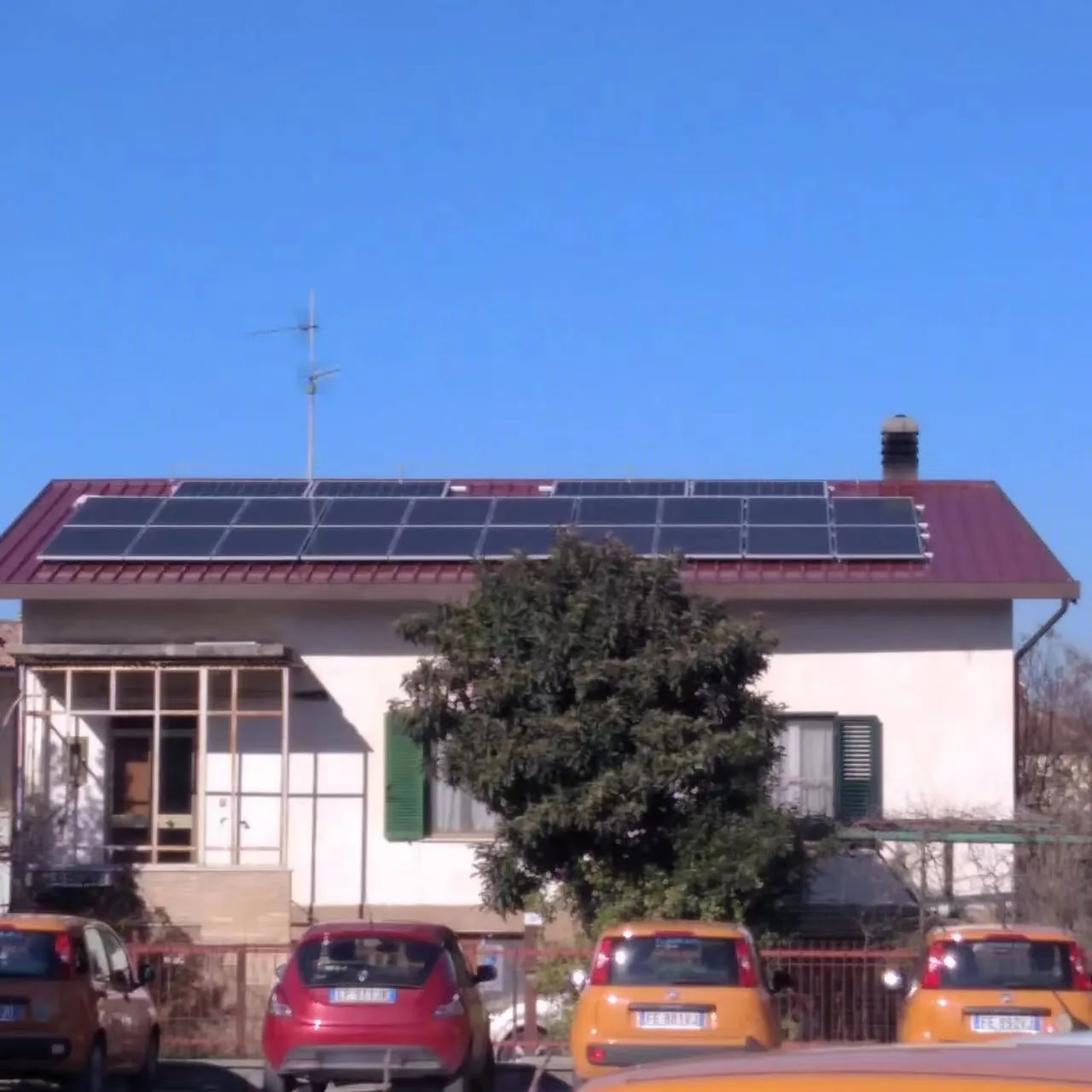
When I talk to homeowners considering solar, their eyes often glaze over at technical specs. What really lights them up is understanding the concrete benefits solar brings to their lives. And let me tell you, the list is impressive.
This is the big one for most people. Those electric bills? They're never going down over time. Most Americans see their electricity costs climb 2-5% annually. Solar essentially locks in your power rate for 25+ years. Even better - once you've paid off the system, your electricity is essentially free!
Multiple studies show solar panels increase home values. And we're not talking pocket change here - Zillow found homes with solar sell for about 4.1% more than comparable homes without solar. That could mean an extra $15,000 on a $300,000 home!
Remember those winter storms that knocked out power for days? With solar plus battery storage, you can keep the lights on when everyone else is sitting in the dark. No more spoiled food, no more freezing nights, no more scrambling for hotels.
This one feels good. The average residential solar system offsets 3-4 tons of carbon emissions annually - equivalent to planting 100 trees every single year. You're literally fighting climate change from your own property.
Utility rates constantly climb, but your solar cost is fixed once installed. As the years pass, your savings compound like a retirement account. Those savings could fund vacations, college funds, or a better retirement.
And don't forget the tax incentives! The federal solar tax credit remains robust, and many states offer additional rebates and incentives. That's cash back in your pocket just for going green. Combined with plummeting equipment costs, solar installations have never been more financially attractive.
Let's be honest though - solar is a significant upfront investment. But when you calculate the long-term savings and benefits, it's one of the smartest financial decisions a homeowner can make. If your neighbor tells you they can't afford solar, remind them: it's not an expense - it's an investment that actually pays you back month after month.
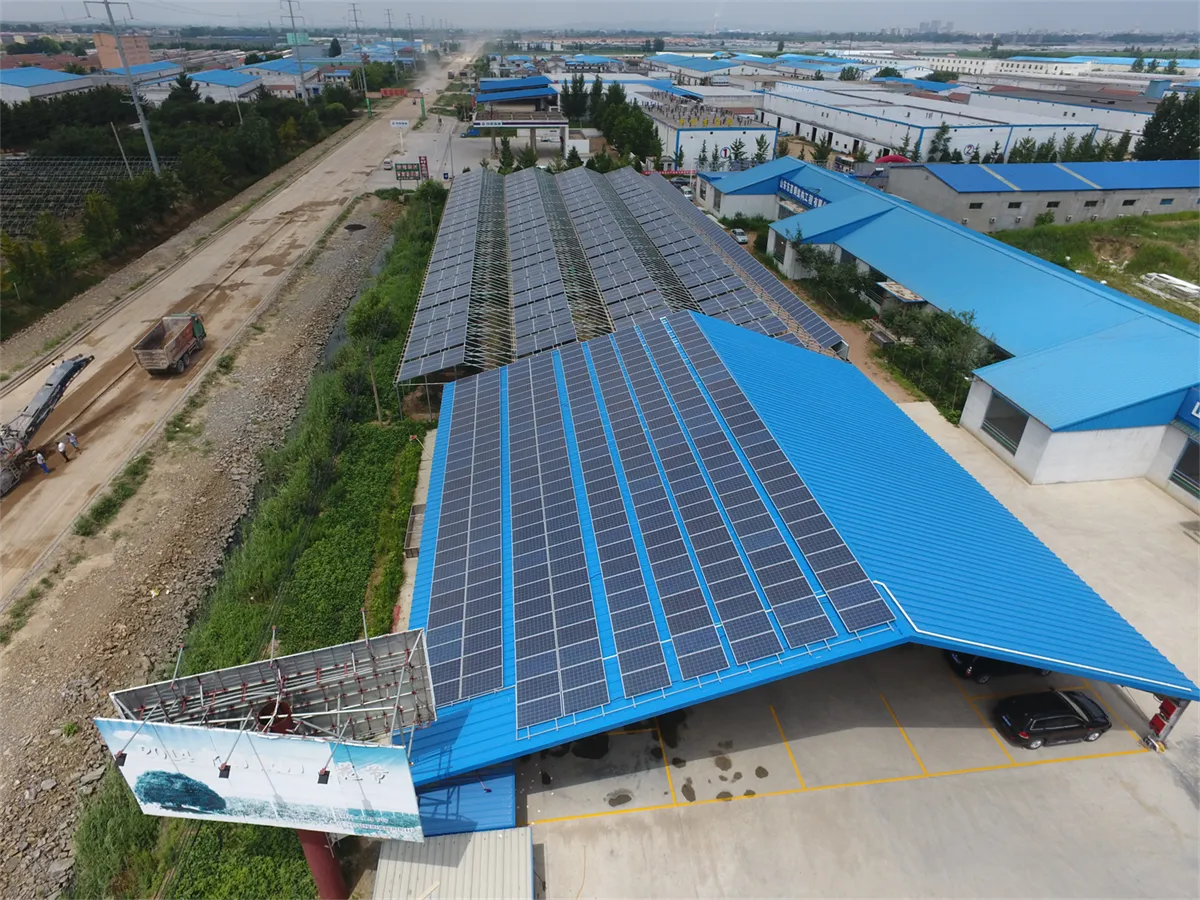
People often imagine solar installation as a chaotic scene straight from a home renovation nightmare. But in reality, most installations are remarkably smooth with minimal disruption. Here's what you can realistically expect:
Before a single panel goes up, there's important groundwork:
Finally - action! A professional crew (usually 3-5 people) arrives early morning. Here's how the day unfolds:
Most straightforward rooftop installations wrap up in 1-2 days. More complex systems might need 3-5 days. The crew cleans thoroughly afterward - you'd be surprised how little mess remains.
Important: Never attempt DIY installation unless you're a certified electrician with roofing experience. This isn't furniture assembly - mistakes can cause fires or roof leaks.
Before you can flip your solar switch, two critical milestones remain:
From signing your contract to flipping the switch typically takes 1-4 months depending on your location. Permitting and utility approvals cause most delays - the physical installation itself is quite quick.
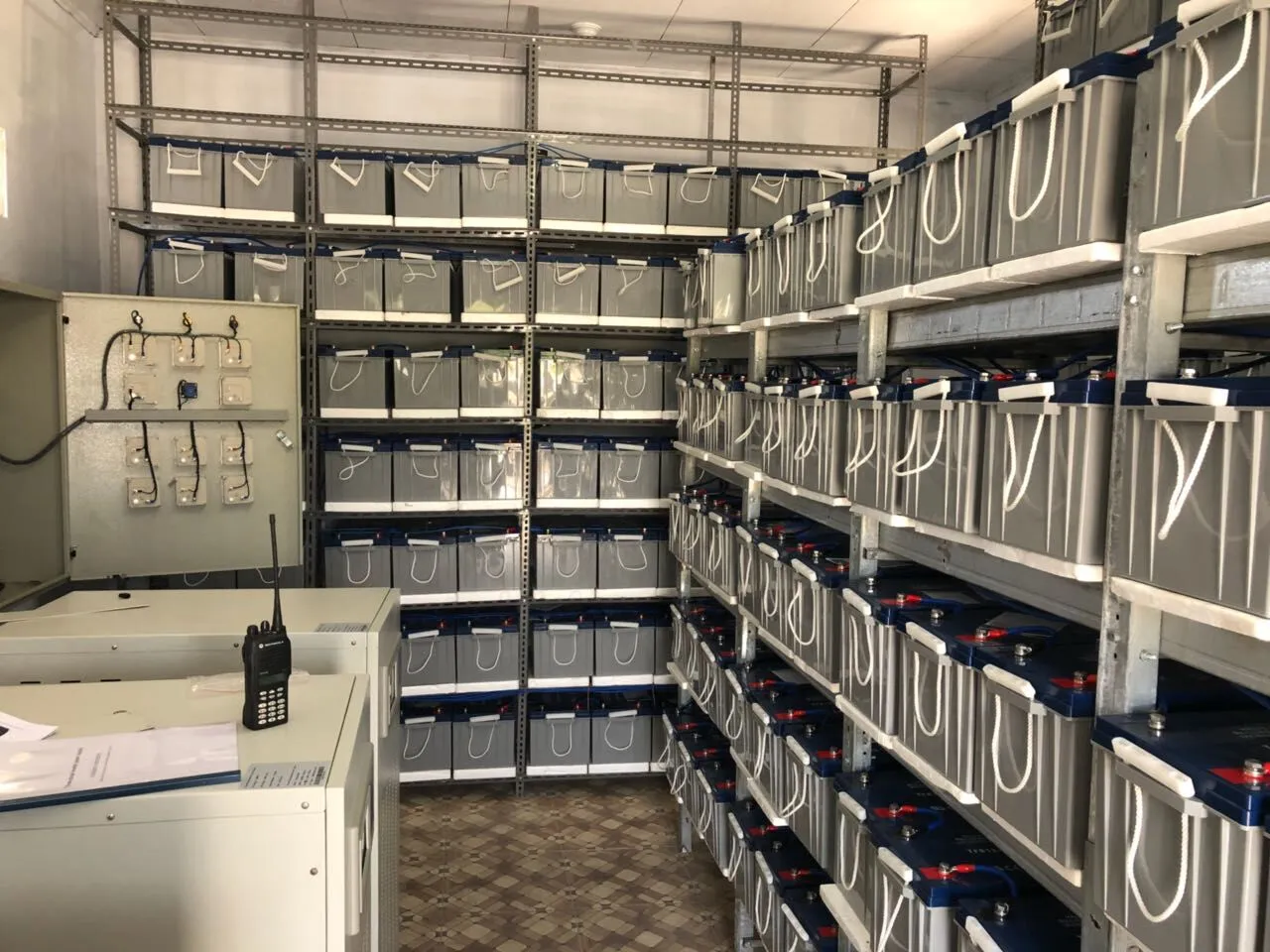
One of solar's best features? How little attention it needs once installed. Modern systems are incredibly low maintenance:
We're witnessing incredible solar innovation:
The evolution of solar panel solutions continues at breakneck speed. With countries worldwide pledging carbon neutrality, this technology will keep advancing. Remember when a 300W panel was impressive? Today's premium panels hit 450W+ in the same footprint.
Fascinating Fact: The global solar capacity added in 2024 alone exceeded the entire world's cumulative solar installations just ten years prior. This growth shows no signs of slowing!
We've covered a lot of ground here - from designing your perfect system to understanding the installation dance. But beyond the technical details, going solar represents something more meaningful: taking control of your energy future. That's powerful stuff.
Don't let analysis paralysis stop you. The best time to go solar was actually years ago - the second-best time is right now. With continued innovation and falling prices, solar has become accessible for most homeowners. Plus, those generous tax credits won't last forever.
Starting is easy - get quotes from 3-5 reputable local installers. Most offer free consultations. They'll analyze your energy bills, assess your property, and create a custom proposal showing your costs, savings, and return timeline.
The sun isn't sending you bills - it's sending free energy every single day. Isn't it time you started collecting what's yours?
Recommend Products












