
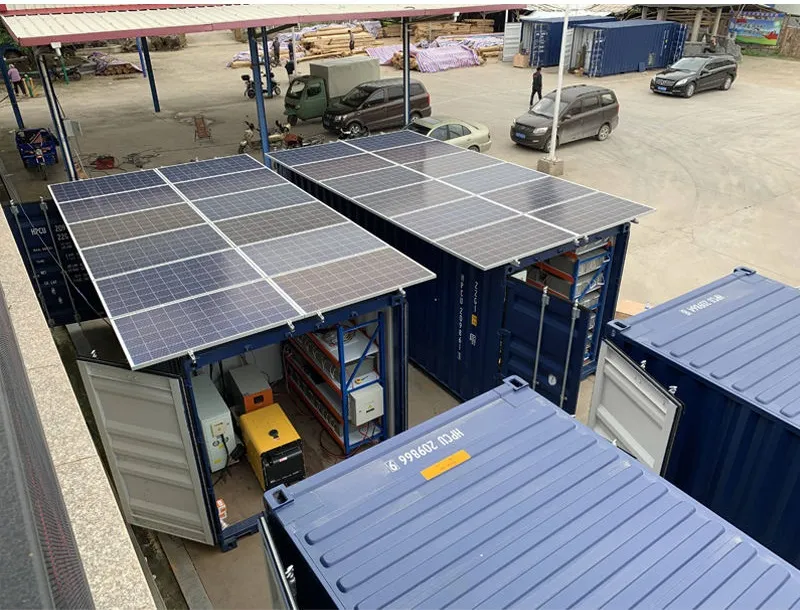
Hey there, solar enthusiast! If you're looking to power up your property with solar energy while keeping costs down, you've landed in the right place. Negotiating solar panel prices—especially for bulk purchases—is both an art and a science. It’s not just about haggling; it’s about understanding market dynamics, supplier psychology, and the hidden thresholds where discounts truly kick in.
Whether you're a homeowner planning a large installation or a business diving into commercial and industrial solar energy projects, this guide will walk you through every step. Forget dry, technical jargon—we’re keeping this real, practical, and packed with actionable insights you can use right away.
Let's start with why bulk purchases matter so much in the solar world. When you buy a single panel, you're at the mercy of retail pricing. But when you scale up, you unlock doors suppliers rarely show to small buyers. It's simple economics: suppliers would rather move large volumes at lower margins than lose big orders to competitors.
Real-World Example: A mid-sized manufacturing plant recently slashed their solar project costs by 22% simply by negotiating their 500-panel purchase as a single bulk order rather than phased installations. Their secret? They hit the supplier’s discount threshold at 300 panels.
Solar suppliers have tiered pricing models like airlines have ticket classes. They won’t advertise it, but every manufacturer has hidden thresholds where prices drop significantly. Typically, these tiers look like:
Knowing these unspoken tiers is your first negotiation superpower. It’s not about demanding discounts—it’s about positioning yourself in their most desirable customer bracket.
Pro Tip: Always ask "At what quantity does your next pricing tier start?" Suppliers often reveal this if you frame it as planning for future expansion.
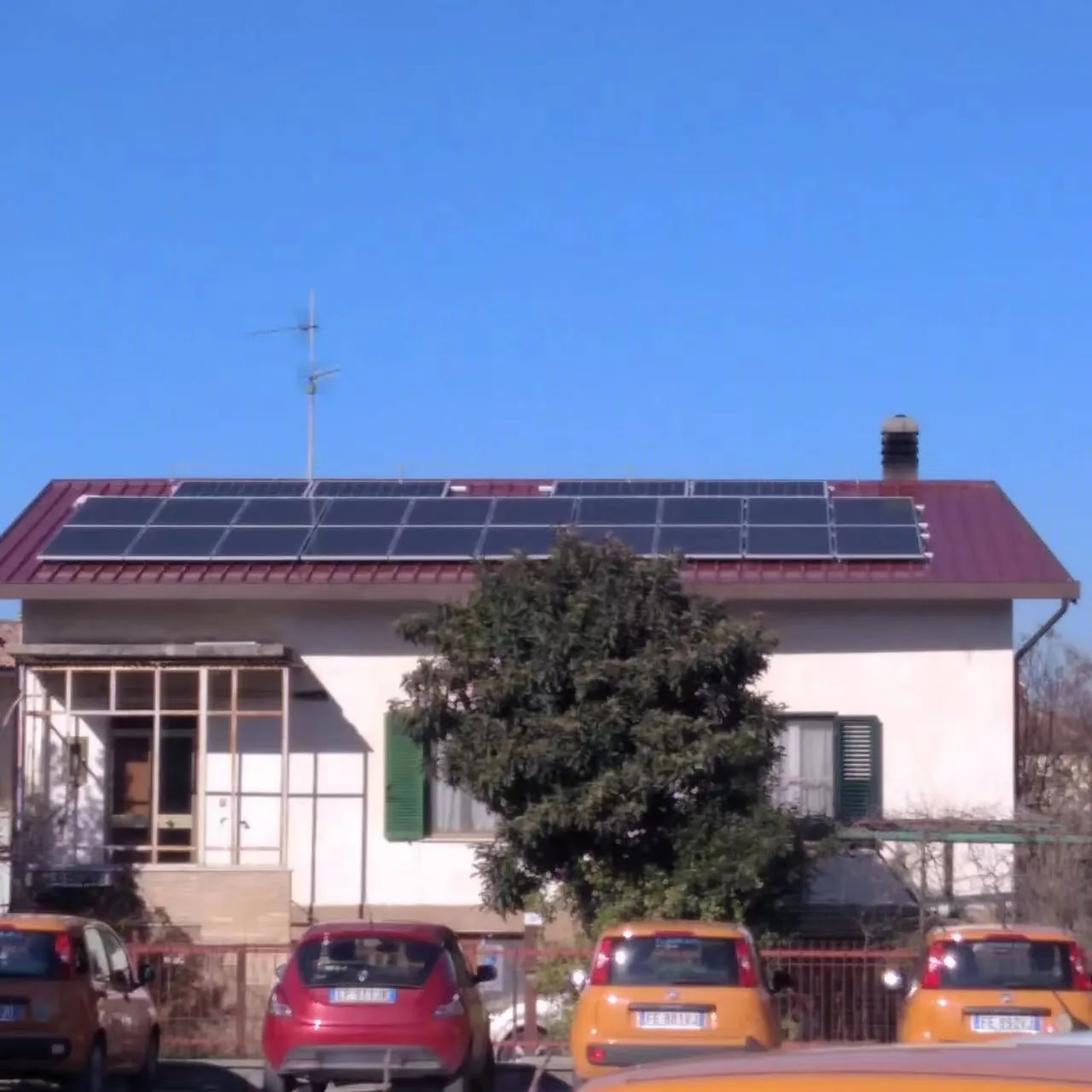
Negotiating solar panels isn't like bargaining at a flea market. It's a nuanced dance where preparation meets timing. Here's how the pros do it:
Walking into negotiations without data is like sailing without a compass. Before contacting suppliers:
Never fall in love with one supplier. Create competition:
Script to Use: "We're finalizing our 400-panel order this week. Your quote came in at $0.42/watt. Company B offered $0.38 at this volume—can you match or improve that?"
This works because it’s specific, urgent, and shows you’re serious. I’ve seen this simple tactic unlock an extra 8% discount consistently.
Panels rarely operate alone. Bundling related products strengthens your position:
| Bundle Strategy | Discount Potential |
|---|---|
| Panels + inverters | Additional 5-7% |
| Panels + mounting hardware | Additional 3-5% |
| Panels + extended warranty | Additional 4-6% |
Remember: Suppliers make higher margins on accessories than panels. Offering to bundle makes your panel discount cheaper for them.
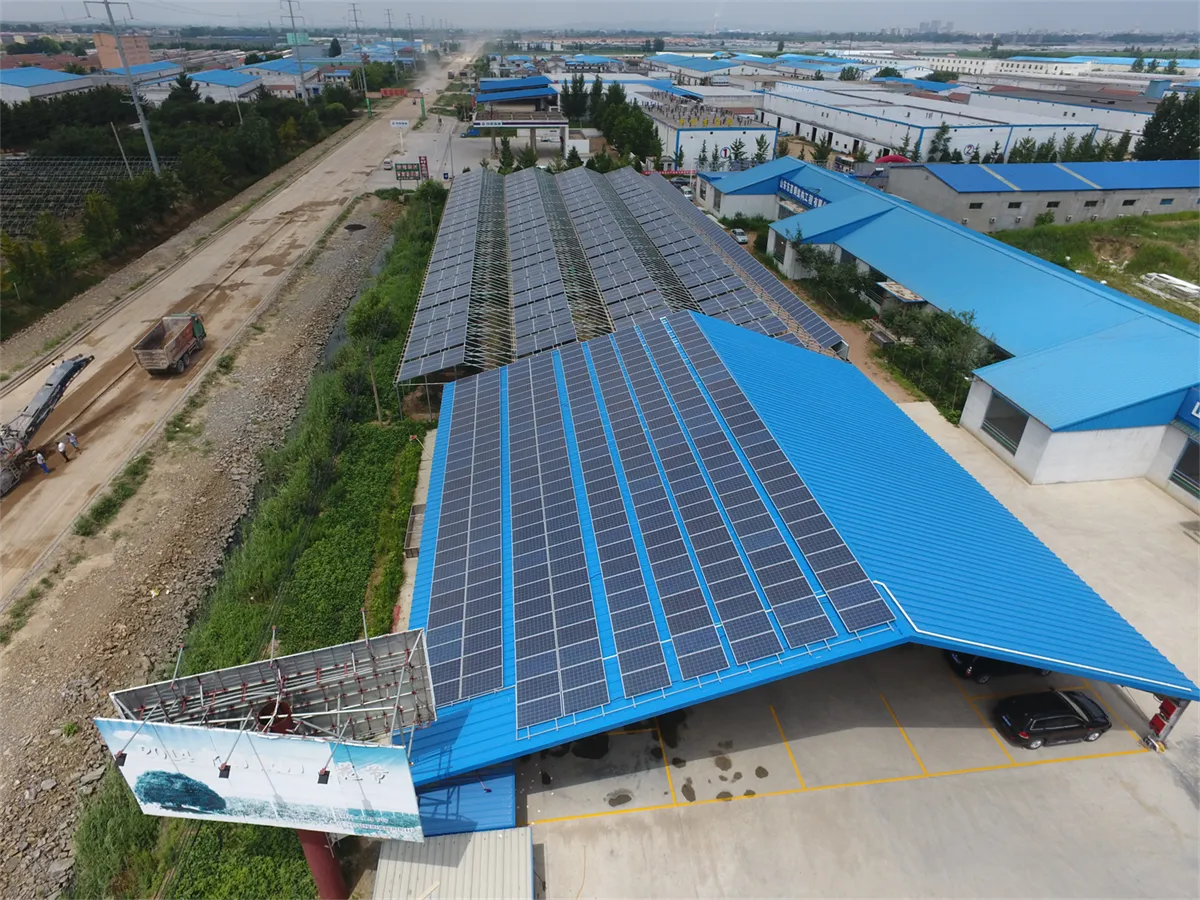
Sometimes the best deals aren’t price cuts but value adds. If a supplier resists lowering prices, negotiate:
A school district I advised saved $28,000 not through direct discounts but by getting free shipping and waived installation fees—smart savings that didn’t touch panel pricing.
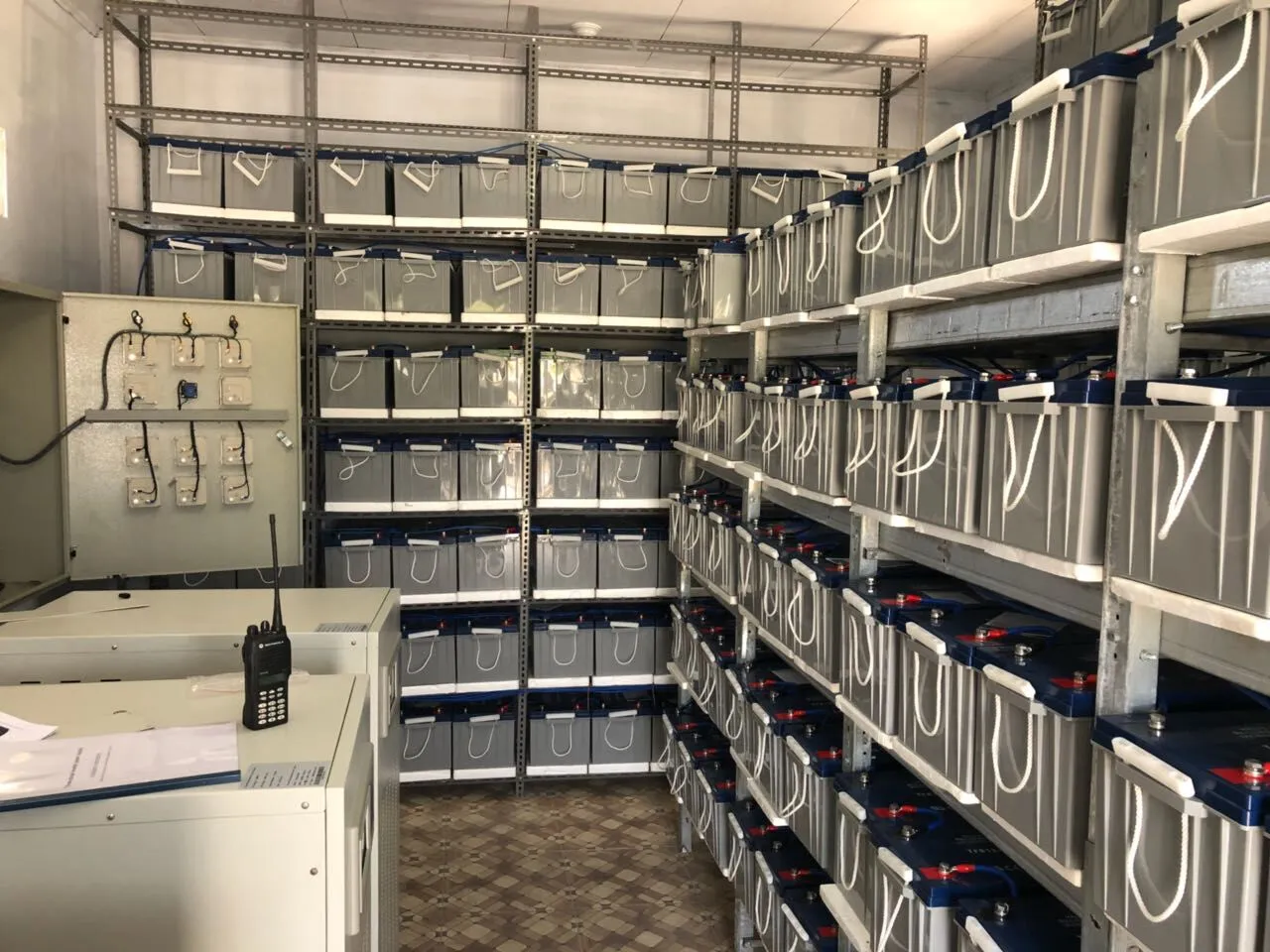
More panels mean more complexity. Watch out for these traps:
300 panels occupy over 1,500 sq ft of space! Negotiate:
Bulk orders risk getting panels from different production batches. Demand:
Critical: Always get a "first article" sample panel before full production begins. It’s your quality benchmark.
Solar pricing fluctuates seasonally like crops. Maximize timing:
| Period | Discount Potential | Why |
|---|---|---|
| Q4 (Oct-Dec) | 15-25% | Suppliers clear inventory before fiscal year-end |
| Q1 (Jan-Mar) | 5-10% | New shipment arrivals create surplus |
| During Trade Shows | 10-15% | Sales teams empowered to close deals on-site |
A savvy hospital group saved 19% by timing their 1,200-panel order during SPI Week (Solar Power International conference). The supplier’s VP approved custom pricing to "win the show."
Drawing from power purchase agreement wisdom, protect your bulk deal:
As one procurement manager told me: "The discount means nothing if panels arrive late or underperform."
Imagine negotiating with SunPower (hypothetical scenario):
Day 1 Email: "Preparing 400-panel order for June installation. Seeking formal quote meeting your 300+ tier pricing. Attached: site specs and electrical diagrams."
After Quote: "Thank you. Competitive bid received at $0.36/watt for equivalent Tier 1 panels. Can you revise to $0.34 with 90-day price hold for expansion?"
At Impasse: "If we bundle Optimizers, can we achieve target pricing? Alternatively, open to Q4 delivery if that enables better terms."
This approach balances respect with firmness and creative problem-solving.
The biggest bulk discounts come from being a preferred buyer, not just a negotiator. Cultivate relationships:
One commercial developer now gets "first look" at warehouse clearance panels because they’ve become a valued partner—not just a transaction.
You don’t need 500 panels to negotiate effectively. Apply these principles at any scale:
The solar industry thrives on volume—your leverage is built-in. With these strategies, you’re not just buying panels; you’re investing in long-term energy independence while maximizing every dollar.
Here’s to sunny savings ahead!
Recommend Products












