


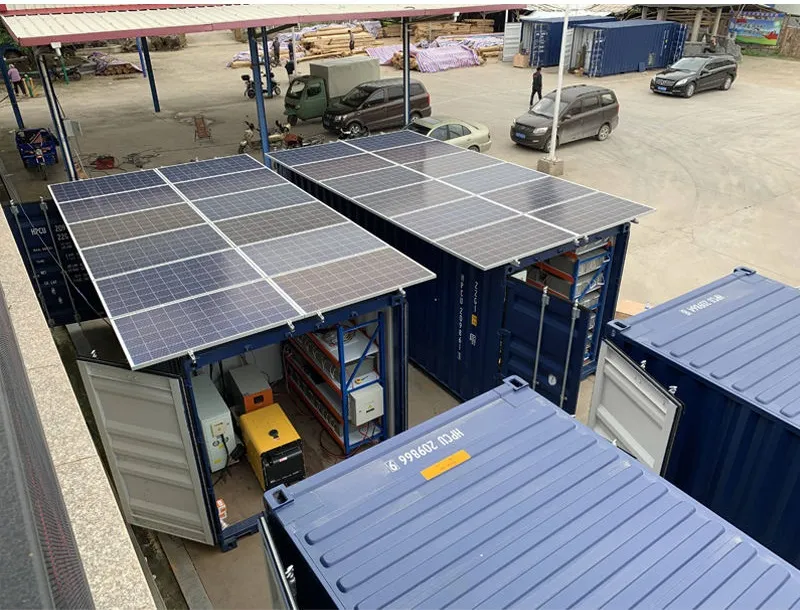
Your practical guide to understanding solar energy in real-world weather conditions
Let's be real – when you invested in solar panels, you probably pictured bright sunny days powering your home. But what about those gray, drizzly mornings or surprise snowstorms? Does your energy production plummet when the weather turns? How do clouds, rain, or snow actually impact those panels on your roof?
The truth is more hopeful than you might think. Solar panels are tougher and more adaptable than they appear. While weather absolutely affects their output, it's rarely the disaster scenario many fear. In this guide, we'll explore exactly how different weather conditions influence performance, backed by science and real-world data. You'll learn:
- Why clouds don't shut down your system completely
- How rain secretly helps your panels over time
- The surprising upside of cold weather (even with snow!)
- Practical strategies to maximize year-round energy
- How to know if your panels can handle your local climate
Key Insight: Your solar investment includes weather considerations. Well-designed systems account for seasonal changes, meaning those cloudy winter days are balanced by summer surpluses – especially with smart grid connections.
Solar Energy Production Fundamentals
Before we dive into weather impacts, let's quickly cover how panels convert sunlight into electricity. Understanding this helps explain why weather matters.
Each solar panel contains dozens of photovoltaic cells made of semiconductor materials (typically silicon). When sunlight particles (photons) hit these cells, they knock electrons loose, creating direct current (DC) electricity. An inverter then converts this to alternating current (AC) that powers your home.
- Sunlight Intensity: Brighter light = more electron activity. Overcast skies reduce intensity.
- Duration of Exposure: Longer daylight hours = more energy. Winter's short days naturally mean less production.
- Panel Temperature: Surprisingly, solar panels perform better in cooler temperatures! Their ideal operating range is 59-95°F (15-35°C).
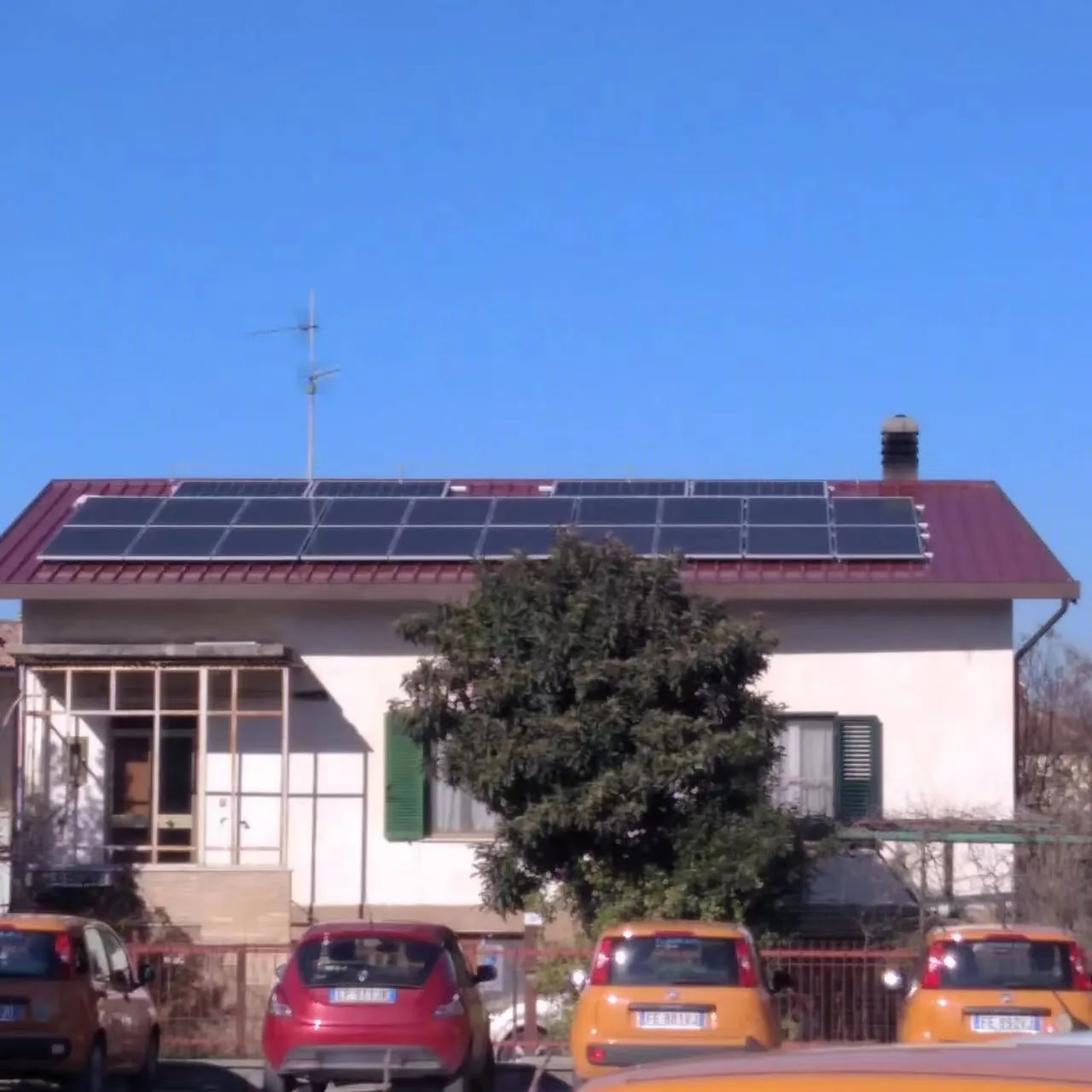
Breaking Down Weather Impacts
Cloudy Days: Not a Total Blackout
Think of clouds like nature's dimmer switch. They scatter and absorb sunlight, reducing intensity but rarely eliminating it completely. Here's what actually happens:
- Typical Output: 10-25% of maximum capacity
- Silver Lining Effect: When sunlight filters through cloud edges, it can create brief surges of higher than normal intensity
- Cloud Type Matters: Thin cirrus clouds block less light than thick cumulonimbus storm clouds
- Surprise Benefit: Cooler panel temperatures during cloudy days boost efficiency slightly
Pro Tip: Don't assume zero production on cloudy days. Track your system's output – you'll likely see more power generation than expected thanks to diffuse sunlight still reaching panels.
Rainy Days: Nature's Cleaning Service
Rain brings its own mix of effects. While heavy downpours definitely reduce output, they offer important long-term benefits:
- Immediate Impact: Rain reduces sunlight, lowering output similarly to clouds (10-30%)
- Natural Cleaning: Rainwater washes away dust, pollen, and bird droppings that accumulate on panels
- Cooling Effect: Temperature drops boost panel efficiency
- Post-Rain Boost: Clean panels + cleared air often means higher output following rainy periods
Important: Proper installation angle ensures water runoff, preventing mineral deposits. Flat installations need more frequent manual cleaning. When dealing with ecological building wall panels nearby, ensure their maintenance doesn't obstruct panel access.
Snow Days: More Complexity, Still Hopeful
Snow presents the most dramatic challenges but comes with surprising upsides:
- Light Snowfall: Minimal impact; flakes rarely accumulate on angled panels
- Heavy Accumulation: Deep snow blocks sunlight entirely, requiring clearance
- Cold Weather Bonus: Below 77°F (25°C), panels become more efficient per sunlight unit
- Reflection Boost: Snow on the ground acts like a mirror, reflecting extra light onto panels
Safety First: Never climb onto snow-covered roofs to clear panels! Use specialized tools or hire professionals. Most systems are designed for snow loads up to 50 lbs/sq ft.
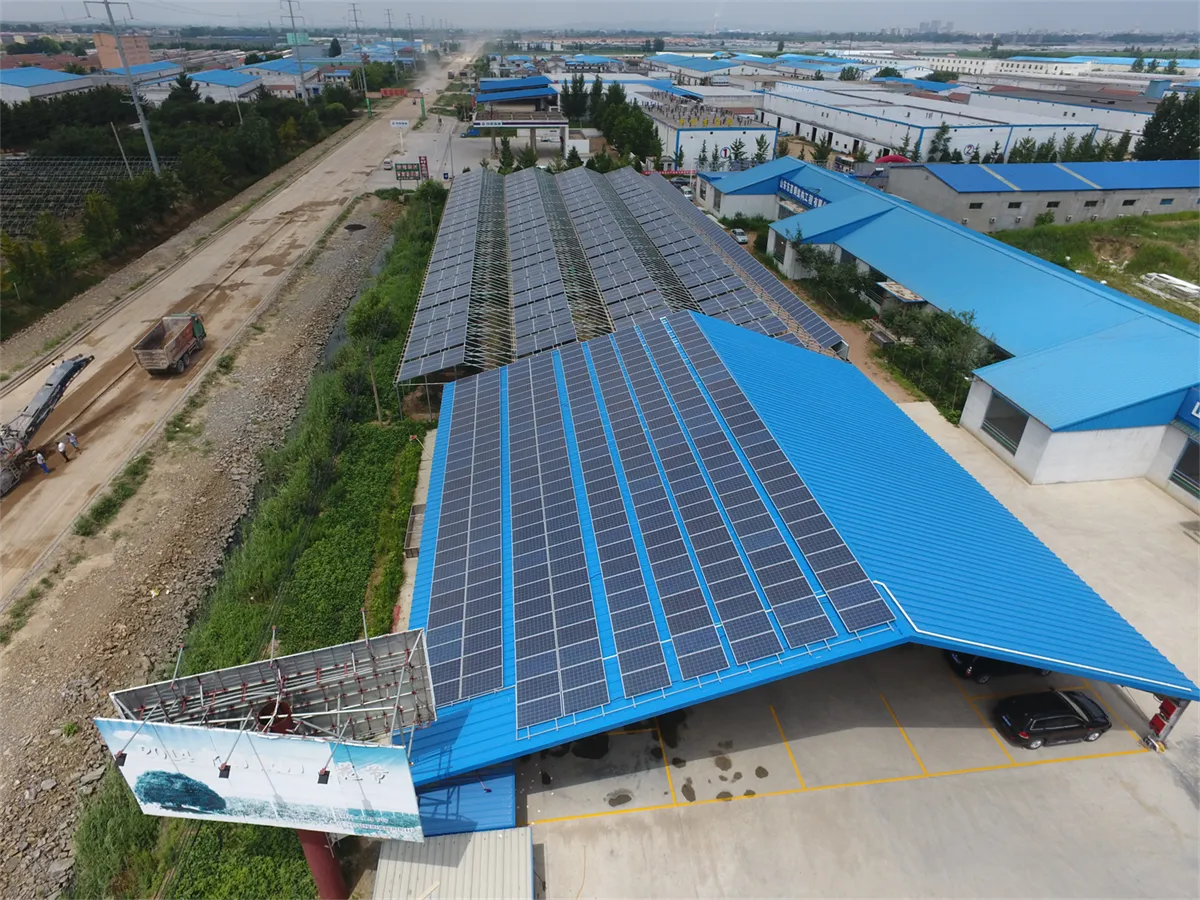
Advanced Factors: Seasonality & Regional Differences
Beyond specific weather events, broader patterns significantly impact annual energy production:
Seasons bring predictable changes beyond weather:
- Summer: Long daylight hours compensate for heat-related efficiency loss
- Winter: Short days limit production regardless of weather, despite colder panel benefits
- Spring/Fall: Often the "sweet spot" with moderate temperatures and good sunlight
Geography dramatically changes the equation:
- Desert Climates: Maximum sunlight hours but high heat reduces panel efficiency
- Coastal Areas: Frequent clouds but cooler temperatures provide balance
- Northern Latitudes: Significantly shorter winter days, with snow adding complexity
- Tropical Regions: Intense sun but heavy seasonal rain and potential storm risks
Maximizing Performance: Practical Solutions
Don't leave performance to chance! Implement these proven strategies:
#1 Smart System Design
Professional installers calculate weather patterns into your setup:
- Optimal Panel Tilt: Angle matches your latitude + snow shedding needs
- Low-Light Optimized Panels: Brands like Canadian Solar excel in cloudy climates
- Microinverters: Minimize partial shading impacts
- Spacing: Prevents snow/ice buildup between panels
#2 Maintenance Protocols
Schedule seasonal upkeep:
- Spring: Clean pollen residue after rainy season
- Fall: Clear leaves and inspect before winter
- Post-Storm: Check for debris or damage
- Snow Removal: Use roof rake with foam edge (no scraping!)
#3 Energy Management
Compensate for weather fluctuations:
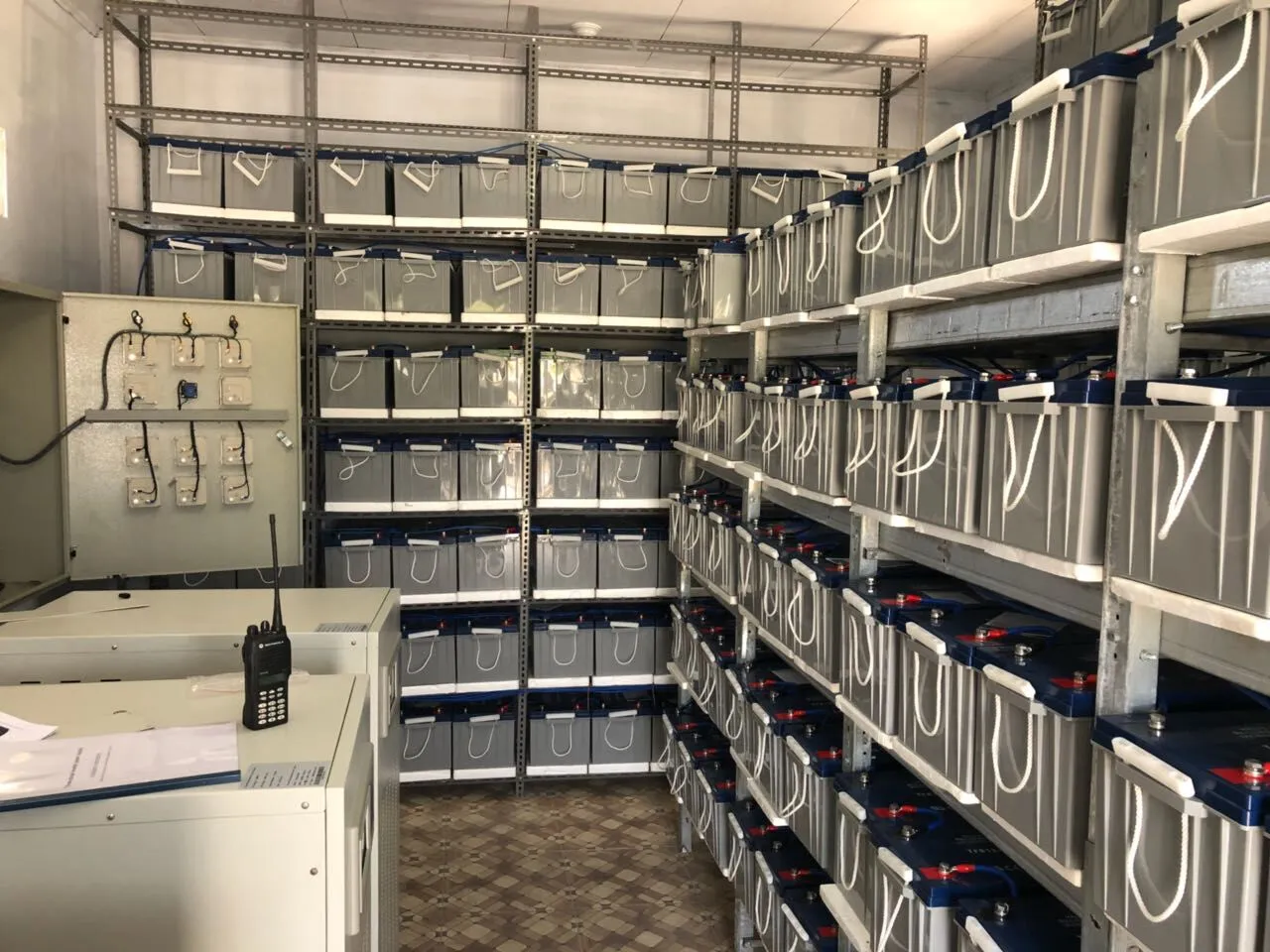
- Battery Storage: Save sunny-day excess for cloudy periods
- Net Metering: Export summer surplus to offset winter shortages
- Load Shifting: Run energy-intensive appliances during peak production
#4 Resilience Features
Choose equipment rated for your climate:
- Hail Resistance: UL 61730 certification guarantees survival in 1-inch hail at 50+ mph
- Snow Load: Rated for loads exceeding your heaviest historical snowfall
- Wind Tolerance: Withstands gusts up to 140 mph in hurricane zones
The Long-Term Weather Outlook
Looking beyond daily weather, climate patterns influence long-term ROI:
As global temperatures rise, solar efficiency faces mixed impacts:
- Positive: Warmer winters may reduce snow accumulation in some regions
- Negative: Increased heat waves lower peak summer output
- Balanced: Most climate models predict minimal net effect on annual production
Design systems resilient to increasing extreme weather:
- Wildfire Areas: Fire-resistant racking systems
- Hurricane Zones: Aerodynamic mounting and reinforced anchoring
- Flood-Prone Regions: Elevated installations and waterproof connectors
Myths vs. Reality: Debunking Common Concerns
Myth:
"Solar doesn't work in cold/snowy climates"
Reality:
Germany, a solar leader, has comparable sunlight to Alaska. Properly designed systems thrive even with significant snow days.
Myth:
"Rain washes away electricity"
Reality:
Rain cleans panels but doesn't damage equipment. Modern systems are completely weatherproof.
Myth:
"You need constant sunshine for solar to pay off"
Reality:
Seattle homeowners achieve 6-8 year paybacks despite frequent clouds. Energy production depends on
annual
sunlight totals.
Your Weather-Adaptive Action Plan
- Calculate Historical Patterns: Use NASA's POWER database to see cloud/snow days in your location
- Get Location-Specific Design: Have installers calculate the optimal system size for your weather
- Monitor Production: Track seasonal variations through your inverter app
- Time Your Consumption: Shift heavy usage to high-production periods
- Know Your Maintenance Schedule: Create seasonal checklists based on local conditions
Solar power remains a smart investment regardless of climate, when properly designed. By understanding how weather impacts performance and implementing these solutions, you'll maximize your energy independence year-round.










