


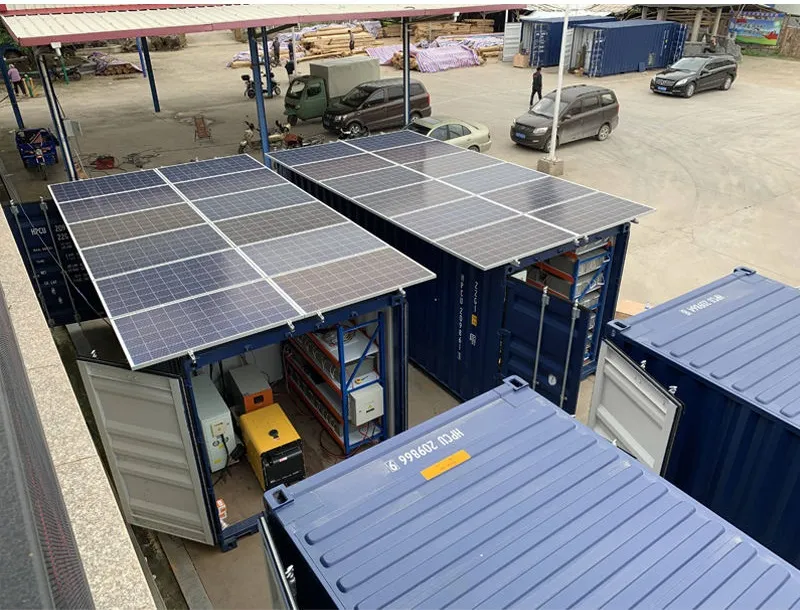
You know what’s wild? Your solar panels face all kinds of abuse—rain, dust, wind, and sometimes even freak flooding. But you’re trusting them to silently work away without a hiccup on your roof. That’s where IP ratings come into play. Today, we’re unraveling IP68, the superhero of exterior wall siding protection, so you can decide if it’s truly worth your investment.
IP Ratings Explained: How the Secret Codes Work
Think of IP ratings like a gadget’s armor against dust and water attacks. There’s a two-digit code for a reason:
| Protection Level | Dust Resistance | Water Resistance |
|---|---|---|
| IP65 | 100% dustproof | Handles rain, low-pressure sprays |
| IP67 | 100% dustproof | Submersible to 1 meter for 30 min |
| IP68 | 100% dustproof | Continuous submersion beyond 1 meter |
IP68 isn’t just about surviving a storm—it’s built for worst-case scenarios like coastal homes or floating solar farms where saltwater literally laps at your panels. For everyday roofs? IP65-67 already rocks .
The Truth Behind IP68 Testing
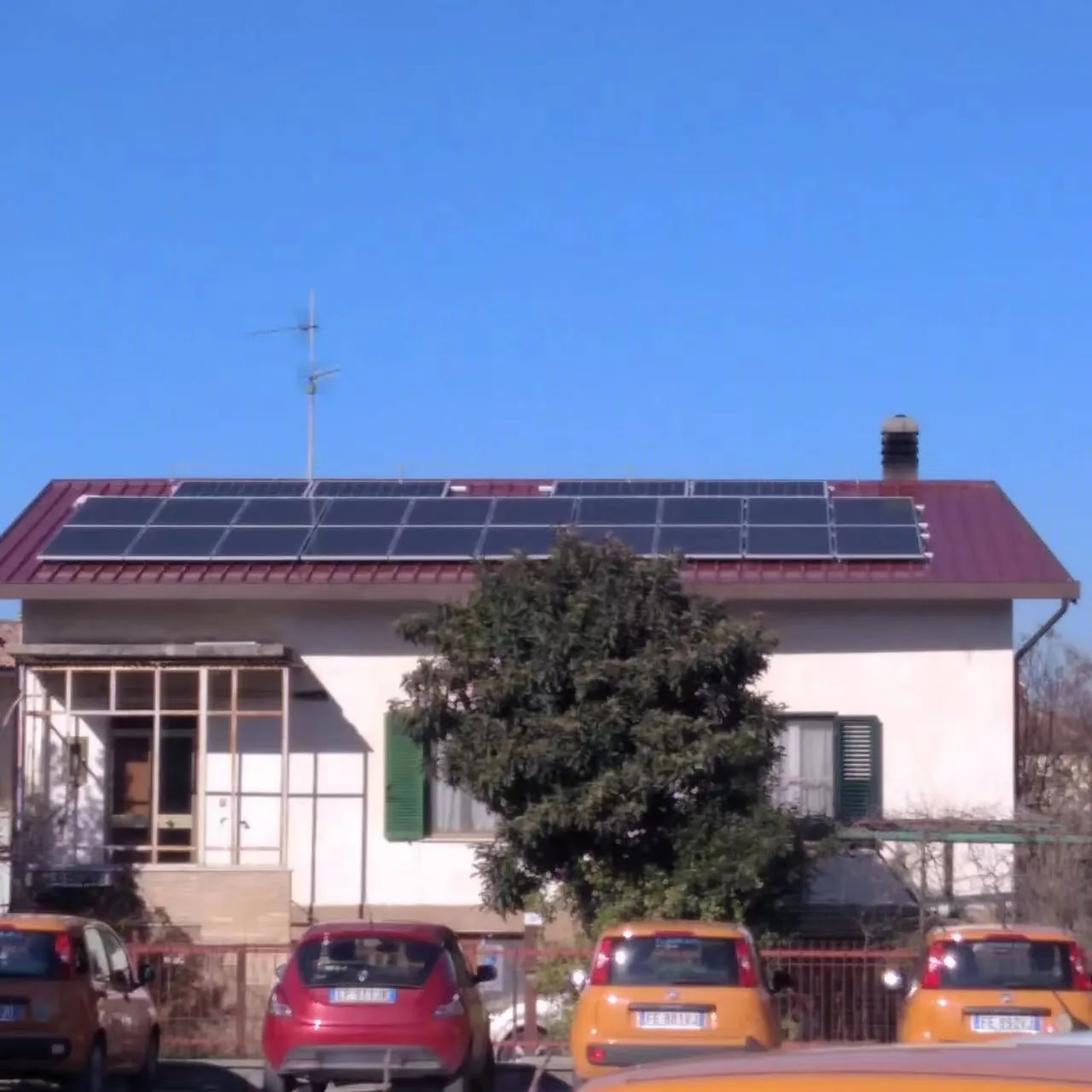
Here’s a shocker: most TUV certificates don’t include IP68 validation . That means if a solar panel supplier says, "Yep, IP68 certified," it’s often backed by separate, specialized testing—not baked into regular safety certifications.
Testing Lab Methodology
- Water Immersion : Panels underwent a 72-hour submergence test at varying water pressure depths. Any sign of condensation inside = automatic fail.
- Sandstorm Sim : Blasted with fine silica dust (equivalent to desert storm levels) to check seal integrity around mounts and edges.
- Thermal Shock : Rapidly cycled between -20°C and +80°C to see if panels expand and crack seals.
The outcome? Just 7 of 15 "IP68-rated" panels passed all trials unscathed. Why? Cheaper brands skimp on junction-box seals—the Achilles’ heel.
Junction Boxes: The Silent Saboteur
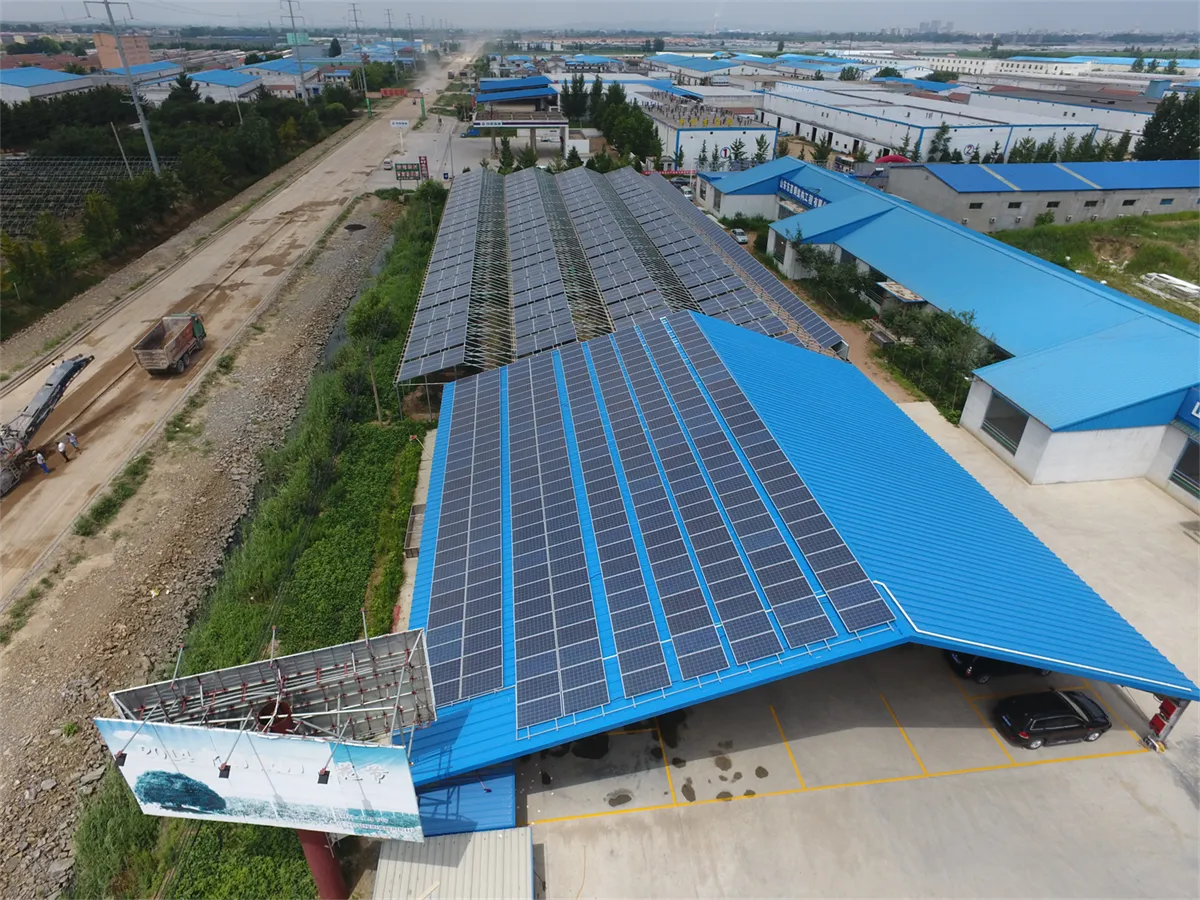
Irony alert: most solar panels aren’t 100% sealed. The junction box (usually IP65-67) is where things leak first. Water gets trapped, corrodes wires, and bam! your solar output drops. So, IP68’s real magic? It demands tighter seals here.
Real-World Disaster: In coastal Florida, homeowners using standard IP65 panels saw failures after hurricanes. Why? Junction boxes trapped moisture and triggered micro-cracks. Switching to IP68 models cut repairs by 60%.
IP68 in Action: Where It Pays Off
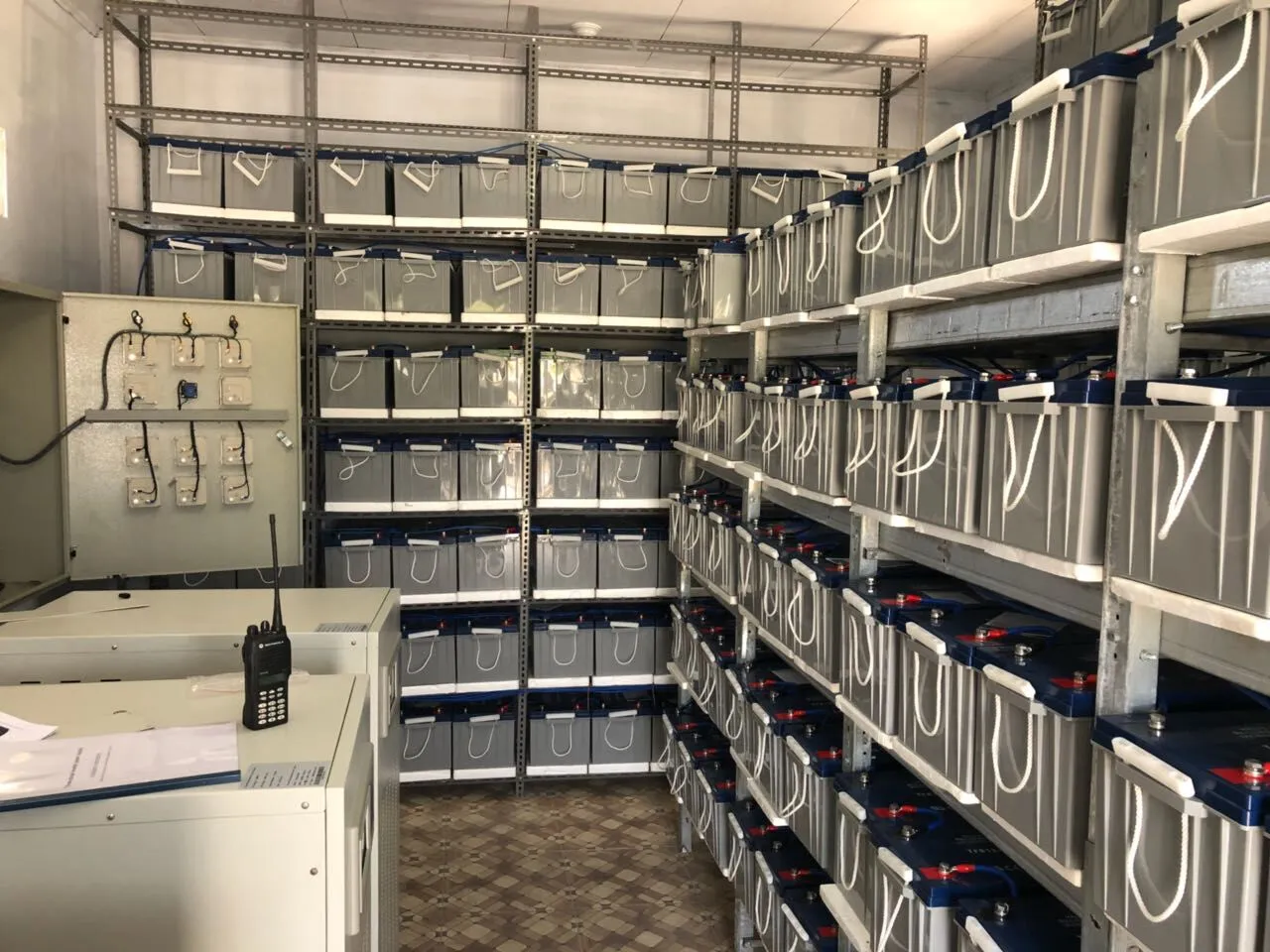
- Coastal/Marine: Salt spray relentlessly attacks hardware. IP68 is your frontline defense.
- Flood Zones: Think Iowa farmland or Bangkok rooftops where flooding happens yearly.
- Portable Panels: Your RV’s roof panels need to survive mud and creek crossings.
- Floating Solar Farms: Water + electronics = IP68 mandatory.
But guess what? If you live inland, save your cash. IP67 panels last 25+ years without sweating a monsoon. That extra spend on IP68? Put it toward a backup battery instead.
FAQs: What You Need to Know
Do IP68 solar panels cost more?
Yep, about 10–15% premium versus IP67. Worth it only if storms or floods threaten your setup.
Does IP68 affect efficiency?
Nope—efficiency (like 24% in premium panels) depends on cell tech, not weatherproofing.
⏳ How often should I test seals?
Every 2 years if near saltwater. Otherwise, 5-year checks suffice for waterproof flooring protection.
The Bottom Line
IP68 feels like armor plating for your solar setup. Cool? Absolutely. Overkill for most homeowners? Probably. If your rooftop’s drama-free—sticking to IP65-67 saves money without risks. But coastal pros or adventurous off-gridders? IP68 isn’t luxury; it’s insurance your solar panel suppliers won’t admit you need until disaster strikes.










