
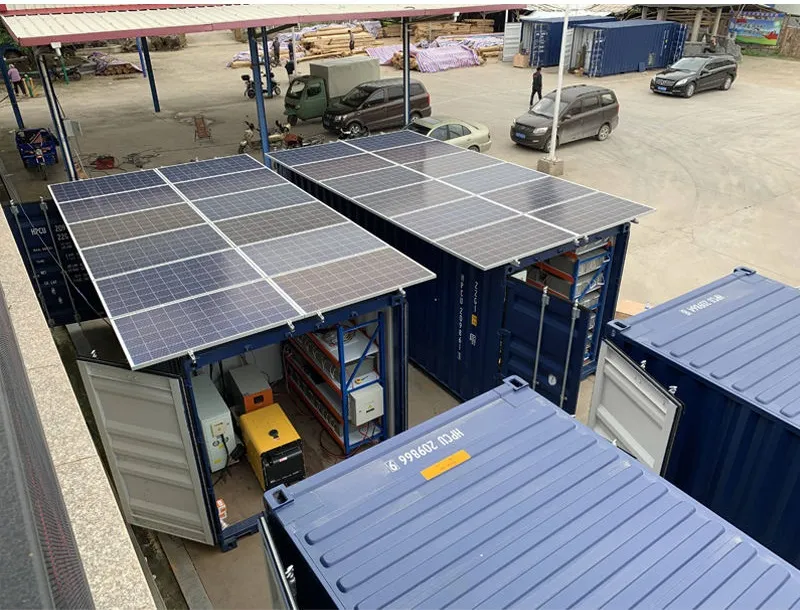
For many homeowners, the decision to install solar panels starts with a simple desire: to reduce energy bills while contributing to a greener planet. But what often gets overlooked in that initial excitement is the critical role that suppliers play in turning that desire into a successful, long-lasting reality. A reliable residential building materials supplier isn't just a vendor—they're a partner who understands the unique needs of your home, the local climate, and the technical nuances of solar integration. Whether you're building a new house or retrofitting an existing one, the right solar panels supplier can mean the difference between a seamless, efficient system and a project riddled with delays, compatibility issues, or underperforming equipment. In this guide, we'll walk through why supplier expertise matters, how to choose the right partner, and the step-by-step process of integrating solar panels into your residential project—all through the lens of insights from industry-leading suppliers.
At first glance, solar panels might seem like a commodity—after all, aren't they all just sheets of silicon that convert sunlight to electricity? Any seasoned residential building materials supplier will tell you that couldn't be further from the truth. The difference lies in the details: the quality of materials, the rigor of testing, the depth of technical support, and the commitment to long-term service. A supplier who specializes in solar panel solutions brings more than just products to the table; they bring a wealth of knowledge about how solar systems interact with other building materials, local regulations, and even regional weather patterns. For example, in Saudi Arabia, where temperatures soar and sandstorms are common, a saudi arabia building materials supplier with experience in solar integration will prioritize panels with high heat tolerance and anti-corrosion coatings—details a generic supplier might miss.
Beyond product quality, suppliers act as problem-solvers. Imagine you're installing solar panels on a historic home with a fragile roof. A one-size-fits-all supplier might push standard mounting brackets that risk damaging the structure, but a specialized residential building materials supplier will work with you to source custom, lightweight brackets or even flexible solar panels that adapt to the roof's unique shape. This level of customization isn't just about convenience; it's about protecting your investment and ensuring the system works in harmony with your home's architecture.
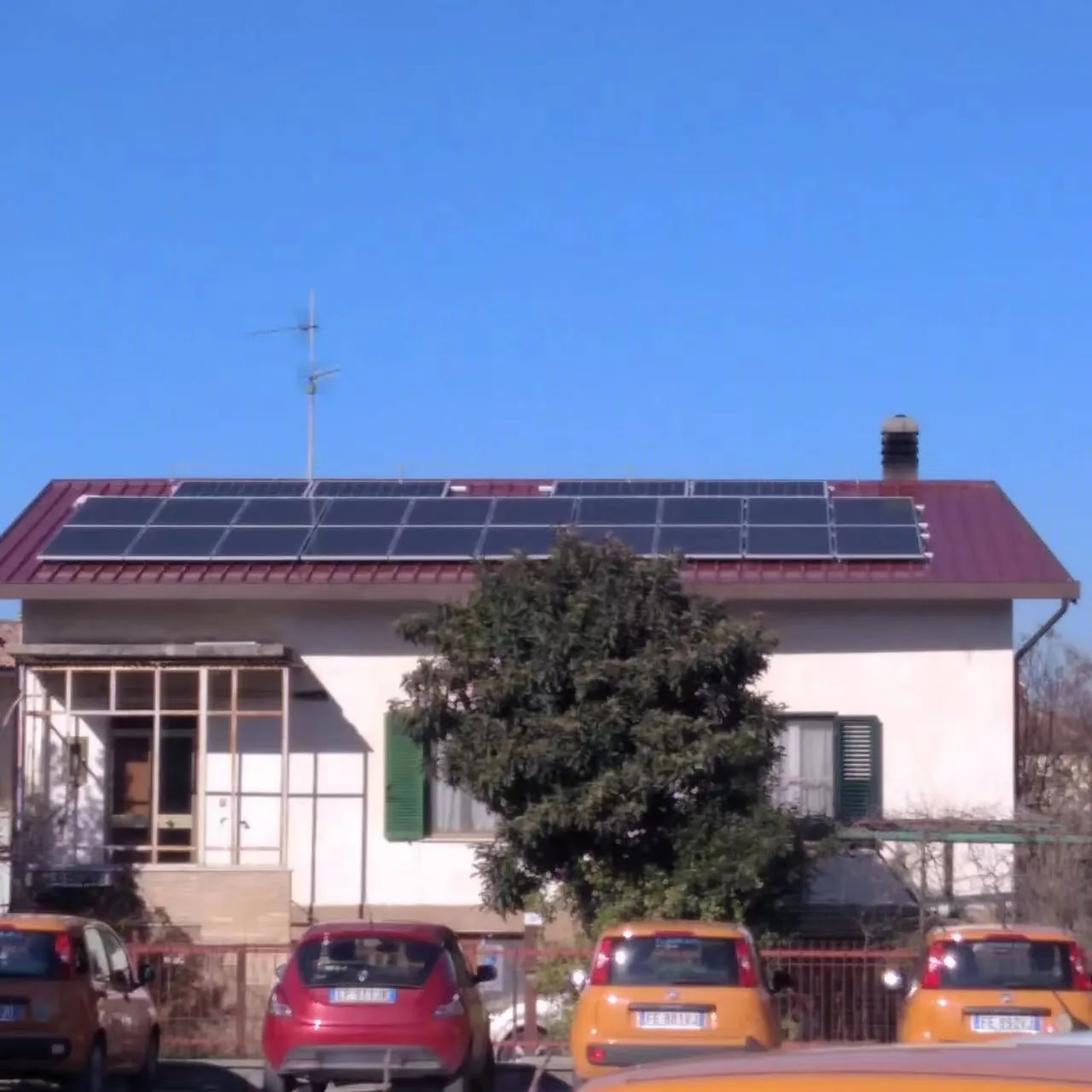
Selecting a solar panels supplier isn't a decision to rush. To avoid costly mistakes, homeowners and contractors should evaluate potential partners based on several critical criteria. Let's break them down:
Not all solar panels are created equal, and neither are suppliers. Some focus on high-efficiency monocrystalline panels ideal for small rooftops, while others specialize in thin-film panels that work well in low-light conditions. A reputable supplier will offer a range of options and help you select the best fit based on your home's orientation, energy needs, and budget. For instance, if you live in a region with frequent cloudy days, they might recommend bifacial panels that capture sunlight from both sides, maximizing energy production even when the sky isn't clear.
Solar panels are long-term investments—most come with 25-year warranties—so quality is non-negotiable. Look for suppliers whose products carry certifications from recognized bodies like the International Electrotechnical Commission (IEC) or Underwriters Laboratories (UL). These certifications ensure the panels meet strict standards for efficiency, durability, and safety. For example, a supplier offering Class A fireproof ratings (similar to the class a fireproof cpl inorganic board solutions used in hospitals and schools) adds an extra layer of security, especially in areas prone to wildfires.
A supplier's job shouldn't end once the panels are installed. The best partners offer comprehensive after-sales support, including maintenance services, troubleshooting, and help with warranty claims. Ask about their warranty coverage: Does it include parts, labor, or both? How easy is it to file a claim? A supplier who stands behind their products will have clear, transparent warranty terms and a responsive customer service team.
Local knowledge is invaluable. A saudi arabia building materials supplier, for example, will understand the kingdom's strict building codes, import regulations, and climate challenges (like extreme heat and sand abrasion). They'll also have established relationships with local installers, electricians, and inspectors, streamlining the permitting and installation process. This network can save you weeks of delays compared to working with an out-of-region supplier who's unfamiliar with local requirements.
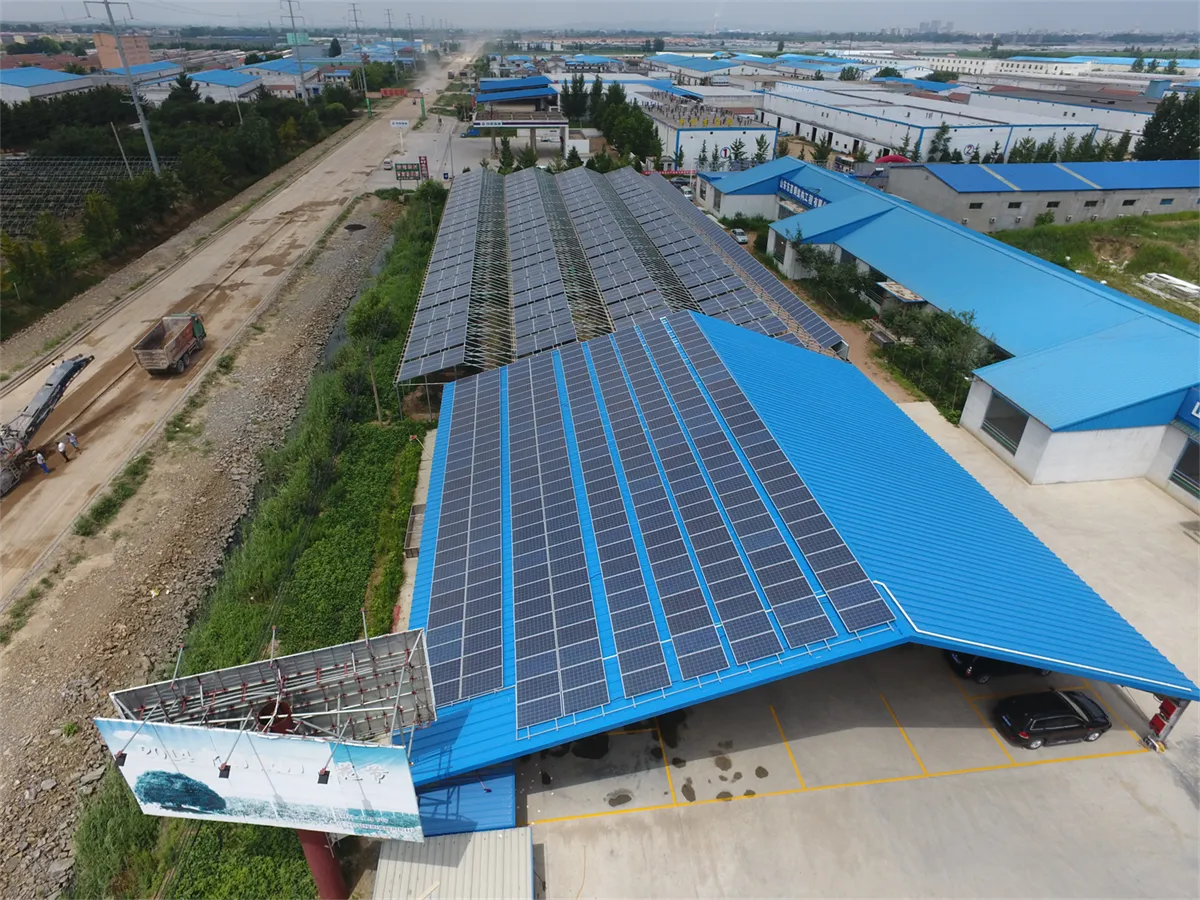
To help you navigate the options, we've compiled a comparison of the most common solar panel types for residential use, along with key supplier considerations for each:
| Panel Type | Efficiency (Typical Range) | Lifespan | Cost Range (per watt) | Best For | Supplier Considerations |
|---|---|---|---|---|---|
| Monocrystalline | 18-24% | 25-30 years | $0.80-$1.20 | Small rooftops, high energy needs | Look for suppliers with high-purity silicon sourcing and anti-reflective coatings. |
| Polycrystalline | 15-18% | 20-25 years | $0.60-$0.90 | Budget-conscious projects, larger rooftops | Check for uniform cell structure and temperature coefficient ratings (how well they perform in heat). |
| Thin-Film (CIGS/Amorphous Silicon) | 10-15% | 15-20 years | $0.50-$0.80 | Irregular rooftops, low-light environments | Ensure supplier offers flexible mounting options and durability guarantees for outdoor use. |
| Bifacial | 20-25% | 25-30 years | $1.00-$1.50 | Roofs with reflective surfaces (e.g., white shingles), ground-mounted systems | Verify backside efficiency ratings and compatibility with tracking systems if applicable. |
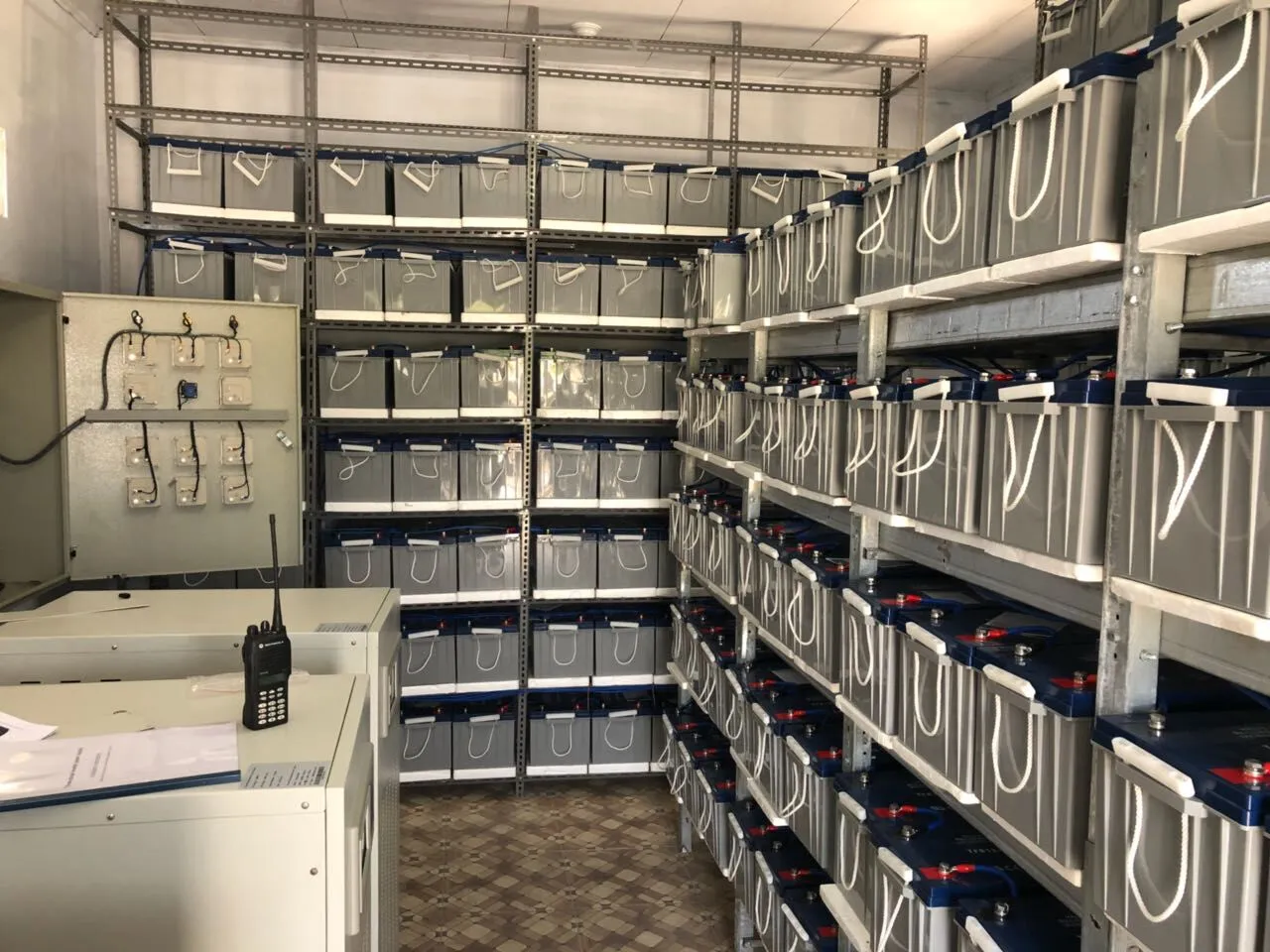
Integrating solar panels into a residential project involves careful planning, coordination, and execution. Here's a breakdown of the process, with insights from suppliers on how to ensure success at every stage:
The journey begins with a conversation. A good solar panels supplier will start by asking detailed questions: What's your monthly energy usage? Do you plan to expand your home in the future? Are there any shading issues from trees or neighboring buildings? They'll then conduct a site assessment, either in person or using satellite imagery, to analyze the roof's angle, orientation, and structural integrity. For example, a supplier working on a home with a south-facing roof in Arizona will calculate how many panels can fit without overloading the roof, while a supplier in a coastal area might recommend corrosion-resistant mounting hardware to combat salt spray.
Based on the assessment, the supplier will help you choose the right panels, inverters, mounting systems, and wiring. This is where customization comes into play. If your home uses unique building materials—say, a bamboo charcoal board wall panel exterior—they'll ensure the mounting brackets don't damage the panels or the wall. For homeowners interested in whole-house customization, some suppliers even offer integrated solutions, such as solar panels that double as roofing tiles or awnings, blending functionality with aesthetics.
Navigating local permits and regulations is often the most tedious part of the process, but a knowledgeable supplier can simplify it. They'll handle paperwork, submit technical drawings, and ensure the system meets local electrical codes (e.g., NEC standards in the U.S. or SASO standards in Saudi Arabia). For example, if your area requires fire safety certifications, they'll provide documentation proving the panels meet Class A fire ratings, similar to the class a fireproof cpl inorganic board solutions used in public buildings.
A supplier with a strong local network will coordinate with trusted installers to ensure the project stays on schedule. They'll deliver materials on time, provide installation guides, and even send technical reps to oversee the process if needed. During installation, communication is key: the supplier should be available to answer questions, adjust orders if issues arise (e.g., a damaged panel), and ensure the installers follow best practices.
After installation, the supplier will help schedule a final inspection with local authorities. Once approved, they'll assist with activating the system, connecting it to the grid (if applicable), and teaching you how to monitor energy production. Many suppliers offer smart monitoring tools that let you track usage via a smartphone app, giving you real-time insights into how much energy you're generating and saving.
To illustrate how a reliable supplier makes a difference, let's look at the experience of Ahmed, a homeowner in Riyadh, Saudi Arabia, who wanted to install solar panels on his new villa. Ahmed initially considered a generic online supplier offering low-cost panels, but after consulting with a local saudi arabia building materials supplier, he realized the risks of cutting corners.
The villa had a unique curved roof with a mix of traditional and modern architectural elements, including decorative stone wall panels. The generic supplier's standard mounting brackets would have required drilling into the stone, risking damage. The local supplier, however, proposed flexible mounting rails that attached to the roof's underlying structure without harming the stonework. They also recommended monocrystalline panels with a heat-resistant backsheet, critical in Riyadh's 50°C summer temperatures, and a microinverter system that optimized energy production even when part of the roof was shaded by a nearby palm tree.
During installation, sandstorms delayed the project by a week, but the supplier quickly adjusted the delivery schedule and sent a technician to clean and inspect the panels once the weather cleared. Six months later, Ahmed's system is generating 30% more energy than projected, and he estimates it will pay for itself in under 5 years. "The supplier didn't just sell me panels—they helped me design a system that works with my home, not against it," he says. "That peace of mind is priceless."
Even with careful planning, solar integration can hit roadblocks. Here are some common issues and how a proactive supplier addresses them:
High winds, hailstorms, and extreme heat can damage panels or reduce efficiency. Suppliers mitigate this by offering panels with robust warranties (e.g., 10-year product warranty, 25-year performance warranty) and materials like tempered glass and aluminum frames. In coastal areas, they may recommend anti-corrosion coatings to protect against saltwater exposure.
Older homes may have outdated electrical systems that struggle to integrate with solar. A supplier will conduct a thorough electrical audit and recommend upgrades, such as new wiring or a smarter breaker box, to ensure compatibility. They may even coordinate with pipes fittings suppliers if electrical conduit needs to be rerouted, ensuring the entire system meets safety standards.
Bureaucracy or supply chain issues can slow projects down. A local supplier with established relationships can expedite permits by knowing which documents inspectors need. For delivery delays, they'll have backup inventory or alternative suppliers lined up to keep the project on track.
If panels underperform, a good supplier will send a technician to diagnose the problem—whether it's a faulty inverter, shading, or dirt buildup. They'll cover repairs or replacements under warranty and work with you to optimize the system for better results.
The solar industry is evolving rapidly, and leading suppliers are at the forefront of innovation. Here are some trends to watch:
Suppliers are developing solar panels that double as building materials, such as solar shingles, windows, and even wall panels. Imagine a home where the roof, skylights, and exterior walls all generate electricity—this is becoming a reality, thanks to suppliers investing in flexible, aesthetically pleasing BIPV solutions.
As battery technology improves, suppliers are pairing solar panels with home energy storage systems, allowing homeowners to store excess energy for use at night or during power outages. This "solar-plus-storage" model is gaining popularity, especially in areas with unreliable grids.
Future solar systems will integrate seamlessly with smart home platforms, letting homeowners automate energy usage (e.g., turning on the washing machine when solar production is high) and track carbon savings in real time. Suppliers are partnering with tech companies to develop these integrated solutions.
Suppliers are also focusing on eco-friendly manufacturing, using recycled materials in panels and reducing carbon emissions during production. Some are even offering take-back programs for old panels, ensuring they're recycled responsibly at the end of their lifespan.
Solar panel integration is more than just a home improvement project—it's a long-term investment in sustainability, energy independence, and financial savings. The key to success lies in choosing a supplier who sees your project as more than a sale. A great residential building materials supplier will take the time to understand your home, your goals, and the challenges of your local environment. They'll guide you through every step, from selecting the right panels to troubleshooting post-installation issues, and stand by their products for decades to come.
So, whether you're in Saudi Arabia, the U.S., or anywhere else, take the time to research suppliers, ask questions, and prioritize those with a proven track record of quality, customization, and support. With the right partner, your solar journey won't just be successful—it will be a smooth, rewarding experience that leaves you with a system you can rely on for years to come.
Recommend Products












