
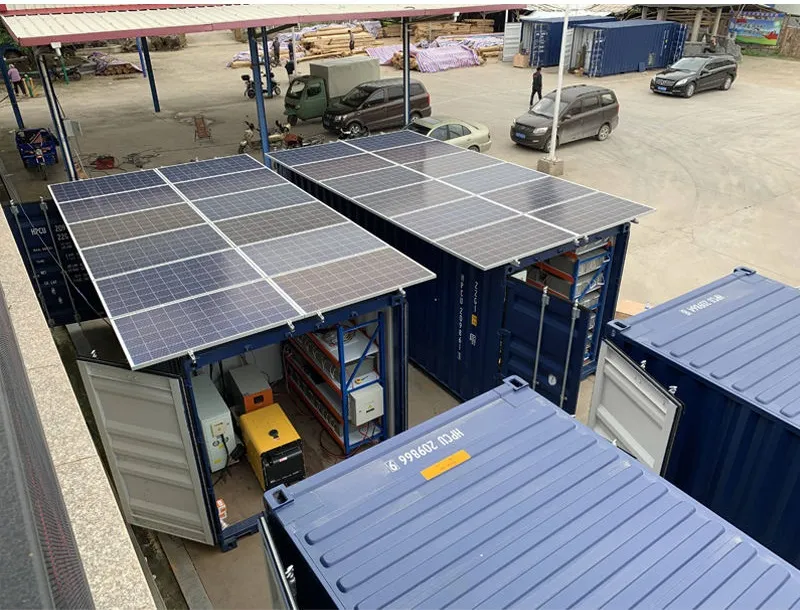
As more homeowners and businesses turn to solar energy to power their spaces, the focus often lands on the sleek panels glinting in the sun or the promise of lower electricity bills. But behind every successful solar installation lies a network of unsung heroes: the pipes that keep the system running smoothly. Whether it's a residential rooftop setup or a large-scale commercial solar farm, the right plumbing infrastructure is critical to maximizing efficiency, durability, and long-term performance. Among the materials making waves in this space, PPR pipes have emerged as a standout choice—and for good reason. Let's dive into why PPR pipe and fitting solutions are becoming the go-to plumbing partners for solar panel installations, and how they're reshaping the way we build sustainable energy systems.
Solar panel systems, whether photovoltaic (PV) for electricity or thermal for heating water, rely on more than just sunlight. For thermal solar systems, which heat water or air for residential or commercial use, pipes are the lifelines that transport heated fluids between the panels and storage tanks. Even some advanced PV systems use cooling mechanisms to maintain optimal panel temperature, requiring a network of pipes to circulate coolants. In short, without reliable piping, these systems can suffer from leaks, heat loss, or inefficiencies that chip away at their environmental and financial benefits.
Imagine investing in top-tier solar panels—perhaps sourced from a trusted solar panel supplier —only to have a faulty pipe cause a leak that damages your roof or reduces system efficiency by 20%. It's a scenario no homeowner or business owner wants to face. That's why choosing the right piping material is just as important as selecting high-quality solar panels. It's about building a system that's not just green, but resilient.
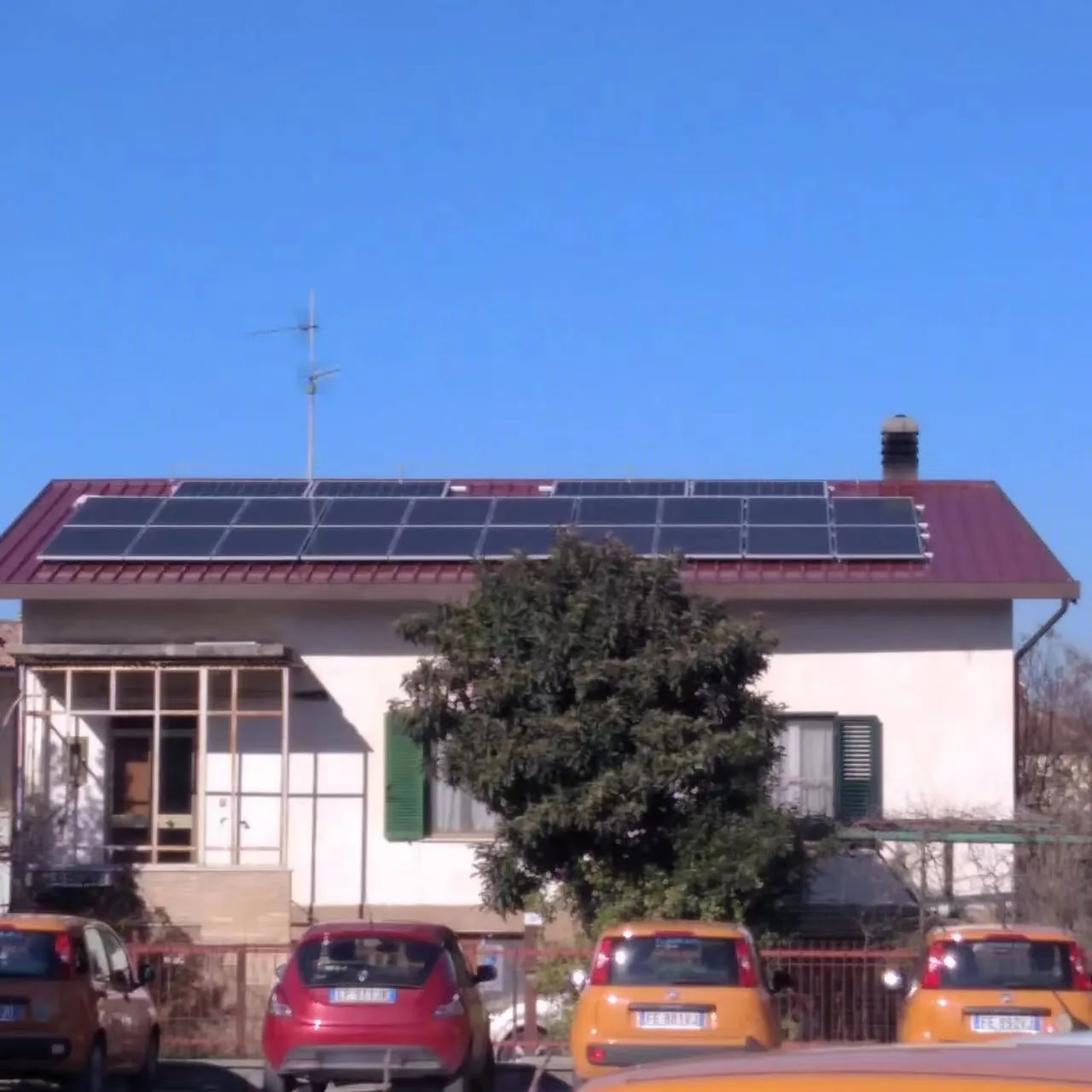
PPR, or polypropylene random copolymer, pipes have been gaining traction in plumbing and construction for decades, but their unique properties make them especially well-suited for solar installations. Unlike traditional materials like copper or PVC, PPR pipes are engineered to handle the specific demands of solar systems: high temperatures, constant fluid flow, and long-term exposure to the elements. Let's break down what makes them so reliable.
First, heat resistance is non-negotiable. Solar thermal systems can see fluid temperatures reach 95°C (203°F) or higher, depending on the setup. PPR pipes, designed to withstand temperatures up to 110°C (230°F) under normal operating conditions, don't warp, crack, or degrade when exposed to these heat levels. This stability ensures that the pipes maintain their structural integrity over time, reducing the risk of leaks or bursts.
Then there's corrosion resistance. Solar fluids, whether water or specialized heat transfer liquids, can be harsh on metal pipes, leading to rust or scale buildup that clogs lines and reduces flow. PPR pipes, being non-metallic, are immune to corrosion. They also resist chemical reactions with common solar fluids, ensuring that the system remains clean and efficient for years. For installers and homeowners, this means fewer maintenance headaches and lower long-term costs.
Flexibility is another key advantage. Solar installations often require pipes to navigate tight spaces, whether it's routing lines from a rooftop panel to a basement storage tank or weaving through the rafters of a commercial building. PPR pipes are lightweight and bendable, making them easier to install than rigid copper or heavy steel. This flexibility also reduces the need for excessive fittings, which are common leak points in any plumbing system. When paired with compatible PPR pipe and fitting solutions , they create a seamless, leak-resistant network that's built to last.
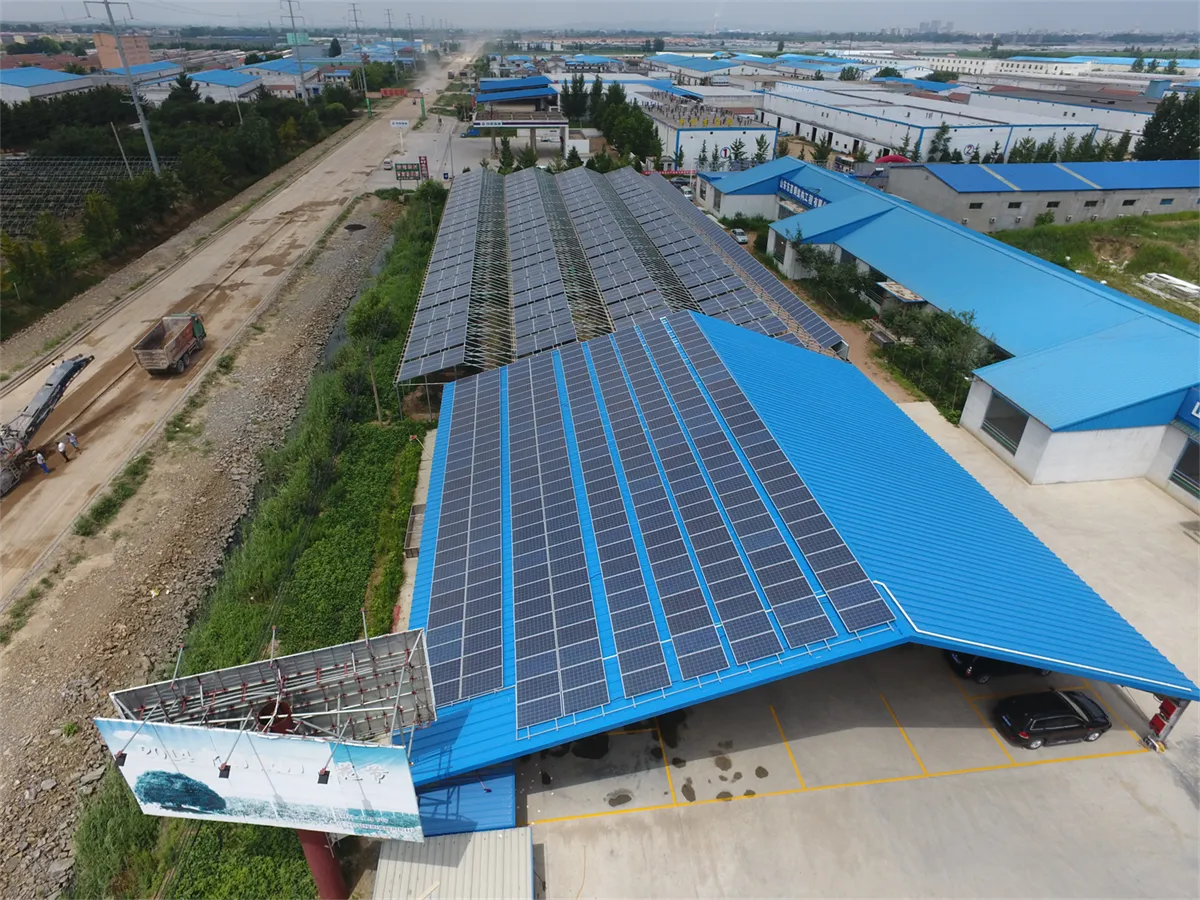
To truly appreciate why PPR pipes are a top choice, let's compare them to other common piping materials used in solar installations. The table below highlights how PPR stands out in key areas that matter most for solar systems:
| Material | Heat Resistance | Corrosion Resistance | Installation Ease | Cost-Effectiveness | Expected Lifespan |
|---|---|---|---|---|---|
| PPR | Up to 110°C (230°F) | Excellent (resists rust, scale, and chemical corrosion) | High (lightweight, flexible, fusion-welded joints for leak-proof connections) | High (lower maintenance costs offset initial investment) | 50+ years (with proper installation) |
| Copper | High (up to 200°C/392°F) | Poor (prone to corrosion from acidic/basic fluids) | Low (heavy, requires soldering; risk of joint leaks) | Low (high initial cost + maintenance for corrosion issues) | 20–30 years (varies with fluid chemistry) |
| PVC | Low (max 60°C/140°F; deforms at higher temps) | Good (resists corrosion but not high heat) | Moderate (rigid, requires glue for joints; risk of leaks over time) | Moderate (low initial cost but short lifespan in solar systems) | 10–15 years (degrades in high-heat solar applications) |
| PEX | Moderate (up to 95°C/203°F for short periods) | Excellent (similar to PPR) | High (flexible, crimped joints) | Moderate (higher cost than PPR; joints may loosen over time) | 30–40 years (varies by brand and installation) |
The data speaks for itself: PPR pipes excel in heat resistance, corrosion resistance, and lifespan—three factors that directly impact a solar system's performance. While copper may handle higher temperatures, its susceptibility to corrosion and high installation costs make it a less practical choice for most solar setups. PVC, on the other hand, simply can't keep up with the heat demands of thermal systems. PEX comes close, but PPR's longer lifespan and more secure fusion-welded joints give it the edge for long-term reliability.
To understand how PPR pipes perform in real solar installations, let's look at two scenarios: a residential solar water heater and a commercial solar thermal project. Both highlight why PPR pipe and fitting suppliers are increasingly partnering with solar installers to deliver turnkey solutions.
Residential Case Study: The Smith Family's Solar Upgrade
The Smiths, a family of four in a suburban home, wanted to reduce their reliance on gas for water heating. They opted for a solar thermal system with 20 evacuated tube panels on their south-facing roof, paired with a 200-liter storage tank in their garage. Their installer recommended PPR pipes, citing their heat resistance and durability. The
PPR pipe and fitting supplier
provided pre-insulated pipes to minimize heat loss and custom elbows to navigate the tight space between the roof and garage. Five years later, the system has yet to experience a leak, and the Smiths report that their water heating bills have dropped by 70%. "We barely think about the pipes," Mr. Smith notes, "but knowing they're built to last gives us peace of mind."
Commercial Project: A Hotel's Green Makeover
A mid-sized hotel in Riyadh wanted to cut its carbon footprint and reduce energy costs. They installed a large-scale solar thermal system to heat water for guest rooms, laundry, and the hotel's pool. The project required over 500 meters of piping to connect 100 solar panels to multiple storage tanks. The project manager chose PPR pipes for their corrosion resistance—critical in a system that would circulate treated water with mild chemicals to prevent scaling. The
commercial building materials supplier
they partnered with provided not just pipes and fittings, but also technical support to ensure the system was designed for maximum flow efficiency. Two years post-installation, the hotel has reduced its natural gas usage by 40%, and maintenance crews report zero pipe-related issues.
Not all PPR pipes are created equal, and selecting the right PPR pipe and fitting supplier is just as important as choosing the material itself. Here are key factors to consider:
Certifications and Quality Standards
Reputable suppliers will have their products certified by international standards like ISO 9001 (quality management) or DIN 8077/8078 (PPR pipe specifications). These certifications ensure the pipes meet strict criteria for heat resistance, pressure tolerance, and material purity. For solar systems, look for suppliers whose pipes are tested specifically for high-temperature fluid transport—this is often indicated by certifications from organizations like the Solar Rating & Certification Corporation (SRCC).
Range of Solutions
Solar installations come in all shapes and sizes, so a supplier with a diverse range of
PPR pipe and fitting solutions
is a plus. This includes pipes of various diameters (from 20mm for residential systems to 110mm for commercial projects), insulated options to reduce heat loss, and specialized fittings like manifolds or check valves that simplify system design. Some suppliers even offer custom cutting or pre-assembled kits, saving installers time on the job.
Technical Support
Solar plumbing can get complex, especially for large or custom systems. The best suppliers don't just sell products—they offer technical expertise. This might include help with system design, pressure calculations, or installation best practices. For example, a supplier might recommend thicker-walled pipes for high-pressure commercial systems or advise on fusion welding techniques to ensure leak-proof joints.
Local Availability and After-Sales Service
In regions like Saudi Arabia, where solar installations are booming, working with a local
PPR pipe and fitting supplier
ensures faster delivery and easier access to replacement parts. After-sales service is also critical: if a fitting fails or a pipe needs repair, a supplier with a responsive support team can minimize downtime and keep your solar system running smoothly.
As solar energy continues to grow—with the International Energy Agency predicting that solar will dominate global electricity generation by 2050—the demand for reliable, sustainable plumbing solutions will only increase. PPR pipes, with their blend of heat resistance, durability, and cost-effectiveness, are poised to play a central role in this future. They're not just pipes; they're partners in building systems that are as resilient as they are green.
For homeowners, businesses, and installers alike, the message is clear: when planning your next solar installation, don't overlook the plumbing. Invest in PPR pipe and fitting solutions that can keep up with the demands of solar energy, and you'll build a system that delivers clean power, lower costs, and peace of mind for decades to come. After all, the best solar installations are the ones that work so well, you forget they're there—until your next utility bill arrives.
In the end, solar energy is about more than harnessing the sun—it's about building a sustainable future from the ground up. And with PPR pipes in your corner, you're one step closer to making that future a reality.
Recommend Products












