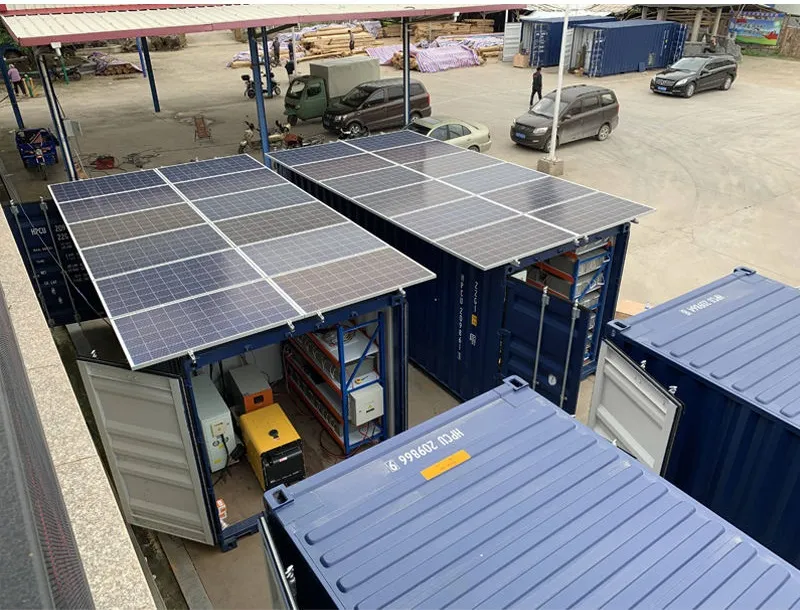
As the world shifts toward sustainable energy solutions, solar power has emerged as a cornerstone of this transition. For commercial and residential buildings alike, flat roofs represent an untapped resource—vast, unused spaces with the potential to generate clean electricity, reduce carbon footprints, and lower energy costs. However, installing solar panels on flat roofs isn't as simple as placing them on sloped surfaces. It requires careful planning to address unique structural, environmental, and regulatory challenges. In this guide, we'll explore how to navigate these complexities, ensuring your solar installation is both safe and compliant, with insights from industry experts and leading
solar panels supplier
practices.
The Unique Challenges of Flat Roof Solar Installations
Flat roofs, common in commercial buildings like offices, warehouses, and retail spaces, as well as modern residential complexes, offer distinct advantages for solar installations—chiefly, maximum surface area and flexibility in panel orientation. Yet, they also present specific hurdles that demand attention:
Structural Load Capacity:
Unlike sloped roofs, which naturally shed weight, flat roofs must bear the full load of solar panels, mounting systems, and additional components like inverters. This requires thorough structural assessments to avoid overloading, especially in older buildings.
Drainage and Water Management:
Flat roofs are prone to water pooling, which can lead to leaks if solar installations disrupt drainage systems. Improperly sealed panel mounts or blocked scuppers (drainage outlets) risk water damage to both the roof and the building interior.
Wind and Environmental Stress:
In regions like the Middle East, flat roofs face intense sunlight, high temperatures, and occasional sandstorms. Solar panels and mounting hardware must withstand thermal expansion, UV radiation, and wind forces—factors that demand durable, high-quality materials.
Regulatory Compliance:
Local building codes, especially in markets like Saudi Arabia, often have strict standards for solar installations, covering everything from fire safety to electrical wiring. Non-compliance can result in project delays, fines, or even forced removal of systems.
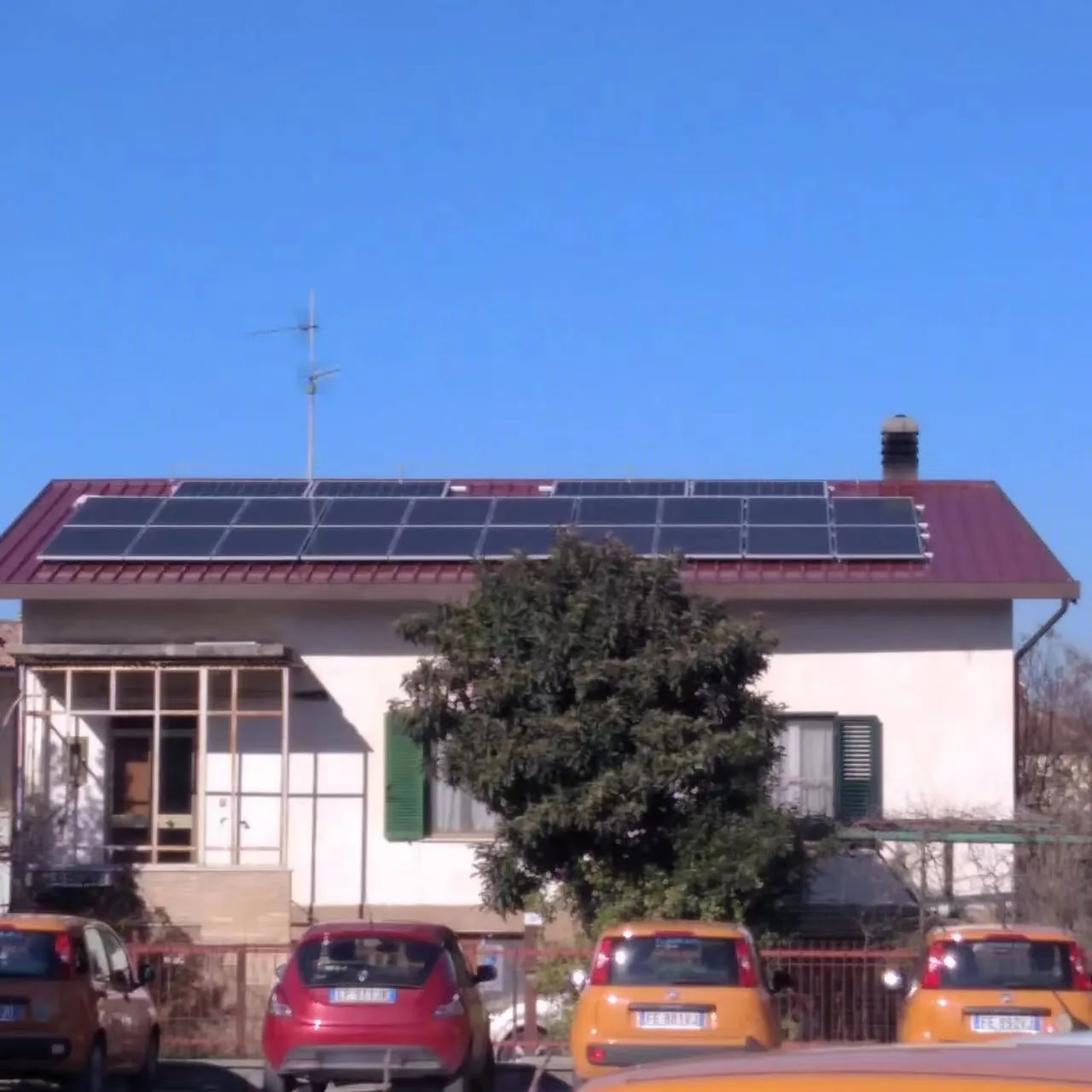
Key Steps to Safe Solar Panel Installation on Flat Roofs
Safety and longevity start with a systematic approach to installation. Below is a step-by-step breakdown of best practices, informed by the expertise of
one-stop architectural solution provider
teams that handle projects from design to delivery:
Pro Tip: Partner with a supplier that offers end-to-end support—from structural assessments to post-installation maintenance. This streamlines communication, reduces errors, and ensures all components work together seamlessly.
1. Pre-Installation Assessment: Lay the Groundwork
Before any panels are mounted, a comprehensive site evaluation is critical. This includes:
Structural Engineering Review:
A certified engineer should analyze the roof's load-bearing capacity, considering not just the solar system's weight but also factors like snow (in colder climates) or maintenance personnel access. For example, a typical commercial solar panel weighs 15–20 kg, and mounting systems add another 5–10 kg per panel—numbers that quickly add up across a large roof.
Drainage System Inspection:
Survey the roof's slope (even flat roofs have a slight pitch), scupper locations, and existing waterproofing. Solar installations must be designed to avoid blocking drains; some systems use elevated mounts to raise panels above the roof surface, preserving water flow.
Shading Analysis:
Use tools like sun path diagrams or drone surveys to identify shading from nearby buildings, trees, or rooftop equipment (e.g., HVAC units). Even partial shading can significantly reduce panel efficiency, so layouts may need adjustments to maximize sun exposure.
2. Design Optimization: Balancing Efficiency and Safety
The design phase is where safety and performance intersect. Key considerations include:
Panel Orientation and Tilt:
While flat roofs allow flexibility, panels should be tilted at an angle equal to the building's latitude (e.g., 25–30° in Saudi Arabia) to optimize sunlight capture. Tilted racks also help shed rainwater and debris, reducing maintenance needs.
Spacing and Ventilation:
Panels need space between them for air circulation, which cools the system and prevents overheating—critical in hot climates like the Middle East. Adequate spacing also simplifies cleaning and inspection.
Mounting System Selection:
Choose between ballasted (weighted, no roof penetration) or penetrating mounts. Ballasted systems are ideal for roofs with limited load capacity but require heavier weights to resist wind. Penetrating mounts, secured with flashing, offer better wind resistance but demand careful waterproofing to prevent leaks.
3. Material Quality: The Foundation of Durability
The longevity of a solar installation depends heavily on the materials used. Reputable
green building materials
suppliers prioritize products that withstand local conditions:
Solar Panels:
Look for high-efficiency monocrystalline or polycrystalline panels with certifications like TÜV or UL, ensuring they can handle temperature extremes (common in regions like Saudi Arabia, where summer roof temperatures can exceed 60°C).
Mounting Hardware:
Anodized aluminum or stainless-steel racks resist corrosion, while UV-stabilized polymers in brackets prevent degradation from sunlight.
Waterproofing Solutions:
For penetrating mounts, use butyl rubber or EPDM flashing tapes designed for roof applications. Some suppliers offer pre-sealed mounting kits to simplify installation and reduce leak risks.
4. Professional Installation: Skill and Safety First
Even the best materials fail with poor installation. Ensure your team follows these protocols:
Certified Installers:
Technicians should hold certifications from organizations like NABCEP (North American Board of Certified Energy Practitioners) or local equivalents, demonstrating expertise in electrical safety and structural best practices.
Safety Gear:
Roof work requires fall protection (harnesses, guardrails), non-slip footwear, and weather monitoring to avoid installation during high winds or storms.
Electrical Compliance:
Wiring must meet local codes (e.g., NEC in the U.S., IEC standards in the Middle East) with proper grounding, conduit protection, and labeling for easy maintenance.
|
Installation Phase
|
Key Safety Checkpoints
|
Common Pitfalls to Avoid
|
|
Pre-Installation
|
Structural load test, drainage mapping
|
Ignoring roof age or prior repairs
|
|
Mounting
|
Torque wrench calibration, flashing inspection
|
Over-tightening bolts, incomplete waterproofing
|
|
Wiring
|
Insulation resistance testing, circuit labeling
|
Exposed wires, incorrect inverter sizing
|
|
Post-Installation
|
Load test, water tightness check
|
Skipping final inspection, incomplete documentation
|
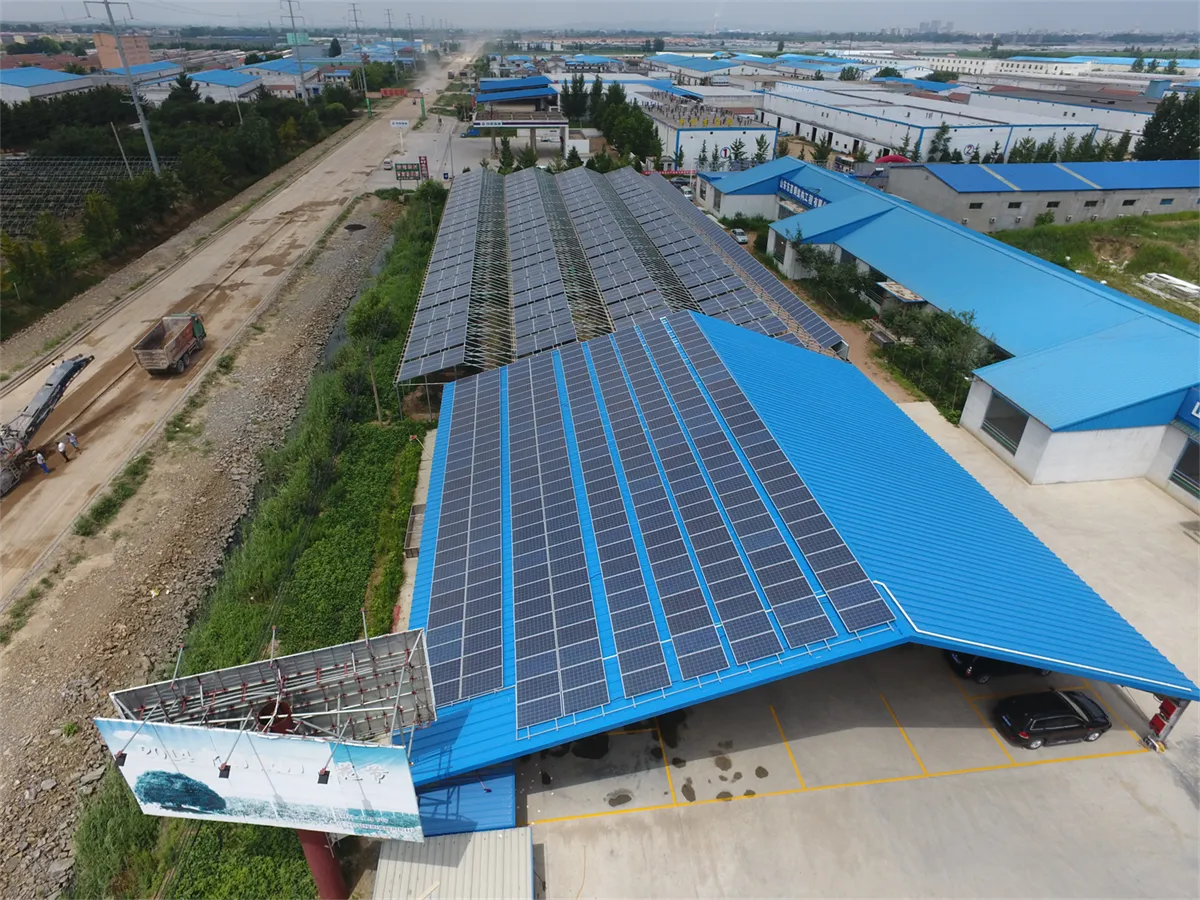
Navigating Local Compliance: A Focus on Saudi Arabia
For businesses operating in Saudi Arabia, compliance with local regulations is not just a legal requirement—it's a step toward aligning with the kingdom's ambitious sustainability goals, including Vision 2030. As a leading
saudi arabia building materials supplier
, we've seen firsthand how adherence to local standards can streamline projects and enhance long-term success.
Key Regulatory Considerations in Saudi Arabia
Solar Energy Regulations:
The Saudi Ministry of Energy (MOE) oversees renewable energy projects, requiring permits for systems above a certain capacity (typically 10 kW for commercial installations). These permits involve technical reviews to ensure compliance with safety and grid-connection standards.
Building Codes:
The Saudi Building Code (SBC) specifies requirements for roof-mounted equipment, including wind load resistance (based on regional wind speeds) and fire safety (e.g., clearances around panels for emergency access).
Vision 2030 Alignment:
Saudi Arabia's Vision 2030 emphasizes sustainability and carbon reduction, with incentives for green building practices. Installing solar panels can contribute to LEED certification or local green building ratings, unlocking potential tax benefits or grants.
Local Expertise Matters
Working with a supplier rooted in the Saudi market ensures you're up-to-date on the latest regulations. For example, our team in Riyadh regularly collaborates with local authorities to understand changes in building codes, helping clients avoid costly delays.
International Standards to Consider
In addition to local rules, solar installations should align with global standards to ensure quality and interoperability:
IEC 61215:
International standard for solar panel performance and durability.
ISO 9001:
Quality management certification for suppliers, ensuring consistent product and service standards.
UL 1703:
Safety standard for solar panel systems, covering electrical and fire risks.
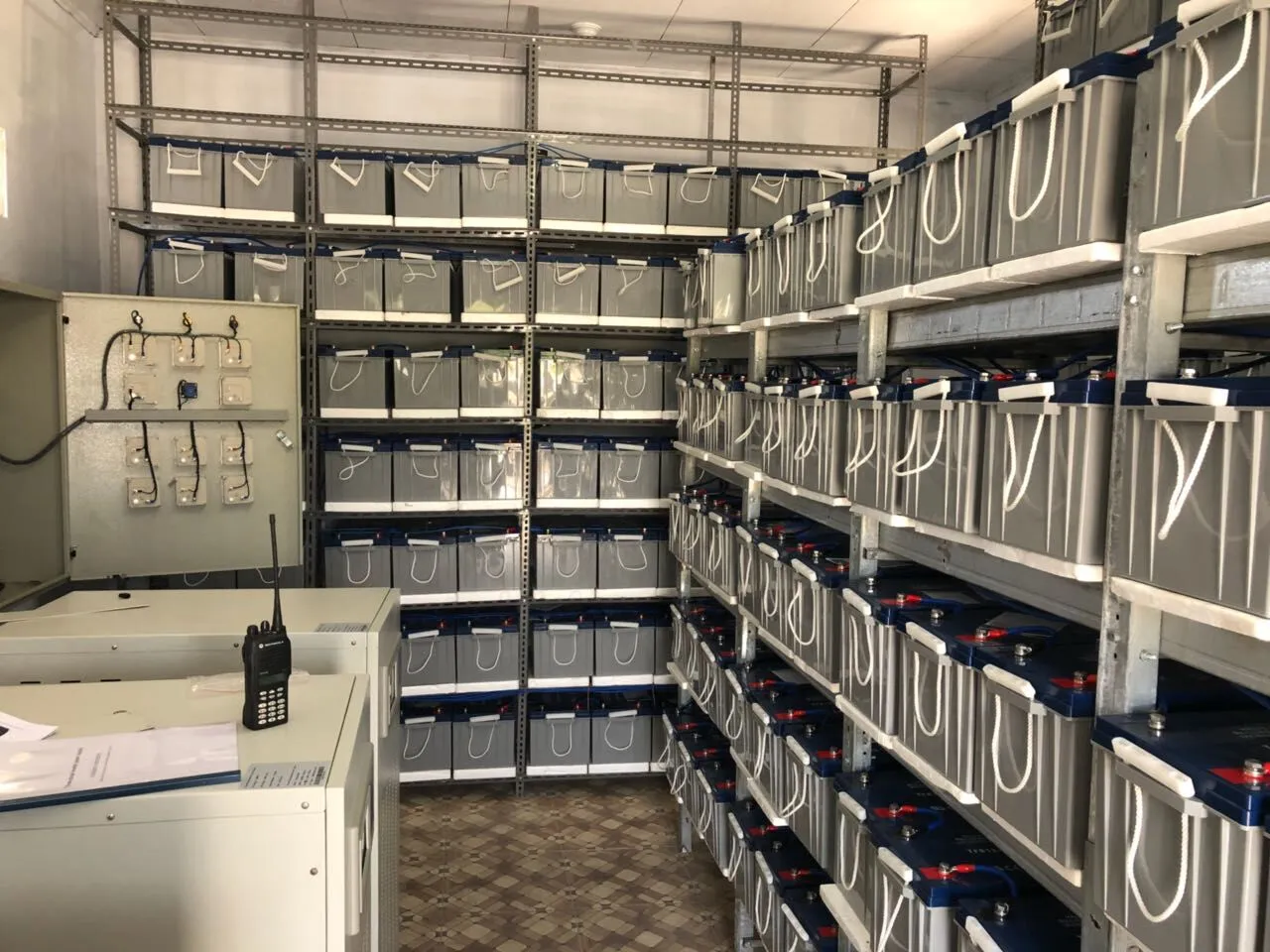
Installing solar panels on a flat roof involves coordinating multiple stakeholders: structural engineers, electricians, roofers, and material suppliers. This complexity often leads to miscommunication, delays, or mismatched components. A
one-stop architectural solution provider
simplifies the process by integrating all these elements under one roof—offering design, materials, installation, and maintenance support.
Benefits of a One-Stop Approach
Streamlined Project Management:
With a single point of contact, you avoid the hassle of coordinating between vendors. For example, our team handles everything from roof assessments to panel delivery, ensuring timelines stay on track.
Integrated Material Solutions:
As a
sustainable building solutions
provider, we offer not just solar panels but also complementary products—green roofing materials, energy-efficient insulation, and smart monitoring systems—creating a cohesive, high-performance ecosystem.
Local Market Expertise:
Operating in Saudi Arabia for decades, we understand the nuances of local regulations, climate challenges, and supplier networks. This means faster permit approvals, better material sourcing, and tailored solutions for the region's unique conditions.
Long-Term Support:
Beyond installation, one-stop providers offer maintenance packages, warranty management, and system upgrades. This ongoing partnership ensures your solar investment continues to perform optimally for years.
Case Study: A Successful Flat Roof Installation in Riyadh
To illustrate these principles in action, let's look at a recent project: a 5,000 sq.m commercial warehouse in Riyadh, where we provided end-to-end solar solutions.
Project Challenges
The roof was over 10 years old, requiring structural reinforcement to support 300 solar panels.
High summer temperatures (up to 50°C) demanded heat-resistant materials and ventilation design.
The client aimed to align with Saudi Vision 2030's sustainability targets, requiring LEED-compliant components.
Our Solution
Structural Upgrades:
We collaborated with local engineers to add reinforced supports, ensuring the roof could handle the 6-ton solar system load.
Heat-Resistant Design:
Selected high-efficiency panels with temperature coefficients (-0.34%/°C) to minimize performance loss in heat, paired with elevated mounting racks for airflow.
LEED-Compliant Materials:
Used
green building materials
throughout, including recyclable aluminum mounting racks and low-VOC waterproofing sealants.
Results
The system now generates 150 MWh annually, reducing the client's grid electricity use by 40%.
Full compliance with Saudi Building Code and MOE regulations, approved within 6 weeks of permit application.
The project qualified for a 15% tax incentive under Vision 2030's green energy initiatives.
Frequently Asked Questions
How long does a flat roof solar installation take?
For a typical commercial project (100–300 panels), the process takes 4–8 weeks from design to completion. This includes 1–2 weeks for assessment and permits, 2–3 weeks for material delivery, and 1–2 weeks for installation. Larger projects may take longer, but a one-stop provider can often expedite timelines by coordinating overlapping phases.
What maintenance is required for flat roof solar panels?
Regular maintenance includes semi-annual cleaning (to remove dust, especially in desert climates), annual electrical inspections, and quarterly checks of mounting hardware and waterproofing. In Saudi Arabia, sandstorms may require more frequent cleaning—some systems include automated washers for convenience. A good warranty should cover panel performance for 25 years and mounting systems for 10–15 years.
Can I install solar panels on a flat roof with existing damage?
It's not recommended. Existing damage (e.g., cracks, worn waterproofing) should be repaired before installation to prevent leaks. A pre-installation assessment will identify these issues, and many one-stop providers offer roof repair services as part of the package. Ignoring damage can void warranties and lead to costly repairs down the line.
Most insurers view solar installations favorably, as they reduce reliance on grid electricity and demonstrate commitment to risk mitigation (e.g., using fire-resistant materials). However, you should notify your insurer before installation to ensure coverage for the system itself. Some providers offer insurance packages tailored to solar projects, covering theft, damage, and performance issues.
Conclusion: Powering the Future, Safely and Sustainably
Flat roof solar installations represent a powerful opportunity to harness clean energy, reduce costs, and align with global sustainability goals. By prioritizing safety—through structural assessments, quality materials, and professional installation—and compliance with local standards, businesses and homeowners can unlock the full potential of solar power. Choosing the right partner, like a
one-stop architectural solution provider
with local expertise and a commitment to
sustainable building solutions
, ensures a seamless process from start to finish.
At Coloria, we're proud to support this journey, offering not just solar panels but a holistic approach to green building. Whether you're in Riyadh, Jeddah, or beyond, our team combines global experience with local insights to deliver installations that are safe, compliant, and built to last. Let's work together to turn your flat roof into a source of clean, renewable energy—and a step toward a more sustainable future.