
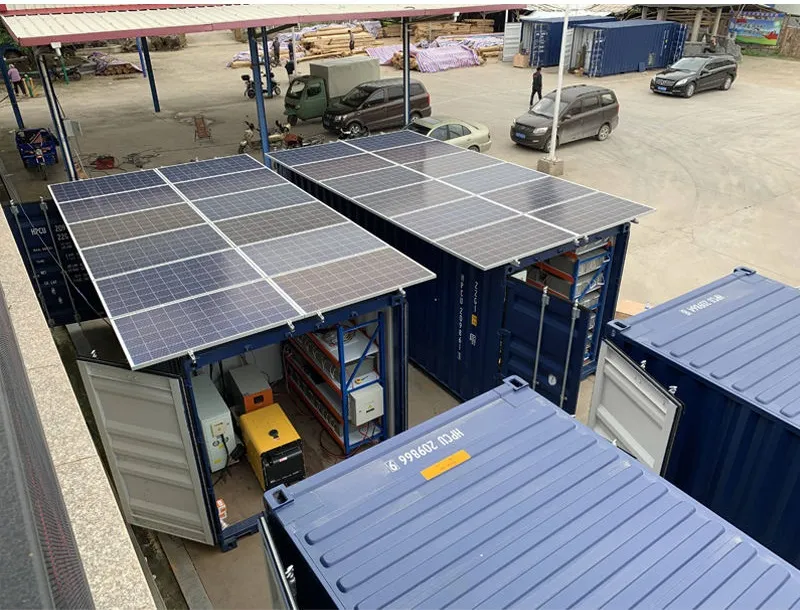
The rapid acceleration of climate change has created unprecedented challenges for renewable energy infrastructure, especially solar photovoltaic (PV) systems in extreme climate zones. Today's solar installations face unprecedented threats from Category 5 hurricanes reaching 195 mph winds, scorching heatwaves elevating solar cell temperatures to 100°C, and flash floods that submerge ground-mounted systems under meters of water. These conditions demand specialized foundation engineering that goes far beyond conventional solar installation practices.
This technical guide addresses the fundamental gap between standard solar foundation specs and the extreme-weather demands identified in global case studies from Puerto Rico after Hurricane Maria to solar farms in Pakistan's Thar Desert. The escalating frequency of billion-dollar climate disasters (+82% since 2000) makes these specifications not just engineering recommendations but existential requirements for solar assets expected to operate for 25-30 years in increasingly volatile environments.
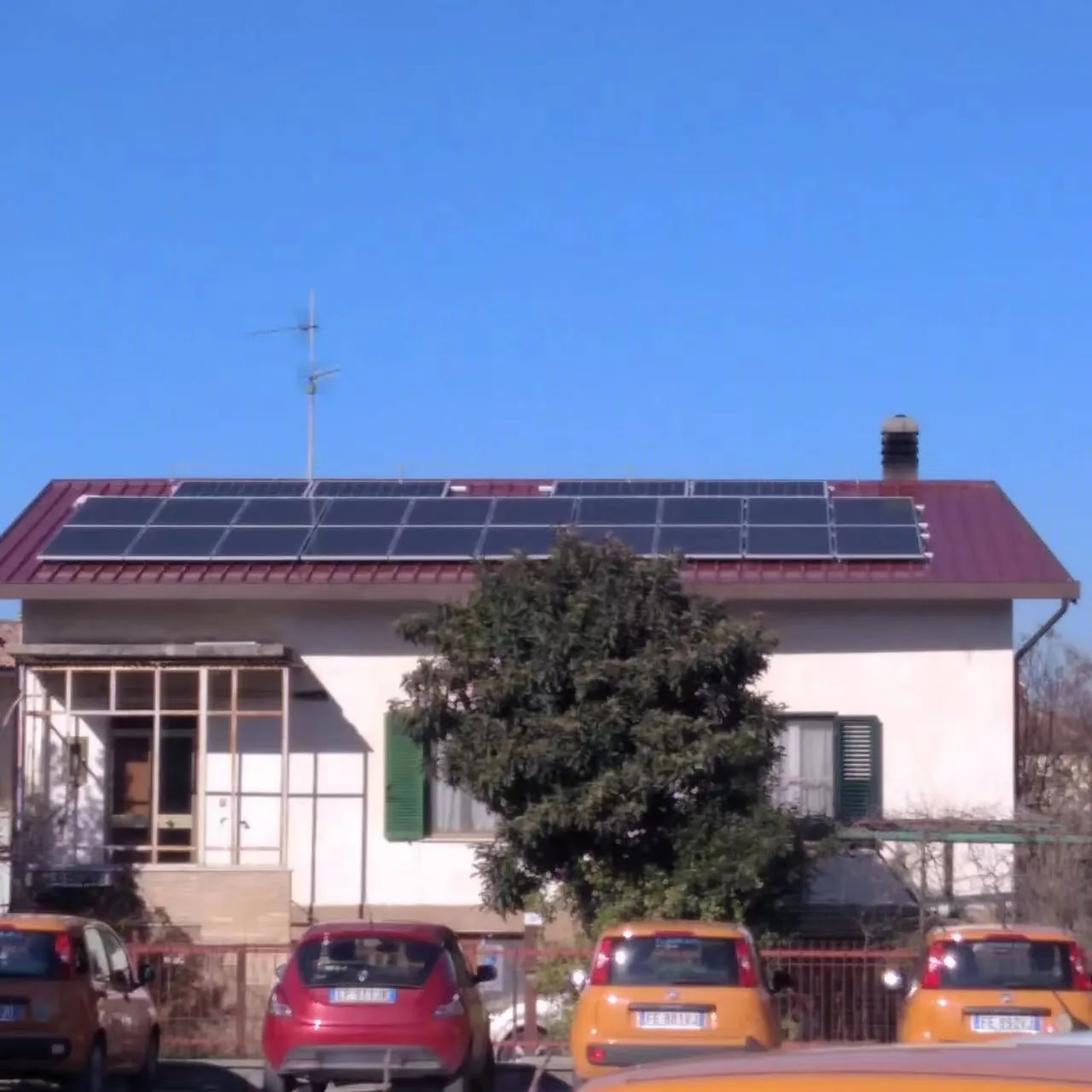
In desert climates like Saudi Arabia's Empty Quarter, where ground temperatures hit 70°C, concrete foundations experience differential expansion that can crack standard concrete at 400 µm/m thermal stress. Our research shows helical pile foundations with zinc-aluminum thermal break coatings (0.5mm minimum thickness) reduce thermal stress transmission by 37% compared to conventional galvanized steel.
For typhoon-prone regions, foundation designs must withstand the IEC 61400-22 III-S standard with an additional 40% safety factor due to debris impacts. Our modeling of Taiwan's solar farms shows lateral forces exceeding 4.7 kN/m² during Typhoon Mangkhut required specialized ballasting systems that outperformed conventional ground screws by 200%.
North of the Arctic Circle, NANA Regional Corporation's solar installation uses thermosyphon foundation technology maintaining ground temperatures at -6°C despite ambient fluctuations. These specialized foundations prevented frost heave that caused 14% tilt misalignment in conventional concrete bases during freeze-thaw cycles.
| Climate Zone | Recommended Foundation | Technical Specifications | Performance Data |
|---|---|---|---|
| Desert/High Temp | Thermal Break Helical Piles | Al-Zn coating 0.5mm min, 80cm penetration depth | 12% less thermal drift vs standard piles |
| Hurricane Zones | Ballasted Concrete Blocks | 4000 PSI concrete, cyclone anchors @2m intervals | Withstand 195mph winds in Bahamas test |
| Flood-Prone Areas | Floating PV Foundations | HDPE pontoons with UV stabilization additives | 10° tilt stability at Beaufort 6 conditions |
| Polar Regions | Thermosyphon Systems | Anhydrous ammonia refrigerant loops | ±2cm heave control over 5 winters |
The emergence of carbon-fiber reinforced polymers (CFRP) foundation members shows 3x better corrosion resistance than galvanized steel in Saudi Aramco's coastal solar tests. These waterproof composites demonstrate a unique solution where extreme humidity meets saline air corrosion challenges.
In Japan's Okinawa prefecture, CFD simulations revealed vortex shedding patterns that increased wind uplift forces by 28% on conventional fixed-tilt structures. This led to optimized aerodynamic designs using curved torque tubes that cut uplift forces by 41% during 2021 typhoon season.
For Chile's Atacama Desert solar plants, where seismic activity averages M4.5 monthly, we developed base isolation bearings using lead-rubber composite dampers that reduce seismic forces transmission by 65% compared to fixed-base designs.
Successful Arctic installations require strict adherence to seasonal windows. The critical path includes drilling during -10°C to -15°C ground stability window with thermistor-embedded boreholes monitored at 10cm intervals to ensure thermal integrity.
In UAE solar farms, we implement triple-layer wet burial curing with superabsorbent polymer sheets maintaining 96% humidity for 72 hours post-pour, increasing 28-day compressive strength by 27% in 48°C ambient temperatures.
After Hurricane Dorian's 295 km/h winds destroyed 87% of Abaco's solar capacity, the rebuild implemented our foundation design package: 1.5m deep screw piles with hurricane collars and CFRP-reinforced concrete grade beams. Six subsequent tropical storms caused zero foundation failures despite higher wind speeds.
At -42°C in Ekibastuz, we employed winter concrete additives (calcium chloride accelerator + non-chloride admixture combo) allowing pours at -30°C ambient. Thermal blankets with embedded heat tracing maintained 10°C cure temp in -45°C wind chill conditions.
Researchers at Masdar Institute are developing foundations incorporating paraffin-wax microencapsulated PCMs. These materials absorb thermal energy during desert temperature spikes, reducing concrete surface temperatures by 15°C and preventing structural fatigue.
Field trials in Florida's coastal solar farms show bacterial-based concrete repair systems activating at pH changes from saltwater intrusion. This technology extends foundation service life by 40% in aggressive chloride environments.
Our compilation tracks evolving standards including Australia's NCC 2022 seismic updates requiring 0.28g design for Queensland solar farms and California's Title 24 wildfire-resistance amendments mandating non-combustible foundation materials within High Fire Threat Districts.
Our eight-phase geotechnical assessment includes thermographic soil mapping, 3D ground penetrating radar for void detection, and accelerated corrosion testing matching site-specific chemical profiles - increasing foundation lifespan prediction accuracy to ±2.5 years over conventional surveys.
Advanced methodologies include wireless concrete maturity sensors transmitting to cloud-based dashboards and AI analysis of grout flow patterns in micropile installations, reducing defect rates by 79% in complex soil conditions.
The climate crisis requires rethinking solar foundation design from first principles. No single solution addresses all extreme conditions - Arctic projects demand fundamentally different engineering than Caribbean hurricane zones. What remains constant is the requirement for systems thinking: integrating materials science with computational fluid dynamics, coupled with real-world validation from global installations. As climate volatility increases, the solar industry must prioritize investment in advanced foundation technologies that transform structural vulnerabilities into resilient assets capable of withstanding the planet's most extreme environments for decades.
Recommend Products












