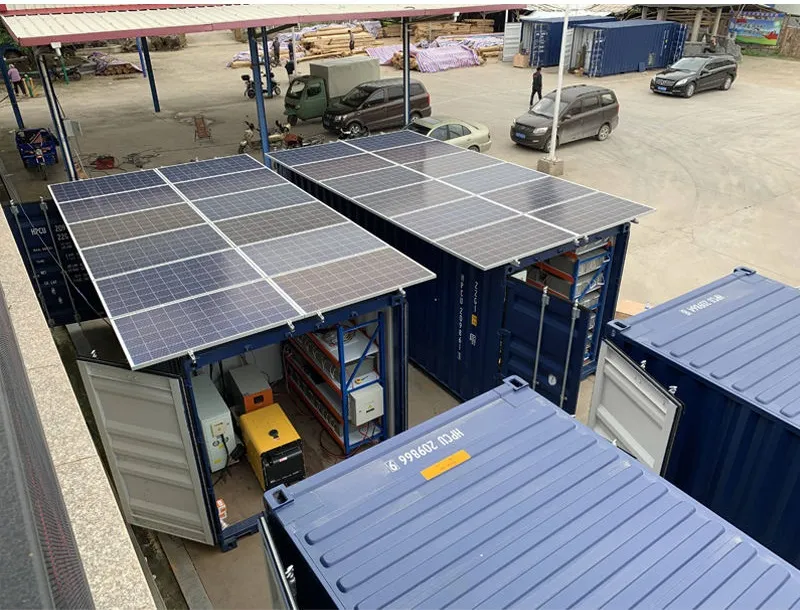
Everything you need to navigate prices, incentives, and savings for your solar journey this year
Let's cut to the chase – solar isn't just for eco-warriors anymore. With electricity bills climbing faster than your teenager's appetite, going solar in 2025 is like finding money in your winter coat. The magic happens through net metering where your meter spins backward as you pump unused energy back to the grid. Imagine your power company sending you checks instead of bills!
Real talk: The average homeowner slashes their energy bills by 60-90% after installation. That’s hundreds of dollars back in your pocket yearly, even after accounting for panel maintenance.
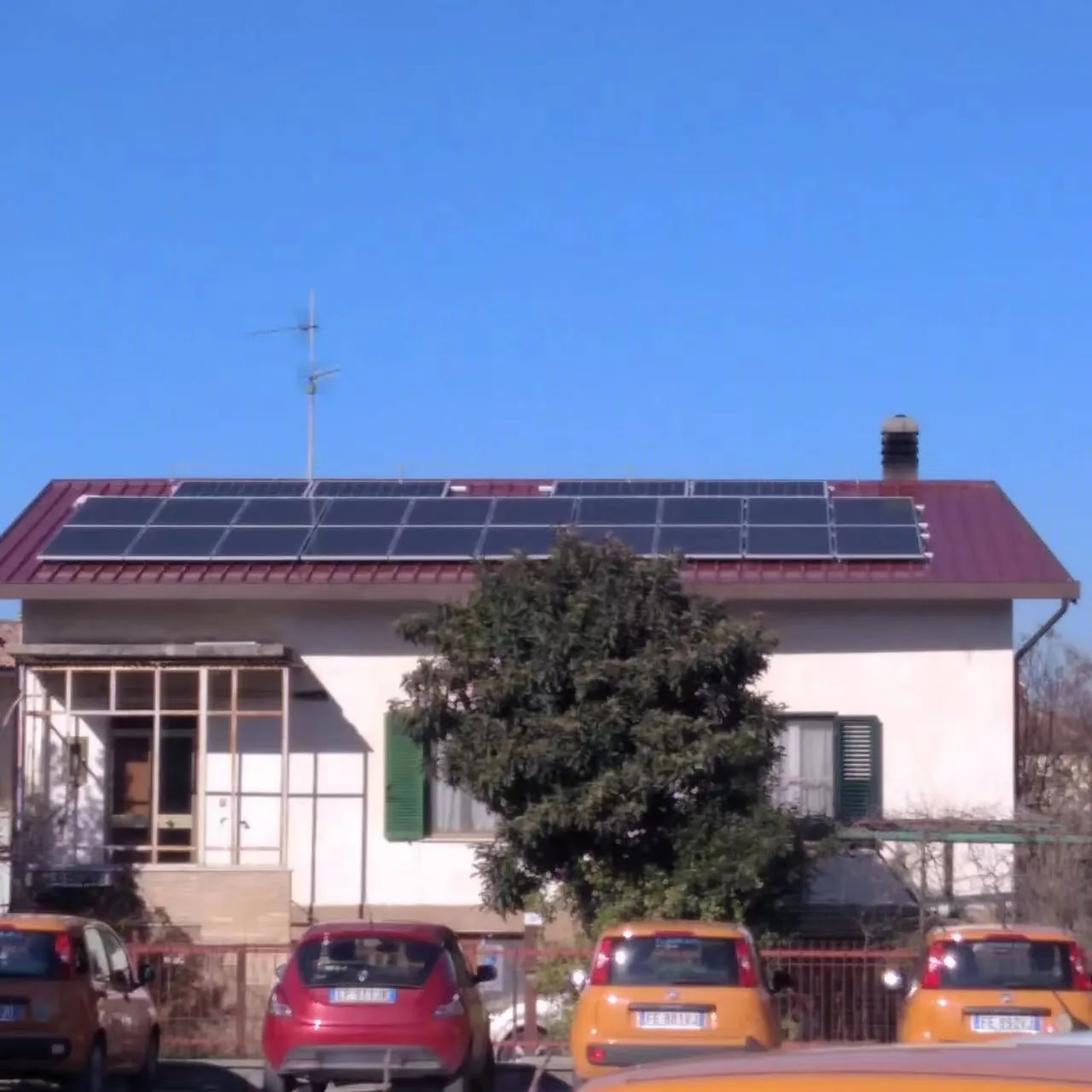
| System Size | Avg. Gross Cost | After 30% Tax Credit | Payback Period |
|---|---|---|---|
| 6 kW (1,200 sq. ft home) | $18,000 | $12,600 | 6-8 years |
| 8 kW (2,000 sq. ft home) | $24,000 | $16,800 | 7-9 years |
| 10 kW (3,000 sq. ft home) | $30,000 | $21,000 | 8-10 years |
The table covers the big picture, but your location matters too. Arizona roofs soak up more sun than Seattle homes – meaning smaller/cheaper systems can generate the same power. Financing also plays huge: leasing can mean $0 down but forfeiting tax credits, while cash purchases maximize long-term savings.
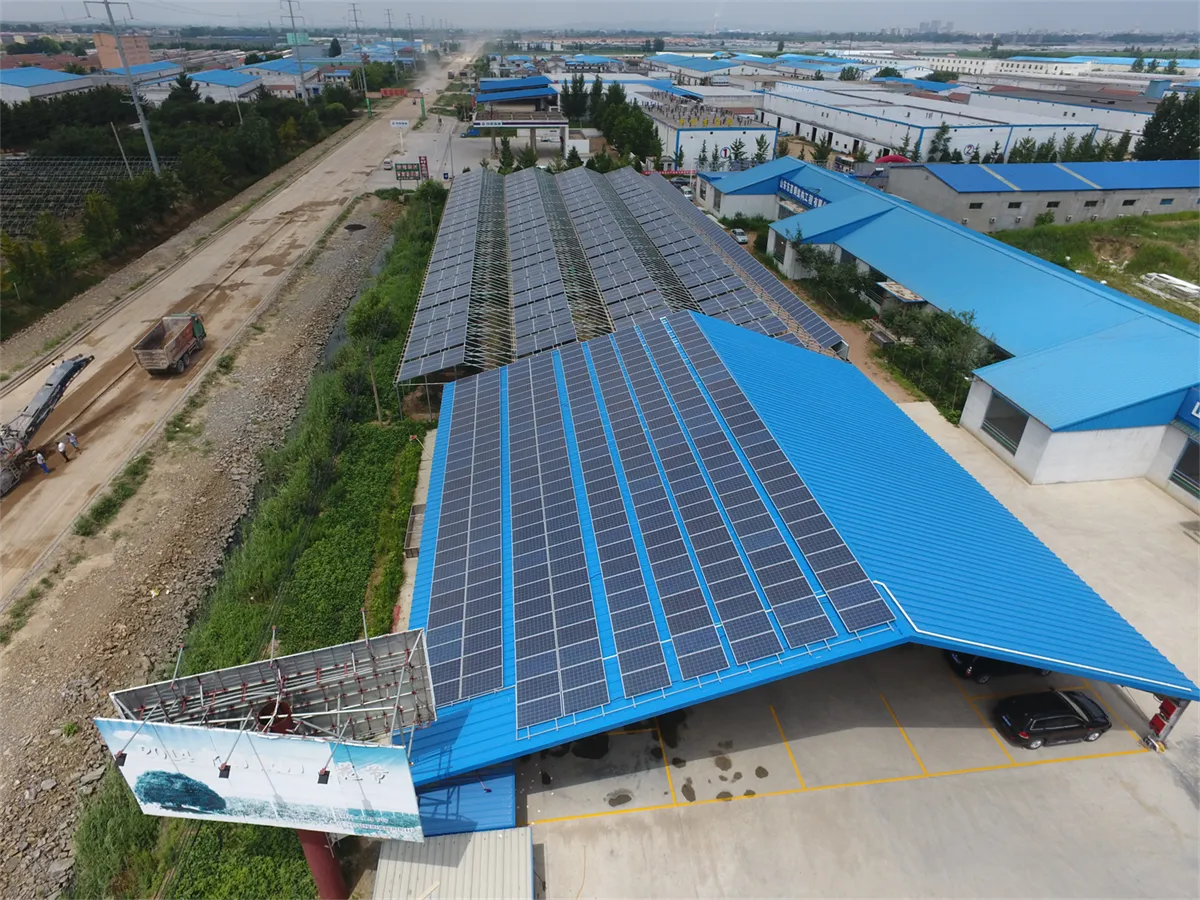
This year, pairing panels with batteries like the Tesla Powerwall transforms your home into a fortress against blackouts. Modern batteries store solar juice for nighttime use or grid failures, adding about $10,000-$15,000 to your system cost. But here’s why neighbors are biting:
Hot tip: When considering suppliers, look for china solar panel manufacturer partners with tier-1 certifications. Their mass-production advantage has slashed panel prices 40% since 2020 without compromising quality.
Not all solar deals sparkle. Watch out for:
Always demand three itemized bids and check references. A neighbor's referral beats any flashy sales pitch. Ask about how they'll handle snow loads or hurricane strapping – that's where cheap proposals cut corners.
The 30% federal tax credit steals headlines, but state-level goodies get overlooked:
Non-profit Solar United Neighbors hosts free “Solar Co-ops” where group buying slashes prices another 10-15%. Their members saved average $3,200 on installs in 2024. This collective bargaining power makes solar achievable on modest salaries.
Recommend Products