


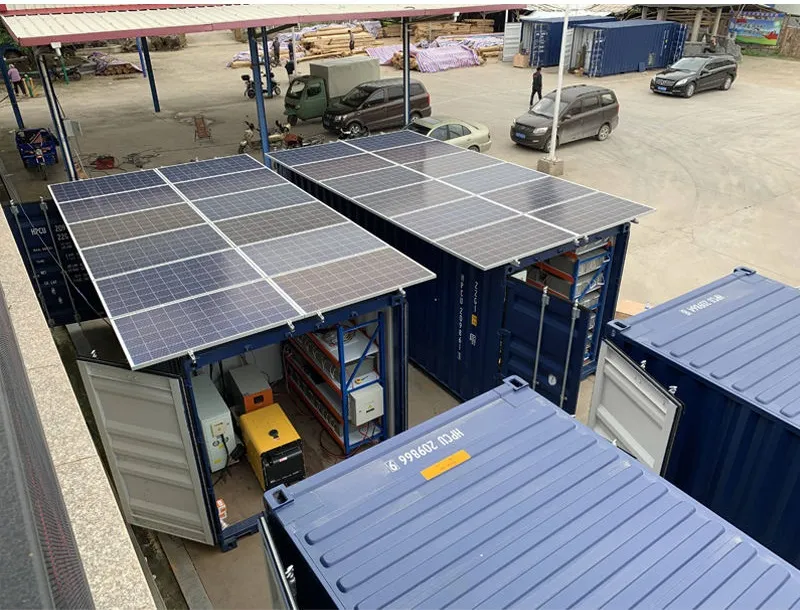
Understanding what those percentage points really mean for your solar investment—and how to squeeze every drop of energy from your panels
Why Efficiency Matters More Than You Think
Ever notice how solar panel ads throw around numbers like "22% efficiency" like they're handing out candy? Here's the real scoop: efficiency simply measures how much sunlight hitting your panels actually gets turned into usable electricity. A 20% efficient panel? It's converting one-fifth of that free sunshine pouring onto your roof into power for your home.
Efficiency determines how many panels you'll need and how much roof space they'll eat up. Higher efficiency might cost more upfront but can be cheaper long-term when space is tight or aesthetics matter. Think of it like choosing between a compact sports car or a bulky SUV—both get you there, but one does it in style.
Here's the kicker: most homeowners focus solely on price per watt. Smart money looks at efficiency too. Why? Because in cloudy Kentucky or rainy Seattle, squeezing 5% extra efficiency from your panels could be the difference between eliminating your electric bill and still paying half of it.
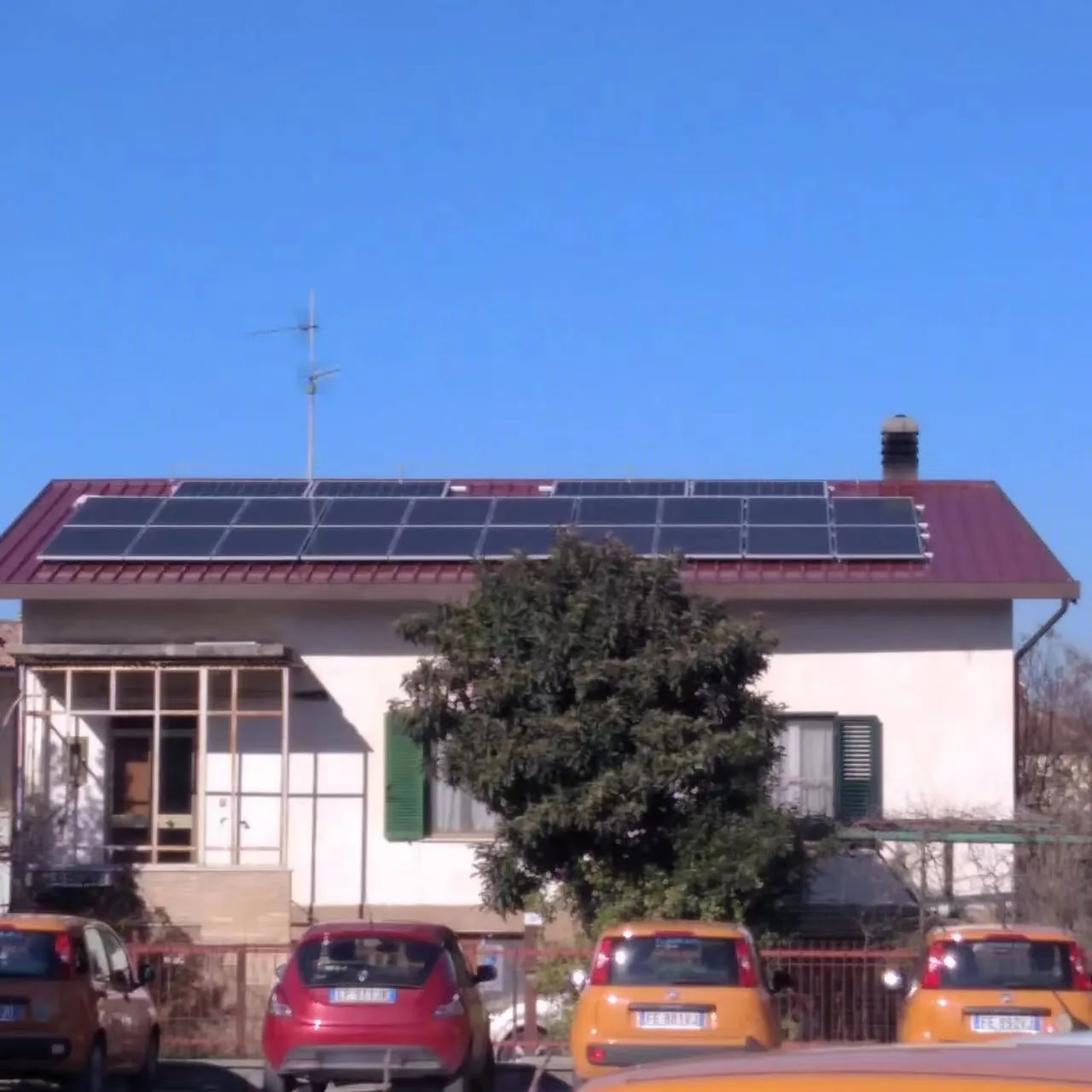
Breaking Down the Efficiency Numbers
Let's cut through the technical fog. Manufacturers test panels under perfect lab conditions (25°C, no clouds, specific light intensity). Real-world performance? Typically 10-15% lower thanks to:
- Aging: Panels lose about 0.5% efficiency yearly
- Heat: For every degree above 25°C, efficiency dips by 0.5%
- Dirt/Debris: A dusty panel can lose up to 25% output
- Shading: Just one shaded cell can crater performance
Now let's decode those techy terms manufacturers love:
Monocrystalline Silicon
: The sleek black panels. Efficiency: 15-22%. Made from single silicon crystals—more efficient but pricier.
Polycrystalline Silicon
: Blue-ish panels. Efficiency: 13-16%. Made from silicon fragments—less efficient but budget-friendly.
Thin Film
(Cadmium Telluride/CIGS): Flexible panels. Efficiency: 10-13%. Works better in heat/shade but needs more space.
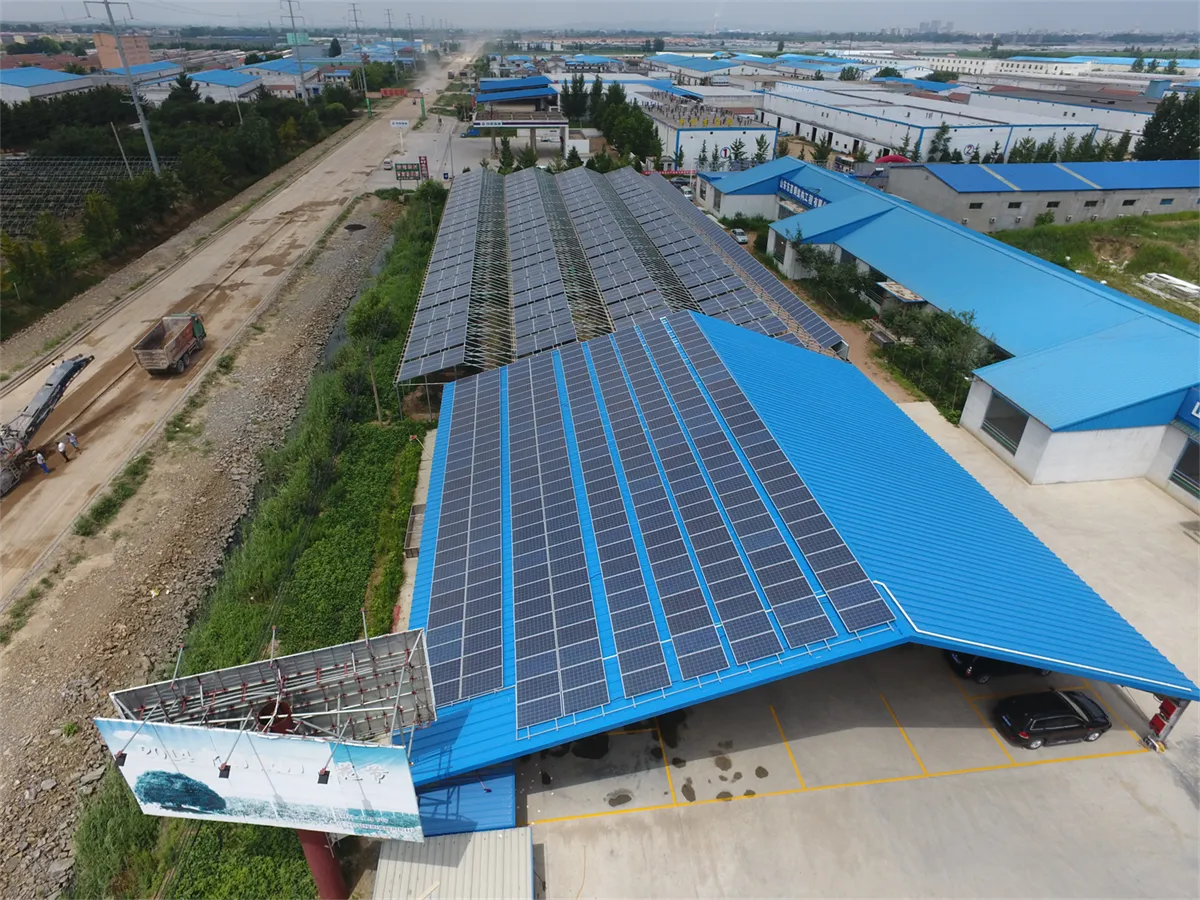
Real Improvements You Can Make Today
You don't need new panels to boost performance. Start with these no-brainers:
- Smart Placement : Avoid chimney shadows and angle panels to your latitude (Kentucky sits at ~38°). Morning sun is golden—east-facing panels outperform west-facing ones.
- Keep 'Em Clean : Twice-yearly gentle hose-downs remove 90% of efficiency killers. For pollen season? Soft brush + squeegee works wonders.
- Cooling Tactics : Leave 6-inch airflow gaps under panels. Dark roofs? Install light-colored backsheets. Heat is your enemy.
- Tree Trimming : That beautiful maple stealing sunlight? Strategic pruning beats panel relocation costs any day.
"I bought 'good enough' 16% efficiency panels to save $2,000. Big mistake! Now I wish I'd paid extra for 22% panels—would've fit all my energy needs on the south-facing roof section without ugly side installs." — Jim L., Lexington solar owner
Troubleshooting tip: If your system underperforms, check for:
- Cracked cells (look for fine lines)
- Snail trails (dark streaks indicating corrosion)
- Hot spots (places noticeably warmer—thermal cameras help)
Choosing Hardware That Maximizes Efficiency
Hardware choices matter more than most installers admit. Consider:
Microinverters vs. String Inverters : Micros fix shading issues but cost 15-20% more. Strings work best in unshaded spaces.
Optimizers : DC optimizers help shaded panels contribute without bringing down the whole system.
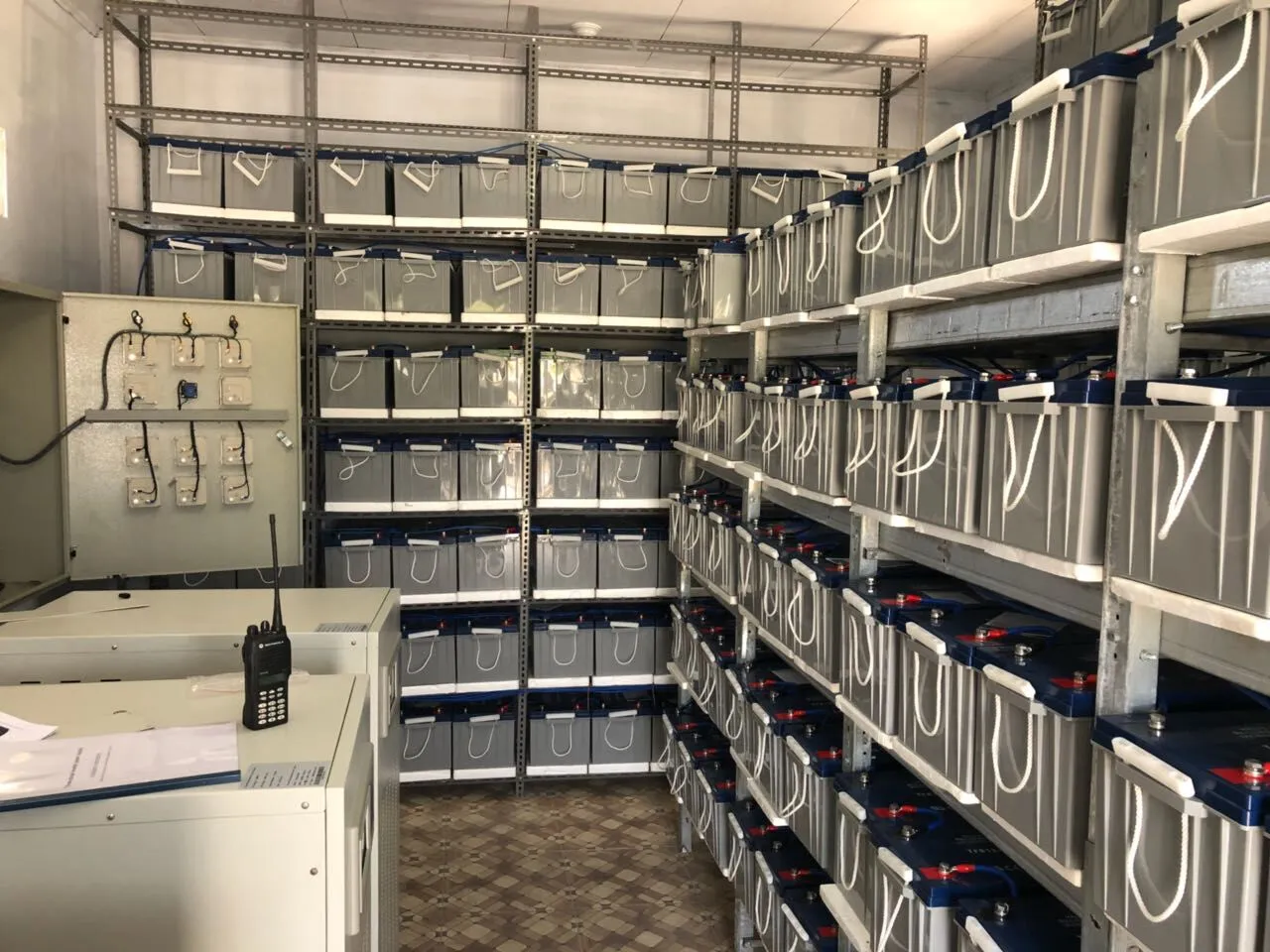
Batteries & Net Metering : Since Kentucky's 2020 net metering changes, excess solar earns less. Batteries like Tesla Powerwall store midday surplus for nighttime use—boosting your effective efficiency.
And those warranty promises? They're useless if the company vanishes. Stick with installers who:
- Offer workmanship warranties >10 years
- Have NABCEP-certified techs
- Provide system performance guarantees
Financial Efficiency: Getting the Most Bang For Your Buck
Higher efficiency panels typically cost 25-50% more per watt but can slash installation costs where space is limited. Run the numbers:
Scenario
: Small Kentucky ranch needing 6kW system
Standard Panels
(16% eff): 20 panels @ $2.81/W → $16,860
Premium Panels
(22% eff): 14 panels @ $3.20/W → $17,920
Difference: +$1,060 upfront
Savings: 30% less racking/mounting labor
Payback
: 3-5 years in avoided installation costs
Don't forget these Kentucky-specific incentives:
- 30% Federal Tax Credit (until 2032!)
- Net Metering (still offers some credit)
- Property Tax Exemption for added home value
Future-Proofing Your Solar Investment
New tech is coming fast. While today's max is ~23% efficiency, here's what's around the corner:
Perovskite Tandem Cells : Lab efficiencies above 30%. Combines traditional silicon with light-sensitive crystal layers.
Bifacial Panels : Capture sunlight bouncing off roofs/ground—adds 10-20% output.
Self-Cleaning Coatings Hydrophobic surfaces shed dust—cut maintenance and boost efficiency 2-5%.
Planning ahead? Consider:
- Ask about future battery/panel compatibility
- Leave space on roof for additional panels
- Ensure inverters can handle higher voltages
The Bottom Line: Work Smart, Not Hard
Chasing maximum efficiency? Your time is better spent:
- Getting 3+ quotes focusing on cost per kWh (not watt)
- Checking installer longevity >5 years
- Prioritizing battery storage with net metering cuts
- Partnering with solar panel suppliers who provide quality materials and reliable warranty coverage
Final tip: Don't just count watts—count peace of mind. A system designed for your specific roof, climate, and electricity habits beats raw efficiency numbers any day.










