
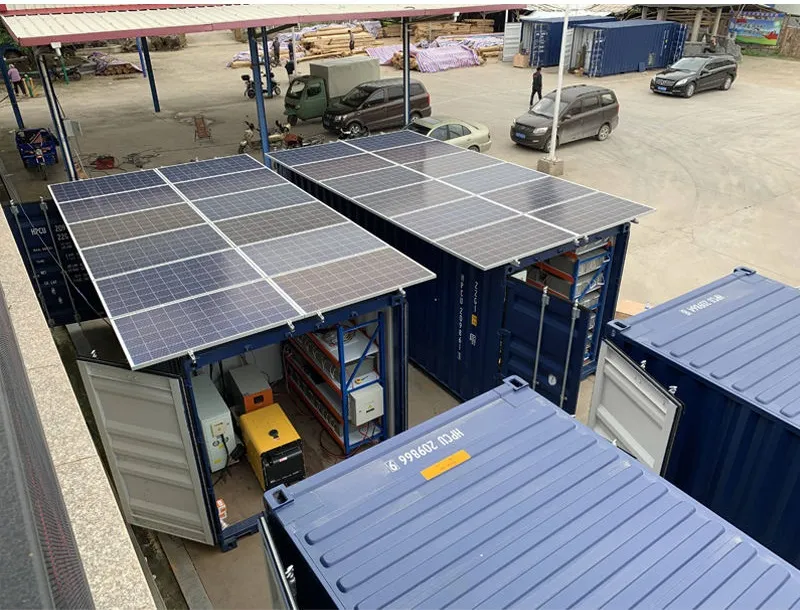
So you're thinking about going solar - smart move! But here's something many folks don't realize: your solar panels are just one part of the equation. The real magic happens with the supporting cast of accessories that turn sunlight into usable power for your home or RV. Getting these components right isn't just technical stuff; it's about peace of mind knowing your system will work when you need it most.
Over coffee this morning, I talked with a client who'd gotten burned by cheap accessories. His system kept failing on cloudy days, and his monitoring app showed crazy power fluctuations. Turns out he'd skimped on the charge controller and used bargain-bin connectors. That's like buying a fancy sports car and putting bicycle tires on it! Don't make that mistake – the right accessories make your solar investment actually deliver on its promise.
Think of your inverter as the interpreter between your solar panels and your home appliances. Your panels speak "DC" (direct current), but your gadgets only understand "AC" (alternating current). That little box on your wall? It's doing all the translating work.
You've got two main choices here: string inverters (where panels are chained together) and microinverters (each panel gets its own personal translator). Microinverters cost more upfront, but they're like having a multilingual tour guide for every panel - if one panel gets shaded or dirty, it doesn't drag the whole team down. String systems are more budget-friendly initially but act like old Christmas lights where if one bulb goes out...
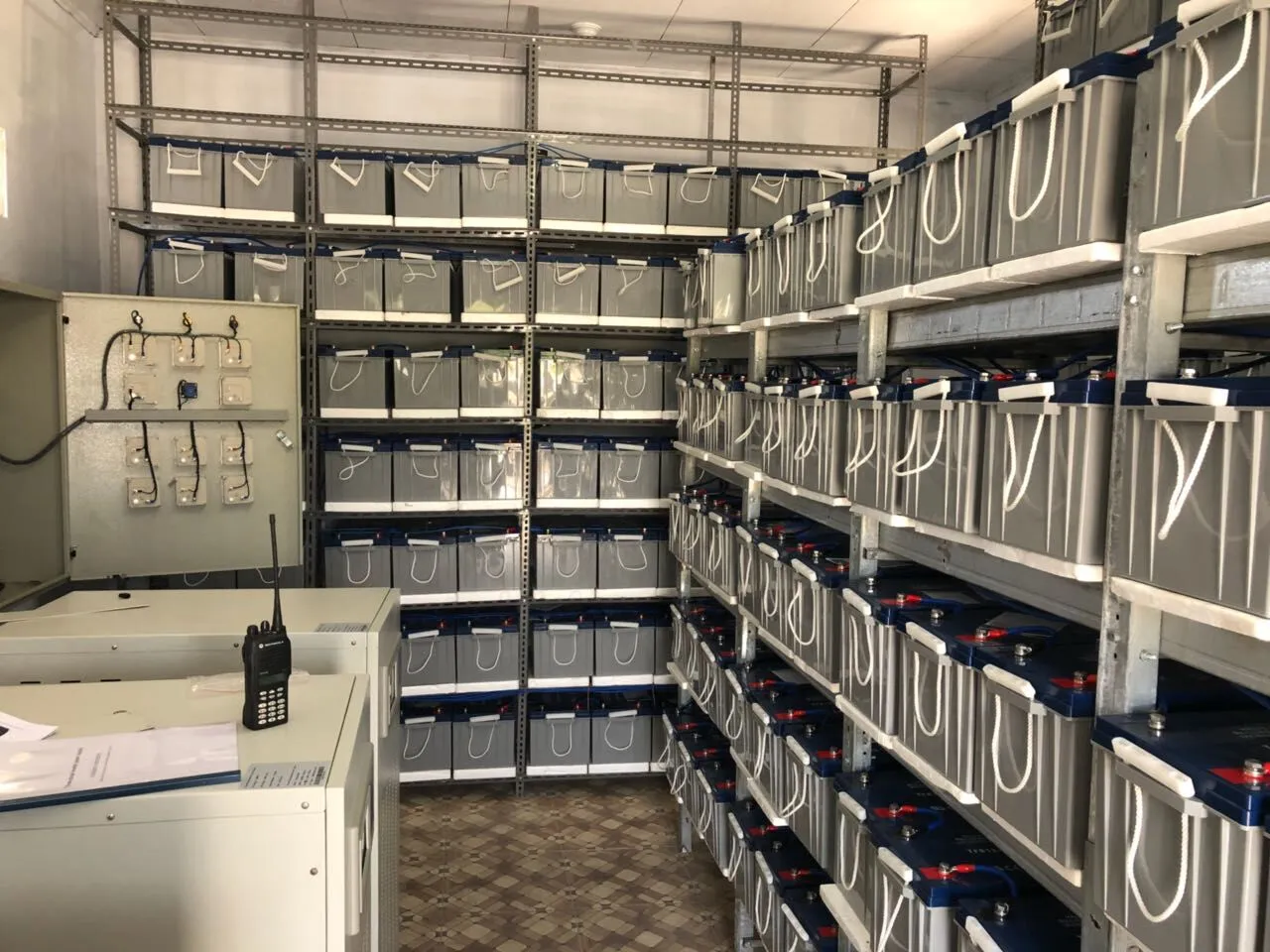
Batteries are your system's pantry, storing sunshine for rainy days (literally). When night falls or clouds roll in, your batteries kick in so you're not left in the dark. There's a reason battery choices make solar pros get passionate - they're that important.
The options range from affordable flooded lead-acid batteries (think 'ol reliable truck') to sleek lithium batteries (the sports cars of energy storage). AGM and gel batteries fill the middle ground - maintenance-free and leak-proof, perfect for tricky installations. Your choice comes down to lifestyle: weekend camper? RV nomad? Off-grid homesteader? Each needs a different storage solution.
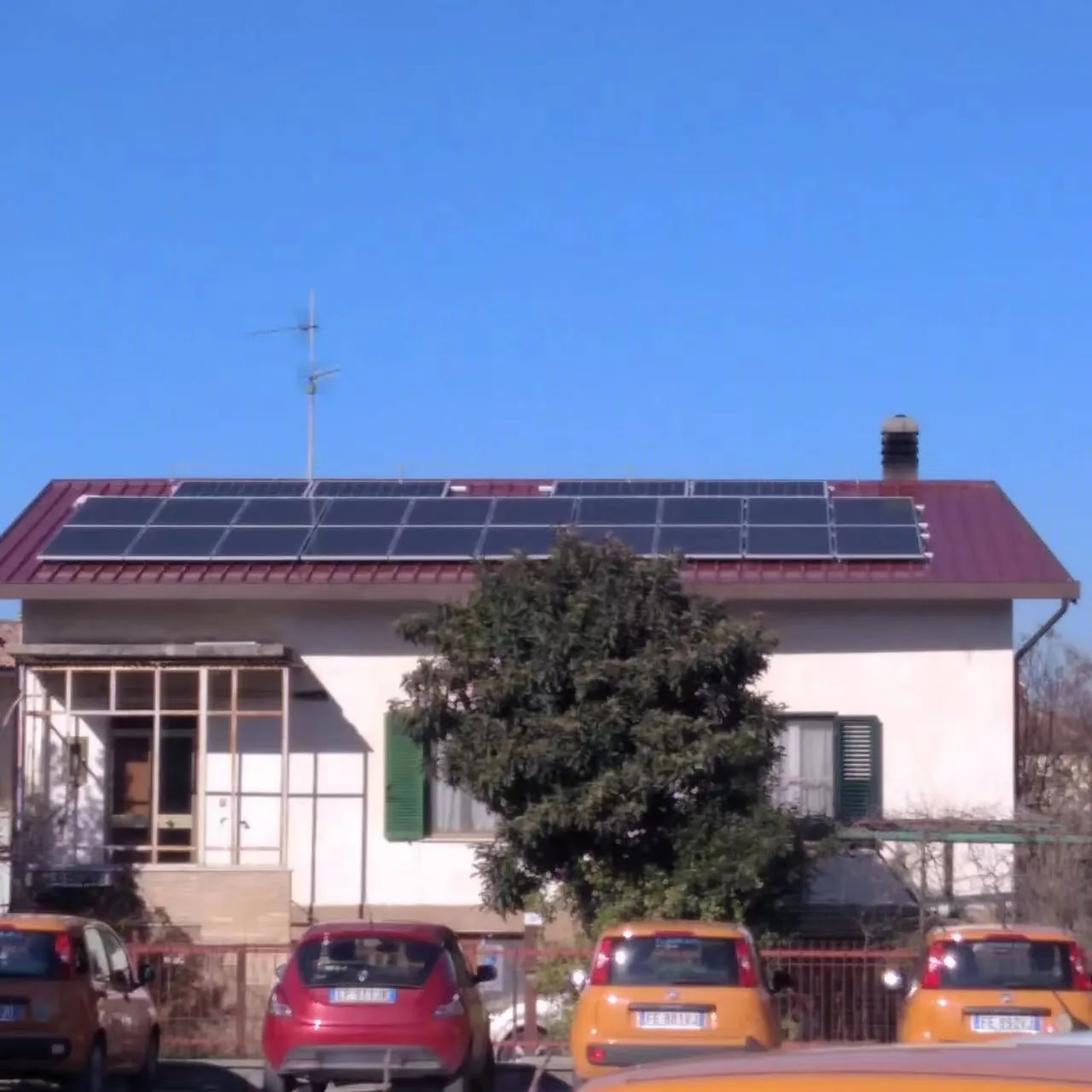
These are the nervous system of your setup - carry power where it needs to go safely. Don't cheap out here; I've seen melted connectors turn into fire hazards. The MC4 connector is the industry standard for good reason – they're tough, waterproof, and foolproof to connect. When wiring your system:
Think of it like plumbing: you wouldn't run garden hoses for your home's main water lines. Good wiring means less energy loss and zero fire worries.
This gadget is your battery's personal trainer and bodyguard rolled into one. It pushes your batteries to peak performance while preventing overcharging. Two types rule the market:
| MPPT | Squeezes 25% more power from panels | Handles different voltage inputs | Worth the investment for larger systems |
| PWM | Budget-friendly for small setups | Simple and reliable | Best with matched panel/battery voltages |
An RV owner told me switching to MPPT made her panels work like they'd gotten a caffeine boost – coffee for your solar system!
Always buy at least 25% more capacity than your specs show. Hot days degrade performance, dust happens, and you might expand later. Future-you will send thank-you notes!
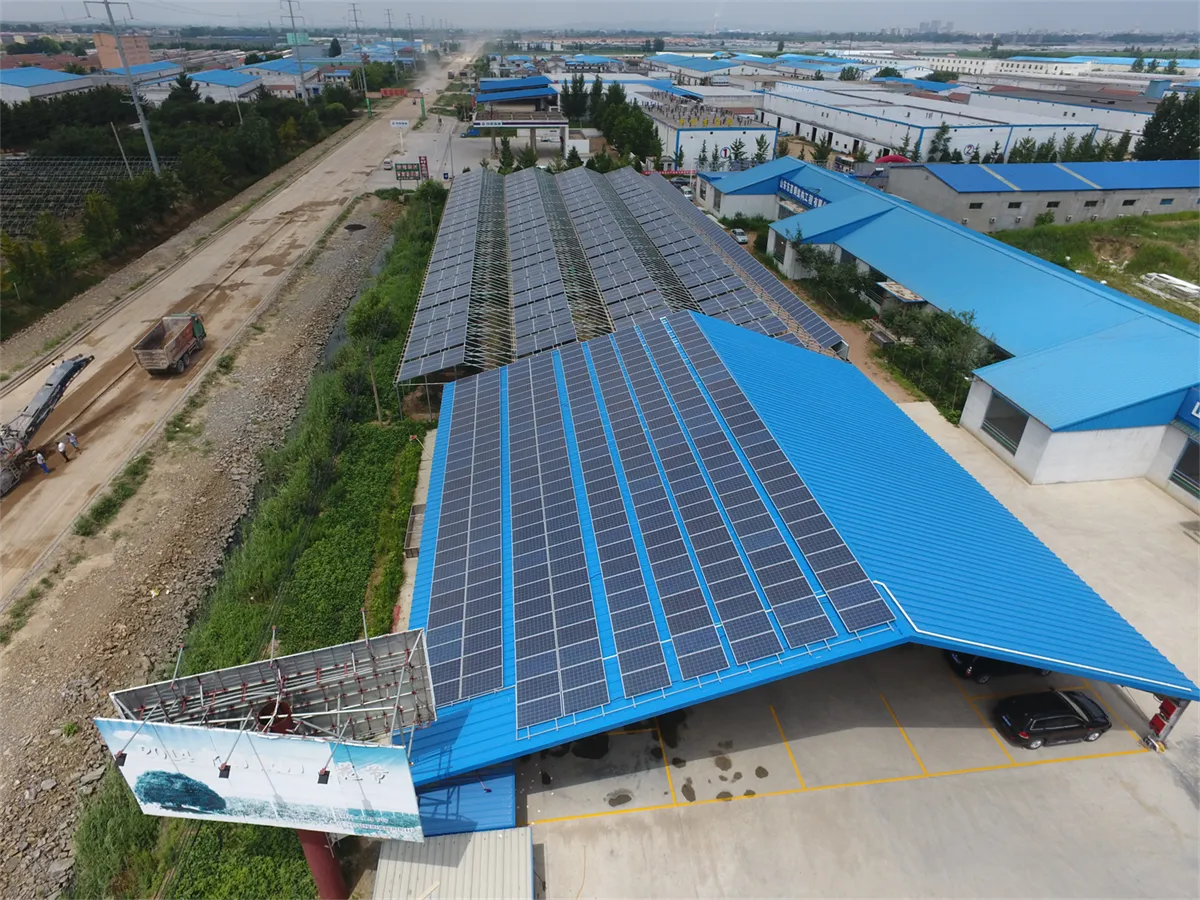
These are your system's personal dashboard. Good monitoring means you spot problems before they become disasters. Modern systems let you:
A client caught a failing panel because his app showed a 15% drop in one zone - turned out birds had built a nest! Without monitoring, he'd have seen his bill creep up for months without understanding why.
Mounting systems are your panels' foundation. The right racking means your panels survive storms and keep perfect sun-angle year-round. Choices range from simple roof hooks to adjustable ground mounts.
Pro installation tip: Check your roof's load capacity first! Those sturdy aluminum racks add weight, especially with snow. Ground mounts avoid this but need proper anchoring so your panels don't become giant kites in a storm.
These are the emergency stop buttons for your system. They let you cut power instantly during maintenance or emergencies. Never skip these - you might think "I'll never need it," but when lightning strikes nearby, you'll be glad for that quick shutoff switch.
Think of this as your system's switchboard. Instead of a rat's nest of wires from multiple panels, everything routes neatly into this central hub with fuses and breakers protecting each line. It's the difference between an organized control room and a spaghetti disaster.
Lightning strikes and power surges kill more solar systems than anything else. A $100 surge protector can save thousands in fried electronics. Install one where power enters your system and before critical components.
Solar installations using high-quality building materials consistently outperform budget setups in storm-prone areas. Quality gear costs less long-term than replacing cheap components every few years.
Assembling a solar system isn't just about selecting parts; it's about understanding how they interact. That inverter needs to play nice with your battery chemistry. Those MC4 connectors must match your wire gauge. Monitoring should communicate with every smart component.
The best approach? Start backwards. Ask yourself:
Aim for harmony between components rather than chasing superstar pieces. The most efficient system isn't always the fanciest one - it's the where every part complements the others.
Most solar fails happen during installation. Let's avoid common traps:
Improper grounding causes slow, mysterious system failures. Use copper grounding rods driven at least 8 feet deep, and connect all metal parts together with heavy-gauge wire. Lightning takes the path of least resistance - make sure it's not through your electronics!
Burying wires? Use PVC conduit rated for underground use. Run it deeper than you think - frost lines and shovel-wielding gardeners can ruin your day. Above ground? EMT metal conduit looks cleaner than exposed wires and prevents critter damage.
Solar needs surprisingly little care, but skip these basics at your peril:
Building a solar system reminds me of baking – skip a key ingredient, and the whole thing flops. But get every component right, and it's pure magic. Those accessories? They're not just add-ons; they're what turn solar panels from rooftop decorations into power-producing workhorses.
The big question I get: "Is it worth the effort?" Last month I visited a family whose accessories-heavy system survived a week-long power outage while neighbors ran generators. Watching their lights stay on while kids did homework in warm rooms? Yeah, that's worth every connector and controller.
Recommend Products












