
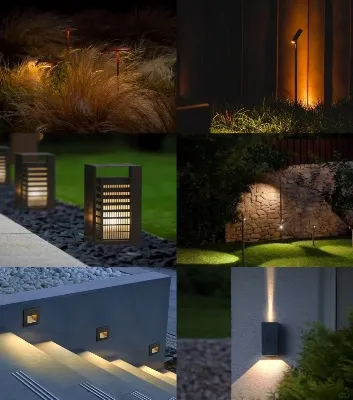
You know that feeling when the sun dips below the horizon and your garden disappears into darkness? With solar LED garden lights, you don't need complicated wiring or expensive electricians – just smart choices. But here's the catch: not all solar lights are created equal.
I've seen folks grab the first cute solar light they spot at the hardware store, only to have it fade out after a week like a firefly trapped in a jar. Or worse, get waterlogged during the first rainstorm. The secret? Digging into three critical categories before you buy.
Before you get dazzled by solar light options, do a reality check. Is your garden actually solar material? This isn't about sun worship - it's pure solar science.
Here's what kills solar light performance:
Don't worry though, I've solved solar lighting puzzles from Canada's frozen yards to London's misty gardens. One client had glorious magnolia trees creating romantic shade - terrible for solar charging. Our fix? We became sunlight detectives - finding the spots that got at least 6 hours of sunlight like secret sunlight pockets. Where trees blocked everything? We suggested trimming a few branches. Sometimes solar just won't work in certain spots.
Quick Climate Compatibility Guide:
| Region | Avg. Winter Temp | Sunlight/Day | Recommendation |
|---|---|---|---|
| Tropical Areas | 20°C-30°C | 8-12 hours | Solar lights' paradise! |
| Mild Climates | 5°C-15°C | 6-8 hours | Works fine if shadows are minimal |
| Northern Europe | -5°C-5°C | 3-5 hours | Needs backups/battery heaters |
| Canadian Winters | -10°C-0°C | 4-6 hours | Specialized cold-weather systems only |
The golden rule? Solar lighting only performs as well as the sunshine it captures. Period.
When night falls, not all solar lights deliver what you actually need. How bright should they really be? And what about that warm cozy glow versus harsh security light?
Understand these lighting terms:
I always guide clients to match lumens to purpose. Want safety? Higher lumens deliver security lighting perfection. Want ambiance? Lower lumens create subtle mood lighting. And don't forget adjustable settings - they let you fine-tune the mood like dimming kitchen lights during dinner.
Ever wonder why your garden lights fade away by midnight? Battery capacity holds the answer. Just like your phone's battery - it determines performance.
The battery equation:
But even great batteries need TLC. Simple maintenance? Keep solar panels clean - dirt blocks sunlight like sunglasses on a cloudy day. replace fading batteries. These steps help stretch your lighting lifespan from years to decades.
Here's a secret: Batteries hate cold. Like ice cream hardening, lithium batteries struggle below freezing - meaning shorter winter performance unless your lights use special cold-weather models or insulation tricks.
Choosing solar lights isn't one-size-fits-all. Think of them like plants - place different types where they naturally thrive.
Light Type Field Guide:
| Light Type | Best Locations | Brightness Level | Key Features |
|---|---|---|---|
| Pathway Lights | Edging walkways | Low-Medium | Guide feet, easy spike installation |
| Wall Lights | Fences, house walls | Medium-High | Motion detection, security features |
| Post Lamps | Driveways, patios | High | Broad coverage, traditional look |
| Tree Lights | Wrapped in branches | Low | Pure decoration, whimsical effect |
Most gardens benefit from multiple types. One client combined pathway lights along her brick walk with wall lights near her garage (with motion sensors), and finished with twinkly tree lights around an old oak tree. Safety? Check. Security? Check. Charm? Through the roof. Each type has its place - no garden should settle for just one.
Don't get fooled by inflated numbers on boxes! Specifications are meaningless unless they represent reality.
Parameters that actually matter:
I've tested "20W" panels that actually put out 12W in reality. That difference? It means your lights glow for 4 hours instead of 8 on cloudy days. Bottom line? Trust verified performance data, not marketing poetry. Quality solar lights should last years, not seasons.
Ever notice solar lights seem moody? Positioning is everything.
Solar light placement rules:
Placement impacts charging efficiency and visual impact. Think of it like placing patio furniture - functionality meets aesthetics. If the sun doesn't see your panels, your lights won't see the night.
At the end of the day, solar garden lighting isn't just about pretty lights - it's transforming nighttime outdoor spaces sustainably.
Worth the investment? Absolutely! The electricity savings add up surprisingly fast. Unlike wired lighting, solar offers flexibility - rearrange as your garden evolves without rewiring hassles. Plus, the maintenance is typically minimal.
So choose wisely using these key parameters. Understand your local conditions, select the appropriate light types, and prioritize authentic technical specifications. When you do, solar lighting becomes truly transformative - creating enchanting spaces where your garden truly shines.
Recommend Products












