
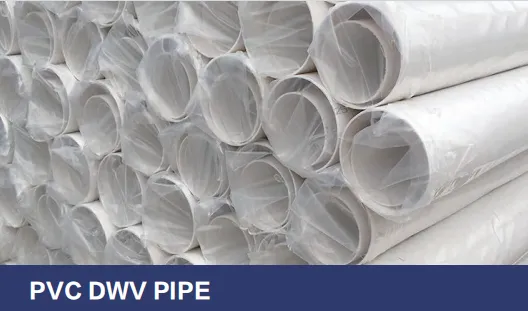
How a simple design feature in your pipes can transform daily comfort, cut maintenance headaches, and ensure long-lasting performance in homes and businesses.
Picture this: It's a busy weekday morning. You're rushing to get ready, the coffee's brewing, and the shower is running. Suddenly, you notice the sink isn't draining—water pools around your toothbrush, and a faint gurgle echoes from the pipes. Annoying, right? Or worse, imagine coming home to a flooded basement because a drainage pipe failed to carry away wastewater efficiently. These scenarios aren't just inconveniences; they're reminders of how much we rely on something we rarely think about: our building's drainage system.
Drainage, waste, and vent (DWV) systems are the silent workhorses of any structure, whether it's a cozy home, a bustling office, or a busy hospital. They whisk away everything from kitchen grease to shower water, ensuring our spaces stay clean, dry, and odor-free. But here's the truth: not all DWV pipes are created equal. The difference between a system that works seamlessly for decades and one that's prone to clogs, leaks, and costly repairs often comes down to one critical factor: flow resistance. And when it comes to minimizing flow resistance, few materials can match the performance of smooth interior PVC DWV pipes.
In this article, we'll dive into why these pipes are revolutionizing drainage systems, how their smooth design keeps water (and waste) flowing freely, and why choosing the right pvc dwv pipe supplier and pipes fittings supplier is just as important as the pipes themselves. Whether you're a homeowner planning a renovation, a contractor selecting materials for a project, or a facility manager focused on long-term efficiency, understanding the value of smooth interior PVC DWV pipes could save you time, money, and a lot of frustration.
Before we get into the "smooth interior" magic, let's start with the basics: What exactly are PVC DWV pipes? PVC, or polyvinyl chloride, is a synthetic plastic polymer known for its durability, affordability, and versatility. When we add "DWV" to the mix, we're referring to pipes specifically designed for Drainage, Waste, and Vent applications. Unlike pressure pipes (which carry water under force, like the PPR pipes you might find in a home's plumbing), DWV pipes rely on gravity to move water and waste through the system. That means their design must prioritize unobstructed flow above all else.
PVC DWV pipes are engineered with a few key features in mind: They're lightweight (making installation easier than heavy metal pipes), resistant to corrosion (so they won't rust or degrade from chemicals in wastewater), and designed to handle a wide range of temperatures. But the star of the show? Their interior surface. Unlike older materials like cast iron or even some types of UPVC (unplasticized PVC), modern PVC DWV pipes boast an ultra-smooth inner lining that's been precision-engineered to minimize friction between the pipe and the flowing water.
Think of it like driving on a freshly paved highway versus a bumpy dirt road. On the highway, your car glides along with less effort; on the dirt road, you slow down, hit potholes, and risk getting stuck. The same logic applies to water in pipes: a smooth surface lets water flow faster, with less turbulence, and carries waste particles along without letting them cling to the sides. This seemingly small detail is what makes PVC DWV pipes a top choice for architects, builders, and homeowners alike.
To truly appreciate smooth interior PVC DWV pipes, let's take a quick trip back to high school physics—don't worry, we'll keep it painless. Flow resistance, simply put, is the force that opposes the movement of water through a pipe. It's caused by friction between the water and the pipe's inner surface, as well as turbulence (swirling, chaotic water movement) created by rough or uneven interiors.
When a pipe's interior is rough—think of the pitted surface of old cast iron or the slightly textured finish of low-quality plastic—water molecules collide with these imperfections. This collision creates drag, slowing the flow and causing particles in the water (like hair, food scraps, or soap scum) to get caught. Over time, these trapped particles build up, leading to clogs. Even small clogs can disrupt the entire system: they reduce water flow, create backups, and increase the risk of leaks as pressure builds up behind the blockage.
Smooth interior PVC DWV pipes flip the script. Their non-porous, mirror-like inner surface minimizes friction, allowing water to flow in a more organized, laminar (streamlined) pattern. Imagine water molecules moving in parallel lines, gliding past each other with little resistance. This not only speeds up flow but also gives waste particles less chance to stick. In fact, many manufacturers refer to this as a "self-cleaning" effect: the faster, smoother flow helps flush away debris before it can accumulate.
But the benefits don't stop there. Reduced flow resistance also means less noise. Rough pipes create vibrations and gurgling sounds as water turbulence hits their surfaces; smooth PVC pipes, by contrast, operate quietly. For anyone who's ever been kept up at night by a noisy drain, this is a game-changer. And because water flows more efficiently, the system requires less energy to operate—though DWV systems rely on gravity, less resistance means fewer backups, which translates to less need for plungers, drain snakes, or professional plumbers.
To understand just how much smooth interior PVC DWV pipes excel, let's compare them to other common DWV materials. The table below breaks down key factors like flow resistance, installation ease, cost, and durability—so you can see why more and more professionals are making the switch.
| Material | Flow Resistance (Smoothness) | Weight | Installation Ease | Cost (Per Linear Foot) | Expected Lifespan | Maintenance Needs |
|---|---|---|---|---|---|---|
| Smooth Interior PVC DWV | Very Low (Mirror-like surface, minimal friction) | Light (5-8 lbs/10ft) | High (Lightweight, easy to cut/join with solvent cement) | $1.50-$3.00 | 50+ years | Low (Resistant to corrosion, self-cleaning) |
| Cast Iron | High (Rough, porous interior over time) | Heavy (40-60 lbs/10ft) | Low (Requires heavy lifting, specialized tools for cutting) | $10-$15 | 80+ years (but prone to rust and corrosion) | High (Prone to rust, may need periodic cleaning/repairs) |
| Copper | Moderate (Smooth but can develop mineral deposits) | Moderate (15-20 lbs/10ft) | Moderate (Requires soldering, skilled labor) | $8-$12 | 50-70 years | Moderate (Prone to pinhole leaks from corrosion, mineral buildup) |
| UPVC (Standard, Non-Smooth) | Moderate (Slightly textured interior) | Light (6-9 lbs/10ft) | High (Similar to PVC DWV) | $1.20-$2.50 | 40-50 years | Moderate (More prone to clogs than smooth PVC) |
As the table shows, smooth interior PVC DWV pipes strike an unbeatable balance. They're significantly lighter and cheaper than cast iron or copper, easier to install, and offer far lower flow resistance than both traditional materials and even standard UPVC. Their long lifespan (often exceeding 50 years) and minimal maintenance needs make them a cost-effective choice over time, even if upfront costs are slightly higher than the cheapest alternatives.
Take cast iron, for example. While it's durable, its weight makes installation a two-person job, and its rough interior becomes a magnet for clogs as it ages. Copper, too, has its merits, but its smoothness can be compromised by mineral deposits in hard water areas, and soldering joints requires skilled labor. Standard UPVC, while affordable, lacks the ultra-smooth finish of specialized DWV PVC, making it more prone to buildup over time.
Smooth interior PVC DWV pipes aren't just for one type of building—their versatility makes them ideal for a wide range of spaces. Let's explore how they shine in different environments:
In homes, DWV pipes handle everything from kitchen sink runoff to bathtub water and toilet waste. Here, smooth interior PVC pipes excel at preventing the clogs that plague busy households. Think about how much goes down a typical kitchen drain: food particles, oil, and soap scum. A rough pipe might trap these, but smooth PVC's fast flow flushes them through. In bathrooms, hair and shampoo residue are common culprits; again, the self-cleaning effect of smooth interiors reduces the need for weekly drain cleaners or plunging.
Homeowners also appreciate the quiet operation. Unlike cast iron, which can clang and gurgle, PVC DWV pipes dampen sound, making for a more peaceful living environment. And because they're lightweight, they're easier to install in tight spaces like crawlspaces or between floor joists—saving time and labor costs during construction or renovations.
Offices, restaurants, and retail stores see heavy usage daily. A restaurant kitchen, for instance, deals with constant water flow, food waste, and grease. A clogged drain here isn't just an annoyance—it can shut down service. Smooth interior PVC DWV pipes stand up to this demand, with their corrosion-resistant material and efficient flow ensuring minimal downtime. Similarly, in retail spaces, where restrooms are used by hundreds of people daily, reliable drainage is critical to maintaining a positive customer experience.
Facilities like hospitals and schools have unique needs. Hospitals require systems that are easy to clean and resistant to bacteria growth—PVC's non-porous surface fits the bill. Schools, meanwhile, need durable, low-maintenance systems that can handle the chaos of hundreds of students. While these spaces often prioritize specialized materials (like class a fireproof cpl inorganic board for walls), their DWV systems benefit equally from smooth PVC pipes. The efficiency of these pipes reduces the risk of standing water, which can harbor germs, and their longevity means fewer disruptions for repairs.
Even in light industrial environments—like workshops or small factories—PVC DWV pipes prove their worth. They resist chemicals commonly found in industrial wastewater, and their smooth interiors prevent buildup of abrasive particles. While heavy industrial settings might require more specialized piping, for many applications, PVC DWV offers a cost-effective, reliable solution.
Even the best smooth interior PVC DWV pipes won't perform well if installed incorrectly. Proper installation is key to maximizing flow efficiency and lifespan. Here are some critical tips to keep in mind:
DWV systems rely on gravity, so pipes must be sloped correctly. The general rule is a minimum slope of 1/4 inch per foot for horizontal pipes (e.g., a 10-foot pipe should drop 2.5 inches from start to end). Too little slope, and water flows too slowly, allowing particles to settle. Too much slope, and water races ahead, leaving solids behind. A skilled installer will calculate the ideal slope based on pipe size and location.
Fittings—elbows, tees, wyes, and traps—are just as important as the pipes themselves. Sharp 90-degree elbows, for example, can create turbulence and increase flow resistance. Instead, opt for long-radius elbows (which have a gentler curve) to maintain laminar flow. It's also crucial to use fittings designed specifically for DWV systems, as they're engineered to minimize resistance. This is where partnering with a reputable pipes fittings supplier comes in: they'll ensure you have access to high-quality, compatible fittings that work seamlessly with your PVC DWV pipes.
DWV systems need vents to allow air into the pipes, preventing a vacuum that can slow flow or siphon water from traps (the U-shaped pipes under sinks that block sewer gases). Proper venting ensures water flows freely and odors stay out of living spaces. Installers must follow local building codes for vent placement and sizing, but smooth PVC pipes complement this by reducing the pressure buildup that can strain vent systems.
Even small errors can cause big problems. Over-tightening pipe clamps, for example, can crush or distort the pipe, creating rough spots that catch debris. Using the wrong solvent cement (or applying too little) can lead to leaks. And failing to clean pipe ends before joining them can result in weak bonds. Working with experienced installers and using products from a trusted pvc dwv pipe supplier minimizes these risks.
You've decided on smooth interior PVC DWV pipes—now, how do you choose where to buy them? The right pvc dwv pipe supplier isn't just a vendor; they're a partner in ensuring your project's success. Here's what to look for:
Not all PVC DWV pipes are made the same. Look for suppliers who adhere to strict quality standards, like ASTM D2665 (the standard for PVC DWV pipes in the U.S.) or EN 1453 (European standards). Certifications from organizations like NSF International (which certifies products for health and safety) are also a good sign. A reputable supplier will gladly share their certification documents and test reports—don't hesitate to ask.
Your project may need pipes of different diameters (from 1.5 inches for sinks to 4 inches for toilets), as well as a variety of fittings. A good supplier should offer a full range of sizes and, so you can get everything from one source. This ensures compatibility and saves time coordinating with multiple vendors. Bonus points if they stock specialty items, like sound-insulating pipes for noise-sensitive areas or extra-thick pipes for high-traffic commercial projects.
Even experienced contractors sometimes have questions. Does the supplier offer technical support? Can they help you determine the right pipe size for a specific application, or advise on installation best practices? A supplier with knowledgeable staff shows they care about your success, not just making a sale.
Construction projects move fast, and delays are costly. Choose a supplier with a track record of on-time deliveries and consistent stock. Avoid suppliers who frequently run out of key products or have long lead times. Reading reviews from other contractors or checking references can give you insight into a supplier's reliability.
More and more builders are prioritizing sustainability. Ask if the supplier uses recycled materials in their pipes or has eco-friendly manufacturing processes. PVC is inherently durable (reducing the need for replacements), but responsible sourcing adds another layer of value.
Remember, the cheapest option isn't always the best. A slightly higher upfront cost from a reputable supplier often translates to better quality, fewer headaches, and long-term savings. After all, the last thing you want is to replace faulty pipes a few years down the line because you cut corners on the supplier.
The world of building materials is always evolving, and PVC DWV pipes are no exception. Here are some emerging trends to watch:
Manufacturers are finding ways to make PVC more eco-friendly. This includes using more recycled content in pipe production and developing processes that reduce energy use and emissions. Some companies are even exploring biodegradable additives (though PVC's longevity remains a key benefit, so this is balanced with durability).
Imagine pipes that can alert you to leaks before they cause damage. Some innovators are integrating sensors into PVC DWV pipes to monitor flow rates, pressure, and temperature. These smart pipes can send data to a central system, allowing facility managers to spot issues like clogs or leaks early—saving time and money on repairs.
While solvent cement is the standard for joining PVC pipes, manufacturers are experimenting with new joint technologies. Push-fit connections, for example, could make installation even faster, reducing labor time. These joints would still need to maintain the smooth interior profile to avoid increasing flow resistance, but early prototypes show promise.
As buildings become more specialized, so too will their DWV systems. We may see pipes tailored for extreme temperatures (for desert or Arctic climates), antimicrobial pipes for healthcare settings, or ultra-lightweight pipes for high-rise construction. The goal is to make PVC DWV pipes even more versatile and efficient for niche applications.
Smooth interior PVC DWV pipes may not be the most glamorous part of a building, but they're undeniably one of the most important. They reduce clogs, lower maintenance costs, operate quietly, and last for decades—all while being affordable and easy to install. Whether you're building a new home, renovating an office, or managing a hospital, these pipes offer a simple, effective solution to one of the most basic human needs: reliable drainage.
But remember, the pipes are only as good as the supplier and installation behind them. Choosing a reputable pvc dwv pipe supplier and pipes fittings supplier ensures you get high-quality products that work together seamlessly. And investing in proper installation—with attention to slope, fittings, and venting—guarantees those pipes perform at their best for years to come.
At the end of the day, smooth interior PVC DWV pipes are more than just a building material. They're an investment in peace of mind. They're the reason you don't have to worry about clogged drains on a busy morning, the reason your restaurant kitchen can keep serving meals without interruptions, and the reason hospitals can focus on patient care instead of plumbing problems. So the next time you turn on a faucet or flush a toilet, take a moment to appreciate the smooth, silent work of your DWV system—and be glad it's built with quality in mind.
Recommend Products












