
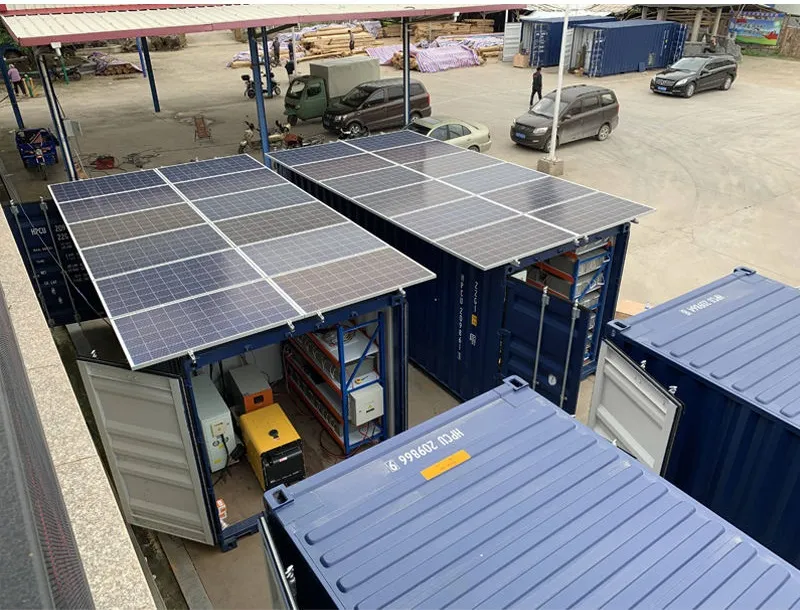
How intelligent energy systems are transforming our relationship with power generation
You walk outside on a crisp morning, coffee steaming in your hand, and notice something different about the solar panels lining rooftops across the neighborhood. They're not just shiny rectangles soaking up sunlight anymore. There's a quiet intelligence humming within them – an entire ecosystem of power generation, optimization, and communication. This is the new reality of smart solar technology.
What's happening behind the scenes isn't merely technical wizardry. It's a fundamental shift in how we harvest sunlight. By integrating optimizers and monitoring functions directly into panels, we're not just getting more electricity. We're creating a relationship with our homes and buildings where power becomes a responsive, living system rather than a static resource.
"The energy revolution isn't just about collecting sunlight – it's about understanding it. With integrated optimization, solar panels are becoming conversational partners in our energy ecosystems."
Traditional solar setups remind me of those music boxes with dancing figurines. Wind them up, they perform the same predictable motion until the spring unwinds. Modern intelligent solar arrays are different – they're like jazz ensembles constantly improvising around the solar rhythm. At the core of this transformation are panel-level optimizers that give each photovoltaic module a voice in the energy chorus.
Consider how morning shadows work. On older arrays, when those tree shadows crept across just one corner of your roof, the whole string of panels would drop to the lowest performing module's level. It felt wasteful – like pouring out a full glass of water because one ice cube melted. Now, individual panel optimizers boost energy extraction like small coaches whispering to each section of the array: "Your side has shade? Work at your best possible rate anyway. We've got you covered."
The tangible benefits emerge in those ordinary moments that homeowners feel more than see:
This constant fine-tuning creates resilience. I remember visiting a family in Colorado whose integrated system handled three weather seasons in a single day – brilliant morning sun, afternoon hailstorm, and evening snow. Their monitoring dashboard showed blips and dips but never silence. Each panel self-adjusted to conditions like seasoned athletes adapting to a shifting playing field.
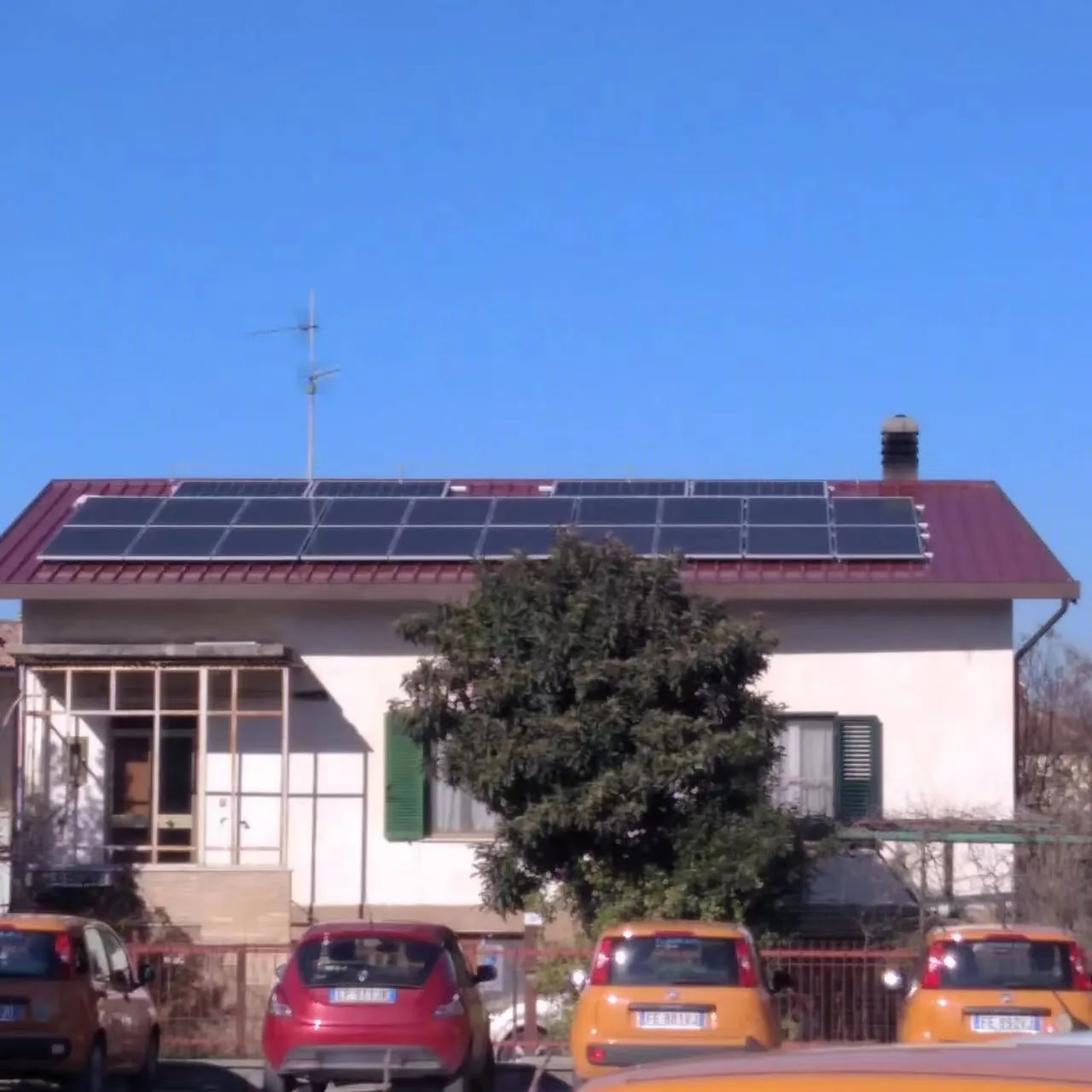
Monitoring functions transform solar arrays from silent appliances into communicative partners. The latest systems reveal more than kilowatt metrics – they tell stories about your relationship with sunlight. Through intelligent data interpretation, homeowners begin noticing patterns that feel personal:
"Tuesdays consistently underperform? That's when the neighbor's oak casts afternoon shadows."
"Production peaks at 10:37 AM? That's when reflections hit our west-facing panels from the pond."
The dashboard becomes a reflection of your home's conversation with the environment. One homeowner described it as checking a garden's progress – not just measuring vegetable yield but understanding how temperature, rain, and soil worked together to create the harvest.
"True intelligence emerges when systems don't just report problems but anticipate solutions. Smart panels that suggest optimal cleaning schedules based on dust accumulation patterns shift energy management from reactive to intuitive."
Advanced monitoring extends beyond technical specs. Consider the psychological shift when homeowners start receiving notifications like:
These personalized metrics connect technical performance to human experience. They transform abstract numbers into stories that resonate around dinner tables. I've witnessed children getting genuinely excited about energy dashboards when they're framed as family achievement boards.
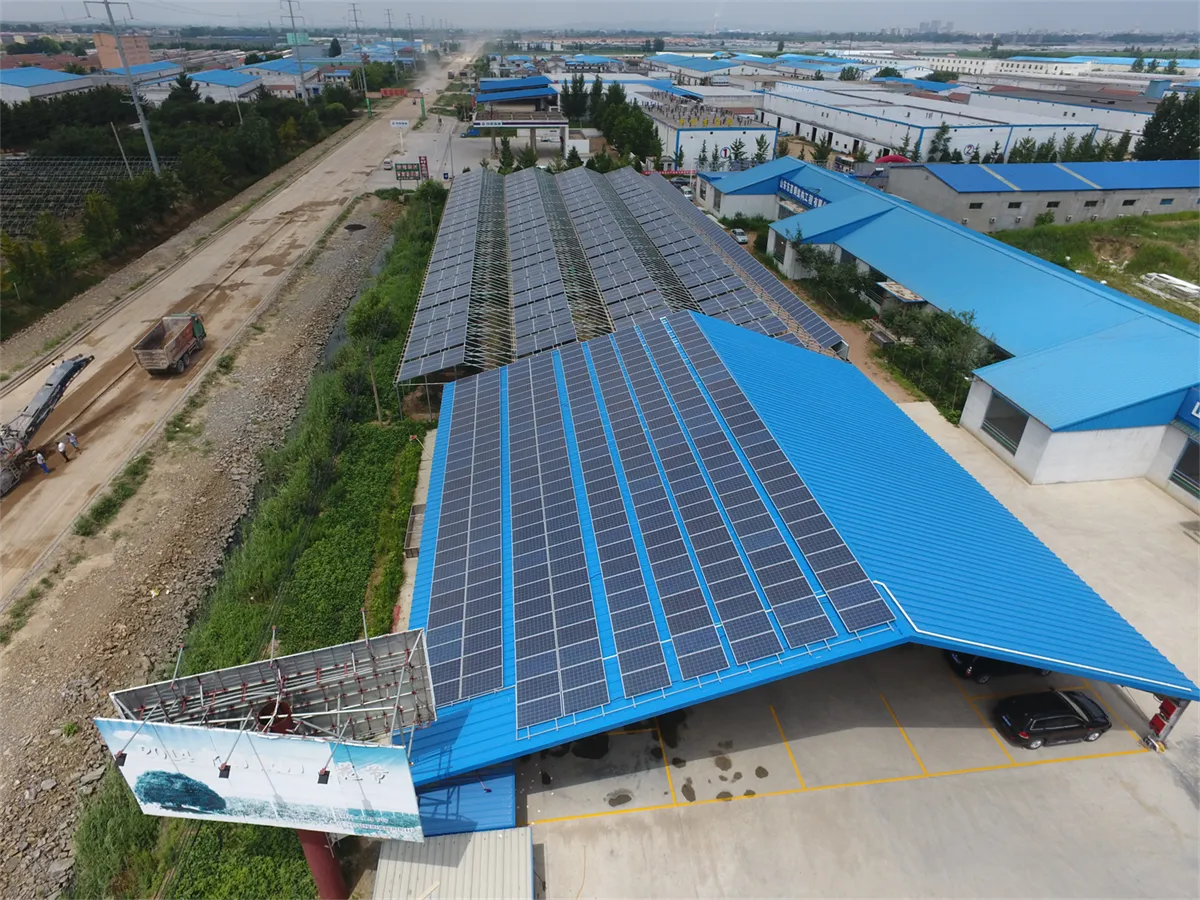
The magic happens when optimizers and monitors stop being "features" and disappear into the whole. Like noticing great sound design in movies only when it's absent, the best technologies become invisible partners. Manufacturers are now embedding intelligence directly into panel frames rather than adding external components. This evolution mirrors how phones absorbed cameras – transitioned from awkward clip-ons to seamless essentials.
Three subtle integrations changing the landscape:
The impact feels almost biological. Solar arrays become ecosystems rather than machines. One installer described watching integrated systems wake up at dawn as "observing electronic wildflowers turning toward the sun."
Industry pioneers report maintenance calls becoming thoughtful conversations rather than desperate SOS signals. Homeowners now notice slight variations and calmly ask: "Our panel #7 is singing a slightly lower tune today – what might it be telling us?" That shift from panic to partnership speaks volumes.
The most touching moments come from individual stories. Like Mrs. Henderson, whose monitoring system detected a pattern of minor dips every afternoon. Investigation revealed her neighbor's laundry routine coincided with chimney steam drifting across panels. Rather than technical adjustments, she simply coordinated laundry times – neighbors bonding over solar rhythms.
Or the Martinez family, whose optimizer data revealed how their children's chalk drawings on the driveway boosted production slightly by reflecting extra light. That accidental discovery became a Saturday ritual of art-powered energy harvesting.
"The genius of integrated systems isn't the peak efficiency numbers – it's the way they help homes and businesses discover their unique solar personalities."
Perhaps the greatest shift has been in perception. Solar energy used to be an "all or nothing" proposition – either fully committed to renewables or sticking with the grid. Today's smart systems facilitate graceful transitions. Their precise monitoring makes hybrid approaches viable:
This balanced approach has brought solar within reach for millions who found traditional all-or-nothing solutions impractical. It embraces the human reality that sustainability journeys are personal and incremental.
What excites me most are emerging integrations just beyond the horizon. Researchers are developing "training mode" installations – two-week periods where arrays study micro-environments before locking in optimization patterns. Imagine moving to a new home where your panels spend their first fortnight developing sun-chasing strategies tailored to that specific rooftop's personality.
Equally promising are peer-to-peer energy networks forming quietly between neighbors with smart systems. Your excess power doesn't just flow back to distant grids – it might travel next door to help bake the Johnsons' anniversary cake. Monitoring interfaces evolve to show these community connections as branching vines rather than abstract flow charts.
Maintenance becomes anticipatory rather than reactionary. Advanced systems tracking performance dips suggest: "Panel #4 would love its west corner nudged up 3° come spring" before any measurable loss occurs. This level of care transforms installations from appliances into partners deserving of thoughtful attention.
Ultimately, these technologies do more than boost efficiency. They transform our relationship with energy itself. Sunlight becomes less like mined coal and more like a visiting guest – welcomed into homes, understood through conversation, and bid farewell at dusk with appreciation. There's profound beauty in creating energy sources that feel less like machines and more like allies on our planetary journey.
As installations grow increasingly sophisticated yet paradoxically simpler to live with, we approach the holy grail: renewable energy that doesn't require constant attention, but rewards it generously. Systems that work their magic quietly in the background like conscientious gardeners tending to our power needs. That's the promise of integrated smart solar – not just panels, but energy partners whispering sunlight into our lives.
Recommend Products












