
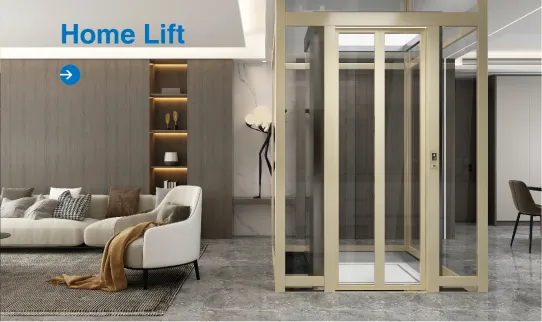
How modern residential elevators are transforming multi-story living — and what to look for when selecting one for your property.
A decade ago, the idea of having an elevator in a private home seemed like a luxury reserved for sprawling estates. Today, small elevators for homes have become a practical and increasingly common feature in residential properties around the world. Whether driven by the desire for future-proofing, accommodating family members with mobility challenges, or simply adding a touch of modern convenience, homeowners are recognizing that a well-chosen home lift is more than an indulgence — it is a smart long-term investment.
As the building materials industry evolves toward integrated, one-stop supply models, finding a reliable one-stop architectural solution provider that can deliver both elevators and complementary construction materials under one roof has become a key consideration for project developers and individual homeowners alike.
The shift toward multi-generational living has been one of the strongest drivers behind the growing demand for home elevators. As families stay together longer — with aging parents, young children, and everyone in between sharing the same roof — a home lift eliminates the physical barrier that stairs can become. Carrying groceries, laundry, or heavy furniture between floors becomes effortless, and the risk of stair-related falls drops significantly.
Beyond accessibility, property value is another compelling factor. Homes equipped with modern home elevators tend to stand out in real estate markets, appealing to buyers who think ahead about aging in place or who simply appreciate the convenience. In competitive neighborhoods, a residential elevator can be the differentiator that closes a sale.
A home lift is not just a convenience feature — it is an investment in accessibility, safety, and long-term property value that pays dividends for years to come.
Understanding the different drive systems is essential when evaluating best residential elevators for your project. Each type comes with its own set of advantages, space requirements, and ideal use cases.
Traction elevators use steel ropes or belts and a counterweight system to move the cab. They are known for smooth, quiet operation and energy efficiency. Modern machine-room-less (MRL) traction designs eliminate the need for a separate machine room, making them a popular choice for residential installations where space is at a premium.
Hydraulic systems use a piston and fluid to lift the cab. They are robust, can handle heavier loads, and tend to have a simpler mechanical design. However, they typically require a machine room and may have slightly higher energy consumption. They are often chosen for homes where heavy-duty performance is a priority.
A more recent innovation, pneumatic elevators use air pressure differences to move the cab within a sealed tube. They require no pit, no hoistway, and no machine room, making them one of the easiest options to retrofit into an existing home. Their transparent cylindrical design also gives them a distinct, futuristic aesthetic.
These systems use a threaded screw or chain mechanism to raise and lower the platform. They are often compact, self-supporting, and do not require a hoistway, which makes them suitable for tight spaces and retrofits. Installation is generally quicker than with traditional elevator types.
Choosing the right home elevator involves more than picking a model. Several practical factors will influence both the initial installation and the long-term satisfaction with the product.
Space and Layout: Determine where the lift will be placed. Some models require a dedicated shaft or pit, while self-supporting designs can fit into a corner, a closet, or the void of a staircase. Accurate measurements of the available footprint are essential before making a decision.
Weight Capacity and Cabin Size: Think about who will use the lift and what they will carry. A two-person cab may suffice for most families, but if wheelchair accessibility is needed, a larger cabin with a wider door opening becomes necessary.
Number of Floors Served: The travel height and number of stops will determine the required drive system and motor power. Most residential elevators serve between two and six floors.
Safety Features: Look for essential safety mechanisms including emergency stop buttons, backup power systems, door interlocks, overload sensors, and emergency communication devices. Compliance with local safety standards should be non-negotiable.
Maintenance Requirements: Every elevator needs periodic maintenance. Ask potential suppliers about service intervals, warranty terms, and availability of spare parts before committing.
Aesthetic Integration: A home elevator should complement the interior design of the residence. Materials, colors, lighting, and finish options for the cab interior and doors should be customizable to match the home''s style.
One of the challenges in residential construction and renovation is coordinating multiple vendors for different product categories. Flooring from one supplier, sanitary fixtures from another, and elevators from yet another creates complexity, delays, and often inflated costs. This is where the value of working with a comprehensive supplier becomes clear.
As a trusted home lift supplier, COLORIA GROUP offers more than just elevators. The company''s product portfolio spans 13 categories covering everything from walls, flooring, and ceilings to pipes and fittings, sanitary fixtures, customized furniture, home appliances, windows and doors, decorative profiles, lighting, and solar panels. This breadth means that project developers, contractors, and homeowners can consolidate procurement, streamline logistics, and ensure consistent quality across all building materials from a single partner.
COLORIA GROUP''s elevator lineup includes a dedicated home lift designed specifically for residential use, alongside hospital elevators, freight lifts, car lifts, commercial escalators, and moving walks. Each product is backed by the company''s commitment to quality, with an established presence that includes an overseas agent in Saudi Arabia and a headquarters in Foshan, China — one of the world''s most important manufacturing hubs for building and construction materials.
When you source your home elevator from COLORIA GROUP, you are not just buying a single product — you are tapping into a complete ecosystem of building materials and interior solutions that can serve every room and every floor of your project.
Selecting the right home elevator is a decision that blends practical engineering with personal taste. It starts with understanding your household''s specific needs — today and in the years ahead — and continues with evaluating the technical requirements of your space. The best outcome comes from working with a supplier who can offer not just a quality product, but also the guidance and comprehensive support that a major building project demands.
Whether you are building a new home, renovating an existing property, or developing a multi-unit residential project, the combination of a well-engineered home lift and a full range of complementary building materials from a single source can save time, reduce stress, and deliver a more cohesive result.
Ready to Explore Home Elevator Options?
COLORIA GROUP supplies a complete range of elevators — including home lifts, hospital elevators, freight lifts, and more — alongside 13 categories of building and interior materials. Whether you need a single home lift or a full-scale construction supply package, the team is ready to help.
Contact COLORIA GROUP today →Recommend Products












