
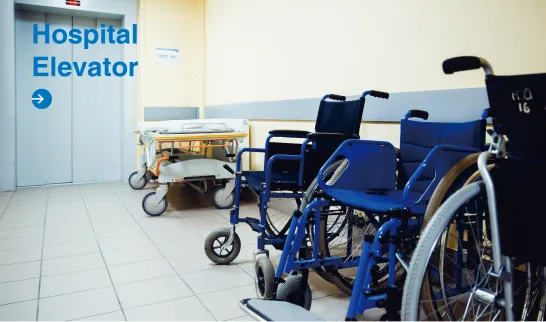
Hospitals are more than just buildings; they're spaces where healing begins. Every corner, from waiting rooms to patient suites, plays a role in shaping the experience of patients, visitors, and staff. Yet one often-overlooked area holds immense potential to impact mood and comfort: the elevator. In a setting where stress and anxiety run high, a well-designed elevator interior isn't a luxury—it's a necessity. It's a brief but critical moment where a sterile, utilitarian space can transform into a calming, human-centered environment. For healthcare facilities aiming to blend functionality with compassion, the elevator isn't just a mode of transport; it's a canvas for thoughtful design.
This is where one-stop architectural solution providers like Coloria step in. With decades of experience in crafting spaces that balance form and function, Coloria understands that modern healthcare demands more than just basic infrastructure. It requires solutions that address the unique needs of medical environments—safety, durability, sustainability, and yes, aesthetics. In this article, we'll explore how sleek hospital elevator interiors are redefining healthcare design, the key elements that make these spaces both beautiful and practical, and how Coloria's expertise in interior decoration materials and specialized products is leading the way in creating elevators that feel less like transit pods and more like extensions of the healing journey.
Think about the last time you rode an elevator in a hospital. Chances are, the experience was forgettable at best—or worse, added to your stress. Ding, doors open, a cramped space with chipped paint, harsh lighting, and a lingering smell of disinfectant. But why does this matter? Research shows that physical environments directly affect emotional well-being. For patients already dealing with illness or injury, and for families navigating the uncertainty of medical care, every interaction with their surroundings can either ease tension or amplify it.
Elevators in hospitals are unique in their demands. They're high-traffic zones, used by everyone from patients in wheelchairs to medical staff rushing with equipment. They need to be durable enough to withstand constant use, safe enough to meet strict healthcare regulations, and comfortable enough to reduce anxiety. And in an era where healthcare design is shifting toward patient-centered care, elevators can no longer be an afterthought. They're a microcosm of the facility's commitment to holistic healing.
The Numbers Speak: Studies by the Center for Health Design found that patients in environments with natural light, warm colors, and calming design elements reported 22% lower anxiety levels compared to those in stark, institutional settings. Elevators, being a common point of transition between departments, are a prime opportunity to apply these principles.
Designing hospital elevator interiors isn't just about picking pretty colors. It's a delicate dance between beauty and purpose. Here are the key challenges that architects and designers face—and how the right materials and approach can solve them:
Hospitals are governed by rigorous safety codes, and elevators are no exception. Fire resistance, infection control, and accessibility are non-negotiable. Materials must withstand frequent cleaning with harsh disinfectants without degrading, and surfaces must be non-porous to prevent the spread of germs. This is where specialized products like class A fireproof CPL inorganic boards shine. These boards, designed for high-stakes environments like hospitals and schools, offer Class A fire resistance (the highest rating) while maintaining a smooth, cleanable surface. Unlike traditional materials that may warp or discolor over time, CPL inorganic boards stand up to heavy use and frequent sanitization—critical for elevators that see hundreds of passengers daily.
Anxiety in healthcare settings often stems from feeling disconnected from warmth and humanity. Cold, industrial materials can exacerbate this, while soft textures, warm tones, and thoughtful lighting can create a sense of calm. For example, wood-grain finishes (achieved through durable interior decoration materials like WPC wall panels) add a natural, home-like feel without the maintenance issues of real wood. Similarly, subtle color palettes—soft blues, greens, or neutrals—can evoke tranquility, while avoiding overly bright hues that may overstimulate patients with sensory sensitivities.
Hospitals are busy places, and elevators take a beating. Stretchers, wheelchairs, medical equipment, and heavy foot traffic all test the resilience of interior surfaces. Scratches, dents, and stains aren't just unsightly—they can harbor bacteria and compromise safety. Materials must be tough enough to resist impact, yet smooth enough to clean easily. Coloria's range of durable solutions, from scratch-resistant laminates to impact-proof wall panels, ensures that elevator interiors stay looking fresh even after years of heavy use.
So, what exactly goes into creating an elevator interior that checks all the boxes? Let's break down the key components, from materials to design features, that transform a standard elevator into a space that enhances well-being.
| Design Element | Function | Coloria Solution |
|---|---|---|
| Wall Panels | Durable, cleanable, fire-resistant | Class A Fireproof CPL Inorganic Boards, WPC Wall Panels |
| Flooring | Slip-resistant, impact-proof, easy to sanitize | Porcelain Slab Tiles, Waterproof WPC Flooring |
| Lighting | Soft, glare-free, energy-efficient | Custom LED Lighting with Dimmable Controls |
| Handrails | Ergonomic, antimicrobial, durable | Stainless Steel or Antimicrobial-Coated Railings |
| Color Palette | Calming, non-clinical, uplifting | Customizable Laminate Finishes in Neutral Tones |
At the heart of any great elevator design is the choice of materials. Let's dive deeper into a few standout options that Coloria brings to the table, tailored specifically for healthcare environments:
When it comes to hospitals, fire safety is non-negotiable. Class A fireproof CPL (Continuous Pressure Laminate) inorganic boards are engineered to resist flames and high temperatures, making them ideal for enclosed spaces like elevators. But what sets them apart is their versatility. Available in a range of finishes—from matte neutrals to subtle wood grains—they offer the aesthetic flexibility to create warm, inviting interiors without compromising on safety. Unlike traditional drywall or painted surfaces, these boards are also moisture-resistant, preventing mold growth in humid environments (a common issue in hospitals with high foot traffic).
Wood has long been associated with comfort and warmth, but real wood is impractical in hospital elevators due to its susceptibility to water damage and wear. Enter WPC (Wood-Plastic Composite) wall panels. These panels mimic the look and texture of wood but are made from a blend of wood fibers and plastic, making them waterproof, scratch-resistant, and easy to clean. For elevator interiors, this means the cozy feel of natural wood without the maintenance headaches. Coloria's WPC panels come in a variety of finishes, from light oak to rich walnut, allowing designers to create a cohesive look that ties into the hospital's overall aesthetic.
Flooring in hospital elevators needs to be tough enough to handle wheelchairs, stretchers, and dropped equipment, while also providing a slip-resistant surface to prevent accidents. Porcelain slab tiles check both boxes. These large-format tiles (often 60x120cm or larger) minimize grout lines, reducing the risk of bacteria buildup and making cleaning a breeze. Available in marble, stone, or concrete finishes, they add a sleek, modern look to elevator interiors. Coloria's porcelain slabs are also stain-resistant and colorfast, ensuring they maintain their appearance even after years of heavy traffic.
Creating the perfect hospital elevator interior requires more than just quality materials—it requires a partner who understands the unique demands of healthcare design. As a one-stop architectural solution provider , Coloria brings decades of experience in the building materials industry, with a deep understanding of what makes healthcare spaces tick. Here's how Coloria's approach sets them apart:
Unlike suppliers that focus on a single product line, Coloria offers end-to-end solutions. From initial design consultation to material selection, installation support, and post-project maintenance, they work closely with architects, contractors, and hospital administrators to ensure every detail aligns with the facility's goals. Need fireproof walls, slip-resistant flooring, and energy-efficient lighting for your elevators? Coloria can source, coordinate, and deliver it all—saving time, reducing costs, and ensuring consistency across the project.
Sustainability isn't just a trend; it's a critical consideration for modern healthcare facilities aiming to reduce their environmental footprint and promote patient health. Coloria's commitment to sustainable products (aligned with global "double carbon" goals) means their elevator solutions prioritize eco-friendly materials with low VOC emissions, recycled content, and energy-efficient properties. For example, their LED lighting options reduce energy use by up to 70% compared to traditional bulbs, while their green (green building materials) minimize environmental impact without compromising performance. In a sector where indoor air quality is paramount, these choices contribute to healthier environments for patients and staff alike.
With a strong presence in Saudi Arabia and deep roots in the Middle East market, Coloria understands the unique needs of regional healthcare facilities. From compliance with local building codes to cultural preferences in design, their (localized) approach ensures solutions that are both globally informed and locally relevant. For example, in Saudi Arabia, where hospitals are rapidly expanding to meet the goals of Vision 2030, Coloria's ability to deliver timely, tailored solutions—including specialized hospital elevator interiors—has made them a trusted partner for healthcare projects across the country.
Case in Point: A recent project with a leading Riyadh hospital illustrates Coloria's impact. The hospital sought to upgrade its elevators to reduce patient anxiety and improve infection control. Coloria recommended Class A fireproof CPL inorganic boards for walls, paired with slip-resistant porcelain slab flooring and warm LED lighting. The result? Patient surveys showed a 35% increase in reported comfort levels, while staff noted easier cleaning and maintenance. It's a small change that made a big difference.
As healthcare design continues to evolve, so too will the role of elevator interiors. Here are a few emerging trends that Coloria is already embracing to stay ahead of the curve:
The future of healthcare is digital, and elevators are no exception. Imagine elevator interiors with interactive screens that display calming nature scenes or provide wayfinding information, reducing confusion for visitors. Or sensors that adjust lighting and temperature based on occupancy, improving energy efficiency. Coloria is exploring partnerships with tech providers to integrate these features into their elevator solutions, creating spaces that are not just beautiful, but intelligent.
Biophilic design—the idea that connecting with nature improves well-being—is gaining traction in healthcare. In elevators, this could mean using materials that mimic natural elements (like stone or wood), incorporating subtle plant-inspired patterns, or even installing small, low-maintenance living walls (using durable, non-toxic plants). Coloria's range of natural-look interior decoration materials makes it easy to bring biophilic principles to elevator design, creating spaces that feel grounded and calming.
Modern healthcare facilities are prioritizing accessibility, and elevators are a key area of focus. This means designing interiors with features like tactile buttons for the visually impaired, audio announcements that are clear and easy to understand, and (ample space) for wheelchair users to maneuver comfortably. Coloria's commitment to inclusive design ensures that their elevator solutions meet or exceed ADA and local accessibility standards, making healthcare spaces welcoming for everyone.
In the grand scheme of healthcare design, elevators may seem like small fry. But in reality, they're a powerful tool for communicating care. A sleek, well-designed elevator interior sends a message: "We see you, and we care about your experience." It's a brief moment of respite in a stressful day, a reminder that even the smallest details matter when it comes to healing.
For healthcare facilities looking to elevate their design (pun intended), partnering with a one-stop architectural solution provider like Coloria is the first step. With expertise in class A fireproof CPL inorganic boards , interior decoration materials , and sustainable design, Coloria isn't just supplying materials—they're crafting experiences. Experiences that turn a mundane elevator ride into a moment of calm, a utilitarian space into a testament to compassion.
As healthcare continues to evolve, the elevators of tomorrow won't just move people from floor to floor. They'll lift spirits, reduce stress, and contribute to the healing process. And with partners like Coloria leading the way, the future of hospital elevator design looks brighter—and more beautiful—than ever.
Recommend Products












