


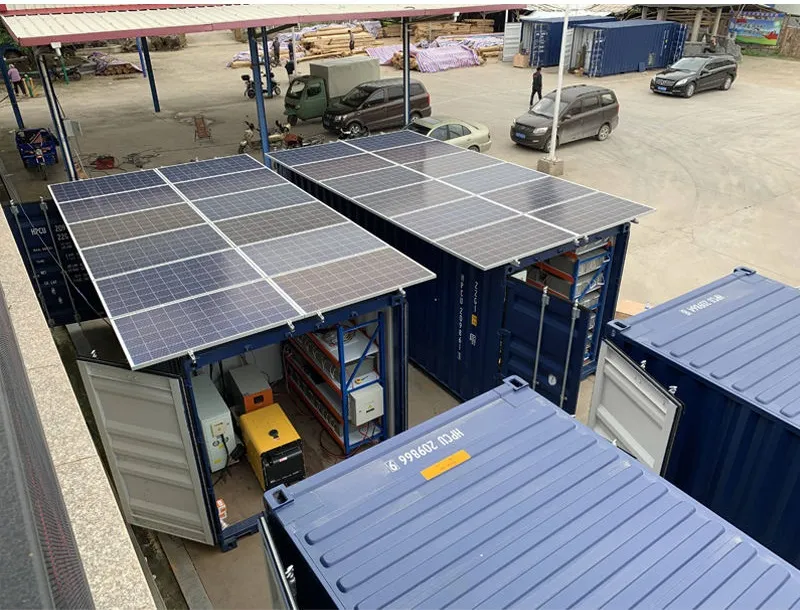
Picture this: You're standing in a vast Siberian field bathed in unexpected sunlight. It's not just beautiful—it's powerful . Russia, historically perceived as an oil-and-gas monolith, is quietly rewriting its energy story with solar panels. But there's a twist! Instead of standard imports, Russia's making solar personal through its localization policy. Let’s unpack why this matters and how it’s reshaping the clean-energy landscape.
Russia's Renewable Dilemma
Russia's energy identity is like a tattoo—deeply imprinted by oil and gas. For decades, being resource-rich was both a boon and a trap. But something shifted: geopolitical pressures, carbon neutrality pledges, and surprisingly sunny skies in regions like Orenburg forced leaders to rethink. Orenburg alone sees around 300 clear days a year! Imagine harnessing that energy rather than letting it bake fields unproductively.
Yet, solar faced resistance. The usual suspects? Legacy industries fearing disruption. But in policy corridors, an interesting conflict brewed—policymakers understood renewables could unlock regional economic diversification while fossil fuel giants raised eyebrows.
The SKD Blueprint: More Than Just Assembly
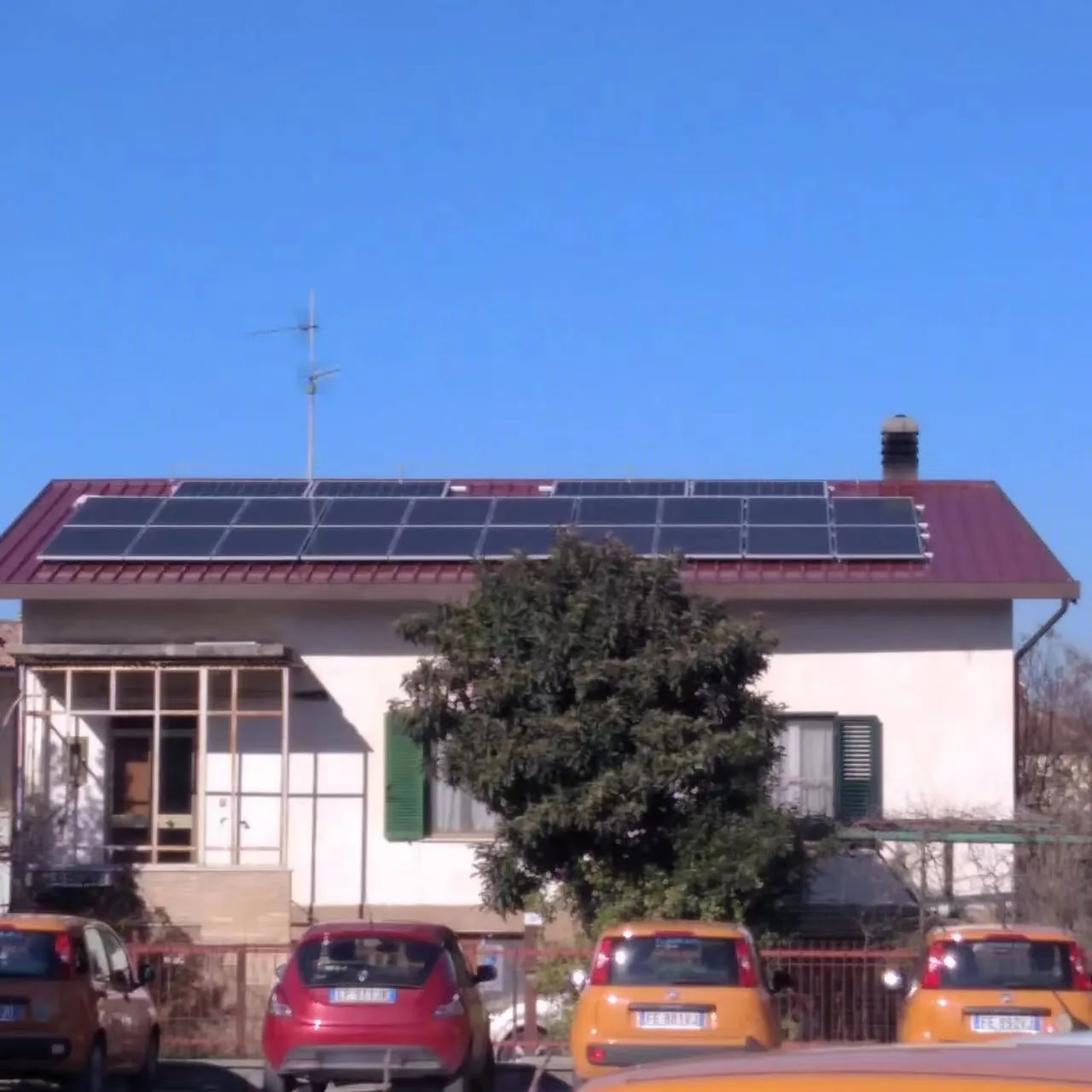
You’ve heard of “Make in India” or “Made in China.” Russia took a similar approach but focused deeply on Semi-Knocked Down (SKD) manufacturing . Here’s the magic:
- Core Components : Solar cells and high-efficiency modules are imported
- Local Touch : Mounting structures, inverters, and assembly happens locally
- Policy Hook : Government supports only projects with ≥50% localized parts
This hybrid model satisfies two masters: foreign investors who supply technology, and Russian factories hungry for modern jobs. Think manufacturing plants revitalizing towns like Novocheboksarsk—where workers once built Soviet machinery, now handling sleek solar racking.
"SKD isn't charity; it's hard-nosed economics marrying global tech with Russian labor." — Solar Industry Analyst
The Dollars & Sense of Solar
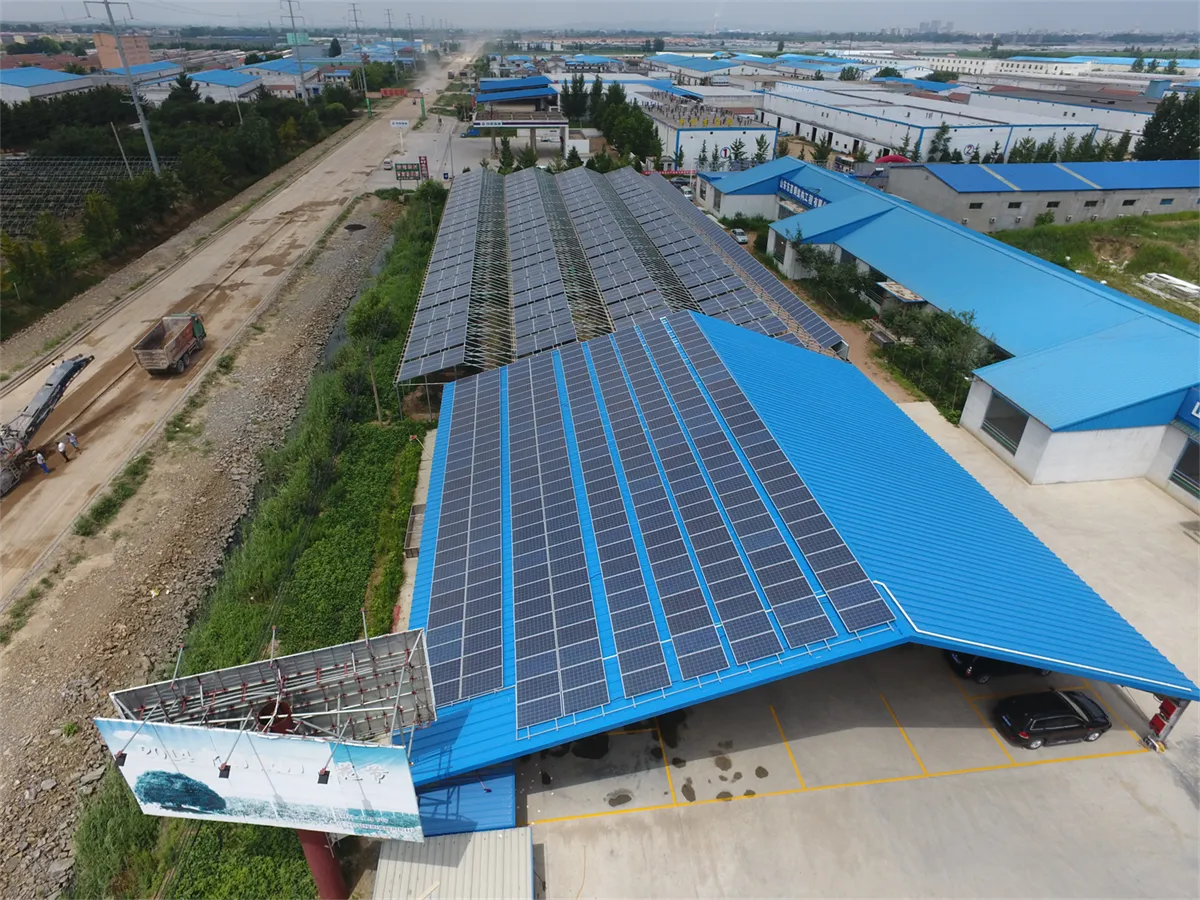
Let’s move past theory to cold, hard cash. Research covering 7 different solar scenarios in Orenburg uncovered revealing truths:
| Scenario | Government Support | Energy Storage | Payback Period | Internal Rate of Return |
|---|---|---|---|---|
| Wholesale Market Only | No | No | 25+ years | Negative |
| Retail + Storage | No | Yes | 12 years | 11.2% |
| Retail w/ Gov Support | Yes | Yes | 15 years | 13.9% |
See the standout winner? When paired with lithium-ion storage (even doubling initial costs), plants could match peak-hour pricing without subsidies. That’s like solving jet lag for energy!
But one flaw emerged: projects reliant only on state aid struggled if subsidies dried up. It's like a diet solely of vitamins—ultimately unsustainable.
Policy Architects: Who Really Calls the Shots?
This isn’t just about sunlight. Behind Russia’s solar policy are heavyweight industrialists like Renova Group and Hevel. Their lobbying focus? Local Content Requirements (LCRs) .
In practice, these firms wielded influence by:
- Demanding solar be favored over wind and hydro
- Pushing incentives skewed towards local PV manufacturing
- Making state subsidies conditional on using Russian materials
Result? Solar capacity surged locally—but some argue smaller players got squeezed. Think of it as creating solar “champions” through political design rather than merit alone.
Still, these vested interests turbocharged a hesitant sector. Without them, Russia’s renewables might still be waiting for spring.
Beyond Panels: Complementary Innovations
Solar farms aren't just metal and silicon. Integrators are creatively combining infrastructure:
- Offices and visitor centers use high-performance decorative stone for thermal efficiency and aesthetics
- Agrivoltaic setups share land between crops and panels in Rostov
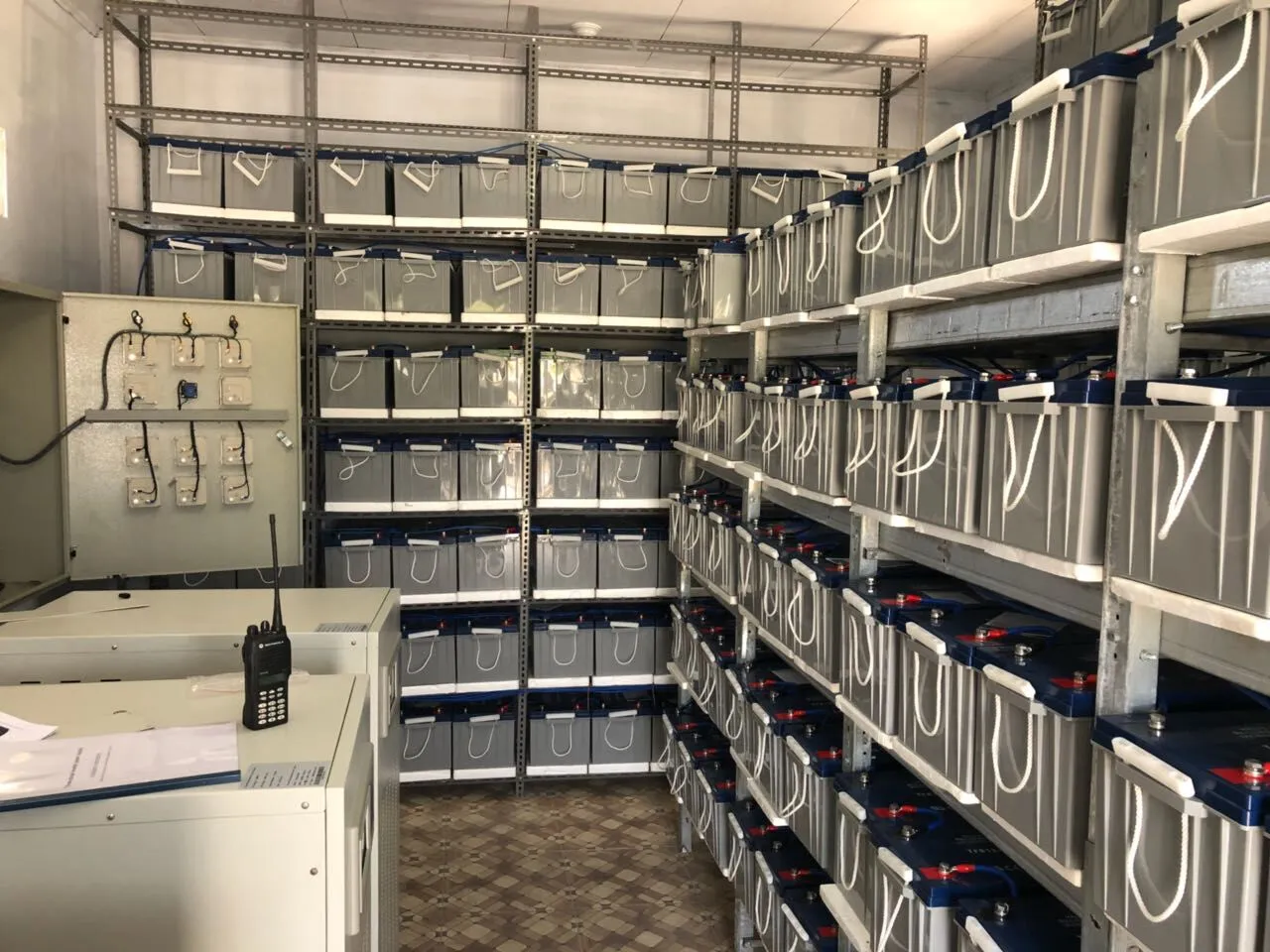
- Battery units housed in modular structures with eco-conscious finishes
This synergy reduces construction footprints and makes solar parks visually part of the landscape—not just industrial guests.
Beyond 2025: A Grid in Transition
The next phase? Scaling storage and building resilient micro-grids. Key developments to watch:
- Carbon Tax Potential : $15/ton CO2 equivalent may unlock economic viability for solar
- Hybrid Systems : Solar-wind projects cut intermittency risks
- Export Ambitions : Russian SKD panels targeting Central Asian markets
Challenges linger: grid updates for decentralized energy, talent development, and shifting subsidies. But Russia stands at a crossroads: Will it leverage localization into global green leadership?










