
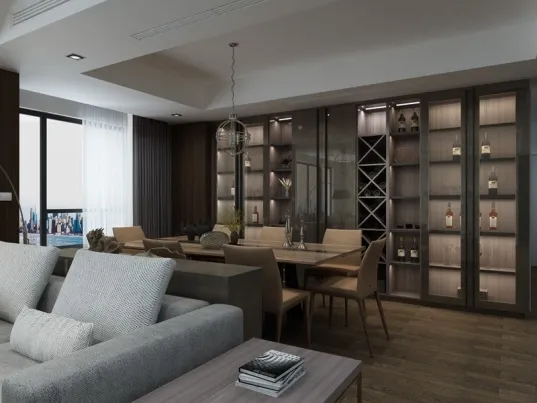
Why Temperature-Controlled Cabinets Are Your Smartest Investment for Preserving Wine's Magic
You've finally built that wine collection you've always dreamed about - each bottle telling a story, each vintage capturing a moment in time. But here's the heartbreaking reality: without proper storage, that $50 Malbec you lovingly brought back from Argentina might as well be $5 cooking wine by next summer. And those special occasion bottles you're saving? They could turn into expensive vinegar before you pop the cork.
The solution isn't as complicated or expensive as you might think. Meet your wine's new best friend: the single-zone wine cabinet. Think of it as a climate-controlled safe deposit box for your liquid treasures, but way more stylish and without the monthly bank fees.
Wine isn't just fermented grape juice - it's a living, breathing thing that reacts to its environment. Get this wrong and you're basically watching your investment evaporate one degree at a time.
Wine hates temperature swings more than a cat hates water. When mercury yo-yos, corks expand and contract like bad dance moves, letting oxygen sneak in and ruin the party. A single-zone cabinet maintains that perfect 55°F (13°C) sweet spot where wines age gracefully.
Too dry? Corks shrink like cheap sweaters. Too humid? Labels turn into papier-mâché projects. That magic 50-70% humidity range? It's the VIP lounge where corks stay plump and happy.
UV rays are wine's kryptonite. They trigger chemical reactions that create those lovely aromas of... wet cardboard and boiled cabbage? Not exactly the bouquet you're hoping for. Quality cabinets have UV-protected glass or solid doors that keep wines in the dark where they belong.
Here's the kicker: That trendy wine rack above your refrigerator? It's basically a wine sauna disguised as décor. Refrigerators vibrate (goodbye sediment stability), ovens radiate heat (hello premature aging), and sunlight through windows? That's liquid murder in slow motion.
Walk into any appliance store and you'll face a confusing wall of options. Let me simplify it: dual-zone cabinets create distinct climate zones, typically one for aging reds and another for serving whites chilled. Sounds smart, right? Here's why it's overkill for most:
| Feature | Single-Zone Cabinets | Dual-Zone Cabinets |
|---|---|---|
| Price Point | 25-40% more affordable | Premium pricing for extra technology |
| Energy Use | Sips electricity like fine wine | Double cooling systems = double the energy |
| Storage Flexibility | Unified space adapts to your collection | Rigid zones limit storage creativity |
| Best For | 90% of home collectors (<60 bottles) | Serious collectors with diverse serving needs |
The truth bomb? Serving white wine straight from storage at 55°F is like drinking iced tea - flavor's muted. You'll still need to pop it in the regular fridge for 20-30 minutes before serving anyway. So why pay extra for a feature you won't use efficiently?
And let's talk about temperature-controlled storage in those rare moments you entertain - more on that later.
Beyond the marketing fluff, here's your reality checklist when comparing units:
That sleek cabinet in the showroom? The industrial-strength AC units drown out its hum. Get something quieter than your refrigerator (aim for <40 decibels) or you'll regret it during movie nights.
Shelving quality separates the bargain-bin from the investment pieces. You want solid woods or reinforced metal that won't sag under magnum bottles. Test them! Pull them out and see if they flex like cheap cafeteria trays.
Look for slide-out shelves with weight ratings & front-ventilation
Security features? If you've got teenagers or curious guests, lockable doors aren't optional - they're survival tools. Touchscreen controls look cool until they start glitching after a power surge. Simple dials often outlast their digital cousins.
"We lost $700 worth of wine to a hot summer before getting our single-zone cabinet. At $500, it paid for itself in spoiled bottles alone within a year. Now our 'daily drinkers' actually taste like they should!"
"Apartment living meant no cellar for me. My 32-bottle cabinet doubles as an end table! I calculated it uses less electricity annually than leaving a nightlight on 24/7. Total game-changer for small spaces."
"Wine cabinets waste energy!" - Actually, modern units use specialized compressors that sip electricity. An ENERGY STAR rated 100-bottle cabinet costs less than $50 annually to run - cheaper than replacing ruined wine.
"Just use a regular refrigerator!" - Bad idea. Food fridges are desert-dry (30-40% humidity), turning corks brittle. Plus, vibrations from the compressor shake up sediment like a bad martini mixer.
Protecting your wine collection isn't about showing off - it's about preserving stories in a bottle. That Cabernet Sauvignon from your anniversary trip? That champagne for your daughter's wedding? They deserve better than a dusty pantry shelf.
A temperature-controlled wine cabinet is that quiet guardian your collection needs. No, it won't impress like a $10,000 walk-in cellar. But it'll preserve your wines' magic at a fraction of the cost - and isn't that what really matters?
Recommend Products












